

Last Updated 08/13/2026
Excerpt from City of Medford Municipal Code
Chapter 10 Planning
10.729 Stormwater Facilities, Private Property.
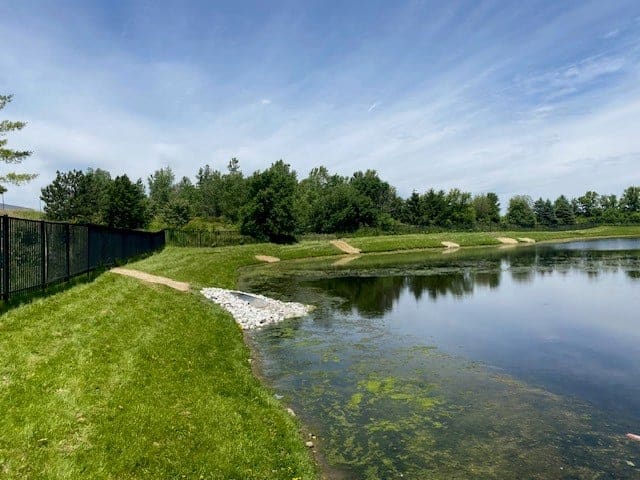
(1) Purpose. It is the City’s policy to maintain the natural hydrology, protect water quality, avoid impacts to private properties, and preserve capacity in the City storm drain system by mitigating the direct impacts of development.
(2) Applicability. Development on private property shall provide stormwater facilities in compliance with the Rogue Valley Stormwater Quality Design Manual, adopted by reference in Section 10.481, and the following:
(a) Stormwater quality treatment and retention shall be addressed with the development that constructs or reconstructs 5,000 square feet or more impervious surface.
(b) Stormwater quality treatment, retention, and detention shall be addressed with development that constructs or reconstructs 10,000 square feet or more of impervious surface.
(c) For subdivisions, partitions, or PUDs with less than 5,000 square feet of new private streets, minimum access easements, or other shared impervious surfaces, each lot will be considered a separate development.
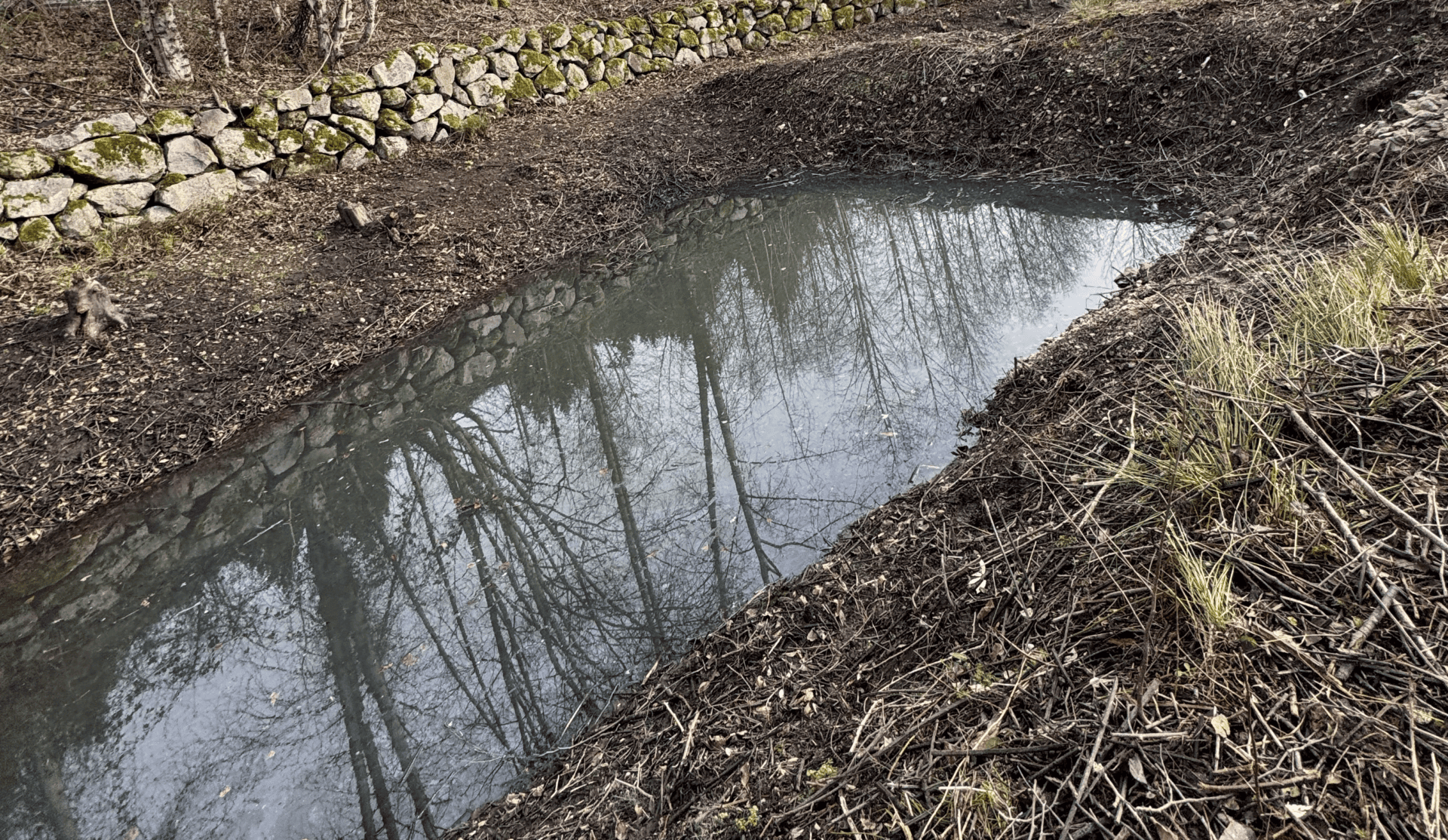
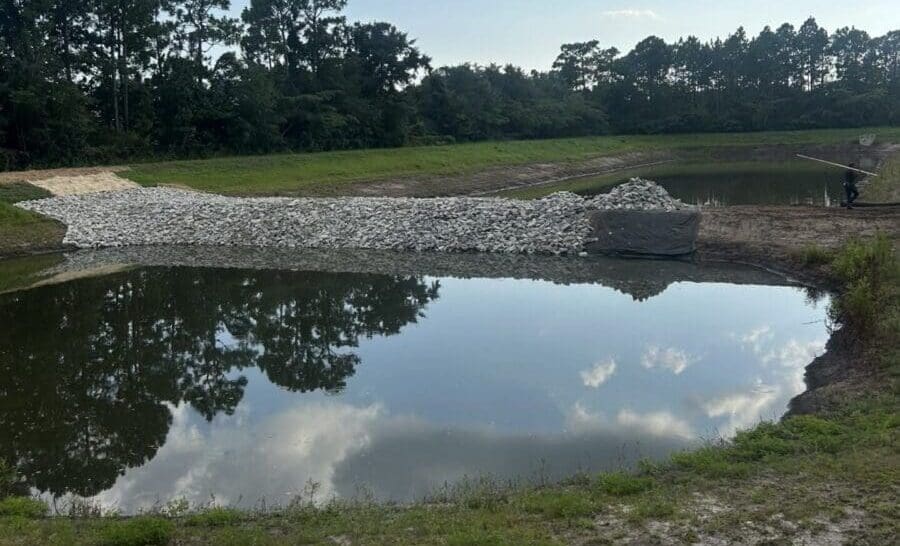
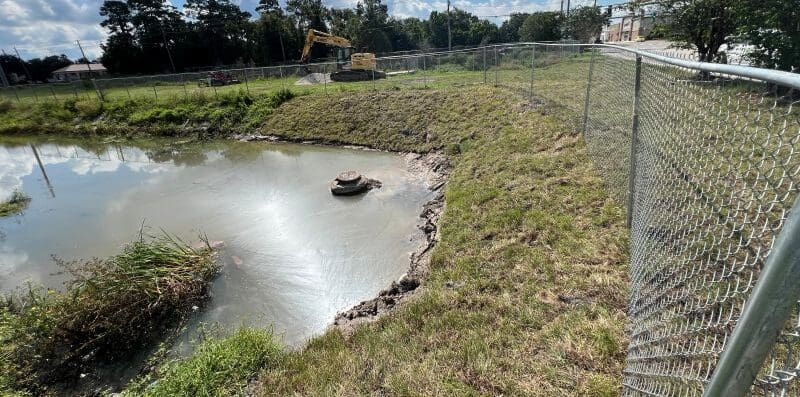
(d) As used in this section, “stormwater facility” refers only to a facility that provides one or more of the following: stormwater quality treatment, detention, or retention.
(3) Location. Stormwater facilities for development that does not include public rights-of-way shall be constructed on private property.
(4) Construction and Maintenance Standards.
(a) Stormwater facilities shall be constructed in conformance with Section 10.481, Improvement Standards Adopted.
(b) The stormwater facility design shall be approved by the City Engineer or designee prior to construction.
(c) Stormwater facilities for development that does not include public rights-of-way shall be privately maintained and shall have an Operation and Maintenance Plan approved by the City Engineer or designee prior to construction of the facility.
Chapter 4 Urban Stormwater Quality Management and Illicit Discharge Control
4.1302 Prohibition of Illicit Discharge
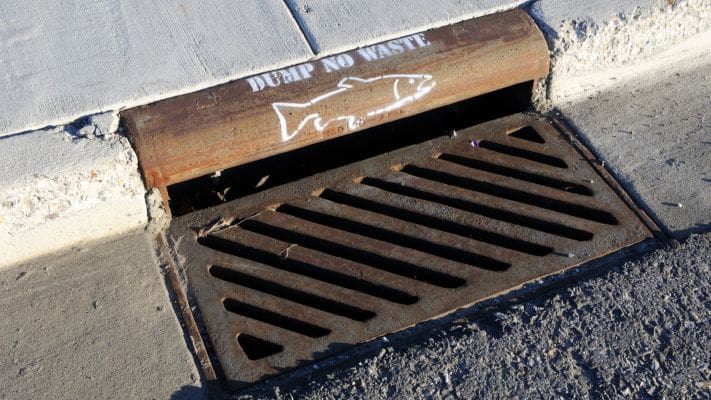
No person shall discharge or cause to be discharged into the storm drainage system any pollutants or waters containing any pollutants.
(1) The commencement, conduct, or continuance of any discharge other than stormwater to the storm drainage system is prohibited except as described as follows:
(a) The following discharges are exempt from the prohibition provision above: flow from landscape irrigation or lawn watering; discharge from water line flushing or other potable water sources; uncontaminated discharge from a foundation drain, crawl space pump, or footing drain; discharge from individual residential car washing; discharge from charity car washing (provided only environmentally friendly soaps are used without heated water and only the outside of the vehicle is washed and not the engine or undercarriage); street and pavement wash water (provided detergents aren’t used and hazardous materials aren’t present); air conditioning condensation; drainage from a private residential swimming pool containing no harmful quantities of chlorine or other chemicals; discharge of uncontaminated storm water pumped from an excavation; fire hydrant flushing; flow from a diverted stream or natural spring; groundwater infiltration into the storm drain system; uncontaminated pumped groundwater or rising groundwater; dye testing; flow from potable water sources; irrigation water; routine external building wash-down (provided, that chemicals, soaps, detergents, and heated water are not used); flow from a natural riparian habitat or wetland; and any other source not containing pollutants.
(b) Discharge specified in writing by the Public Works Director as being necessary to protect public health and safety.
(c) The prohibition shall not apply to any nonstormwater discharge permitted under an NPDES permit, waiver, or waste discharge order issued to the discharger and administered under the authority of the Federal Environmental Protection Agency; provided, that the discharger is in full compliance with all requirements of the permit, waiver, or order and other applicable laws and regulations; and provided, that written approval has been granted by the Public Works Director for any discharge to the storm drainage system.
(d) The prohibition shall not apply to any uncontaminated surface discharge; provided, that written approval has been granted by the Public Works Director for any discharge to the storm drainage system.
(2) The Public Works Director may require best management practices to reduce pollutants and may prohibit a specific discharger from engaging in a specific activity identified in subsection (1) of this section if at any time the Public Works Director determines that the discharge is, was, or will be a significant source of pollution.
(3) Where a stormwater facility was installed with development and where an associated operations and maintenance plan was created with a recorded declaration of covenants for ongoing maintenance responsibility, noncompliance with the articles of that Declaration of Covenants is prohibited.
4.1303 Prohibition of Illegal Connections.
The construction, connection, use, maintenance, or continued existence of any illegal connection to the storm drainage system is prohibited.
(2) A person is considered to be in violation of this article if the person connects a line conveying sewage, gray water, or industrial waste to the storm drainage system, or allows such a connection to continue, including by owning property where such an illegal connection exists.
(3) Improper connections in violation of this article must be disconnected or redirected to an approved on-site wastewater management system or the sanitary sewer system upon approval of the Public Works Director.
4.1306 Right of Entry onto Premises.
The Public Works Director shall be permitted to enter and inspect the premises as often as may be necessary to determine compliance with this article.
(1) If such premises are occupied, City staff credentials will be presented to the property owner or other person having charge or control of the premises, and entry requested. If such premises are unoccupied, the Public Works Director may enter the property if immediate abatement is required, as described in Section 4.1315.
(2) The owner or operator shall allow the Public Works Director ready access to all parts of the premises for the purposes of inspecting, sampling, photographing, videotaping, and examining activities subject to this article.
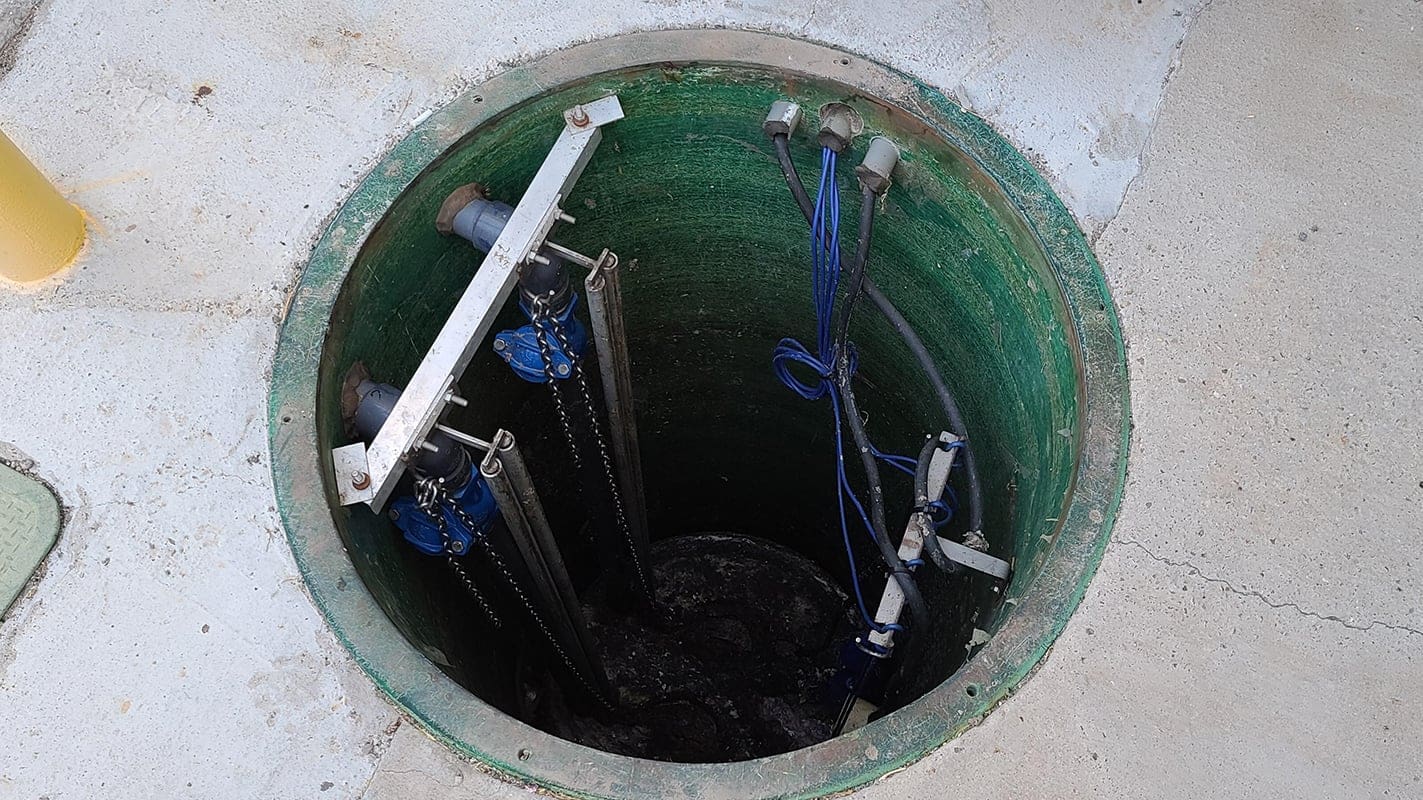
(3) The Public Works Director shall have the right to set up on the premises such devices as are necessary in the opinion of the Public Works Director to conduct monitoring and/or sampling of flow discharges.
(4) Delays in allowing the Public Works Director access to the premises is a violation of this article.
4.1307 Sampling and Monitoring Requirements.
Whenever the Public Works Director determines that any person engaged in any activity and/or who owns or operates any facility that may be causing or contributing to stormwater pollution or illicit discharge to the storm drainage system, the Public Works Director may, by written notice as described in Section 4.1311, order that such a person undertake such monitoring activities and/or analyses and furnish such reports as the Public Works Director may deem necessary to demonstrate compliance with this article. The written notice shall set forth the basis for such order and shall describe the monitoring activities and/or analyses and reports required. The sampling and monitoring devices utilized shall be approved by the Public Works Director and maintained at all times in a safe and proper operating condition by the owner or operator at the owner or operator’s own expense. All devices used to measure flow and quality shall be calibrated in accordance with the manufacturer’s recommendations to an accuracy determined by the Public Works Director. The recipient of such order shall undertake and provide the monitoring, analyses, and reports within the time frames set forth in the order.
4.1310 Violations.
It shall be unlawful for any person to violate any provision or fail to comply with any of the requirements of this article. Any person who has violated or continues to violate the provisions of this article may be subject to enforcement actions outlined in the following provisions and/or may be subject to abatement and/or to any other remedy provided by law. All remedies, penalties, abatement actions or other enforcement measures from this article are cumulative and the choice of any one remedy, penalty, abatement action or enforcement action shall not foreclose any other remedy, penalty, abatement action or enforcement action allowed by this article or otherwise provided by law.
4.1311 Notification of Violation.
Whenever the Public Works Director finds that a violation of this article has occurred, the Public Works Director may issue a written notice of violation to the responsible party.
(1) The notice of violation shall contain:
(a) The name and address of the alleged violator;
(b) The address when available or a description of the building, structure or land upon which the violation is occurring or has occurred;
(c) A statement specifying the nature of the violation, referencing specific section(s) of this article;
(d) A statement of the abatement requirements, deadline for compliance, and requirement to obtain any necessary Federal, State, and local permits;
(e) A statement of the amount of civil penalty or penalties that are being assessed against, or compensatory action(s) being required of, the person to whom the notice of violation is directed; and
(f) A statement that the determination of violation and/or civil penalty may be appealed to the Hearings Officer by filing a written notice of appeal within 10 calendar days of service of the violation, as provided under Section 4.1313.
(2) Such notice may require without limitation:
(a) The elimination of illicit discharges and illegal connections;
(b) The performance of monitoring, analysis and reporting;
(c) The abatement of stormwater pollution and the restoration of any affected property;
(d) The implementation of source control or treatment best management practices (BMPs); and
(e) A requirement that the responsible party pay costs to cover City of Medford administrative, abatement and remediation expenses.
View State Page
Frequently Asked Questions
Do all properties need stormwater quality and detention facilities in Medford?
Single-family residences and duplexes are exempt unless they meet specific thresholds. Requirements generally apply when a project creates 5,000 square feet or more of impervious surface, adds or reconstructs 1,000 square feet or more as part of a larger development plan totaling 5,000 square feet or more, or involves subdivisions or planned unit developments creating that much impervious surface through new private streets or easements.
Who maintains my private stormwater detention facility in Medford, Oregon?
The property owner, in most cases. Private stormwater detention facilities not tied to public rights-of-way are privately maintained, and you’ll need an Operation and Maintenance Plan approved by the city before the facility is even built. The city’s approved plan format is included in the Rogue Valley Stormwater Quality Design Manual. AQUALIS can help property owners in Medford put together a plan that meets this standard from the outset.
What if I'm not going to be the one maintaining my stormwater facility in Medford?
If the property owner won’t be responsible for maintenance, or if there will be multiple responsible parties, you’ll also need an Operation and Maintenance Agreement, in a form acceptable to both the Public Works Department and the City Attorney, in addition to your Operation and Maintenance Plan.
Can the City of Medford inspect my stormwater facilities after construction?
Yes. Under the NPDES program, the city has the authority to inspect properties for noncompliance and can issue a notice of violation for any deficiency found on-site, confirming your facilities are being properly maintained and functioning as designed.
The information on this page is provided for general informational purposes only and is not legal advice. Regulations change frequently — AQUALIS makes no warranty as to the accuracy or completeness of this content, and any reliance on it is at your own risk. Consult a qualified professional or your local regulatory authority to confirm requirements applicable to your specific property.