
Last Updated 08/12/2026
Excerpt from Meridian City Code
11-3B-11: STORMWATER INTEGRATION:
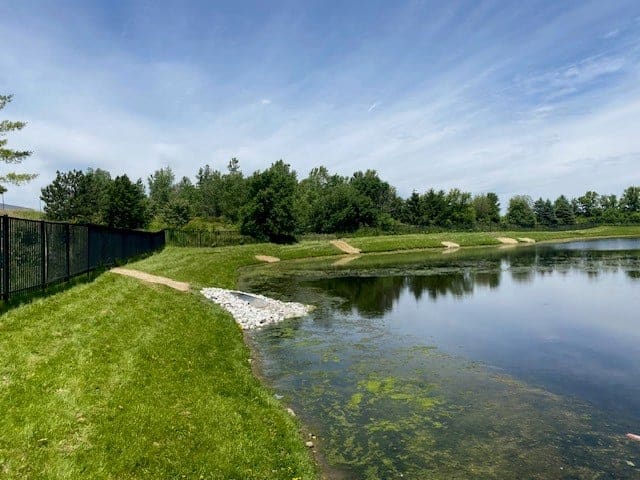
- Purpose: The regulations of this section are intended to improve water quality and provide a natural, effective form of flood and water pollution control through the integration of vegetated, well designed stormwater filtration swales and other green stormwater facilities into required landscape areas, where topography and hydrologic features allow.
- Applicability: The standards for stormwater integration shall apply to all subdivisions, site improvements and ACHD stormwater facilities. ACHD stormwater policy shall supersede city requirements for stormwater facilities, except that facilities counting toward open space requirements must also meet or exceed city requirements.
- Standards:
- Stormwater swales incorporated into required landscape areas shall be vegetated with grass or other appropriate plant materials. Such swales shall also be designed to accommodate the required number of trees as per section 11-3B-7 of this article if located in a street buffer or other required landscape area.
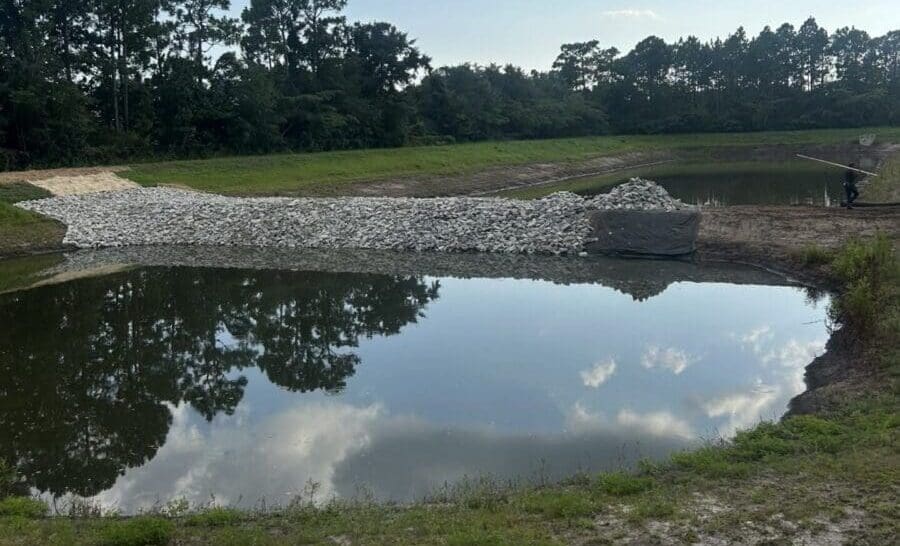
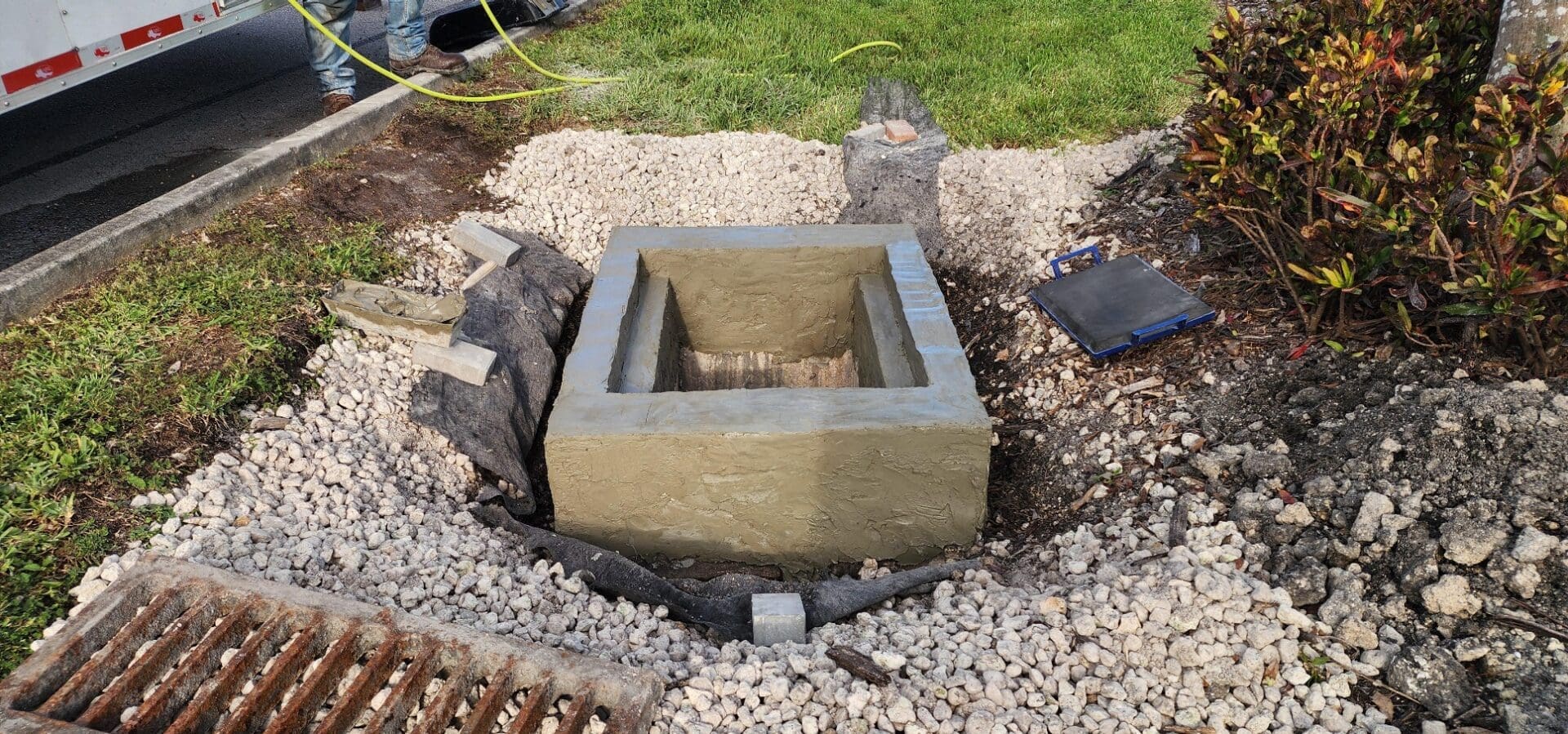
- A rock sump may be incorporated into a vegetated swale to facilitate drainage. The rock sump inlet may not exceed more than five feet (5′) in any horizontal dimension.
- Gravel, rock, sand, or cobble stormwater facilities are not permitted on the surface of required landscape areas, unless designed as a dry creek bed or other design feature.
- Plant materials shall be a species that are able to withstand the anticipated changes in soil wetness and moisture levels.
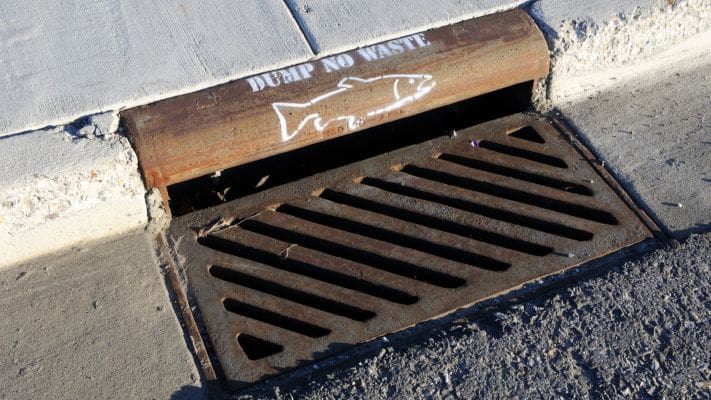
- Organic mulch shall not be used against drainage catch basins because of potential sediment clogging.
- Slopes shall be less than or equal to three to one (3:1) (horizontal: vertical) for accessibility and maintenance.
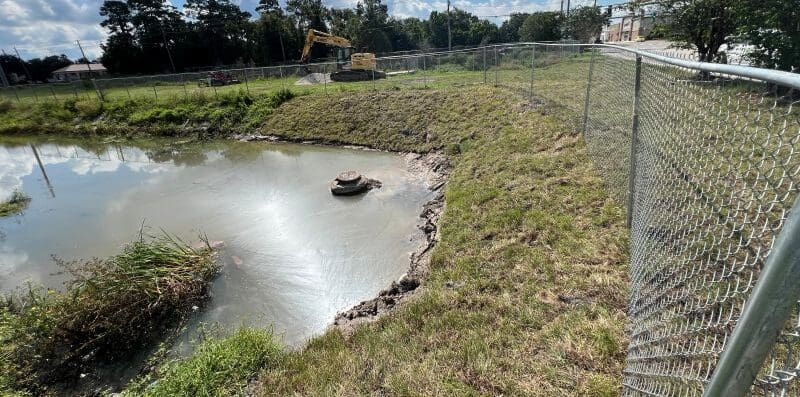
- The stormwater facility shall be designed free draining with no standing water within forty eight (48) hours of the completion of a storm event. (Ord. 16-1717, 1-3-2017)
Excerpt from Stormwater Management Plan
5.4 Post Construction Stormwater Management, New Development and Redevelopment
5.4.2.2 ACHD Stormwater Facilities
Since adoption of ACHD Policy 8202.5 in 2015 and updates in 2017, all new and rebuilt ACHD stormwater basins are required to be vegetated and address Pollutants of Concern. Additionally, in
2016, ACHD Commission directed staff to begin retrofitting ACHD-owned stormwater basins. Currently, all ACHD stormwater facilities associated with roadways and intersections are built to
address water quality and incorporate GSI where possible. The goal of these facilities is to establish native or naturalized vegetation with healthy soils that function to remove stormwater pollutants with added aesthetic and ecological benefits to the community. ACHD has implemented measures to increase the likelihood of successful vegetated stormwater facilities that include the following:
- Environmental staff participate in an interdisciplinary project team of ACHD staff that review projects from conception to construction. Comments are submitted to an ACHD Project Manager for discussion with the project team and consultants.
- ACHD requires temporary irrigation for two to three growing seasons for establishing native/drought tolerant vegetation in ACHD-owned stormwater basins and swales.
- ACHD developed an Ada County Highway District Stormwater Management Basin Revegetation Guidance Manual and updated contract specifications related to plant material and soil
amendments for use by design and contracting professionals. - ACHD staff develop site specific Plant Establishment Plans for use by contractors during the warranty period prior to ACHD accepting a vegetated stormwater facility. These plans provide
maintenance guidance during the plant establishment phase of a GSI facility. - Maintenance of new ACHD facilities by ACHD staff and contracted provider consist of an iterative stewardship approach that involves manual and mechanical weed removal, plant vegetation maintenance to maximize seed dispersal, erosion control, and trash and sediment removal. Maintenance and inspections are conducted once a month during early spring and twice monthly during the growing season. The plant establishment period for each project facility is typically three to four growing seasons.
5.4.2.3 Prioritization, Tracking, and Enforcement
ACHD conducts inspections on priority stormwater basins that receive right-of-way drainage and discharge directly to surface waterbodies. These inspection results are used to guide the development of educational materials, inventory tracking, and maintenance, when necessary, as described below.
Prioritization
- Results of stormwater basin priority inspections are used to guide the development of education and outreach materials.
- Stormwater basin inspection follow-up actions are coordinated with the facility owner.
- ACHD will be reviewing the current inspection prioritization and determining strategies to develop an inspection prioritization and documentation process as required in Part 3.4.5. no
later than April 3, 2026. Progress toward meeting this goal will be provided in annual work plan updates provided in Table 14
Tracking
- Tracking of operation and maintenance of the permanent stormwater controls inventory is conducted using ArcGIS and work order processing software. ACHD regularly conducts a countywide desktop analysis to update the stormwater basin inventory and attribute data. Quality assurance and quality control of the stormwater basin inventory will be an ongoing effort as new stormwater basins are built.
Enforcement
- Enforcement of permanent stormwater control upkeep includes verbal notice to the facility owner, written notice, legal notice, and finally billing the owner for maintenance action. An
enforcement response policy will be developed and implemented as required in Part 3.3.6 no later than April 3, 2026.
View State Page
Frequently Asked Questions
What are Meridian's design standards for stormwater swales in landscape areas?
The city’s code requires vegetated stormwater swales in required landscape areas to use grass or other suitable plant material, chosen for its ability to handle changing soil moisture levels. Slopes can’t exceed a 3:1 ratio to keep the area accessible for maintenance, and the whole facility has to drain freely, with no standing water remaining more than 48 hours after a storm. Gravel, rock, sand or cobble aren’t allowed on the surface of these landscape areas unless they’re specifically designed as a dry creek bed or similar feature, and organic mulch can’t be placed against drainage catch basins because it risks clogging them with sediment.
Does Ada County Highway District policy override Meridian's own stormwater rules?
For stormwater facilities, yes. ACHD’s stormwater policy supersedes city requirements, with one exception: any facility counting toward a project’s open space requirements still has to meet or exceed Meridian’s own standards on top of ACHD’s. That distinction matters for developers trying to satisfy both open space and drainage requirements with the same feature, since ACHD’s rules alone won’t necessarily be enough.
How does ACHD maintain the vegetated stormwater basins along Meridian's roadways?
Every ACHD-owned basin built or rebuilt since 2015 has to be vegetated and address specific pollutants of concern, and ACHD requires temporary irrigation for two to three growing seasons to help native and drought-tolerant plantings get established. Maintenance during that establishment period runs monthly in early spring and twice monthly through the growing season, covering weed removal, erosion control and trash and sediment cleanup, with the full establishment period typically lasting three to four growing seasons before ACHD accepts a facility long-term.
What happens if a Meridian-area stormwater basin isn't properly maintained?
ACHD’s enforcement approach escalates in stages: verbal notice to the facility owner first, then written notice, then legal notice, and ultimately billing the owner directly for maintenance action if the issue still isn’t resolved. ACHD is also required to finalize a formal enforcement response policy and an inspection prioritization process by April 3, 2026, so property owners should expect this process to become more structured and documented going forward rather than staying as informal as it’s been.
The information on this page is provided for general informational purposes only and is not legal advice. Regulations change frequently — AQUALIS makes no warranty as to the accuracy or completeness of this content, and any reliance on it is at your own risk. Consult a qualified professional or your local regulatory authority to confirm requirements applicable to your specific property.