

Last Updated 08/13/2026
Stormwater Service Charge
Rates are based on a property’s contribution to stormwater runoff. Therefore, customers are charged based on the impervious surface (hard surface such as parking lots, roofs, sidewalks, etc.) their property is known to have. This amount was calculated using the data from property tax records and aerial photography. Customers are broken down into two classifications; Residential and Non-Residential. Classifications are determined using the State of Indiana land use codes. Residential Rates are based on the average impervious area (2,500 sq. ft.) of all properties within Delaware County. Non-Residential Rates are based on the average classes of impervious area starting with the base calculation at the equivalent residential rate class. Calculations are determined by using Equivalent Residential Units (ERU), which is the basic unit for the computation of storm water service fees. All properties contribute to the community’s need to manage stormwater, therefore, all property owners must share in the cost of this program, and no properties are exempt.
Post Construction BMP Compliance Poster
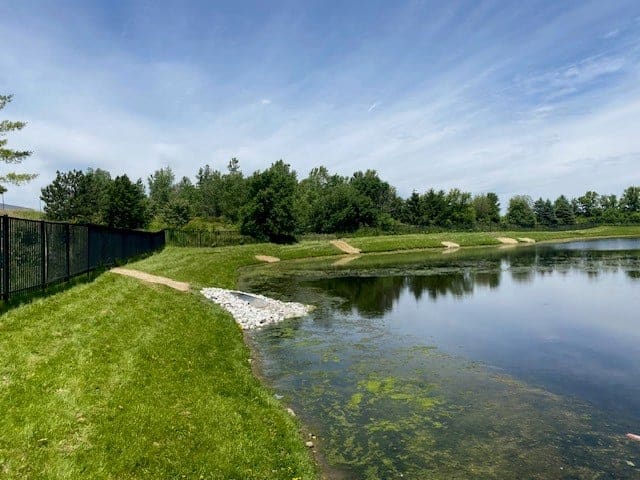
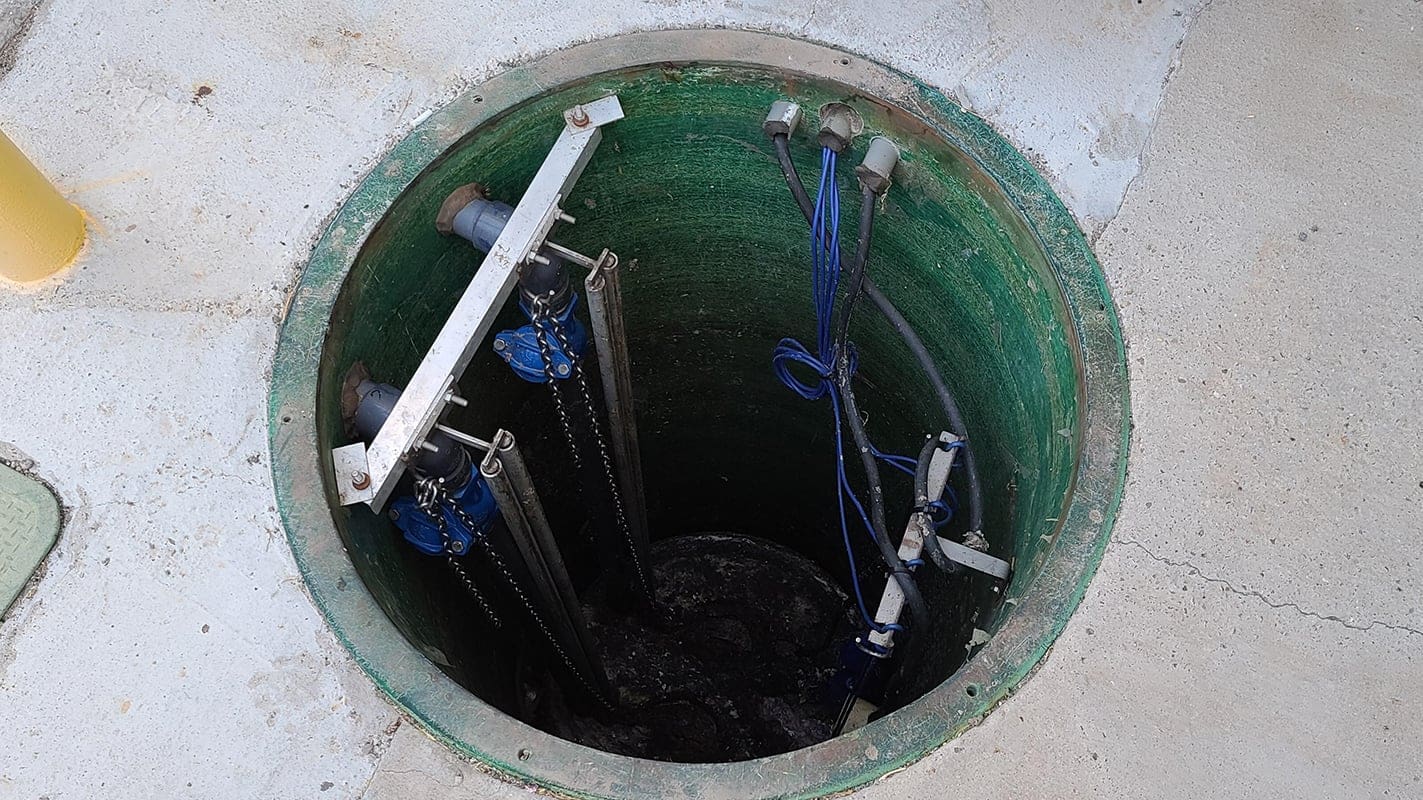
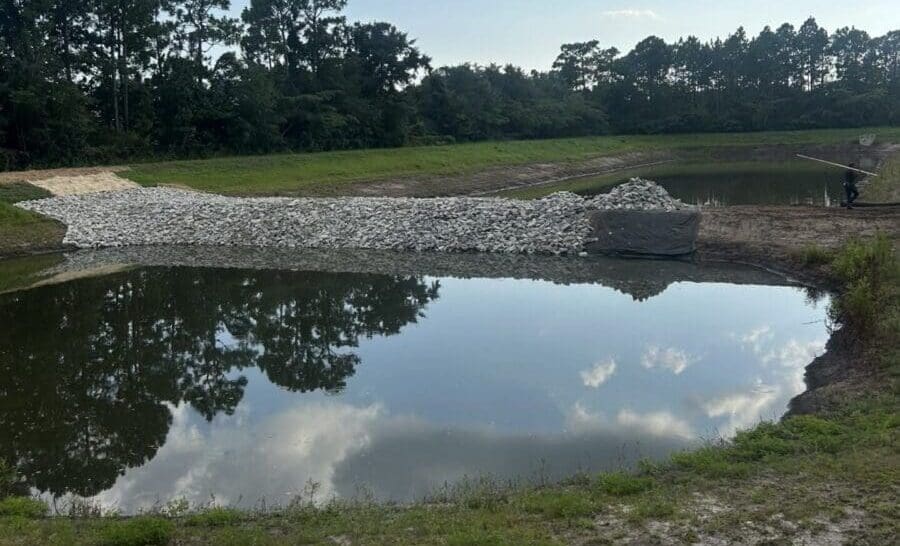
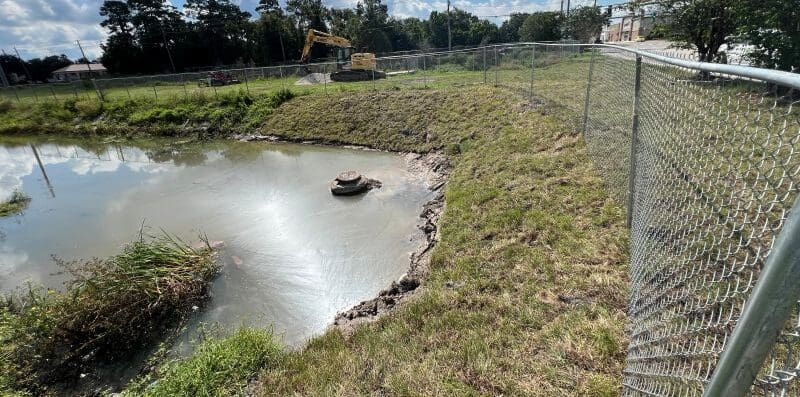
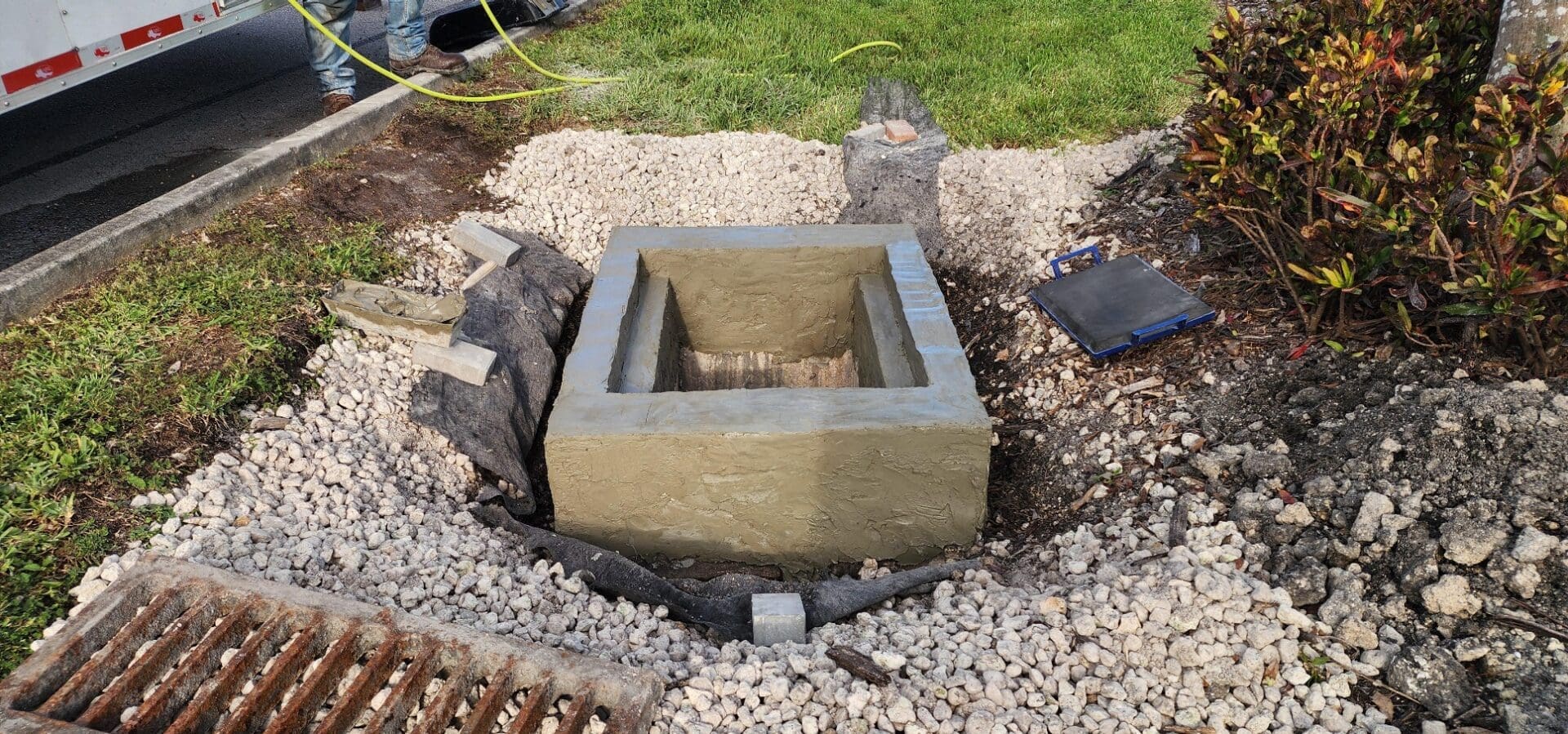
If your site required a Construction General Permit, you will be responsible for operating and maintaining any post-construction best management practices (BMPs) that were included in the site plans. EPA, IDEM, and Local government require post construction best management practices to help reduce pollutants from leaving a newly developed site. Once the job is complete, and the contractor leaves, responsibility for maintaining these BMPs shifts to the property owner. Periodic inspections of these practices is required for as long as you own the property. Failure to maintain your BMPs may result in violations. Failure to correct violations may result in your municipality making corrections at your expense. A small effort on your part may save you money and headaches later.
View State Page
Frequently Asked Questions
How does Muncie calculate a property's stormwater service charge?
The charge is based on how much impervious surface a property has, using data pulled from Delaware County property tax records and aerial photography rather than a self-reported figure. Properties fall into two classifications, residential and non-residential, determined by the State of Indiana’s land use codes. Residential rates are set against the countywide average impervious area of 2,500 square feet, while non-residential rates scale up from that same base using Equivalent Residential Units.
Is any property exempt from Muncie's stormwater charge?
No. The ordinance is explicit that every property contributes to the community’s stormwater burden, so every property owner shares in the cost of the program regardless of use, size or ownership type. That’s a stricter stance than cities that carve out exemptions for government buildings, nonprofits or small lots.
Who's responsible for maintaining post-construction BMPs after a Muncie project wraps up?
The property owner is, the moment the contractor leaves the site. Any site that required a Construction General Permit has post-construction BMPs built into its approved plans specifically to keep pollutants from leaving the property after development, and that operating and maintenance responsibility shifts entirely to the owner for as long as they hold the property. Periodic inspection isn’t optional; it’s required on an ongoing basis, not just once after construction wraps.
What happens if I don't maintain my post-construction BMPs in Muncie?
Failing to maintain them can result in a violation, and failing to correct that violation can lead to the city making the necessary corrections itself and billing the property owner for the cost. Muncie’s own guidance frames it plainly: a modest amount of routine maintenance upfront is far cheaper than city-performed corrections and the violation history that comes with ignoring the problem.
The information on this page is provided for general informational purposes only and is not legal advice. Regulations change frequently — AQUALIS makes no warranty as to the accuracy or completeness of this content, and any reliance on it is at your own risk. Consult a qualified professional or your local regulatory authority to confirm requirements applicable to your specific property.