

Last Updated 08/05/2026
Excerpts from Rapid City Stormwater Management Plan
1.7 Maintenance
All temporary and permanent erosion and sediment control practices shall be maintained and repaired by the owner during the construction phase as needed to assure continued performance of their intended function. Sediment traps and basins will require periodic sediment removal when the design storage level is half full. All facilities shall be inspected by the owner or owner’s representative following each heavy precipitation or snowmelt event that results in runoff. As part of the narrative report, the professional engineer preparing the plan shall submit a schedule of planned maintenance activities for temporary and permanent erosion and sediment control measures. The schedule shall be consistent with the level of maintenance required for the control measures proposed It the plan.
Suggested maintenance plans:
Grass Buffer
Lawn mowing and lawn care should be performed on a routine as needed basis. Irrigation and litter removal as needed. Inspections occur annually and after major storms with more than 0.75 inch in precipitation.
Grass Swale
Lawn mowing and lawn care as needed. Debris and litter removal no less than two times a year. Sediment removal routine, as needed by inspection. Grass reseeding and mulching as needed by annual inspection. Annual inspection.
Porous Landscape
Lawn mowing, debris and litter removal, and vegetative care routine and depending on aesthetic requirements. Landscaping removal and replacement every 5 to 10 years depending on infiltration rates. Routine biannual inspection of hydraulic performance.
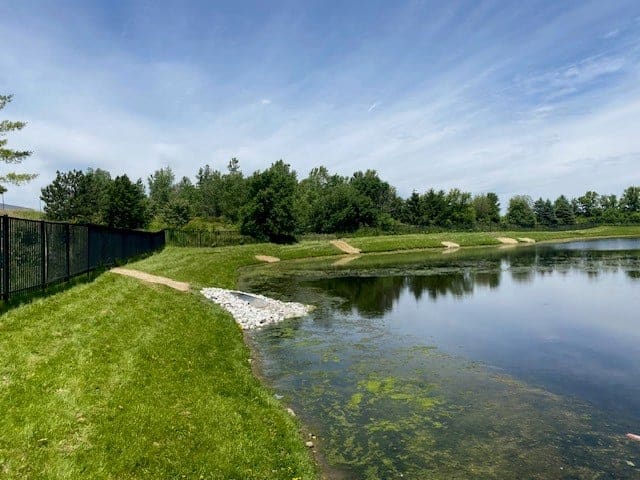
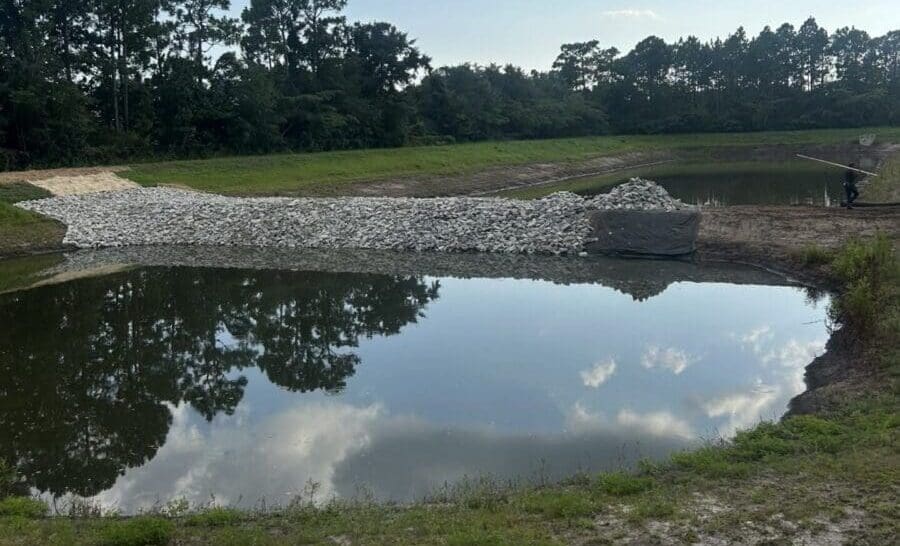
Extended Detention Basin
Lawn mowing, lawn care, debris and litter removal, routine. Erosion and sediment control periodic and repair as necessary based on inspections. Structural repair as needed based on regular inspections. Nuisance control and sediment removal as needed. Inspections occur annually, includes hydraulic and structural facilities.
Sand Filter Detention Basin
Debris and litter removal routine. Landscaping removal and replacement every 2 to 5 years. Scarify filter surface once per year or when needed to promote drainage. Sand filter removal evert 2 to 5 years, when it takes more than 24 hours to empty a 3 foot deep pool. Expect to clean out forebay every 1 to 5 years. Routine-biannual inspection of hydraulic performance, one after a significant rainfall.
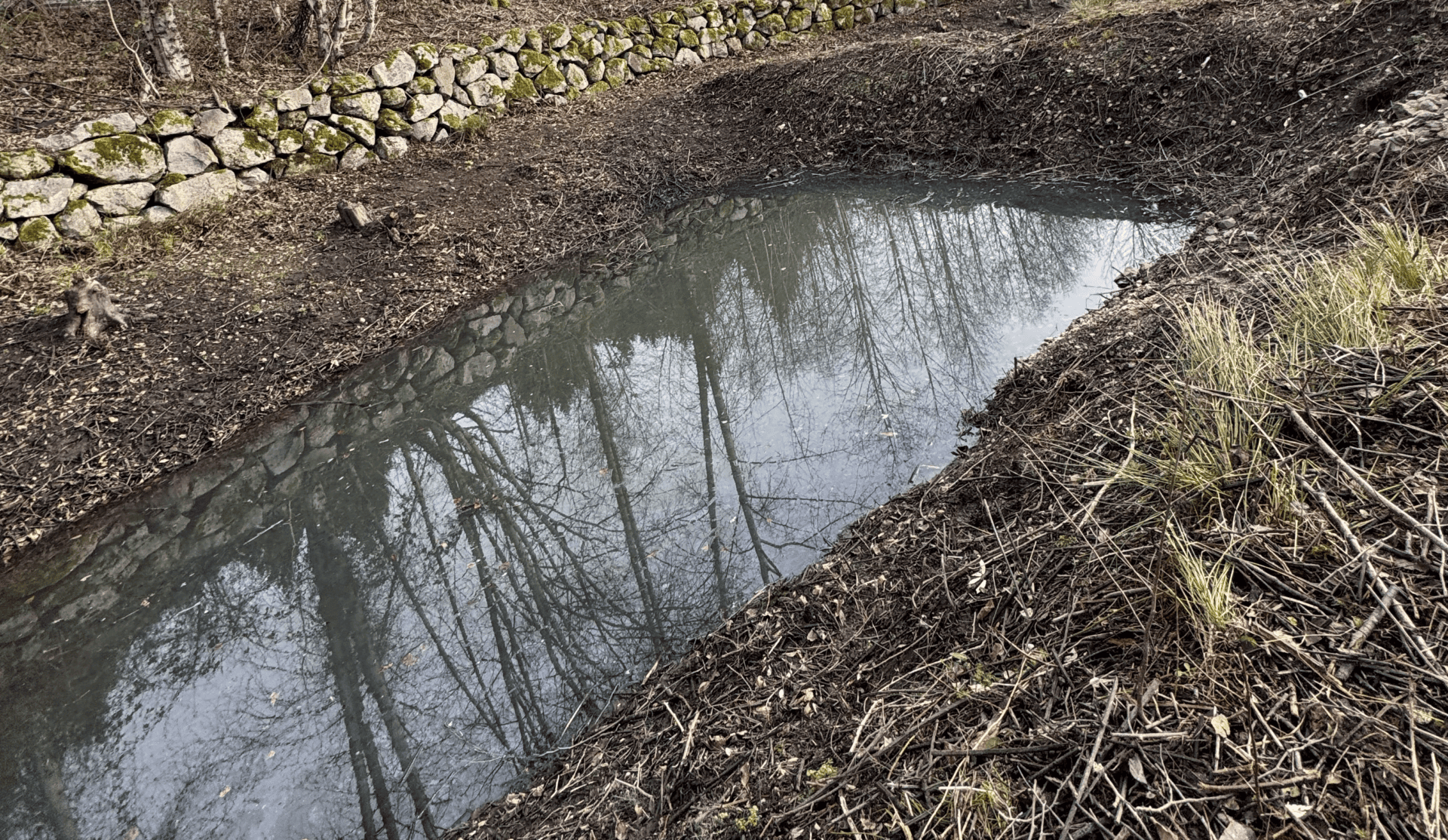
Constructed Wetlands
Lawn mowing and lawn care, debris and litter removal, routine and before annual storm seasons. Sediment removal every 10 to 20 years as needed by inspection. Aquatic plant harvesting nonroutine until further evidence indicates such action would provide significant nutrient removal. Perform once every 5 years or less frequently as needed. Inspections at least once a year, preferable during a rainfall event resulting in runoff.
View State Page
Frequently Asked Questions
Who is responsible for maintaining erosion and sediment control measures in Rapid City?
The property owner is responsible for maintaining and repairing all temporary and permanent erosion and sediment control practices during construction, to keep them performing as intended. Sediment traps and basins need periodic sediment removal once they reach half of their design storage capacity. AQUALIS can help property owners in Rapid City, South Dakota put together a maintenance schedule that meets this standard.
How often are constructed wetlands maintained in Rapid City?
Routine lawn mowing, care, and debris removal, done before annual storm seasons. Sediment removal is typically needed only every 10 to 20 years, based on inspection findings, and aquatic plant harvesting isn’t considered routine unless evidence shows it would meaningfully improve nutrient removal, generally no more than once every 5 years. Inspections should happen at least annually, ideally during a rainfall event that produces runoff.
The information on this page is provided for general informational purposes only and is not legal advice. Regulations change frequently — AQUALIS makes no warranty as to the accuracy or completeness of this content, and any reliance on it is at your own risk. Consult a qualified professional or your local regulatory authority to confirm requirements applicable to your specific property.