

Last Updated 03/07/2024
Excerpt- Storm Drainage Design Criteria
Chapter 1 - Purpose
The purpose of this manual is to provide the minimum standards to be used for the analysis and design of storm drainage systems for private development projects and City contracted projects within the City of Sheridan. These standards apply both to new development as well as improvements within existing developments. Design criteria and methods other than those described in these design standards shall be applied only after requesting and receiving approval from the Public Works Department.
Chapter 2 – Drainage Report Submittal Requirements
A Preliminary Drainage Report shall be prepared by a registered Civil Engineer acting on the Owner’s behalf. All drainage reports must include the design calculations necessary to support the proposal. Drainage reports shall incorporate the following in approximately this format:
- Provide a brief project summary including the location, description of the existing property and the proposed development, a discussion of surrounding developments, and the proximity to floodplains.
- Provide a detailed figure for the existing site conditions and a detailed figure for the proposed site conditions that show site boundary, topographic contours, basin/sub-basin area boundaries, drainage structures, wetlands, sensitive area buffers and setbacks, easements, etc. State on each figure the total area and the amount of pervious and impervious area in each
basin/subbasin area. Show flow paths with slope, flow type, surface type, and run length. - Describe existing conditions including structures, drainage basins, flow paths, pervious/impervious areas, slopes, vegetation/land use, soil type, runoff curve numbers (CN), time of concentration and other runoff characteristics as well as upstream offsite flow contributions, downstream offsite capacity analysis, and existing drainage problems.
- Describe proposed developed conditions including, drainage basins, flow type and flow paths, pervious/impervious areas, slopes, vegetation/land use, CNs, time of concentration and other runoff characteristics as well as upstream offsite flow routing, detention or retention storage volume, release rates, overflow route capacity, and proposed storm drainage system.
- Describe applicable State or Federal regulations, design standards, design storm frequencies, as well as hydrologic and hydraulic methods of analysis.
- State runoff control design assumptions and describe method of analysis.
- Appendix: Provide any calculations and figures necessary to support the proposed design, including basin characteristics, time of concentration, weighted Curve Numbers (CN), percent impervious area, runoff hydrograph generation, stage-discharge and stage-storage tables for detention routing, conveyance system capacity calculations, floodplain maps, applicable excerpts from previous reports, correspondence with adjacent property owners, ditch companies, utility companies, or regulatory agencies, or other information necessary to fully document the drainage plan.
View State Page
Frequently Asked Questions
What are the most common compliance failures?
Based on AQUALIS’s experience conducting thousands of inspections across the country, the most frequent compliance issues we encounter are:
How often do I need to have my stormwater system inspected?
How does stormwater impact property value?
What is stormwater compliance?
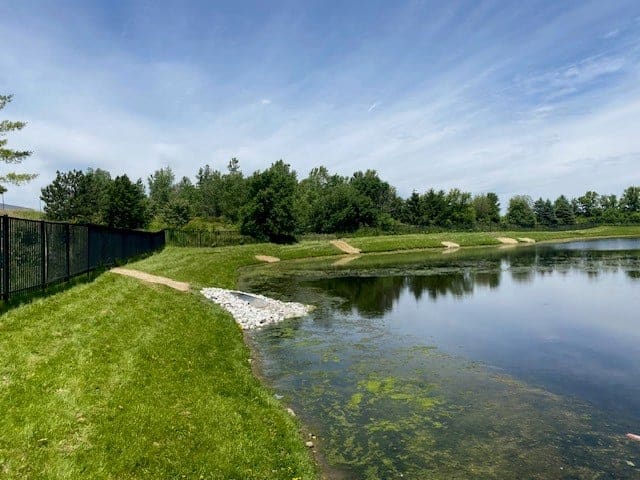
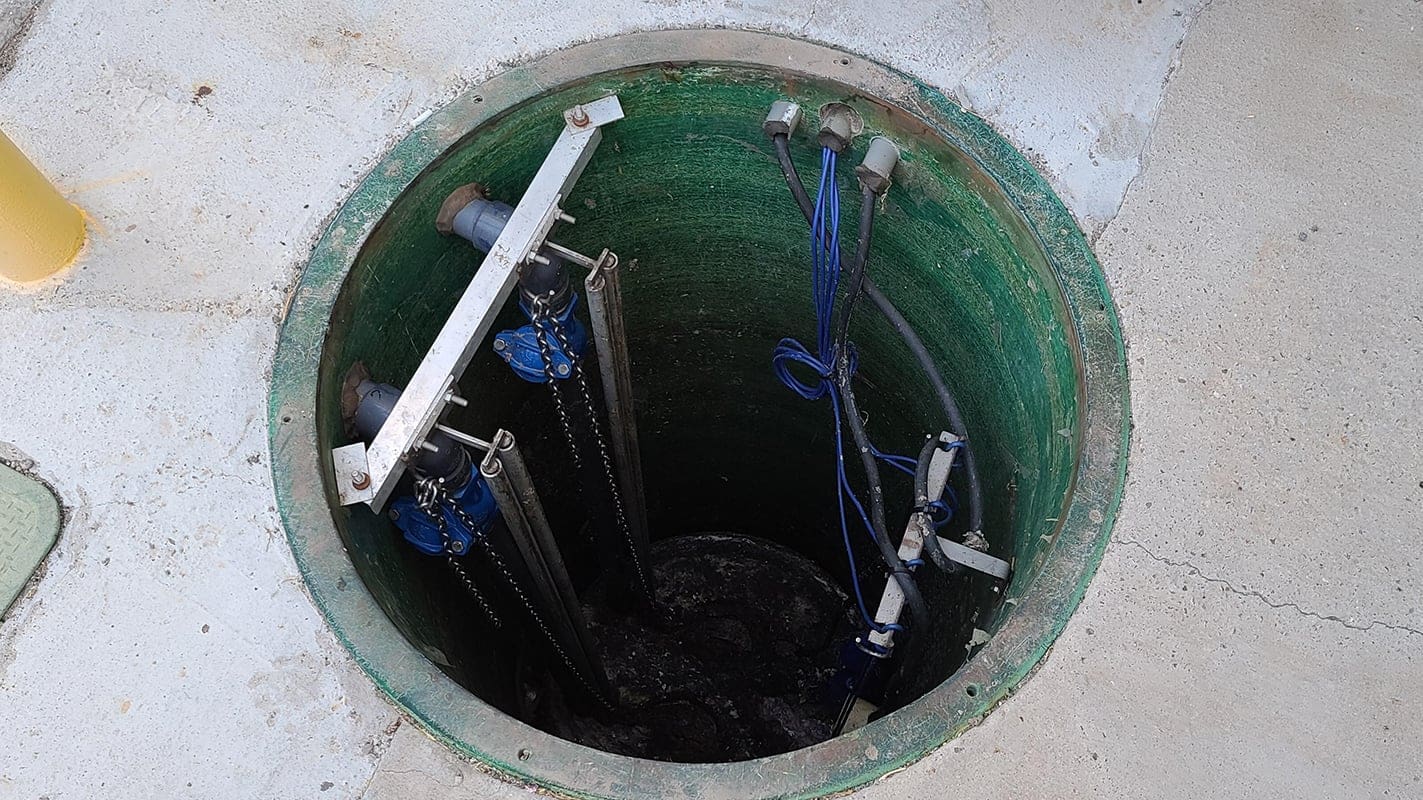
Stormwater compliance means meeting the federal, state and local regulations that govern how rainwater and snowmelt runoff is managed on your property. For most commercial, industrial and multifamily properties, compliance involves maintaining on-site stormwater infrastructure (ponds, catch basins, drainage pipes), meeting inspection requirements and keeping records that demonstrate your system is functioning correctly. The specific requirements depend on your state, municipality and the type of permit that applies to your property.
Why is stormwater maintenance important?
Who is responsible for stormwater compliance?
Can stormwater fees be reduced?
The information on this page is provided for general informational purposes only and is not legal advice. Regulations change frequently — AQUALIS makes no warranty as to the accuracy or completeness of this content, and any reliance on it is at your own risk. Consult a qualified professional or your local regulatory authority to confirm requirements applicable to your specific property.