

Last Updated 08/13/2026
Excerpt from Stormwater Ordinance
Sec. 17-95. – Monitoring stormwater discharges associated with industrial activity, including construction activity.
(a) The City shall be permitted to enter and inspect facilities subject to regulation under this article as often as may be necessary to determine compliance with this ordinance. If a discharger has security measures in force which require proper identification and clearance before entry into its premises, the discharger shall make the necessary arrangements to allow access to representatives of the authorized enforcement agency.
(b) Facility operators shall allow the City ready access to all parts of the premises for the purposes of inspection, sampling, examination and copying of records that must be kept under the conditions of an NPDES permit to discharge stormwater, and the performance of any additional duties as defined by state and federal law.
(c) The City shall have the right to set up on any permitted facility such devices as are necessary in the opinion of the City to conduct monitoring and/or sampling of the facility’s stormwater discharge.
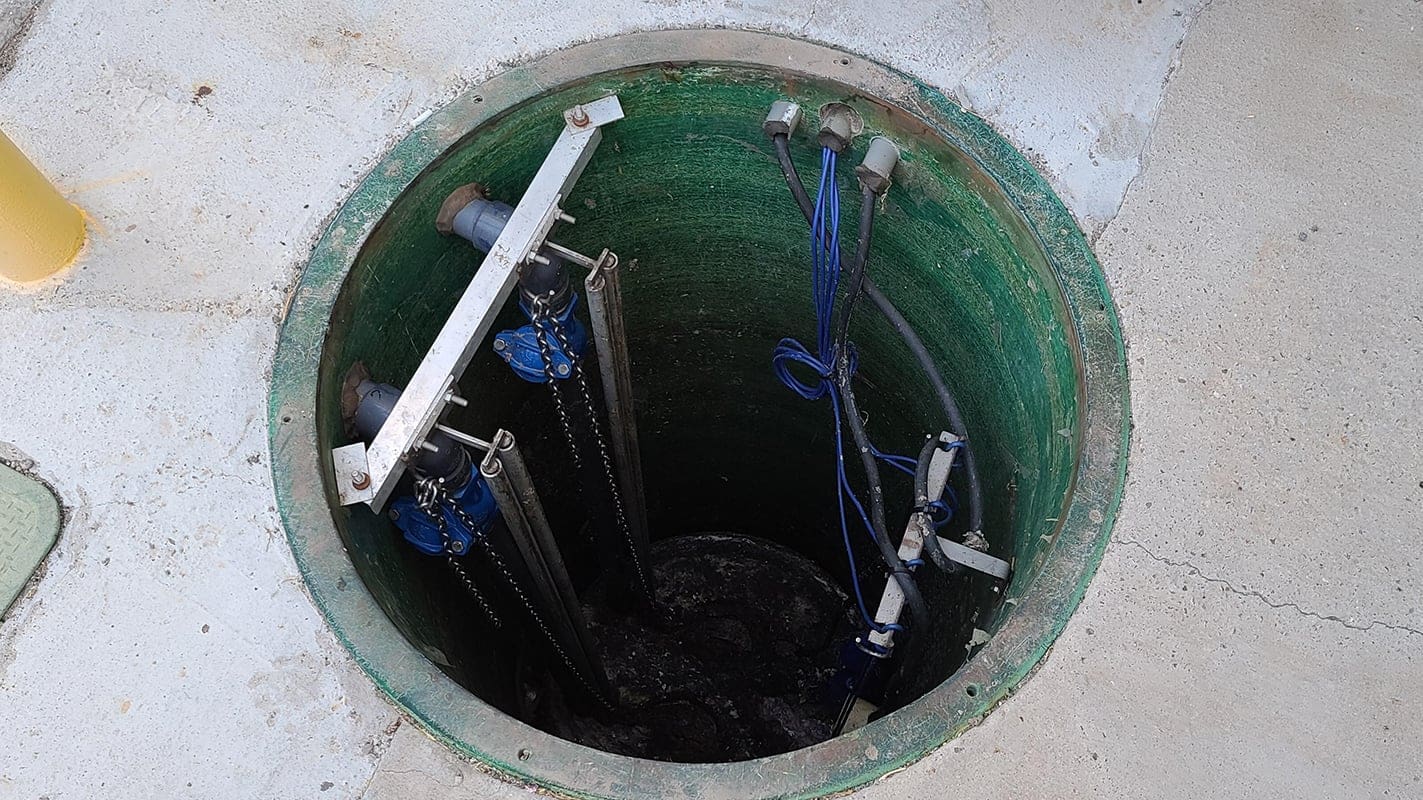
(d) The City has the right to require the discharger to install monitoring equipment as necessary. The facility’s sampling and monitoring equipment shall be maintained at all times in a safe and proper operating condition by the discharger at its own expense. All devices used to measure stormwater flow and quality shall be calibrated to ensure their accuracy.
(e) Any temporary or permanent obstruction to safe and easy access to the facility to be inspected and/or sampled shall be promptly removed by the operator at the written or oral request of the City and shall not be replaced. The costs of clearing such access shall be borne by the operator.
(f) Unreasonable delays in allowing the City access to a permitted facility is a violation of a stormwater discharge permit and of this ordinance. A person who is the operator of a facility with an NPDES permit to discharge stormwater associated with industrial activity commits an offense if the person denies the City reasonable access to the permitted facility for the purpose of conducting any activity authorized or required by this ordinance.
(g) If the City has been refused access to any part of the premises from which stormwater is discharged, and he/she is able to demonstrate probable cause to believe that there may be a violation of this ordinance, or that there is a need to inspect and/or sample as part of a routine inspection and sampling program designed to verify compliance with this ordinance or any order issued hereunder, or to protect the overall public health, safety, and welfare of the community, then the City may seek issuance of a search warrant from any court of competent jurisdiction.
Sec. 17-96. – Requirement to prevent, control, and reduce stormwater pollutants by the use of best management practices.
The City will adopt requirements identifying Best Management Practices for any activity, operation, or facility which may cause or contribute to pollution or contamination of stormwater, the storm drain system, or waters of the U.S. The owner or operator of a commercial or industrial establishment shall provide, at their own expense, reasonable protection from accidental discharge of prohibited materials or other wastes into the municipal storm drain system or watercourses through the use of these structural and non-structural BMPs. Further, any person responsible for a property or premise, which is, or may be, the source of an illicit discharge, may be required to implement, at said person’s expense, additional structural and non-structural BMPs to prevent the further discharge of pollutants to the municipal separate storm sewer system. Compliance with all terms and conditions of a valid NPDES permit authorizing the discharge of stormwater associated with industrial activity, to the extent practicable, shall be deemed compliance with the provisions of this section. These BMPs shall be part of a stormwater pollution prevention plan (SWPP) as necessary for compliance with requirements of the NPDES permit.
(Ord. No. 9542-04, §§ I, II)
Sec. 17-99. – Enforcement.
(a) Whenever the City finds that a person has violated a prohibition or failed to meet a requirement of this article, the authorized enforcement agency may order compliance by written notice of violation to the responsible person. Such notice may require without limitation:
- The performance of monitoring, analyses, and reporting;
- The elimination of illicit connections or discharges;
- That violating discharges, practices, or operations shall cease and desist;
- The abatement or remediation of stormwater pollution or contamination hazards and the restoration of any affected property; and
- Payment of a fine to cover administrative and remediation costs; and
- The implementation of source control or treatment BMPs.
(b) If abatement of a violation and/or restoration of affected property is required, the notice shall set forth a deadline within which such remediation or restoration must be completed. Said notice shall further advise that, should the violator fail to remediate or restore within the established deadline, the work will be done by the City or a contractor and the expense thereof shall be charged to the violator.
(Ord. No. 9542-04, §§ I, II)
Sec. 17-100. – Appeal of notice of violation.
Any person receiving a notice of violation may appeal the determination of the City. The notice of appeal must be received within ten (10) days from the date of the notice of violation. Hearing on the appeal before the City or his/her designee shall take place within fifteen (15) days from the date of receipt of the notice of appeal. The decision of the City or their designee shall be final.
(Ord. No. 9542-04, §§ I, II)
View State Page
Frequently Asked Questions
Can a South Bend inspector deny access to a facility for stormwater monitoring?
No, not without consequence. Facility operators have to give the city ready access to every part of the premises for inspection, sampling, examination and record review, and any temporary or permanent obstruction blocking that access has to be removed promptly at the operator’s own expense. Unreasonable delays in granting access are themselves treated as a separate violation of both the facility’s NPDES permit and the city’s ordinance.
Can the City of South Bend install its own monitoring equipment on a private facility?
Yes. The city can set up devices on any permitted facility to conduct its own monitoring or sampling of stormwater discharge, and it can also require the facility operator to install monitoring equipment. Whatever equipment is in place, whether the city’s or the operator’s, has to be maintained in safe, proper working condition and calibrated for accuracy, with the operator bearing that maintenance cost.
What can a South Bend notice of violation actually require a property owner to do?
More than just a fine. A notice can direct the responsible party to perform monitoring and reporting, eliminate an illicit connection or discharge, cease a violating practice immediately, restore any affected property, pay administrative and remediation costs, and implement specific source control or treatment BMPs. If restoration is required and the deadline in the notice passes without action, the city can perform the work itself through a contractor and bill the violator for the expense.
What happens if a South Bend property is denied entry to a facility during a suspected violation?
The city can seek a search warrant from a court if it can show probable cause that a violation exists, or that inspection is needed as part of a routine compliance program or to protect public health and safety. That means refusing entry doesn’t stop an investigation, it just adds a legal step before the city can proceed.
How do I appeal a notice of violation in South Bend?
The appeal has to be filed within 10 days of the notice date, and a hearing before the city or its designee takes place within 15 days of that appeal being received. The resulting decision is final, so there’s a fairly compressed window to challenge a finding compared to some neighboring jurisdictions that allow 30 days or more.
The information on this page is provided for general informational purposes only and is not legal advice. Regulations change frequently — AQUALIS makes no warranty as to the accuracy or completeness of this content, and any reliance on it is at your own risk. Consult a qualified professional or your local regulatory authority to confirm requirements applicable to your specific property.