
Last Updated 04/12/2026
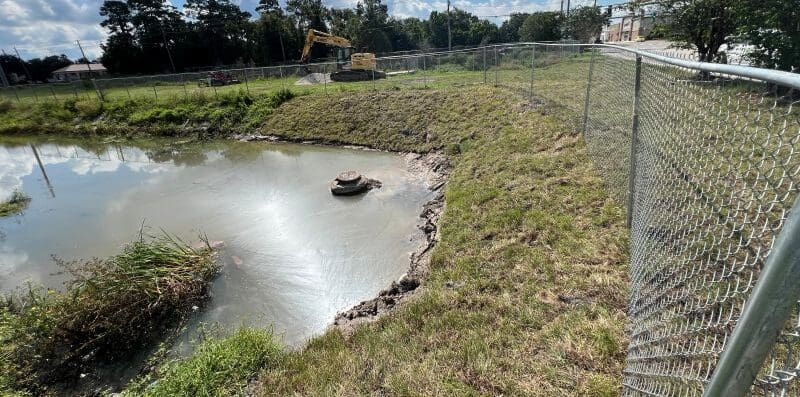
The City of Tallahassee has enacted a Stormwater Ordinance in order to establish minimum stormwater management requirements and controls to protect and safeguard the general health, safety, and welfare of the public residing in watersheds within this jurisdiction. The City of Tallahassee is the permitting authority for all land disturbing activities and requires the land owner to maintain all on-site stormwater control facilities and all open space areas (e.g. parks or “green” areas) required by the approved stormwater control plan. The City of Tallahassee will only provide construction permits to projects that establish a plan to manage stormwater runoff occurring during the construction process. The City of Tallahassee, under the NPDES program, also has the authority to inspect properties for noncompliance and can issue a notice of violation (NOV) for any deficiency or infraction onsite. Property owners are responsible for the maintenance of any stormwater facilities or practices located on the property. The City of Tallahassee has the authority to inspect stormwater facilities and practices in order to ascertain that they are properly maintained and functioning.
The National Pollutant Discharge Elimination System (NPDES) Stormwater Program regulates point source discharges from three potential sources: Municipal Separate Storm Sewer Systems (MS4s), construction activities and industrial activities. The NPDES Stormwater Program in Tallahassee is responsible for the development, administration and compliance of rules and policy to minimize and prevent pollutants in stormwater discharges. Operators of these sources may be required to obtain an NPDES permit before they can discharge stormwater.
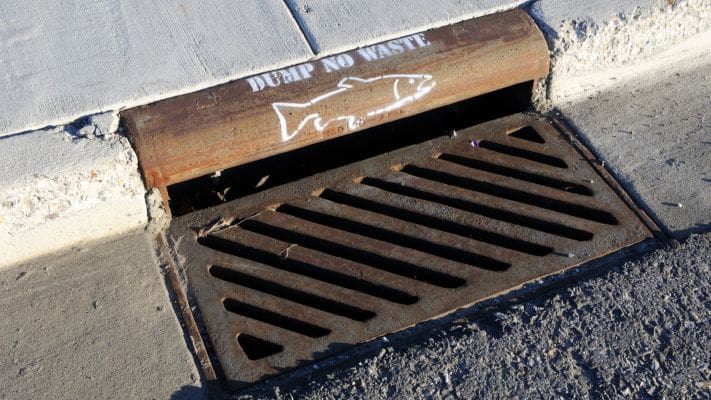
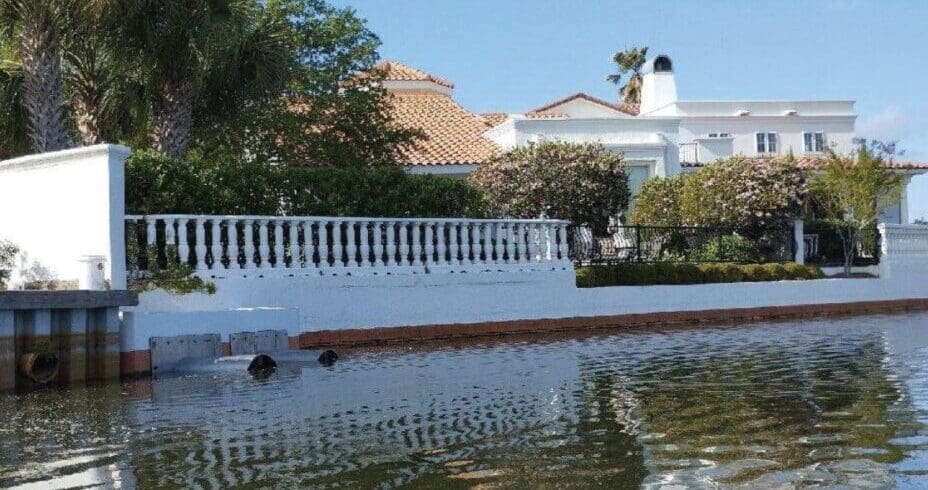
Stormwater runoff is generated from rain events that flow over land or impervious surfaces, such as paved streets, parking lots and building rooftops, and does not soak into the ground. The runoff picks up pollutants like trash, chemicals, oils, and dirt/sediment that can harm our rivers, streams and lakes. To protect these resources, municipalities, construction and industries activities, and others use stormwater controls, known as Best Management Practices (BMPs), to manage their runoff. The implementation of these practices, which include BMP design, performance and adaptive management requirements, prevent pollution by controlling it at its source.
Operation & Maintenance Plan
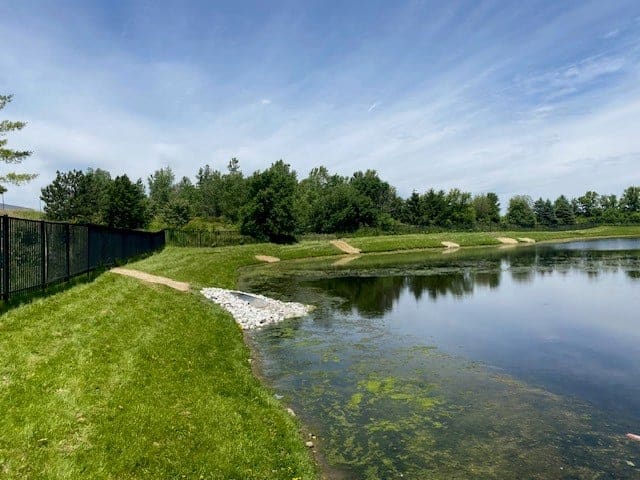
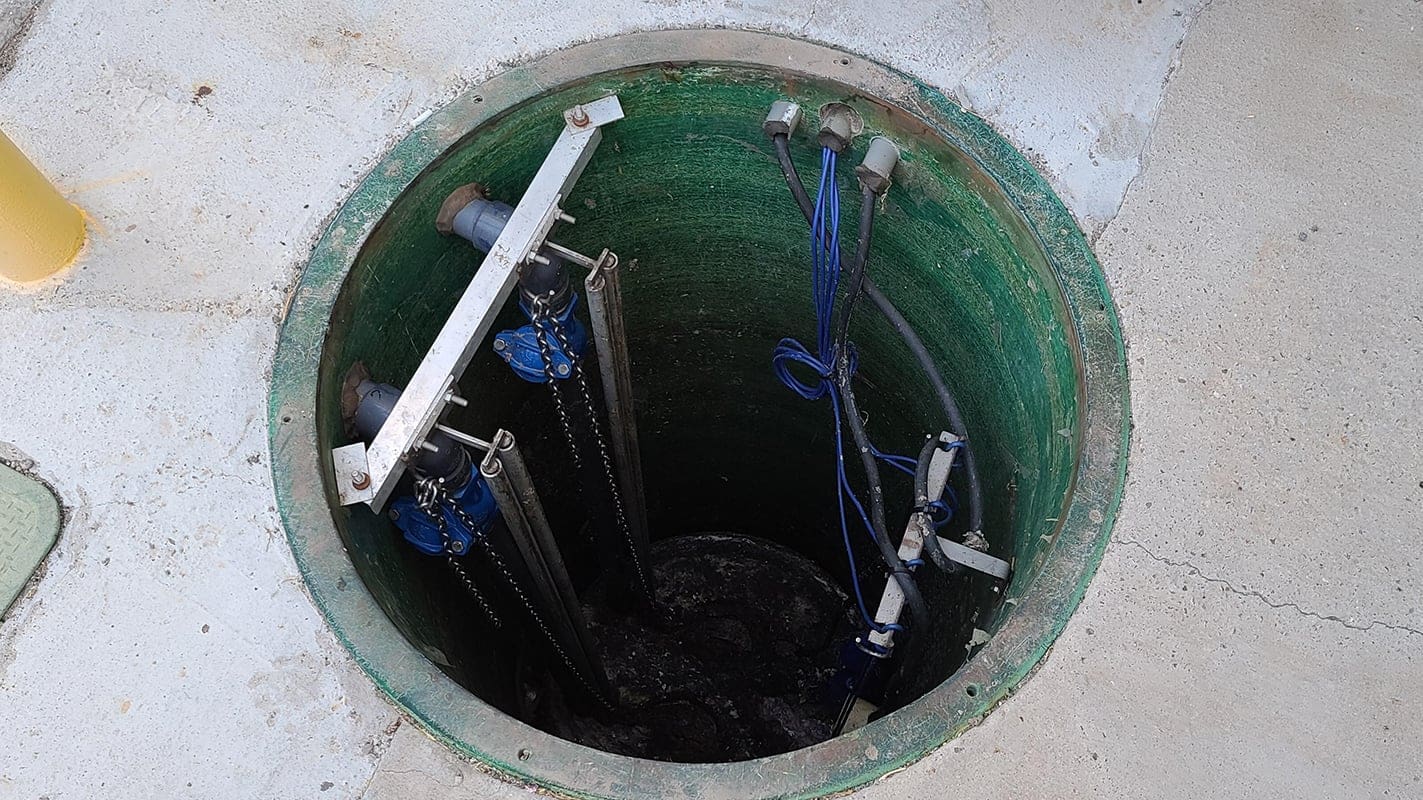
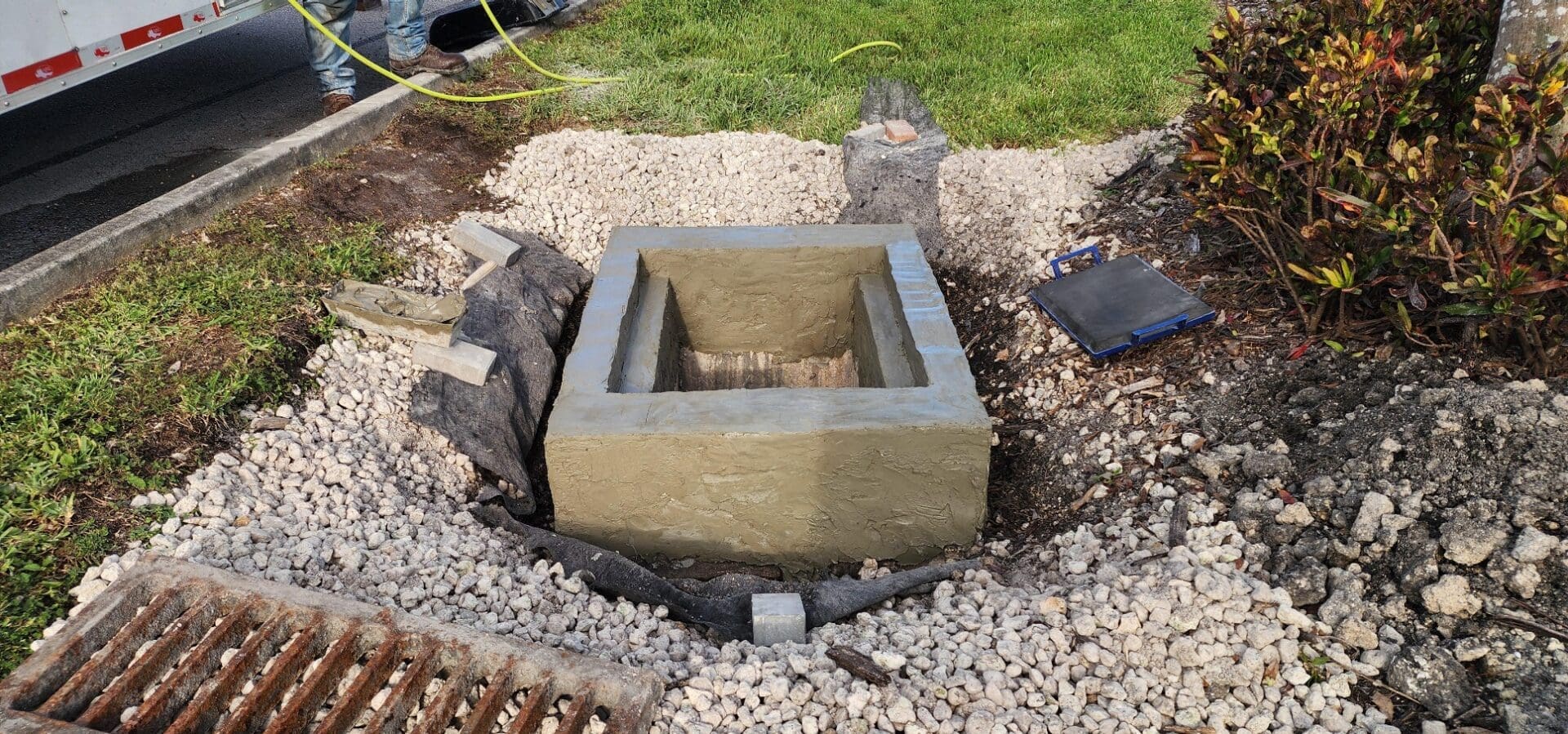
The Operation and Maintenance Plan outlines the specific operating procedures including routine maintenance consisting of mowing, cleaning of any structures or components of the conveyance system in which the runoff is carried and/or treated, and all other activities required to ensure that the facility performs as it was designed. It also includes estimates for the annual maintenance and any long-term maintenance that may be required, such as the replacement of a sand filter.
Responsibility
Although the Growth Management Department will assist in every way possible to determine the cause(s) of a stormwater management system deficiency, it remains the responsibility of the owner, and owner’s designated agent, to inspect and maintain the facility and to immediately undertake any corrective measures necessary to ensure the facility continues to function properly. Constant attention to, and maintenance of, these facilities reduces the number of deficiencies determined by City inspectors.
Renewals & Fees
The Operating Permit is valid for three years from the date of its issuance, or subsequent renewal, and fees allow for the annual inspection of the facility by the Growth Management Department. Growth Management will notify the property owner, or designated agent of record, several months in advance of the renewal deadline. Changes in ownership, or designated agent, should be reported to Growth Management as soon as possible to ensure timely notification of an impending renewal.
Annual Inspections
Facility inspections are performed, at least once annually, by the Growth Management Department. If deficiencies in maintenance or function are noted, the department will inform you in writing, of the required maintenance to restore proper function.
View State Page
Frequently Asked Questions
How do I know if my stormwater system is at risk in Tallahassee?
The usual signs still apply: standing water beyond 72 hours, erosion around structures, sinkholes or discolored discharge. In Tallahassee, the clearest early warning is a deficiency notice from the Growth Management Department, since the city inspects most stormwater facilities at least once a year and will inform an owner in writing if maintenance or function issues turn up. Constant attention between those inspections is what keeps a facility off that list in the first place, and it remains the owner’s responsibility to catch problems even though the department will help diagnose the cause.
How does stormwater compliance affect property value in Tallahassee?
Every stormwater facility here operates under a three-year Operating Permit that has to be renewed, and lapses or unresolved deficiencies tend to surface during a sale or refinance. Buyers and lenders increasingly ask for the current Operation and Maintenance Plan along with recent inspection history, so a property with routine mowing, structure cleaning and documented upkeep looks meaningfully different to due diligence than one that’s been coasting toward its next renewal deadline.
How often does Tallahassee require stormwater inspections?
At least once a year, the Growth Management Department inspects a property’s stormwater facilities to confirm they’re operating as designed. Those inspections tie directly to the three-year Operating Permit cycle, and the city sends renewal notice several months ahead of the deadline. Any change in ownership or designated agent should be reported promptly so that notice reaches the right person.
What are the most common stormwater violations in Tallahassee?
Most findings trace back to routine upkeep that fell behind: uncut vegetation, sediment buildup in a conveyance system, structures that weren’t cleaned on schedule, or components like a sand filter overdue for replacement. None of it usually starts as a serious problem. It’s the kind of maintenance gap that shows up during an annual inspection and turns into a written deficiency notice if it isn’t addressed.
What happens if a Tallahassee inspection finds a deficiency in my stormwater system?
The Growth Management Department will notify the owner in writing of what needs correcting to restore proper function. The city will help identify the cause where it can, but responsibility for the fix, and for keeping the facility running as designed going forward, stays with the owner or their designated agent. AQUALIS helps property owners respond to these notices quickly and get ahead of the next annual inspection so a deficiency doesn’t become a pattern.
The information on this page is provided for general informational purposes only and is not legal advice. Regulations change frequently — AQUALIS makes no warranty as to the accuracy or completeness of this content, and any reliance on it is at your own risk. Consult a qualified professional or your local regulatory authority to confirm requirements applicable to your specific property.