
Last Updated 07/23/2026
Excerpt from Vancouver Municipal Code
Chapter 14.09 STORMWATER MANAGEMENT – REGULATIONS AND CHARGES
14.09.020 Stormwater Management
Pursuant to Chapter 35.67 RCW, the city of Vancouver water and sewer utility establishes provisions for storm and surface water management. Such provisions shall give the utility authority and responsibility for carrying out the comprehensive stormwater plan, including responsibility for planning, design, construction, maintenance, administration and operation of all city stormwater facilities, as well as establishing standards for design, construction and maintenance of improvements on private property where these may affect stormwater management
14.09.030 Ownership of city stormwater facilities and assets
Title and all other incidents of ownership of the following assets are vested in the water and sewer utility:
All properties, interests, and physical and intangible rights of every nature owned or held by the city, however acquired, insofar as they relate to or concern storm or surface water runoff.
14.09.035 Inspection and approval
All work done under a permit issued pursuant to this chapter shall be subject to the inspection and approval by the director or designee, and the work shall not be deemed completed until it has been inspected and approved as satisfactory.
14.09.050 Surface water program and stormwater capital plan
The stormwater capital plan shall be reviewed and updated by staff periodically as necessary to meet the needs of the system and returned for public hearing and may then be added to or amended. Such plan provides a practical and reasonable means to relieve the stormwater flooding issues in the city, and to preserve the integrity of the city’s water supply, to protect its wastewater collection and treatment system, and to prevent surface water quality degradation.
14.09.060 Rates for storm and surface water management
A. Monthly Charges
Because all real property in the city contributes stormwater runoff to and/or benefits from the city’s stormwater system, the owners thereof shall pay monthly charges as set forth in this section. Monthly charges will have two components as follows:
1. Operation and Maintenance. To provide for administrative and field operations, billing, accounting, and for the maintenance, repair and upgrade of existing stormwater facilities.
2. Capital Expenditures. To provide for basin-wide and system master planning and subsequent capital improvement projects as identified in the stormwater capital plan.
B. Effective January 1, 2026
The water and sewer utility is authorized to establish charges for the use and discharge to the city’s stormwater system. Such charges shall be based on the cost of providing stormwater service to all properties within the city and may be different for properties receiving different classes of service. Monthly charges shall be established as follows as of January 1, 2026:
| Single-Family | Commercial/Multifamily |
|---|---|
| $17.69 per month | $17.69 per 2,500 sq. ft. hard surface per month ($17.69 minimum) |
C. State Highway Charge
D. Application to Publicly Owned Properties.
Other publicly owned properties shall be charged at the industrial rate as set forth herein.
E. Application to Active Gravel Mining Operations and Publicly Owned Streets, Alleys and Rights-of-Way
Active gravel mining operations, publicly owned streets, alleys and rights-of-way shall be charged at the state highway charge rate provided in subsection C of this section.
F. Application to Certain Qualifying Properties
For qualifying properties meeting all of the following criteria, the monthly charge shall be 30 percent of the charge provided in subsection B of this section.
1. The qualifying property is subject to a stormwater management program regulated by and in compliance with the requirements for a Phase 1, Phase 2, or secondary permittee as defined by Special Condition S6 of the NPDES Western Washington Phase II Municipal Stormwater Permit, and as hereafter amended; and
2. The qualifying property does not discharge stormwater into the city’s surface water drainage system; and
14.09.100 Credits allowed
A reduction in the rates described herein may be granted for the following reasons and purposes:
A. Multifamily, commercial and industrial accounts may receive a 50 percent rate reduction if the affected property either meets or exceeds the water quantity and water quality requirements established by the Stormwater Manual or city ordinance, whichever is more restrictive, applicable to civil plan approval of new development or redevelopment. In order to be eligible for such discounts, an applicant must submit the following:
1. Stormwater quantity and quality facilities site plan; and
2. Report prepared by a professional registered civil engineer verifying by appropriate calculations that the facilities meet or exceed the requirements of the Stormwater Manual applicable to civil plan approval of new development or redevelopment.
3. Documentation that an existing water quality or quantity facility is properly maintained in accordance with the applicable requirements of the Stormwater Manual as defined in VMC 14.25.105. Failure to provide documentation demonstrating proper maintenance may result in revocation of credits.
B. Properties with facilities that provide water quality treatment to publicly owned property or right-of-way and which have been identified in the surface water program as facilities of basin or system-wide importance may be eligible for a percentage reduction in the surface water charge.
C. Accounts identified for special rates in VMC 14.09.060(C), (E) and (F) shall not be eligible for additional credits allowed herein.
D. Properties relying on city- or Clark County-owned or maintained stormwater facilities for water quality or quantity treatment shall not be eligible for credits.
E. Rainwater Harvesting Credits. Pursuant to RCW 35.67.020, accounts not eligible for any other credit allowed herein shall be eligible for a 10 percent reduction in the monthly charge for any new or remodeled commercial building that utilizes a permissive rainwater harvesting system. Rainwater harvesting systems shall be properly sized to utilize the available roof surface of the building(s). The reduced rate shall apply only to the portion of the site impervious area draining to the rainwater harvesting system.
View State Page
Frequently Asked Questions
What is stormwater compliance in the City of Vancouver?
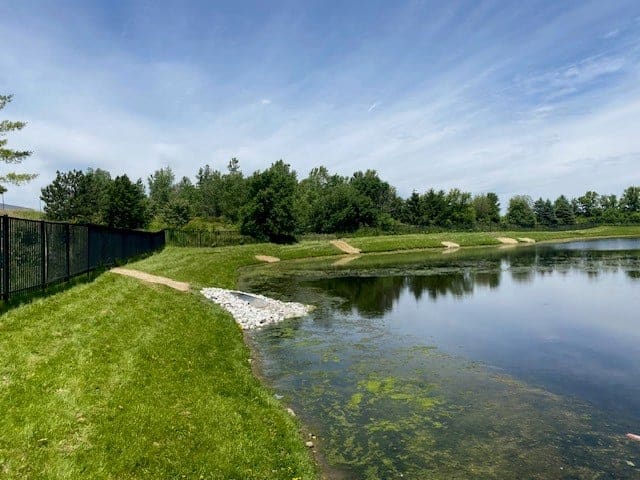
Stormwater compliance in Vancouver means following the City’s stormwater ordinances, which set minimum requirements for managing runoff from your property. The City is the permitting authority for all land disturbing activities and will only issue construction permits to projects with an approved plan to manage stormwater runoff. Once construction is complete, property owners are responsible for maintaining all on-site stormwater facilities required by that plan.
Vancouver’s compliance obligations go beyond construction. The City’s Water Resources Protection Ordinance prohibits discharges of contaminants to surface water and groundwater from existing development and requires certain operations to implement best management practices at all times. The City operates under the Western Washington Phase II NPDES Municipal Stormwater Permit and can inspect properties and issue a Notice of Violation for any deficiency found on site.
Who is responsible for stormwater compliance in Vancouver?
Property owners are responsible for maintaining all on-site stormwater control facilities and open space areas required by their approved stormwater control plan. The City’s Stormwater Control Ordinance and land use process are the mechanisms used to identify maintenance responsibilities and inspection authority for privately owned stormwater facilities.
For businesses and industries, the Water Resources Protection Ordinance places additional obligations on any operation that has the potential to generate pollutants. The City maintains an inventory of these sites and inspects them on a set schedule to verify source control practices are in place and working. If your business handles hazardous materials or is located near one of the City’s water stations, you may also be subject to greater compliance standards under Special Protection Area requirements.
AQUALIS can manage your stormwater maintenance and source control obligations on your behalf.
Why is stormwater maintenance especially important in Vancouver?
Vancouver sits entirely within a Critical Aquifer Recharge Area. The city’s drinking water comes almost entirely from the Troutdale Aquifer, which has been federally designated as a Sole Source Aquifer supplying over 99 percent of drinking water consumed in western Clark County. This means that stormwater runoff in Vancouver does not just affect local streams and rivers — it can reach the groundwater that supplies the region’s drinking water.
The City maintains close to 5,000 drywells and infiltration trenches, many in place for over 40 years, that drain stormwater directly into the ground. When these systems are not maintained, contaminated runoff can infiltrate to shallow groundwater and eventually reach Burnt Bridge Creek, Columbia Slope springs, and the aquifer itself. This elevated risk is why Vancouver’s source control requirements apply to existing development, not just new construction, and why the City actively inspects commercial and industrial operations throughout the year.
What are the most common stormwater compliance failures in Vancouver?
Based on AQUALIS’s inspection experience and Vancouver’s ordinance requirements, these are the issues we see most often.
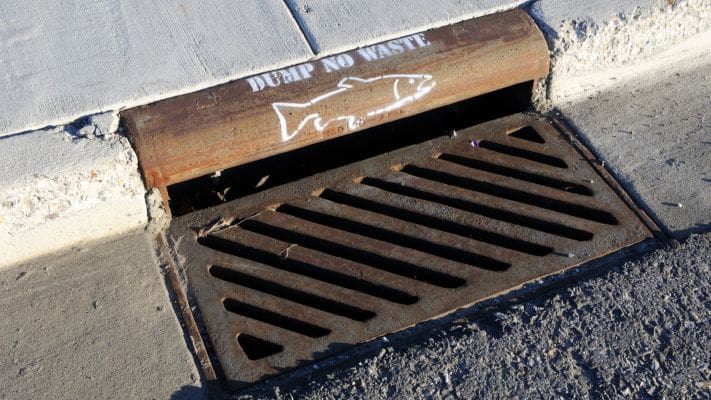
Illicit discharges to the storm drain or groundwater. Vancouver Municipal Code Chapter 14.26 prohibits discharge of contaminants to all water resources, including groundwater. Given the City’s reliance on groundwater for drinking water, the City actively investigates complaints and conducts dry weather outfall inspections to identify illicit discharges. Businesses that handle chemicals, fuels, or other hazardous materials are particularly at risk if source controls are not properly implemented.
Source control BMPs not in place for existing operations. The City inspects commercial and industrial sites on a set schedule regardless of whether a complaint has been made. Businesses without documented operational BMPs for activities that could generate pollutants are frequently found out of compliance during these routine visits.
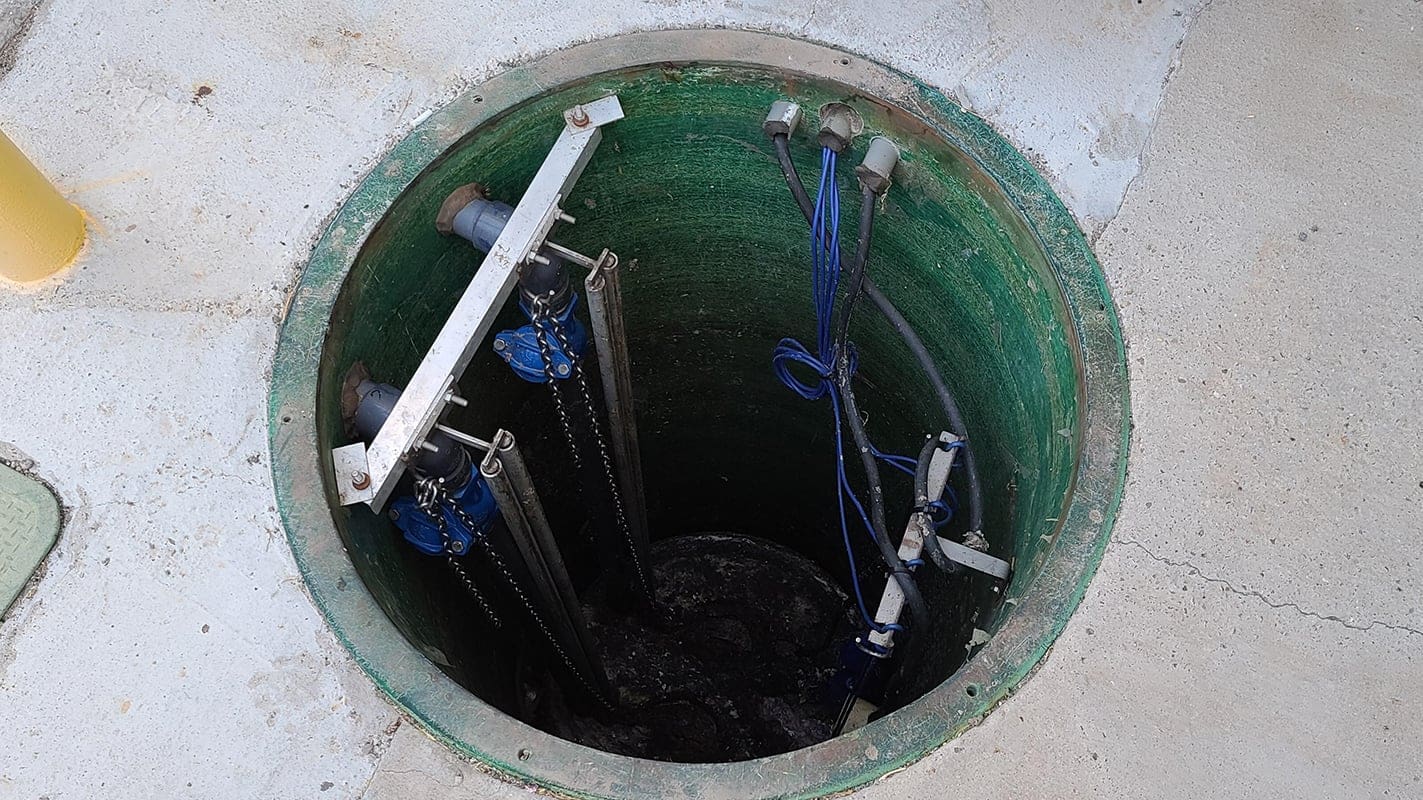
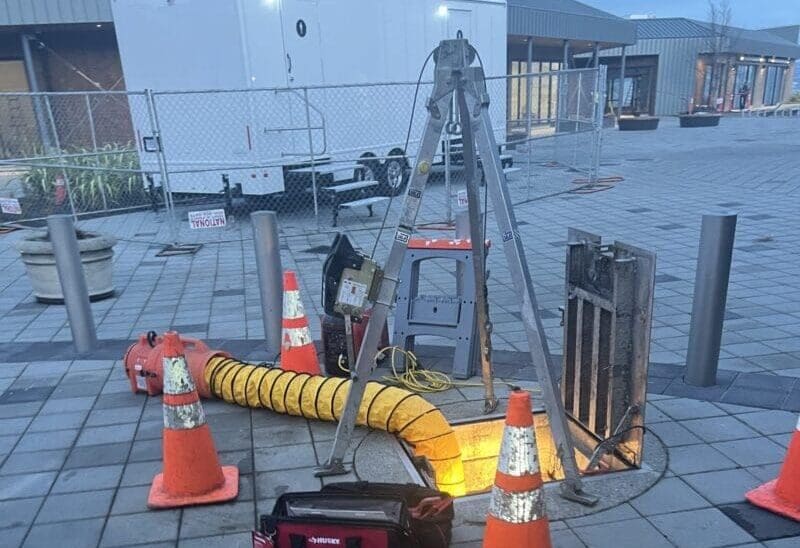
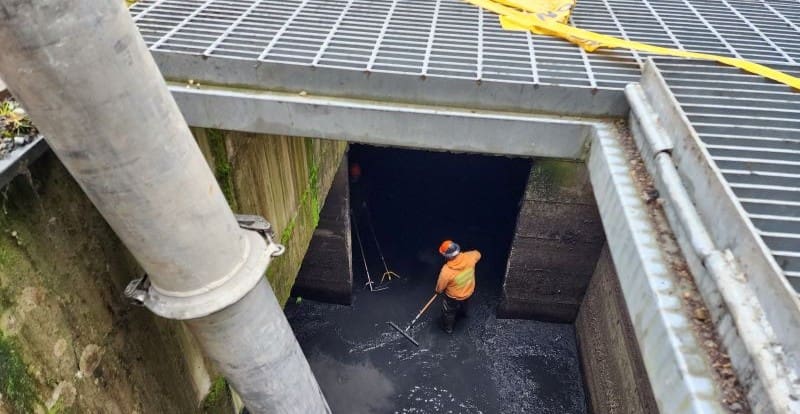
Drywells and infiltration systems not maintained. Vancouver’s extensive network of private drywells requires regular inspection and cleaning. Drywells that have lost infiltration capacity allow runoff to back up or overflow, creating both a property maintenance problem and a compliance issue under the UIC program.
What happens if the City finds an illicit discharge from my property?
Vancouver’s illicit discharge program is active and well-resourced. The City operates a hotline for community members to report suspected discharges, conducts outfall inspections throughout the year, and targets dry weather screening specifically to identify non-stormwater discharges entering the system.
When an illicit discharge is identified, the City’s response follows an escalating enforcement process. Education and technical assistance are offered first. If those measures do not resolve the problem, the City can pursue legal action under Vancouver Municipal Code Chapter 22. When discharges contribute to violations of state water quality standards, the Washington State Department of Ecology is also notified, which can trigger additional state enforcement.
If you become aware of a spill or discharge from your property that may have reached the storm drain or any water resource, contacting the City proactively and taking immediate containment action is strongly recommended. AQUALIS can assist with spill response and documentation.
How do I know if my Vancouver stormwater system is at risk of failure or safety violation?
Watch for these warning signs.
Your property is on the City’s source control inspection list. Vancouver maintains an inventory of commercial and industrial sites with potential to generate pollutants and inspects them regularly. If your business handles chemicals, fuels, food waste, vehicle fluids, or similar materials and you have not been visited by a City inspector, it does not mean you are not on the list.
Your drywells or infiltration facilities are not draining. Given Vancouver’s reliance on infiltration for stormwater management, a drywell or infiltration trench that is backing up or overflowing is both a maintenance failure and a potential groundwater contamination risk. The City inspects its own drywells regularly; private systems require the same attention.
Visible discharge or unusual water quality near your property. Discolored, oily, or odorous water near drainage outfalls or in adjacent waterways is a sign that contaminants may be reaching the stormwater system. The City actively monitors Burnt Bridge Creek and other receiving waters and traces pollution back to its source.
The information on this page is provided for general informational purposes only and is not legal advice. Regulations change frequently — AQUALIS makes no warranty as to the accuracy or completeness of this content, and any reliance on it is at your own risk. Consult a qualified professional or your local regulatory authority to confirm requirements applicable to your specific property.