

Last Updated 08/13/2026
Excerpt from City of West Linn Municipal Code
SURFACE WATER MANAGEMENT
4.070 Private Responsibilities.
(1) Storm drainage facilities to be managed by the person responsible include but are not limited to:
(a) A storm drainage facility not located on City owned property, City right-of-way, or City easement;
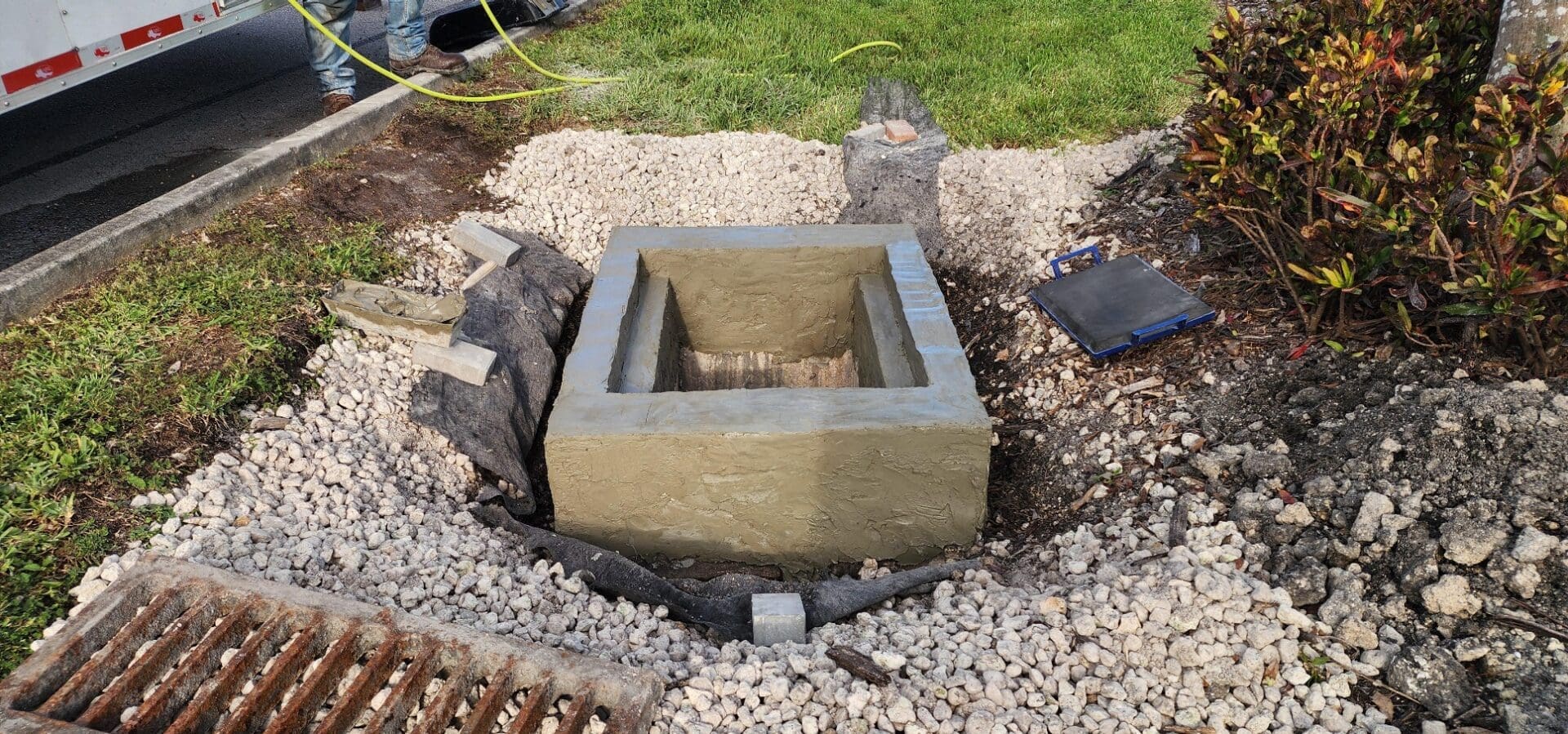
(b) A private parking lot storm drain;
(c) Any roof, footing, or area drain;
(d) A storm drainage facility not designed and constructed for use by the general public;
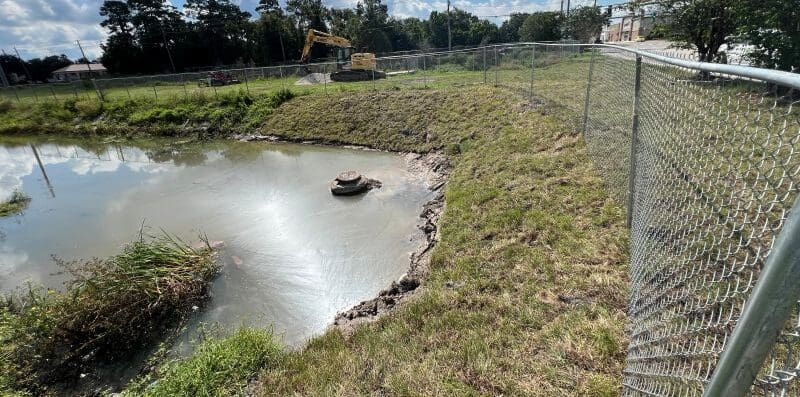
(e) An open drainageway;
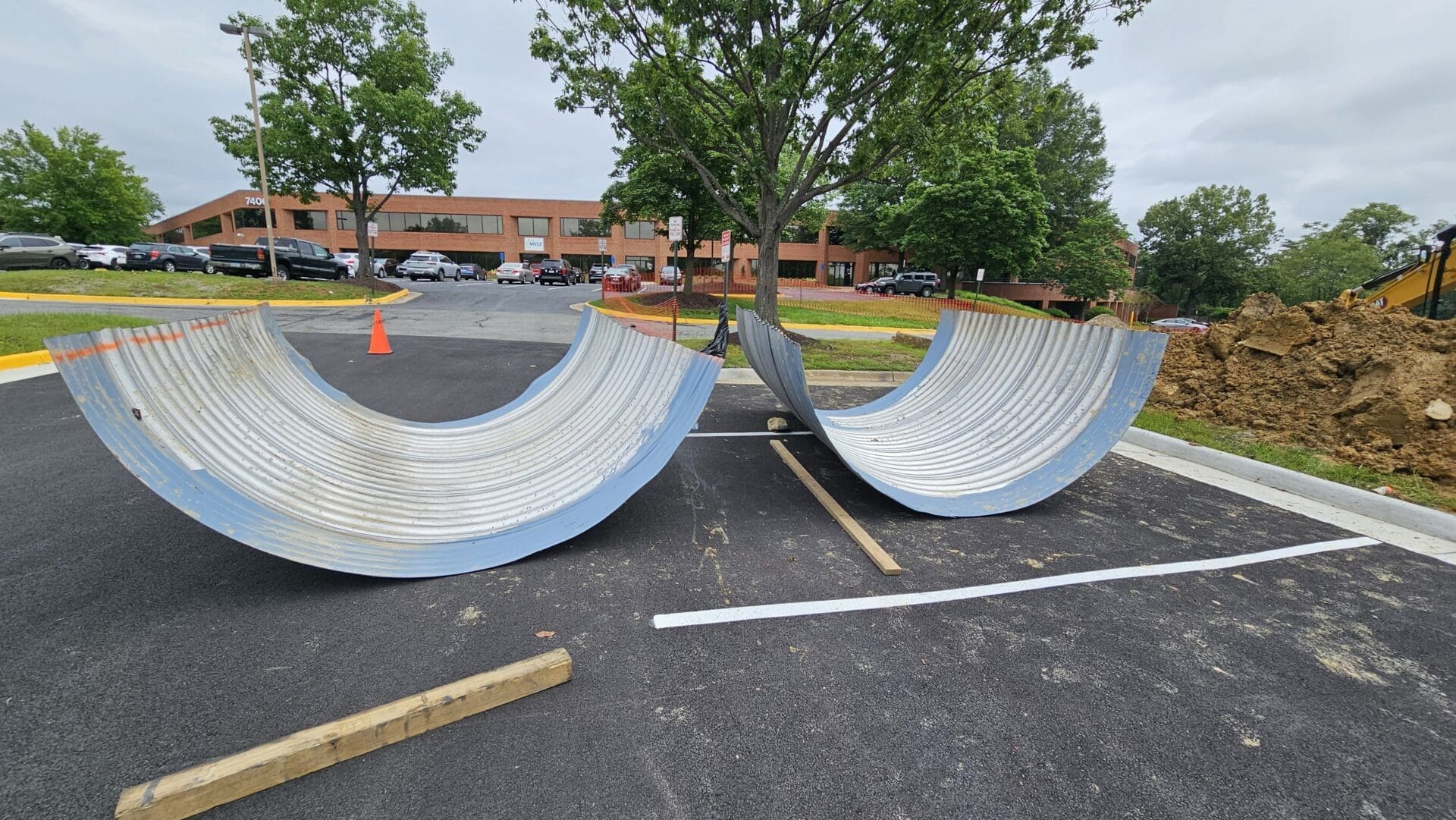
(f) Access drive culverts in the public right-of-way or on private property;
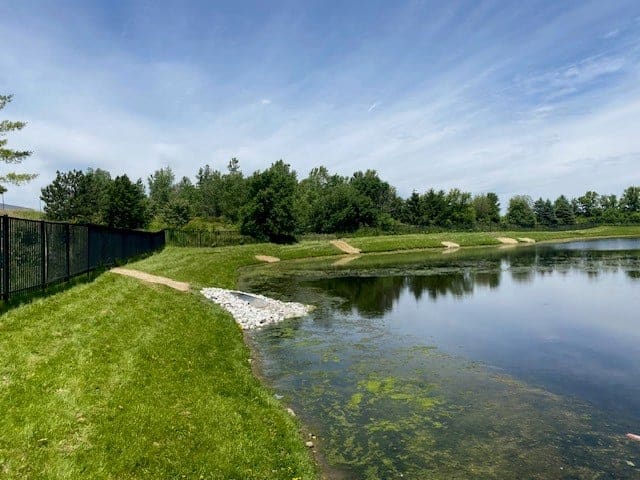
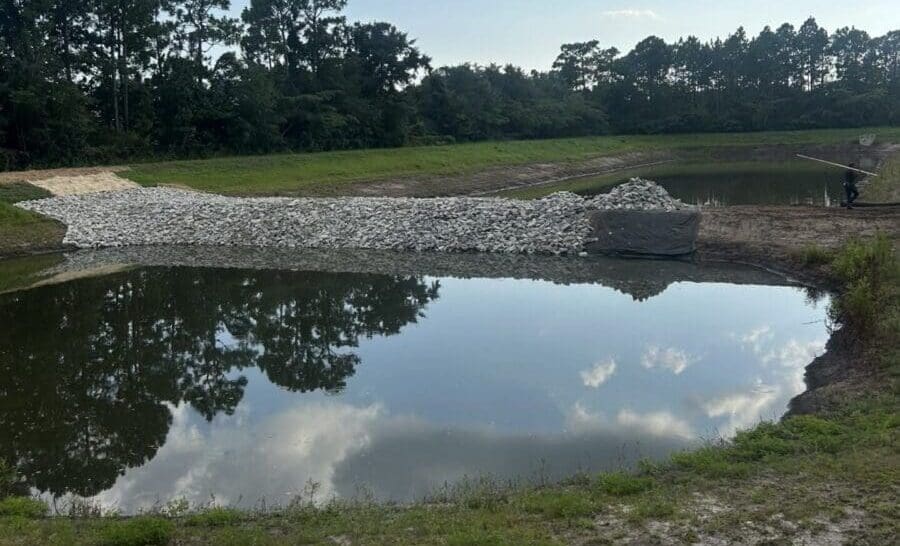
(g) A detention, retention or treatment system, in the construction of which the City did not financially participate.
(2) Any person responsible shall keep open drainageways on property which they possess or control cleared of debris and vegetation as required by Sections 5.400 to 5.430.
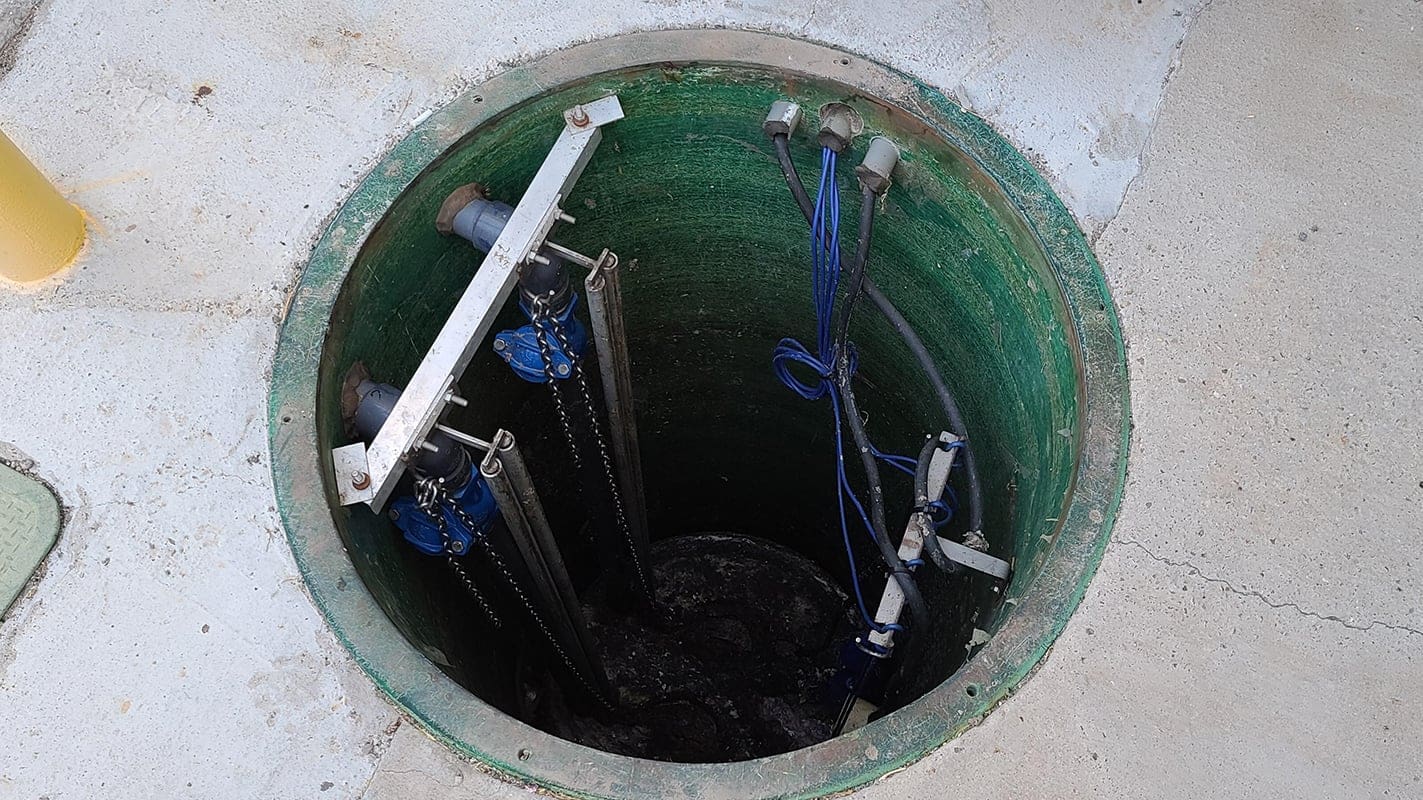
(3) Any person responsible for non-public storm treatment and detention facilities such as catch basins, manholes, filter systems, rain gardens, etc., shall enter into a maintenance agreement with the City, and maintain such facilities so as to prevent flooding or damage to other property not possessed or controlled by the person responsible and to prevent injury to any person or property not owned or controlled by the person responsible.
(a) The maintenance agreement shall be recorded in the deed records of Clackamas County, Oregon.
(4) Any person responsible shall not alter a detention, retention or treatment system from its original properly functioning condition or intended design without prior approval of the City Engineer.
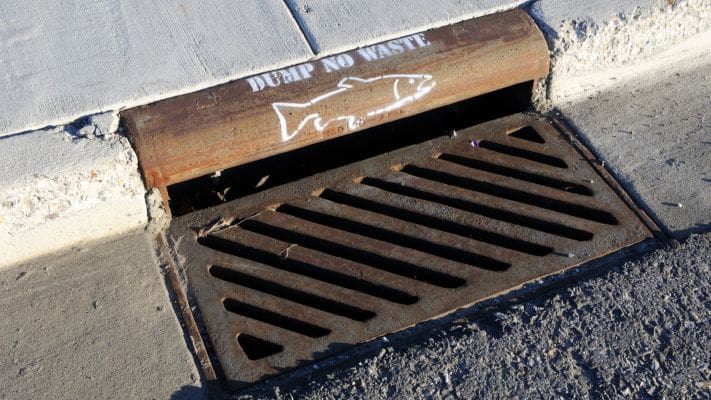
(5) Private parking lots and private streets must be swept or cleaned at least semi-annually. Prior to the sweeping or cleaning, bio-filter bags (or filter fabric inlet sacks) must be installed to prevent pollution during the maintenance effort from entering the City’s storm drainage system and impacting downstream water quality. The property owner or manager must certify every year through a cleaning contractor that the inspections and cleanings have been completed.
(6) The failure of any person responsible to comply with the obligations stated in subsection (1), (2), (3), (4) or (5) of this section is in violation.
(7) The conditions on private property which may result in situations proscribed by subsection (2), (3), (4) or (5) of this section are declared to be a danger to public health and safety and therefore are a nuisance to be abated as provided in Sections 5.400 to 5.430.
4.071 Stormwater Management Manual.
(1) The City Council, by resolution, may adopt and amend as needed the Stormwater Management Manual, to comply with the requirements of the Federal Clean Water Act, Safe Drinking Water Act, other Federal laws, State laws and regulations, and to protect public health, safety, and the environment.
(2) The Stormwater Management Manual establishes standards and guidelines for managing stormwater runoff to reduce pollutants from development.
(3) The City Engineer is delegated the authority to revise and update the Stormwater Management Manual as necessary based on:
(a) The most current Federal and State stormwater or water quality requirements; or
(b) Improvements in current industry practices; or
(c) Changes in best management practices.
(4) Public notice of revisions or updates shall be posted in City Hall 30 days prior to the effective date of the amendments.
(5) The City Engineer and the City’s Code Enforcement Officer are authorized to enforce all of the provisions of the Stormwater Management Manual. The City Engineer shall have the power to render written and oral interpretations and to adopt and enforce administrative procedures in order to clarify the application of the Stormwater Management Manual standards and guidelines. The City Engineer is authorized to issue stop work orders as needed in the enforcement of these standards.
(6) Any violation of the Stormwater Management Manual shall constitute a Class A violation and may be enforced in any manner authorized under the law, including through citation in accordance with Section 1.235. Each day that a violation exists is a separate violation.
(7) Any uncorrected violation of the Stormwater Management Manual shall constitute a nuisance and may be abated, in accordance with Section 5.495.
4.072 Charges for Storm Drainage Service.
(1) Except as the fees may be reduced under subsection (4) of this section, the obligation to pay storm drainage fees arises whenever there is a request for storm drainage service for an improved premises. Unless another person responsible has agreed in writing to pay and a copy of that writing is filed with the City, the person receiving the City’s water utility charge bill shall pay the storm drainage fees set by Council resolution. If there is no water service to the property or if water service is discontinued and the property is an improved premises, the storm drainage fees shall be paid by the person responsible for the property. The person required to pay the fee is hereafter referred to as the “customer.”
(2) The Council may by resolution establish fees and charges necessary to provide and operate a storm drainage system and service. When establishing the fees for storm drainage service the Council shall:
(a) Establish a monthly service rate for a structure on an individual lot which contains one, two or three dwelling units at the rate set for one ESU for each dwelling unit in the structure.
(b) Establish a monthly service rate for all customers not included in subsection (2)(a) of this section, which is calculated by dividing the total measured area of impervious surface by 2,914 square feet and rounding the result to the nearest whole number. The rate to be charged is this whole number multiplied by the rate set for one ESU.
(c) Establish a monthly service rate for manufactured home parks in the manner established by subsection (2)(b) of this section.
(d) Storm drainage fees shall be placed in the Environmental Services Fund. Any rate increase may not exceed five percent in any calendar year without voter approval. Any request for an increase shall be referred to the Utility Advisory Board for consideration and recommendation to the City Council. The rates for sewer service charges established by Section 4.005(12) and rates for storm drainage fees may be considered separately or in combination. The sum total increase that results from separate or combined consideration is the increase for the Environmental Service Utility system for the purpose of the five percent limitation of Section 44 of the City Charter. If considered separately the combined rate increase shall not exceed five percent in any calendar year without voter approval. If the Utility Advisory Board fails to refer a recommendation to the Council within 60 days of receipt of the request for consideration, the Council may consider the request without a Utility Advisory Board recommendation.
(3) (a) All improved premises, other than structures on individual lots with one, two or three dwelling units, existing on the effective date of this provision, have been individually evaluated and measured through the use of aerial photographs and computer analysis to establish square footage of impervious surface area. The results of this analysis are used in establishing monthly service rates.
(b) In circumstances where an analysis of impervious surface area does not exist, or is determined to be incorrect, the City may in its discretion use actual measurement or measurements from site plans approved by the City to determine the area of impervious surface.
(4) The City formerly issued storm water charge reductions/waivers to those demonstrating mitigation through on-site storm water facilities. Effective May 14, 2008, no new waivers will be issued. Approved waivers will remain valid but will not be transferable to new owners upon transfer of property ownership.
Excerpt from Operation and Maintenance for Private Property Owners
Inspection Schedule: How often?
It is recommended that you inspect your facility at least:
- Quarterly for the first two years
- Twice a year thereafter, and
- Within 48 hours of major rainfall events (more than one inch of rain over a 24-hour period). Some inspections are recommended more often, as noted in the following text.
For at least the first two years, you should conduct inspections with the facility drawings to help you understand how the facility is supposed to function. This section will help you recognize signs that indicate diminished performance (for example, sediment accumulation, vegetation die-off, or ponding water for more than 24 hours after a storm).
Inspection and Maintenance Logs
City Code requires you to keep inspection and maintenance logs for your facility. In general, the logs should note inspection dates, the facility components inspected, and any maintenance or repairs made. It is also a good idea to track the rate of sediment accumulation and record visual observations about the facility and its components. We encourage you to use the sample log on the following page. If you have a manufactured facility or have a maintenance contract with the manufacturer, assure that their maintenance logs generally include the same type of information and level of detail.
View State Page
Frequently Asked Questions
Which stormwater facilities am I responsible for maintaining in West Linn?
As the property owner, you’re responsible for storm drainage facilities that aren’t on city owned property, city right-of-way, or a city easement. This covers a wide range of features, including private parking lot storm drains, roof, footing, or area drains, open drainageways, access drive culverts, and any detention, retention, or treatment system the city didn’t help fund.
Do I need a maintenance agreement for my stormwater facility in West Linn, Oregon?
Yes, for non-public treatment and detention facilities like catch basins, manholes, filter systems, and rain gardens. You’ll need to enter into a maintenance agreement with the city and maintain the facility to prevent flooding or damage to other property, and to prevent injury to people or property you don’t own or control. This agreement gets recorded in the deed records of Clackamas County. AQUALIS can help property owners put together an agreement that meets the city’s requirements.
Do I need to sweep or clean my private parking lot in West Linn?
Yes, at least semi-annually. Before sweeping or cleaning, you need to install bio-filter bags or filter fabric inlet sacks to keep pollution generated by the cleaning from entering the city’s storm drainage system. You’re also required to certify every year, through a cleaning contractor, that the required inspections and cleanings have been completed.
What happens if I don't meet my stormwater maintenance obligations in West Linn?
Failing to meet these obligations is a code violation. Beyond that, conditions that result from failing to maintain, alter without approval, or fail to clean these facilities are formally declared a danger to public health and safety, and treated as a nuisance the city can act to abate.
How often should I inspect my stormwater facility in West Linn?
The city recommends inspecting quarterly for the first two years, twice a year after that, and again within 48 hours of any major rainfall event (more than one inch of rain in 24 hours). For at least the first two years, it helps to inspect alongside your facility’s design drawings so you understand how it’s meant to function, and to watch for signs of diminished performance like sediment buildup, dying vegetation, or water pooling more than 24 hours after a storm.
Do I need to keep an inspection log for my stormwater facility in West Linn, Oregon?
Yes. City code requires an inspection and maintenance log noting inspection dates, the components checked, and any maintenance or repairs performed. It’s also worth tracking sediment accumulation rates and general visual observations over time. If you use a manufactured facility with a maintenance contract, make sure the manufacturer’s logs cover this same level of detail. AQUALIS can help property owners in West Linn set up a logging system that meets this standard.
The information on this page is provided for general informational purposes only and is not legal advice. Regulations change frequently — AQUALIS makes no warranty as to the accuracy or completeness of this content, and any reliance on it is at your own risk. Consult a qualified professional or your local regulatory authority to confirm requirements applicable to your specific property.