


Last Updated 06/13/2026
Excerpt from West Palm Beach Municipal Code
Article V.- Stormwater Pollution Prevention
Sec. 90-203. – Prohibited discharges; illicit connections.
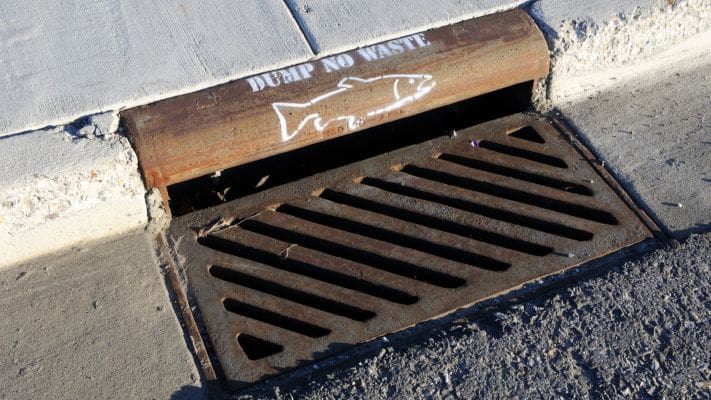
(a) General prohibition. Except as provided in section 90-205, and except pursuant to a valid NPDES permit, it shall be unlawful for any person to directly or indirectly deposit, discharge, spill, or dump into any of the public waters or municipal separate storm sewer system within the city, any substance other than that composed entirely of stormwater.
(b) Site of industrial activity. Except as provided in section 90-205, any direct or indirect discharge from a site of industrial activity to the separate storm sewer system owned by the city which does not comply with, or is not pursuant to, a valid NPDES permit is prohibited.
(c) Illicit connections. No person may maintain, use or establish any direct or indirect connection to the stormwater system that results in any discharge in violation of this article. This prohibition is retroactive and applies to connections made in the past, regardless of whether made under a permit, or other authorization, or whether permissible under laws or practices applicable or prevailing at the time the connection was made.
Sec. 90-206. – Monitoring and sampling; inspections.
An authorized official may make a lawful entry onto any property to establish devices necessary to conduct sampling or metering of discharges to the stormwater system and to conduct inspections to determine compliance with this article. The director or his designee, may require any person engaging in any activity which directly or indirectly affects the stormwater system, to undertake reasonable monitoring of any discharge to the stormwater system and to provide periodic reports to the director regarding such monitoring.
Sec. 90-207. – Enforcement; penalties.
(a) If the director or an authorized official determines that a discharge in violation of this article is occurring or has occurred, the director or authorized official may order the immediate cessation of such improper discharge.
(b) The provisions of this article may be enforced through any remedy available to the city in law or in equity, including injunctive relief. The city shall recover its court costs and a reasonable attorney’s fee in any legal proceedings commenced to enforce this article.
(c) Failure to comply with the requirements of this article shall constitute a violation of this article. Such violations shall, upon conviction, be punished as provided for in section 1-13.
View State Page
Frequently Asked Questions
How do I know if my stormwater system is at risk in West Palm Beach?
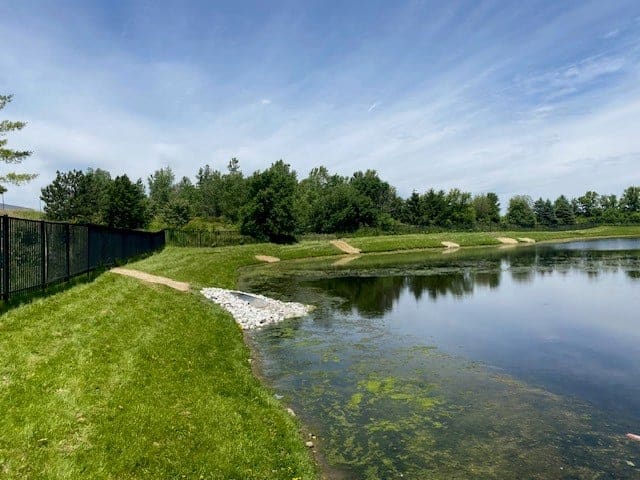
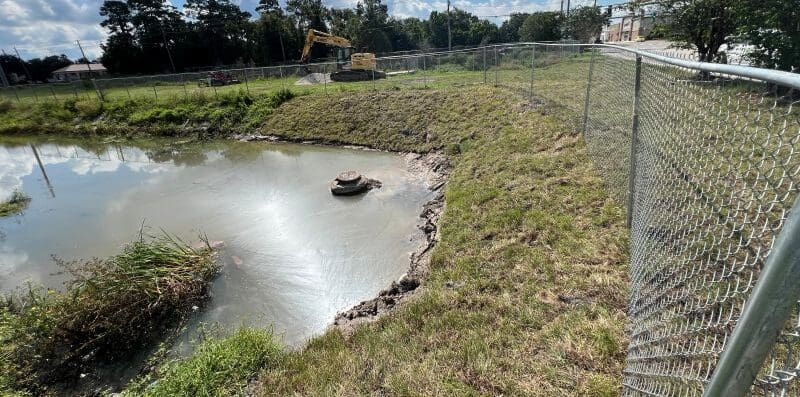
Watch for standing water that lasts more than 72 hours after a storm, erosion around pond banks, sinkholes near underground infrastructure or discolored discharge from outfall pipes. Missing records matter too: an unrecorded Operation and Maintenance Agreement or a lost inspection report is a compliance gap on its own. The city can inspect a property at any time under its municipal code, so new upstream development, aging infrastructure or an upcoming sale are all good reasons to get ahead of an assessment.
How does stormwater compliance affect property value in West Palm Beach?
Buyers and lenders increasingly request inspection reports and O&M documentation before closing on South Florida commercial properties, and a system with deferred maintenance or an open violation can slow a deal or its price. A history of flooding also affects insurability and appraised value. Deferred maintenance compounds quickly: a pond costing a few thousand dollars a year to maintain can run into the tens of thousands to dredge or rebuild once it’s neglected.
How often does West Palm Beach require stormwater inspections?
The city can inspect a property’s stormwater system at any time to confirm compliance, and most properties fall under at least an annual inspection cycle. Facilities under an active NPDES permit face added scrutiny before and after major storms, which matters given how often the region sees named storms and heavy summer rain. Properties with a violation history or those near sensitive waterways should expect closer oversight.
What are the most common stormwater violations in West Palm Beach?
The city’s code prohibits any discharge into the stormwater system other than stormwater, along with illicit connections, even ones made years ago. In practice, most violations AQUALIS sees are simpler than illegal dumping: overgrown vegetation, sediment buildup that eats into a pond’s capacity and debris-clogged inlets. Missing paperwork, like an unrecorded O&M agreement, can also trigger a finding even when the system itself is working fine.
What happens if my property is found in violation of West Palm Beach's stormwater ordinance?
The city can order an immediate stop to the discharge and pursue legal remedies, including injunctive relief, and can recover its court costs and attorney fees. Violations are punishable under the code’s general penalty provisions. Most cases trace back to an avoidable maintenance or records gap, and AQUALIS helps property owners resolve open violations and build a maintenance plan that prevents a repeat finding.
The information on this page is provided for general informational purposes only and is not legal advice. Regulations change frequently — AQUALIS makes no warranty as to the accuracy or completeness of this content, and any reliance on it is at your own risk. Consult a qualified professional or your local regulatory authority to confirm requirements applicable to your specific property.