

Last Updated XX/XX/XXXX
Stormwater Code: Excerpts from Cary, North Carolina, Code of Ordinances and Land Development Ordinance
4.2.5 Long‐Term Storm Water Management in New Development and Redevelopment
West Valley City implements a program that requires new developments and redeveloped sites, meeting the thresholds stated in the permit to address post-construction runoff.
4.2.5.1 Post Construction Controls
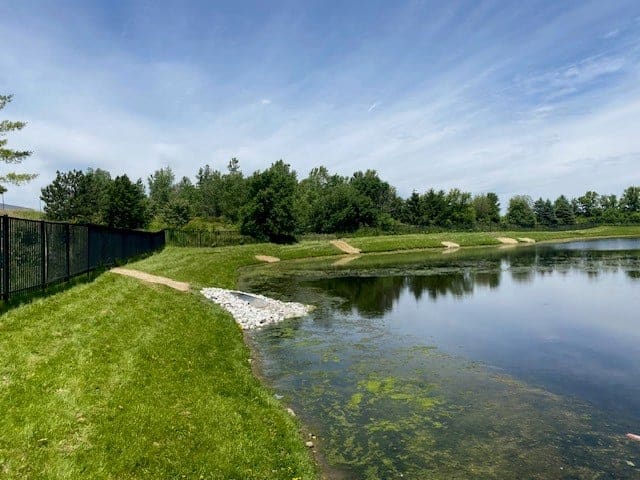
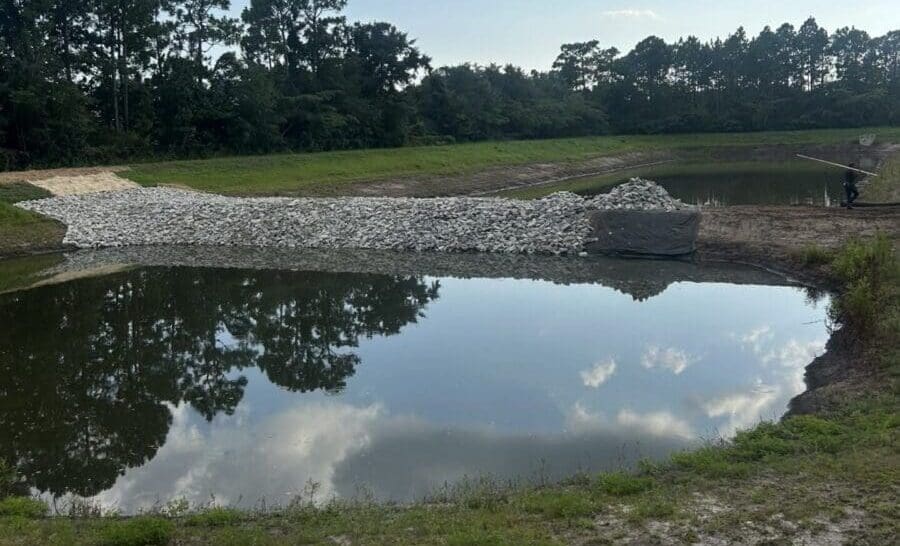
West Valley City Engineering Standards outline procedures for specific BMP selection, design, installation, operation, and maintenance requirements to meet the minimum performance measures. BMPs are selected to address pollutants discharged or anticipated to be discharged from each individual site.
- New Development/Redevelopment Non-Structural BMPs
- Retention Requirement
- Low Impact Development Approach
- Rainwater Harvesting
- Feasibility
4.2.5.2 Long‐Term Stormwater Ordinances and Enforcement Strategy
West Valley City requires long-term post-construction storm water controls be installed on new or redevelopment sites, meeting the one-acre threshold discussed in the MS4 permit. The ordinance requires BMP selection, design, installation, operation, and maintenance with the objective of protecting water quality and reducing the discharge of pollutants. When violations to the ordinance occur, the Escalating Enforcement procedures found in Appendix G are followed to regain compliance. These procedures may include citations, fees and/or requirements to correct deficiencies. West Valley City Code, Sections 18-9-113 through 18-9-116 and Sections 10-2 through 10-4 authorizes the use of these enforcement strategies.
- Sanctions for Violations: Steps to impose sanctions against violations of the West Valley City Code are found in the Escalating Enforcement Procedures located in Appendix G. These steps range from verbal warnings to civil, criminal, and/or other legal remedies to bring a violation into compliance. Recalcitrant or chronic violators of city code will have imposed escalating fines and/or other legal remedies until compliance is achieved.
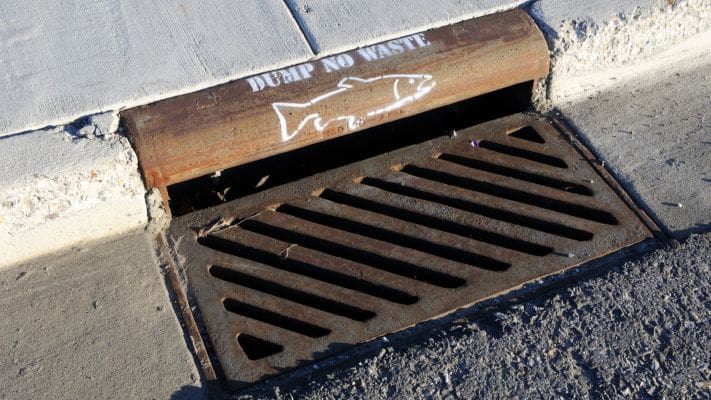
- BMP Selection: Part 4 of the Engineering Standards require new development and redevelopment projects to submit a drainage report. A requirement of the drainage report is to address how water quality is protected and how pollutant discharge to the MS4 is reduced.
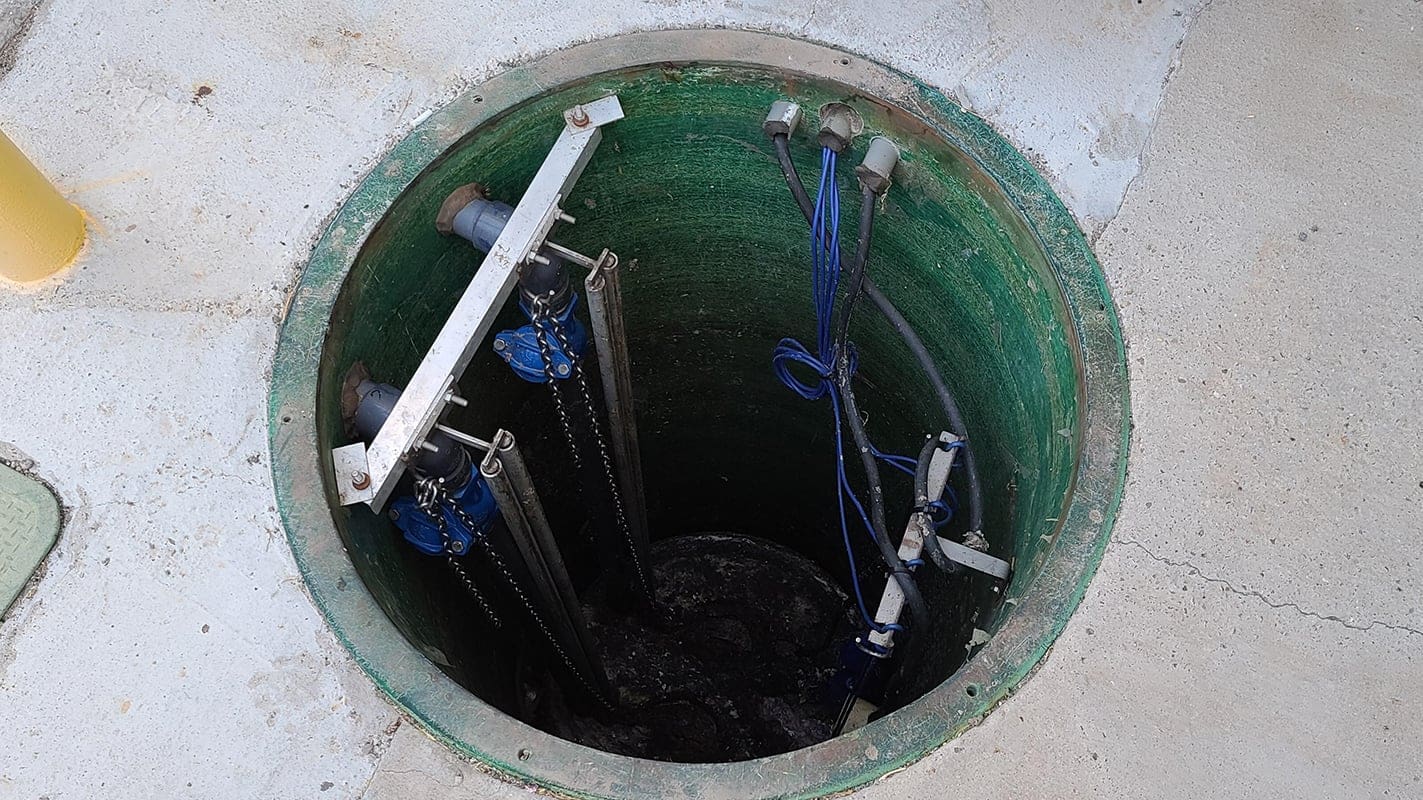
Long-term BMPs are inspected by the city in an annual inspection. SOPs for the inspection of long-term BMPs are found in the appendix to this document. - Long Term Management Permit Inspection Access: Long Term Storm Water Management Permits are issued by West Valley City for new and redeveloped sites. Language in the issued permits and city ordinance gives West Valley City Inspectors the authority to inspect the storm drain infrastructure on private property.
- Permanent Structural BMP Inspection During Installation: The assigned city inspector will verify, through inspection, at least once before closing out a construction permit, that long-term BMP’s were constructed as designed.
- Inspection of Long-Term BMPs: Inspections of long-term BMP’s constructed on sites with a Long-Term Storm Water Management Permit are conducted at least every other year (normally annually). Inspections are completed in Cityworks. Escalating enforcement procedures (included in Appendix G of this SWMP) are used to ensure enforcement of the Long-Term Storm Water Management Permit ma
4.2.5.4. Post‐Construction Inventory
An inventory is maintained of all post-construction structural storm water control measures installed and implemented at new development and redevelopment sites that disturb greater than or equal to one acre, including projects less than one acre that are part of a larger common plan of development or sale which collectively disturbs land greater than or equal to one acre. This inventory includes both public sites and private sector sites.
View State Page
Frequently Asked Questions
What is stormwater compliance in West Valley City?
Stormwater compliance in West Valley City means following the City’s stormwater ordinance and its Long-Term Storm Water Management Program, which requires new development and redevelopment sites that meet the one acre disturbance threshold to address post-construction runoff through approved BMPs. The program also applies to projects disturbing less than one acre that are part of a larger common plan of development or sale that collectively disturbs one acre or more.
The City issues a Long-Term Storm Water Management Permit for qualifying sites. That permit gives City inspectors the authority to access and inspect stormwater infrastructure on private property, and the City maintains an inventory of all qualifying post-construction stormwater controls throughout the city. Property owners with facilities in that inventory are subject to periodic inspections and enforcement.
Who is responsible for stormwater BMP maintenance in West Valley City?
Property owners are responsible for the operation and maintenance of all long-term stormwater BMPs installed on their sites under a Long-Term Storm Water Management Permit. The City’s Engineering Standards outline specific requirements for BMP selection, design, installation, operation, and maintenance, and those standards apply throughout the life of the facility.
BMPs must be selected to address the specific pollutants discharged or anticipated from each individual site. This is not a one-size-fits-all requirement. The drainage report submitted at the time of development approval identifies what the BMPs are required to address, and ongoing maintenance must keep them functioning to that standard. AQUALIS can manage your BMP maintenance obligations and keep your facilities in the condition the City expects to find during inspections.
How often does West Valley City inspect stormwater BMPs?
West Valley City inspects long-term BMPs at least every other year, and normally on an annual basis. Inspections are completed in Cityworks, the City’s tracking system. The City also inspects BMPs at least once before closing out a construction permit to verify they were built as designed.
Because the City maintains a post-construction inventory of all qualifying sites, your property is already on the City’s schedule if a Long-Term Storm Water Management Permit was issued for your development. AQUALIS recommends keeping your BMPs in good working order year-round so that any inspection can be completed without findings or follow-up enforcement.
How do I know if my West Valley City stormwater system is at risk of failure or safety violation?
Watch for these warning signs.
Your project disturbed one acre or more and you are unsure whether a Long-Term Storm Water Management Permit was issued. If qualifying work was done without the required permit, that is a compliance gap. The City maintains an inventory of qualifying sites and will identify facilities that should have permits but do not.
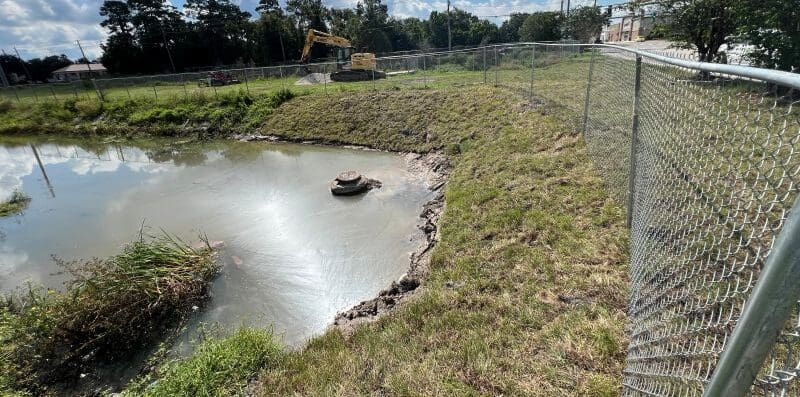
Your BMPs are not functioning as designed. The City’s inspections evaluate whether BMPs are performing to the standard required by your permit and Engineering Standards. Sediment accumulation, clogged inlets, failing vegetation, and structural deterioration are all findings that trigger escalating enforcement.
You have received a violation notice and have not responded. West Valley City uses escalating enforcement procedures that move from verbal warnings through citations and fines to civil and criminal remedies for chronic or recalcitrant violators. Each step in that process escalates if the previous one does not produce compliance.
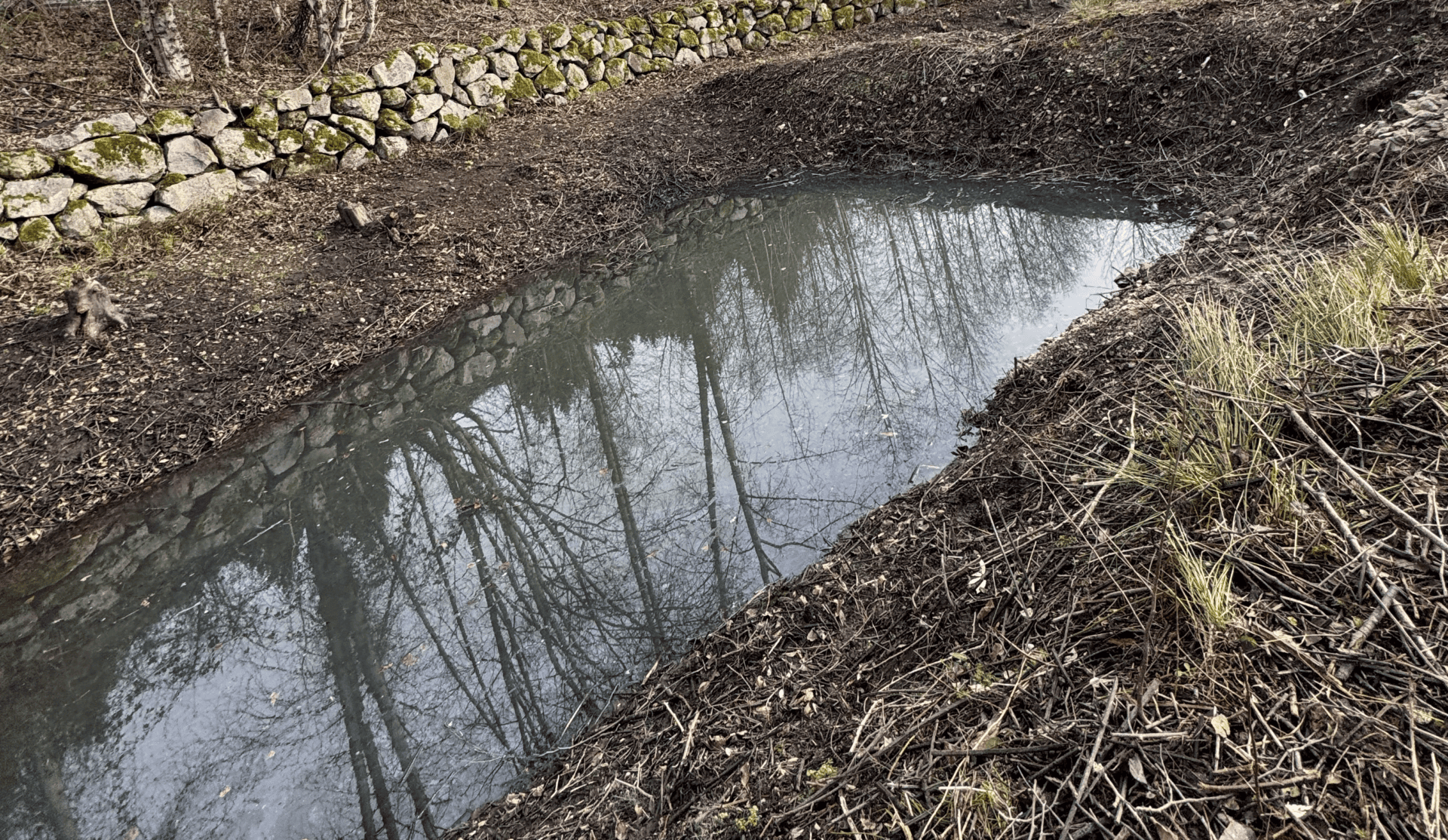
Water is not draining after rain. Standing water beyond the expected performance of your BMP type suggests the facility is not meeting its design standards and will likely be flagged during the next City inspection.
Recent property purchase. Long-term stormwater obligations in West Valley City follow the property. If you recently acquired a site with stormwater BMPs and are unsure what permit conditions apply or what the City’s inspection history shows, AQUALIS can assess the current condition of your facilities and help you get ahead of any compliance issues.
The information on this page is provided for general informational purposes only and is not legal advice. Regulations change frequently — AQUALIS makes no warranty as to the accuracy or completeness of this content, and any reliance on it is at your own risk. Consult a qualified professional or your local regulatory authority to confirm requirements applicable to your specific property.