


Last Updated 08/10/2026
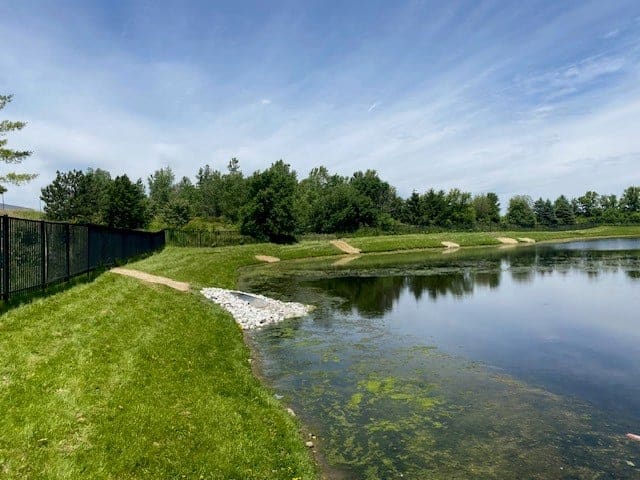
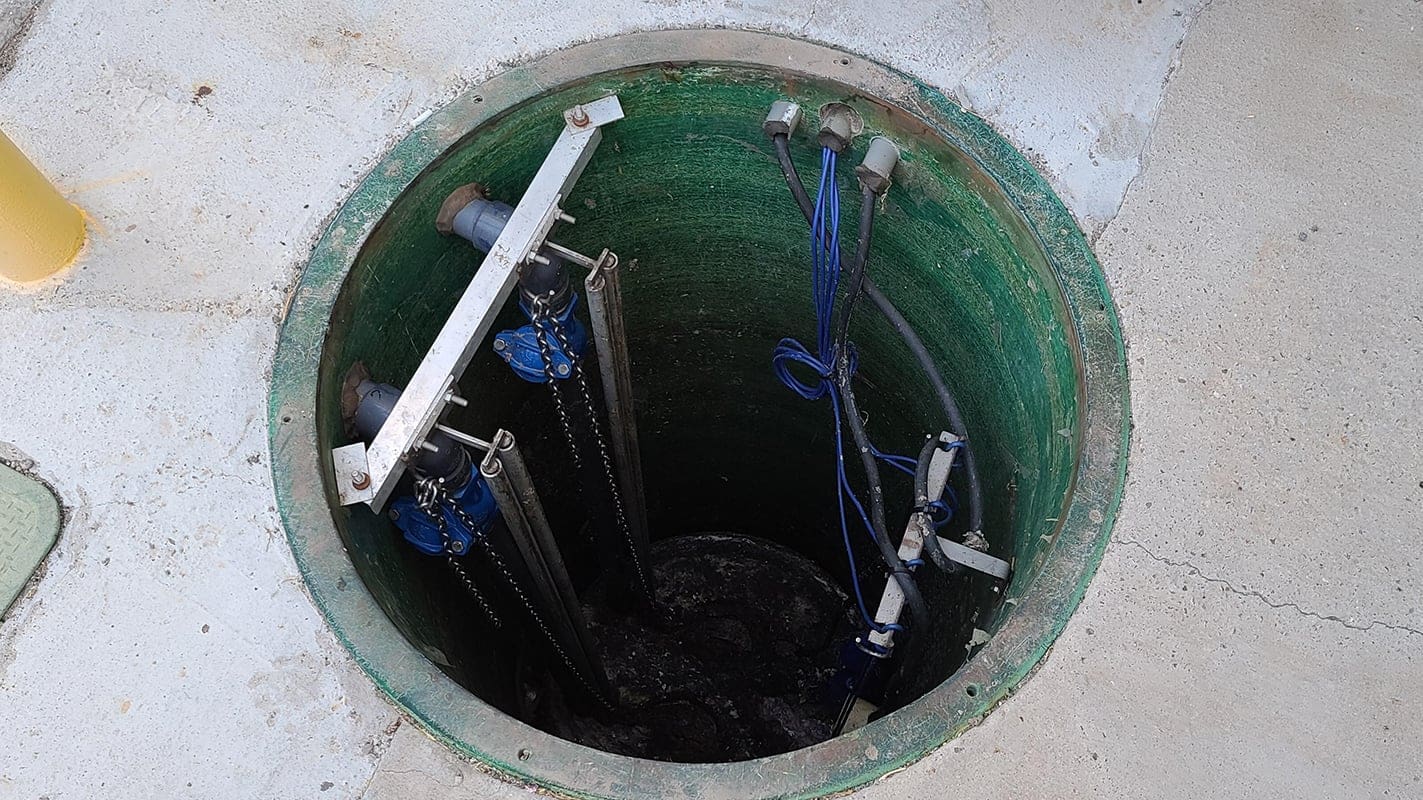
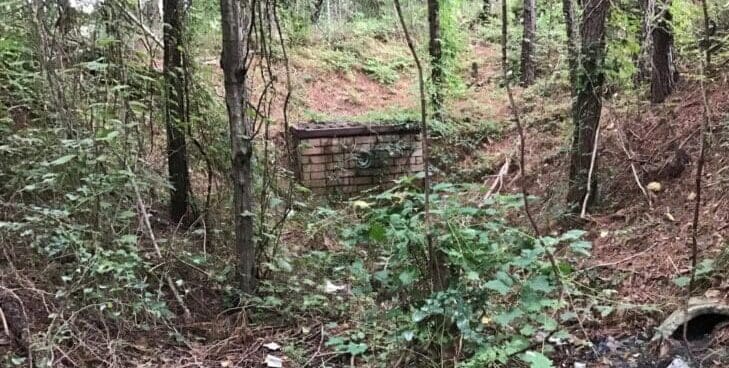
The County of Augusta-Richmond has enacted a Stormwater Ordinance in order to establish minimum stormwater management requirements and controls to protect and safeguard the general health, safety, and welfare of the public residing in watersheds within this jurisdiction. The County of Augusta-Richmond is the permitting authority for all land disturbing activities and requires the land owner to maintain all on-site stormwater control facilities and all open space areas (e.g. parks or “green” areas) required by the approved stormwater control plan. The County of Augusta-Richmond will only provide construction permits to projects that establish a plan to manage stormwater runoff occurring during the construction process. The County of Augusta-Richmond, under the NPDES program, also has the authority to inspect properties for noncompliance and can issue a notice of violation (NOV) for any deficiency or infraction onsite. Property owners are responsible for the maintenance of any stormwater facilities or practices located on the property. The County of Augusta-Richmond has the authority to inspect stormwater facilities and practices in order to ascertain that they are properly maintained and functioning.
Stormwater Management Ordinance
§ 5-1-8 PROHIBITION.
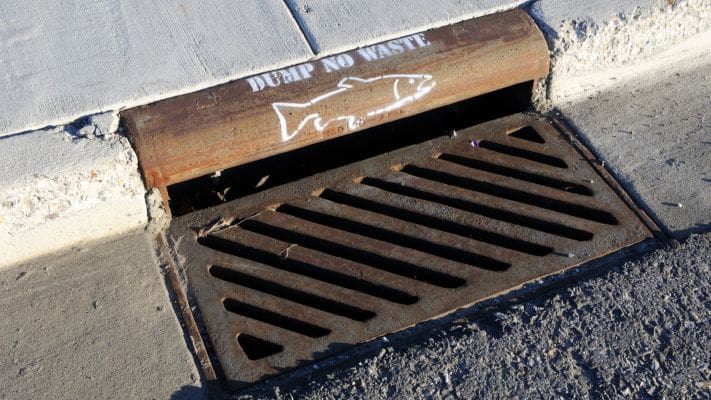
(a) It is unlawful for any person to throw, drain, run, or otherwise discharge to any component of the municipal separate storm water system or to cause, permit or suffer to be thrown, drained, run, or allow to seep or otherwise discharge into such system all matter of any nature excepting only such storm or surface water as herein authorized.
(b) The director may require controls for or exempt from the prohibition provision above the following, provided he/she determines they are not a significant source of pollution:
- Unpolluted industrial cooling water, but only under the authorization and direction of the director and appropriate NPDES permit. (Per State requirements, the discharge should not raise the temperature of the receiving stream more than five (5) degrees after the discharge has thoroughly mixed with receiving waters. In secondary trout streams, there shall be no elevation in temperature exceeding two (2) degrees above the natural stream temperature).
- Water line flushing performed by a government agency, diverted stream flows, rising ground waters, and unpolluted ground water infiltration.
- Unpolluted pumped ground water.
- Discharges from potable water sources, foundation drains, air conditioning condensation, irrigation water springs, water from crawl space pumps, footing drains, lawn watering, individual residential car washing, flows from riparian habitats and wetlands, and street wash water.
- Discharges or flows from fire-fighting.
- Other unpolluted water.
(c) In the event of an accidental discharge or an unavoidable loss to the municipal storm sewer system of any material or substance other than storm water runoff, the person concerned shall inform the department of public works within twenty-four (24) hours of the nature, quantity and time of occurrence of the discharge. The person concerned shall take immediate steps to contain the waste, treat the waste or other actions to minimize effects of the discharge on the municipal system and receiving streams. The person shall also take immediate steps to ensure no recurrence of the discharge.
§ 5-1-9 ILLICIT CONNECTIONS
(a) It is unlawful for any person, to connect any pipe, open channel, or any other conveyance system that discharges anything except storm water or unpolluted water which is approved by the director, based on the exemptions listed in § 5-1-8(b), to Augusta-Richmond County’s storm water system.
(b) Improper connections in violation of the Code must be disconnected and redirected, if necessary, to the Augusta, Georgia sanitary sewer system upon approval by the director of the water and sewer department.
§ 5-1-10 MAINTENANCE AND INSPECTION.
(a) Any storm water management facility of BMP which services a single lot or commercial and industrial development shall be privately owned and maintained. The owner shall maintain a perpetual, nonexclusive easement which allows for access for maintenance.
(b) All other storm water management control facilities and BMPs shall be publicly owned and/or maintained only if accepted for maintenance by Augusta, Georgia.
(c) The director may require dedication of privately owned storm water facilities which discharge to the storm water system to Augusta, Georgia.
(d) The department of engineering director shall determine inspection schedules necessary to enforce the provisions of this chapter.
(e) The director or designee, bearing proper credentials and identification shall be permitted to enter, without hindrance, all properties for regular inspections, periodic investigations, observation, measurement, enforcement, sampling & testing, in accordance with provisions of this chapter. The director or designee shall duly notify the owner of said property or the representative on site, except in the case of an emergency.
(f) The director or designated employee of the department of engineering, bearing proper credentials and identification, shall be permitted to enter, without hindrance, all properties for which Augusta, Georgia holds a negotiated easement for repairs, maintenance and other purposes related to any portion of the storm water management facilities lying within said easement. The director or designee shall duly notify the owner of said property or the representative on site, except in the case of an emergency.
(g) Measurements, tests and analyses performed by the department of engineering or required of any discharger to the municipal system shall be in accordance with 40 CFR Part 136, unless another method is approved by the director.
(h) If, after inspection, the condition of a facility presents any immediate danger to the public health, safety or general welfare because of unsafe conditions or improper maintenance, Augusta, Georgia shall have the right, but not the duty, to take action as may be necessary to protect the public and make the facility safe.
(i) Inspection reports shall be maintained in a permanent file located at the department of public works office for a period of three (3) years. All such records shall be open to the public.
§ 5-1-14 PROPERTY OWNER LIABILITY; SUPPLEMENTAL CHARGES.
Any person in violation of any portion of this chapter shall pay for all costs of Augusta-Richmond County associated with the violation, including (but not limited to) containment, cleanup, injury, death, legal, or other costs.
§ 5-1-15 ENFORCEMENT; PENALTIES.
(a) This chapter shall be enforced by the office of the director of engineering. Citations for violation may be issued by inspectors from the department of public works. Citation shall specify the nature of violation and the potential penalty involved.
(b) Any person, cited for violating this chapter shall be tried as a misdemeanor and shall upon conviction, shall be subject to the penalties provided in § 1-6-1.
(c) In addition, Augusta, Georgia may institute appropriate action or proceedings at law or in equity for the enforcement of this chapter or to correct violations of this chapter. Any court of competent jurisdiction may have the right to issue restraining orders, temporary or permanent injunctions, and other appropriate forms of remedy or relief. Each day of noncompliance is considered a separate offense. Nothing herein contained shall prevent Augusta, Georgia from taking such other lawful action as is necessary to prevent or remedy any violation, including application for injunctive relief.
View State Page
Frequently Asked Questions
Who maintains a stormwater facility in Augusta-Richmond, the county or the property owner?
Any facility built to serve a single lot, or a commercial or industrial development, stays privately owned and maintained by that property owner, who has to keep a perpetual, nonexclusive easement open for county access. Broader stormwater control facilities only shift to public ownership if Augusta, Georgia formally accepts them for maintenance, and the director can also require an owner to dedicate a private facility to the county if it discharges into the public system. For most commercial properties in the county, that means maintenance stays a private responsibility unless a specific agreement says otherwise.
What discharges are exempt from Augusta-Richmond's stormwater prohibition?
The county’s ordinance prohibits discharging anything but stormwater into its system, but the director can exempt certain sources determined not to pose a significant pollution risk. That list includes water line flushing, foundation drains, air conditioning condensation, lawn watering, individual car washing and firefighting flows. Unpolluted industrial cooling water can also qualify, though it comes with a specific limit: the discharge can’t raise a receiving stream’s temperature more than 5 degrees after mixing, or more than 2 degrees in a secondary trout stream.
What do I need to do if there's an accidental discharge on my Augusta-Richmond property?
Notify the department of public works within 24 hours of the discharge, describing its nature, quantity and time of occurrence, and take immediate steps to contain and treat the waste to limit its effect on the storm system and receiving streams. The same urgency applies to preventing a repeat: the responsible party has to act right away to make sure the discharge doesn’t happen again, not just report it after the fact.
Can Augusta-Richmond inspect my stormwater facilities without warning?
Inspections generally require notice first. The director or a designee can enter a property for regular inspections, sampling or enforcement, but has to notify the owner or an onsite representative before doing so, except in an emergency. Inspection reports are kept on file at the department of public works for three years and are open to the public, so a property’s inspection history isn’t private once it’s on record.
What happens if my property is found in violation of Augusta-Richmond's stormwater ordinance?
A citation specifies the violation and potential penalty, and a conviction is treated as a misdemeanor under the county’s general penalty provisions. The violator is also responsible for all costs tied to the violation, including containment, cleanup and legal expenses. The county can pursue injunctive relief through the courts on top of a citation, and each day of noncompliance counts as a separate offense.
The information on this page is provided for general informational purposes only and is not legal advice. Regulations change frequently — AQUALIS makes no warranty as to the accuracy or completeness of this content, and any reliance on it is at your own risk. Consult a qualified professional or your local regulatory authority to confirm requirements applicable to your specific property.