

Last Updated 08/25/2026
Excerpt- Stormwater Management Plan
Post-Construction Stormwater Control Management
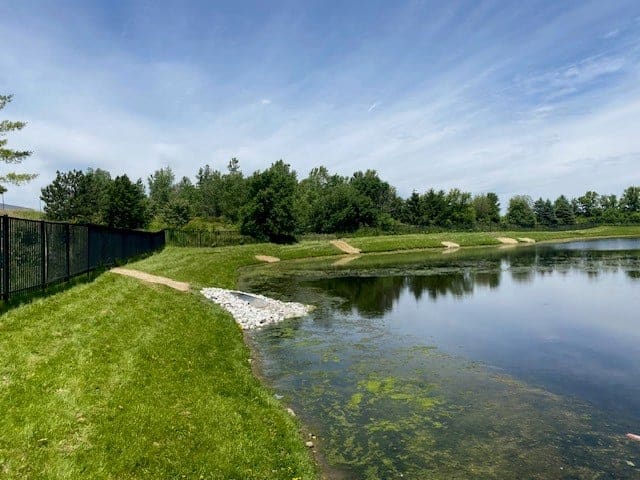
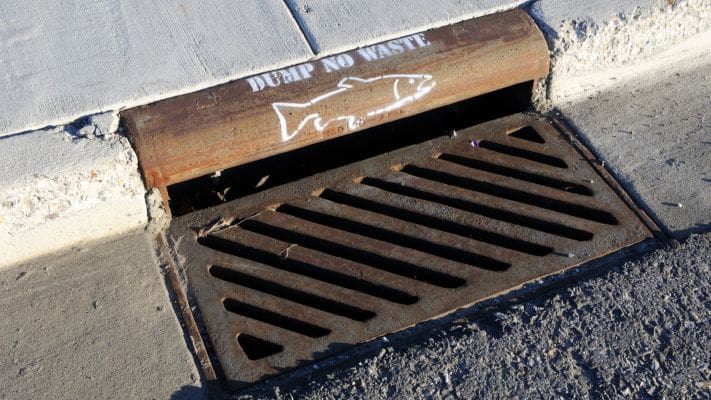
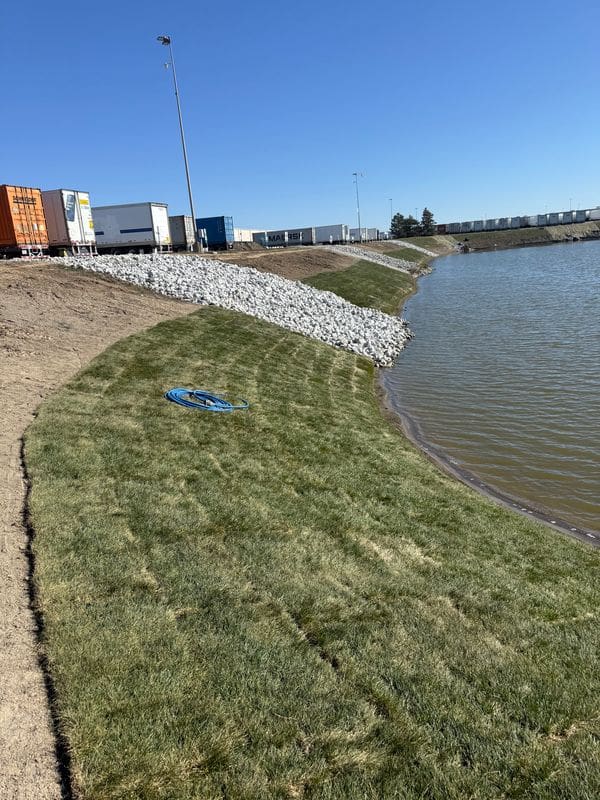
The purpose of this MCM is to place the greatest value on retaining (and thus “treating”) the maximum amount of stormwater on site through good site design and green infrastructure and to ensure the water remains continuously “treated” if it leaves the property. With the implementation of specifically required Stormwater Treatment Practices (STP’s) water will have the best chance of being and/or remaining clean prior to entering receiving waters. These STP’s will be monitored and maintained based on official Maintenance Agreements.
5.2.1 Administer Post-Construction Stormwater site plan review procedures which reference:
- The Douglas County Stormwater Management Regulation that defines and enables authority to conduct stormwater treatment plan reviews.
- The minimum treatment volume with calculation method, volume treatment design criteria, and stormwater treatment practice design standards by reference for design of permanent stormwater treatment practices.
- The maximum allowable impervious cover by zone district.
- The minimum requirements for post-construction stormwater treatment plan submittals to satisfy structural and non-structural stormwater treatment standards.
5.2.2 Conduct site plan review for stormwater treatment design compliance
5.3.1 Douglas County will establish and administer the review of Post-Construction Stormwater site inspection procedures that:
- Effectively define and enable authority to conduct site inspections
- Provide minimum standards by reference for installation and maintenance of stormwater treatment practices.
- Provide minimum required timing and information for construction operator and property owner self-inspections.
- Provide current policies, staff and contact information, frequency, required procedures, and other relevant information for inspections
Construction stormwater management guidance.
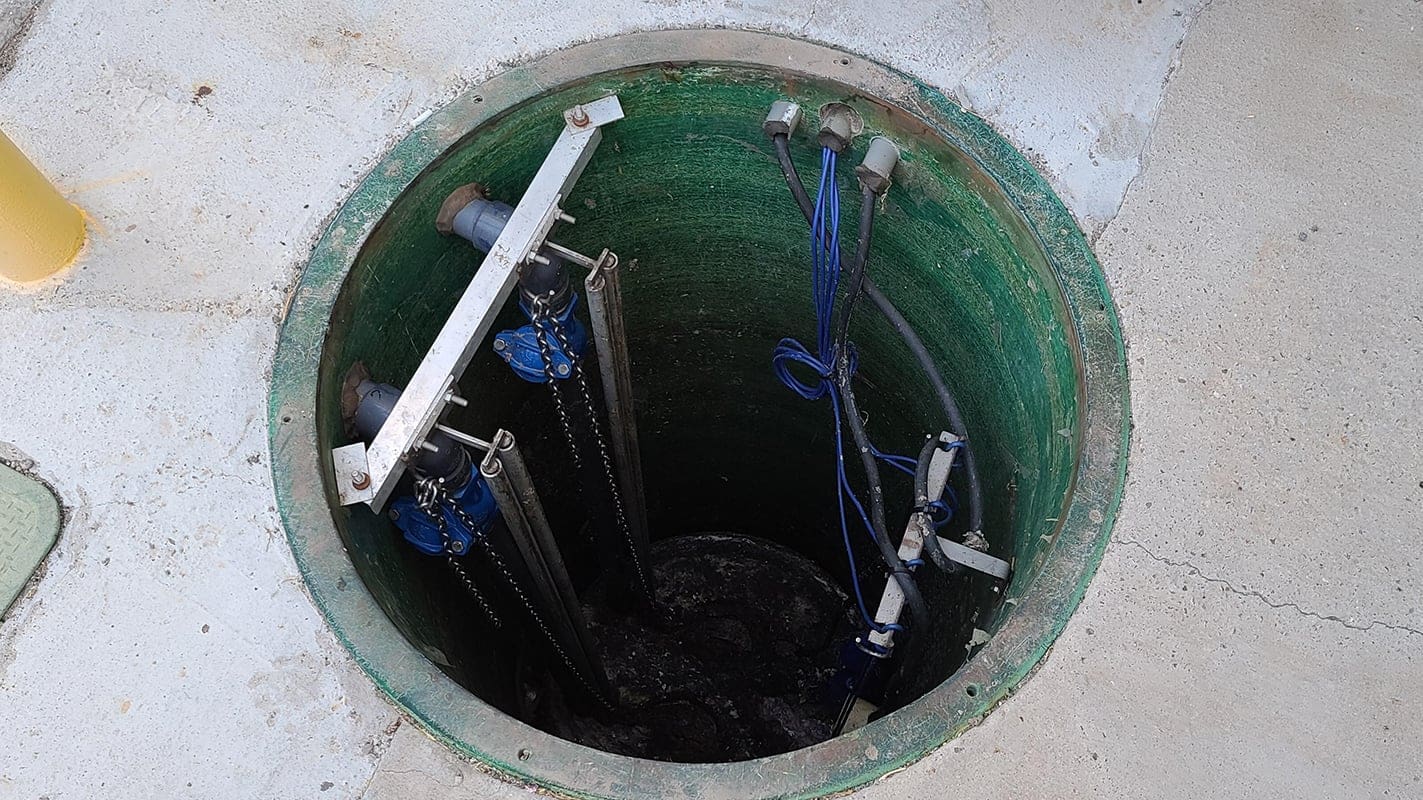
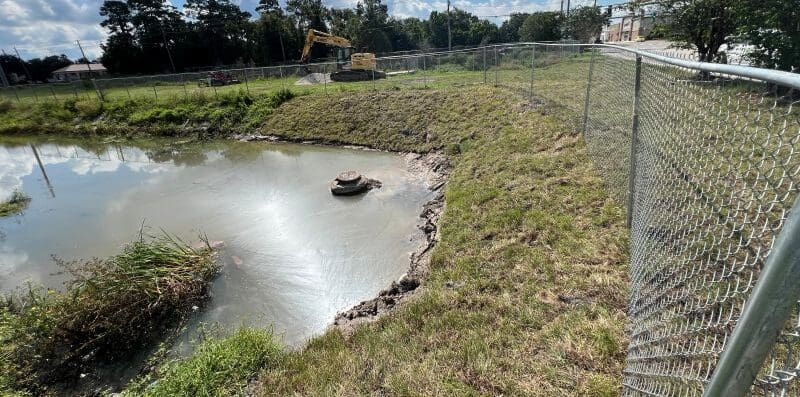
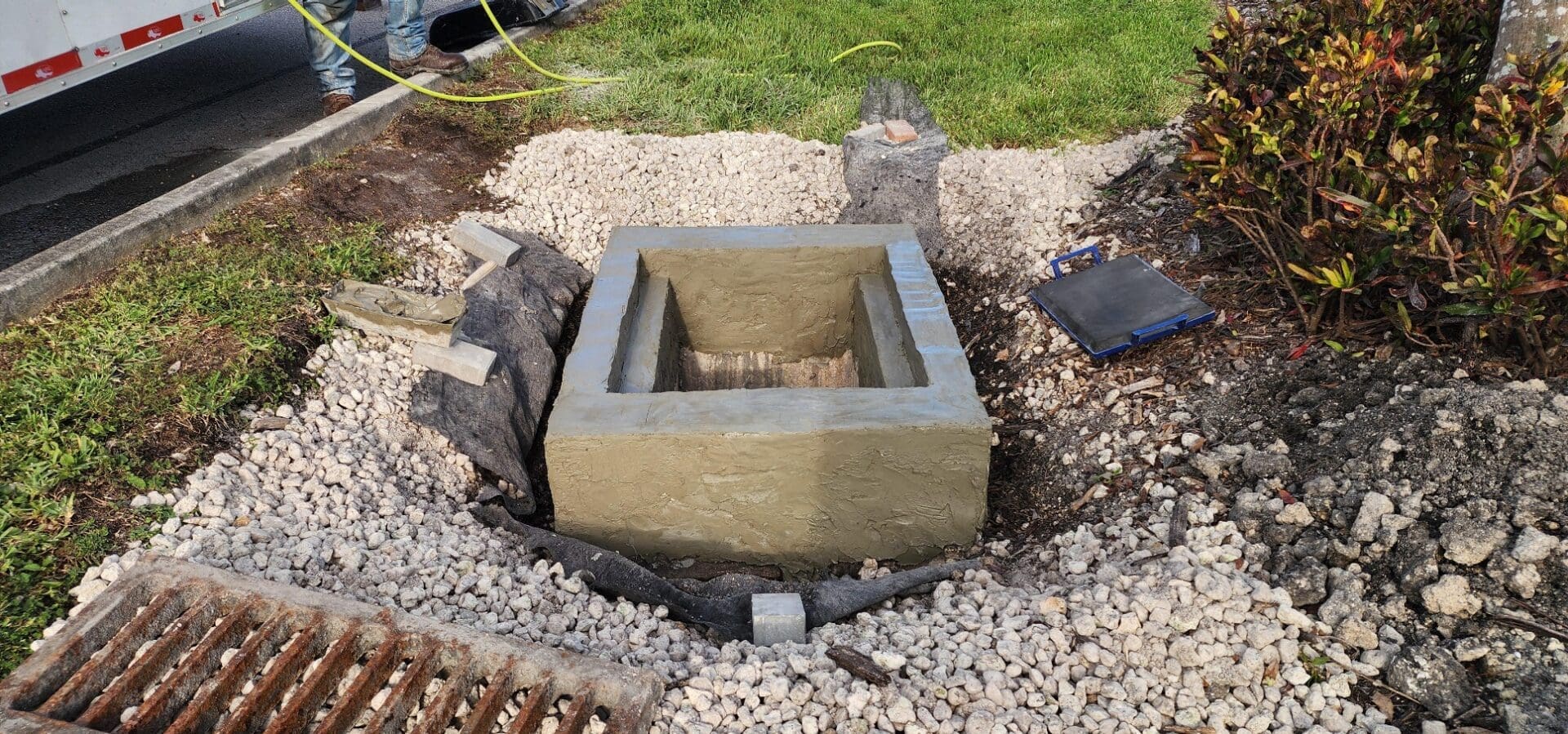
Conduct an initial inspection at the time each structural BMP is located for georeference into the BMP database. Require maintenance agreement for all private structural BMPs included in new development and redevelopment projects. Inspect and require maintenance of all BMPs according to schedule.
View State Page
Frequently Asked Questions
What's the guiding principle behind Douglas County's post-construction stormwater program?
The county places the highest priority on retaining, and effectively treating, the maximum amount of stormwater on-site through good site design and green infrastructure. The goal is to keep water clean before it reaches receiving waters, using specifically required Stormwater Treatment Practices that are monitored and maintained under official maintenance agreements.
What does Douglas County's stormwater site plan review cover?
Review procedures reference the county’s Stormwater Management Regulation, which defines the county’s authority to review treatment plans, the minimum treatment volume and calculation method, design criteria for permanent treatment practices, and the maximum allowable impervious cover by zoning district. Submittals must satisfy both structural and non-structural stormwater treatment standards.
When does Douglas County first inspect a new stormwater BMP?
An initial inspection happens at the time each structural BMP is installed, so it can be georeferenced into the county’s BMP database. From there, BMPs are inspected and maintained on an ongoing schedule.
Does a Douglas County property need a maintenance agreement for private stormwater BMPs?
Yes. A maintenance agreement is required for all private structural BMPs included in new development and redevelopment projects, and those BMPs must be inspected and maintained according to the schedule the county establishes.
Who conducts stormwater inspections in Douglas County?
The county’s post-construction inspection procedures define its own authority to conduct site inspections, but they also set minimum timing and information requirements for self-inspections performed by the construction operator or property owner, alongside the county’s own inspection schedule.
The information on this page is provided for general informational purposes only and is not legal advice. Regulations change frequently — AQUALIS makes no warranty as to the accuracy or completeness of this content, and any reliance on it is at your own risk. Consult a qualified professional or your local regulatory authority to confirm requirements applicable to your specific property.