

Last Updated 08/06/2026
Florence, South Carolina Municipal Code
Article 4 Drainage and Stormwater Management
12-253 Requirement for on-site stormwater systems
12-292 Drainage system standards
View State Page
Frequently Asked Questions
Can Florence County inspect my property for stormwater compliance?
Yes. To meet its obligations under its NPDES permit, the county’s designated employees and officials can enter private property to inspect the county’s storm sewer system, install monitoring stations and collect water quality data, and inspect construction activities to confirm compliance with approved stormwater management and sediment control plans.
What are the maintenance requirements for permanent stormwater facilities in Florence County?
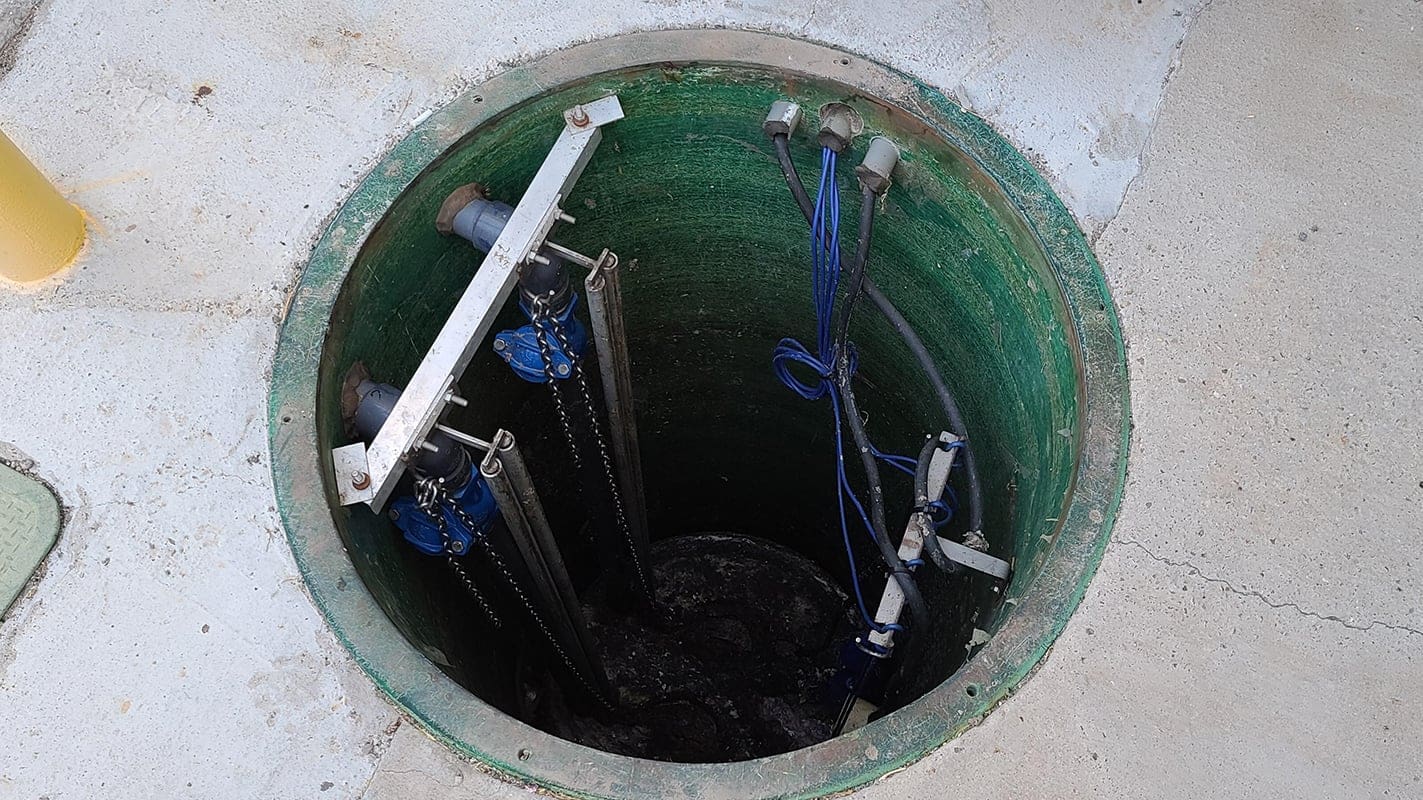
As the person responsible for a completed stormwater management practice, you must perform, or arrange for, preventive maintenance to keep it functioning properly. If your site uses permanent stormwater BMPs, you’ll also need to sign a permanent stormwater management maintenance agreement, spelling out who finances that ongoing maintenance, whether that’s the property owner, a homeowners association with financing built into deed restrictions, or another county approved mechanism. AQUALIS can help property owners in Florence County put together a maintenance agreement that covers these bases.
Will Florence County inspect my detention or retention structure after construction?
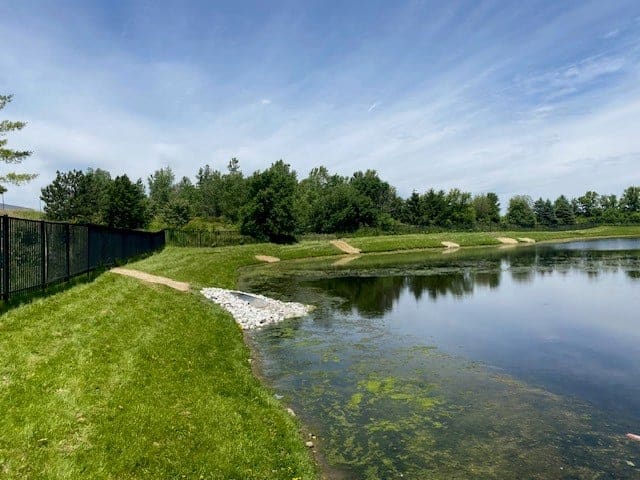
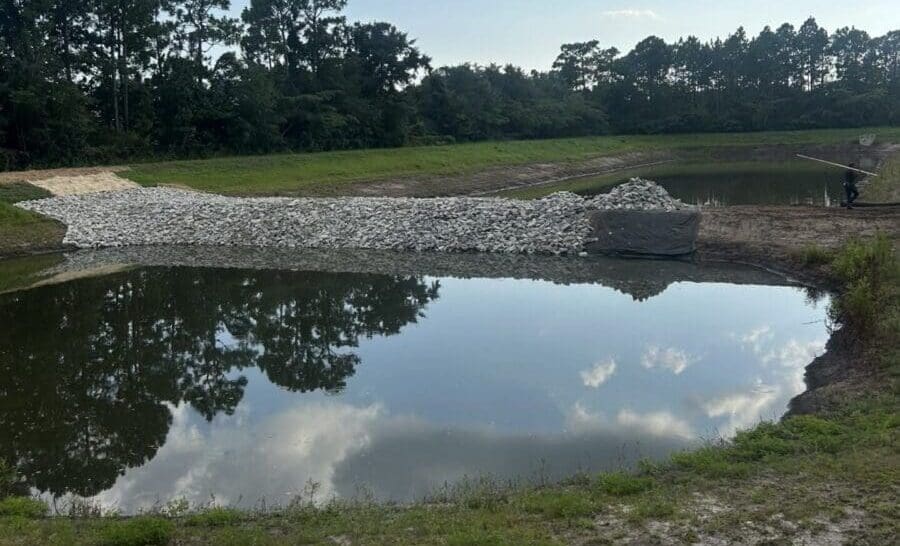
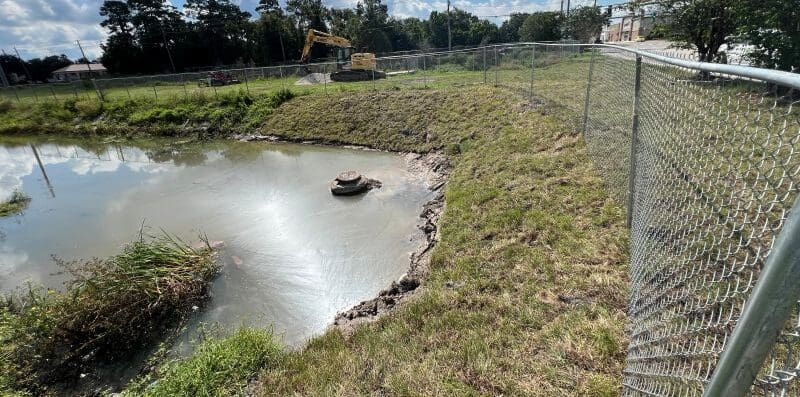
Yes, periodically. The County Engineering Division’s post construction inspections cover the condition of vegetation, spillways, embankments, the reservoir area, outlet channels, underground drainage, and sediment load, along with any other factors that could affect the structure’s function. If deficiencies are found, you’ll receive written notification with a timeframe for repairs, followed by a subsequent inspection to confirm the work was completed.
What happens if I don't fix a stormwater deficiency in Florence County?
If repairs aren’t made, or aren’t done properly, you can be assessed a civil or criminal penalty, or the county can refer the matter to the South Carolina Department of Health and Environmental Control (SCDHEC). AQUALIS can help property owners resolve deficiencies quickly to avoid this kind of escalation.
What are the penalties for stormwater violations in Florence County?
Civil penalties run up to $1,000 per violation, once you’ve been notified of the violation. Each additional day a violation continues counts as a new violation. Beyond civil penalties, negligent, willful, or intentional violations can also be charged as a misdemeanor, carrying a fine of up to $500 or up to 30 days of confinement per violation, handled through magistrate’s court.
How is the stormwater service charge calculated for my Florence County property?
Charges are billed by the City of Florence. Detached homes with more than 1,500 square feet of impervious area are billed for one equivalent residential unit (ERU), while smaller homes are billed at half an ERU. Other developed properties are billed one ERU for every 2,500 square feet of impervious surface, or any partial increment of that.
Can I get a credit on my stormwater service charge in Florence County?
Yes, for developed properties other than individual detached homes, based on documented compliance with the city’s Stormwater Utility Service Charge Credit Technical Manual. Qualifying on-site stormwater control systems can earn a credit of up to 50%, proportional to how much they reduce the utility’s cost of providing stormwater services. Incorporated homeowners associations serving groups of detached homes can qualify too, with credits allocated proportionally across the properties represented. AQUALIS can help property owners document their BMPs to support a credit application.
The information on this page is provided for general informational purposes only and is not legal advice. Regulations change frequently — AQUALIS makes no warranty as to the accuracy or completeness of this content, and any reliance on it is at your own risk. Consult a qualified professional or your local regulatory authority to confirm requirements applicable to your specific property.