

Last Updated 07/20/2026
The County of Pulaski has enacted a Stormwater Ordinance in order to establish minimum stormwater management requirements and controls to protect and safeguard the general health, safety, and welfare of the public residing in watersheds within this jurisdiction. The County of Pulaski is the permitting authority for all land disturbing activities and requires the land owner to maintain all on-site stormwater control facilities and all open space areas (e.g. parks or “green” areas) required by the approved stormwater control plan. The County of Pulaski will only provide construction permits to projects that establish a plan to manage stormwater runoff occurring during the construction process. The County of Pulaski, under the NPDES program, also has the authority to inspect properties for noncompliance and can issue a notice of violation (NOV) for any deficiency or infraction onsite. Property owners are responsible for the maintenance of any stormwater facilities or practices located on the property. The County of Pulaski has the authority to inspect stormwater facilities and practices in order to ascertain that they are properly maintained and functioning.
Excerpt from Pulaski County Stormwater Management Ordinance
Article II. Stormwater Concept and Plan
Section c. Stormwater and urban runoff pollution control
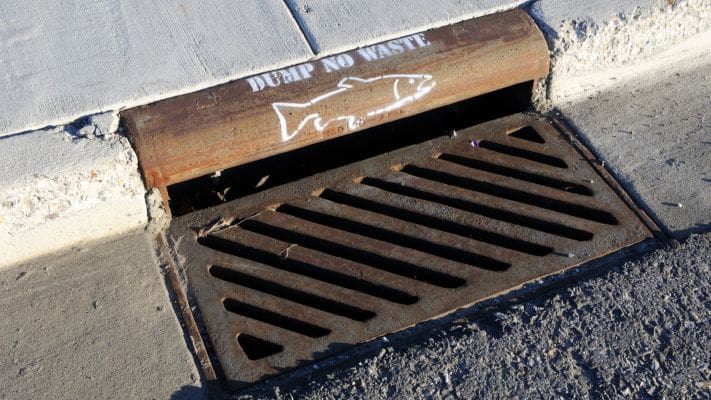
8. Post-construction stormwater runoff control. Any owner, developer or occupant within the County shall install and maintain erosion and sediment controls during land disturbing activities (Article II, Section 4) from new development and redevelopment projects in order to reduce pollutants from stormwater from entering waterways.
Article III. Maintenance, Construction, and Inspection
Section A. Maintenance Responsibility
1. Public and private maintenance responsibilities under the stormwater management system.
n/a
2. Contractor/Owner Inspections and Maintenance. The owner shall be responsible for inspections and maintenance on the site.
a) Inspections and maintenance must be documented and readily available for review. Inspections are required as follows:
- Once every 7 days on exposed soil areas.
- Within 24 hours after a one-half inch rain event over 24 hours.
- Once every 30 days on stabillized areas.
- As soon as runoff occurs or prior to resuming construction on frozen ground.
4. Private responsibilities:
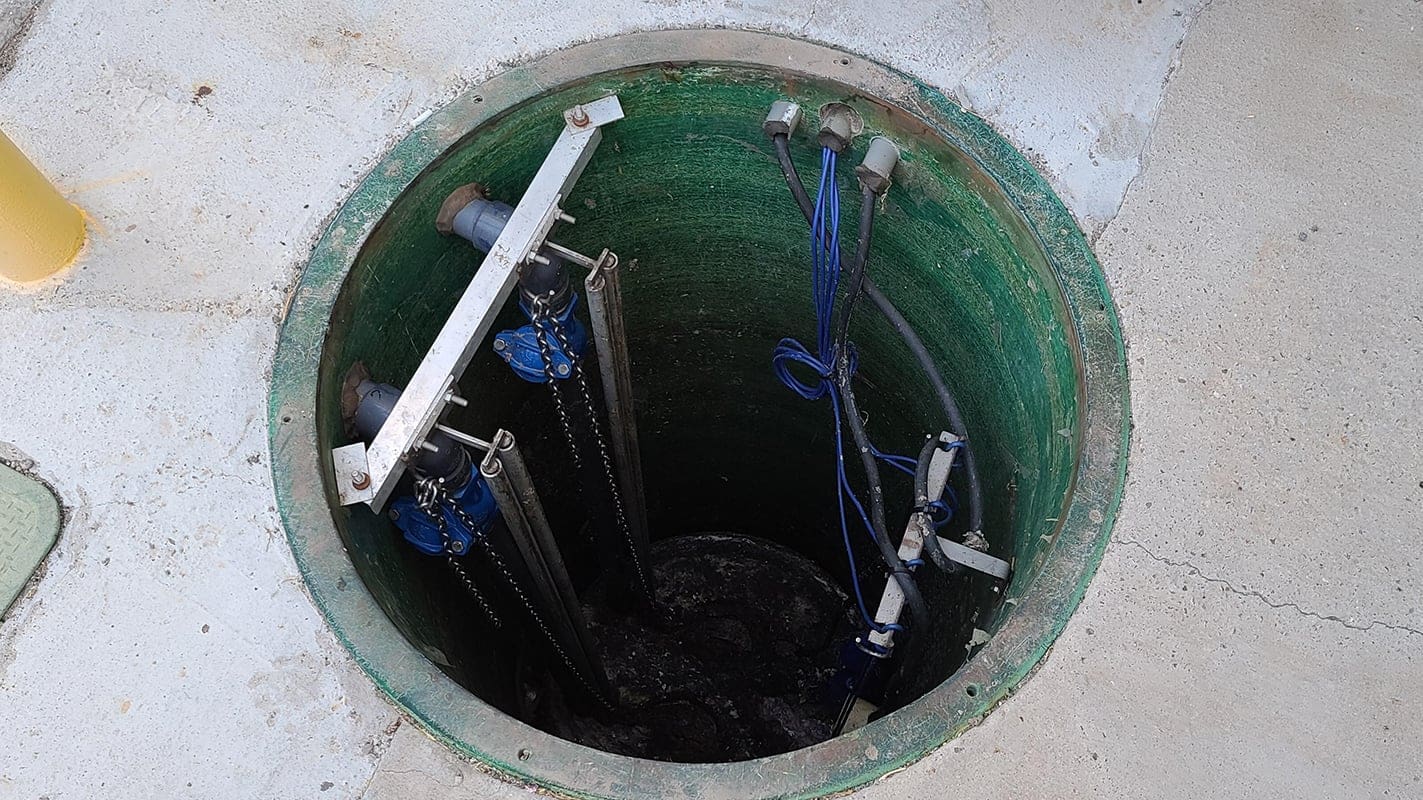
a) Each developer of land within the County has a responsibility to provide on the developer’s property all approved stormwater runoff management facilities to ensure the adequate drainage and control of stormwater on the developer’s property both during and after construction of such facilities.
b) Each developer, owner or property owners association has a responsibility and duty before and after construction to properly operate and maintain any on-site stormwater runoff control facility which has not been accepted for maintenance by the public. Such responsibility is to be transmitted to subsequent owners through appropriate covenants.
c) All private systems not dedicated to the County shall have adequate easement to permit the County to inspect and, if necessary, to take corrective action should the responsible entitity fail to properly maintain the system.
d) All private stormwater facilities shall be maintained in proper condition consistent with the performance standards for which they were originally designed.
5. Maintenance Agreement (privately-owned facilities only):
a) A proposed inspection and maintenance agreement shall be submitted to the County Engineer for all private on-site stormwater discharge control facilities prior to the approval of the stormwater management plan. Such agreement shall be in a form and content acceptable to the County Engineer and shall be the responsibility of the private owner. Such agreeement shall provide for access to the facility by virtue of a non-exclusive perpetual easement in favor of the County at reasonable times for regular inspection by the County Engineer. This agreement will identify who will have the maintenance responsibility. Possible arrangements for this maintenance responsibility might include the following:
- Use of homeowner associations;
- Arrangements to pay the County for maintenance;
- Private maintenance by development owner(s), or contracts with private maintenance companies.
b) All maintenance agreements shall contain or uphold, without limitation, the following provisions:
- A description of the property on which the stormwater management facility is located and all easements from the site to the facility;
- Size and configuration of the facility;
- A statement that properties which will be served by the facility are granted rights to construct, use, reconstruct, repair and maintain access to the facility;
- A statement that each lot served by the facility is responsible for repairs and maintenance of the facility…..
- Removal of Settled Materials…..
Section C. Bonds, Maintenance assurances and final approval
- Maintenance Agreement. A maintenance agreement approved by the County Engineer assuring perpetual maintenance of stormwater management improvements shall be agreed upon by the County and the applicant.
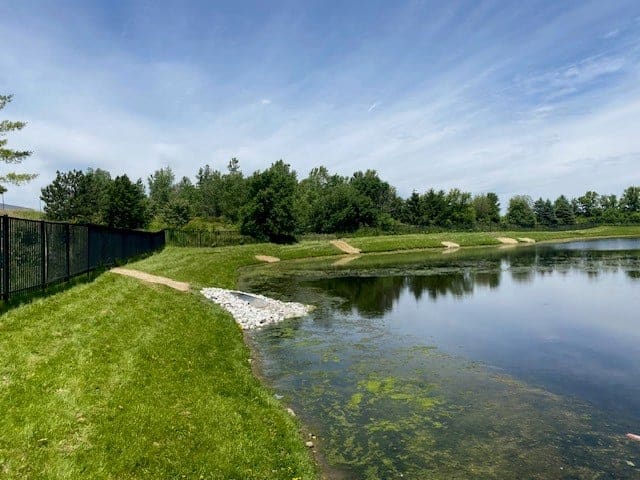
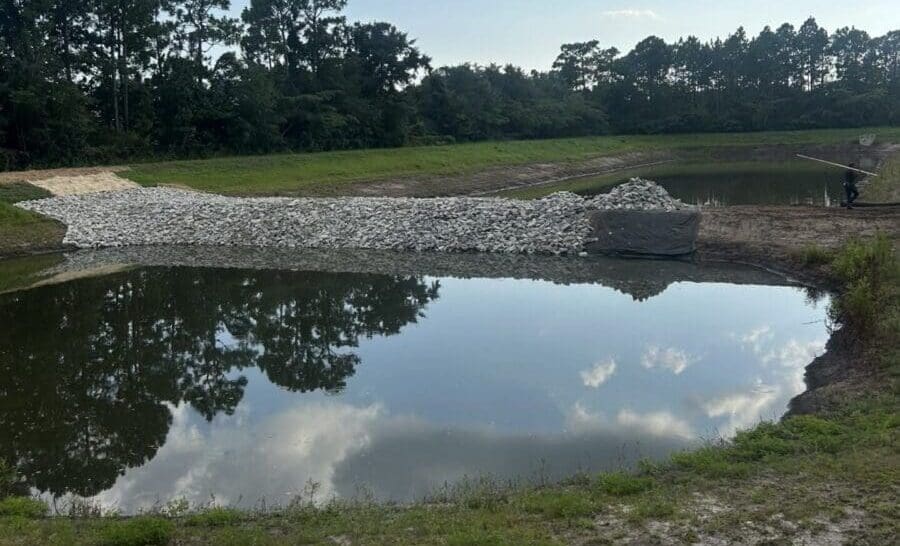
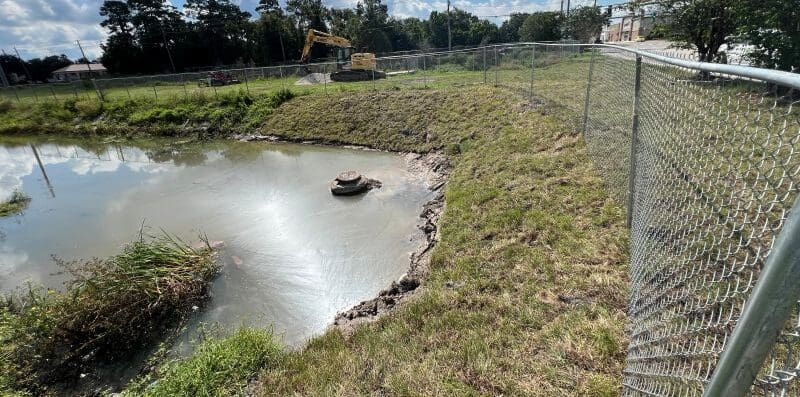
- Maintenance of detention ponds (wet type) shall be the responsibility of the owner of record and/or the property owners’ association.
- Maintenance of detention basins (dry type) shall be the responsibility of the owner of record and/or property owners’ association. The owner of record and/or property owners’ association shall be responsible for all other maintenance, plantings, reseeding, or resodding. The owner shall be responsible for removing and replacing any landscaping, playground equipment or other facilities within the basin.
View State Page
Frequently Asked Questions
How often do I need to inspect exposed soil during construction in Pulaski County?
Once every seven days, at minimum. Beyond that regular schedule, exposed soil areas also require inspection within 24 hours after any rain event of a half inch or more over 24 hours, while already-stabilized areas only need checking once every 30 days. If runoff occurs on frozen ground, or before construction resumes on it, that also triggers an inspection.
Do I need to document my stormwater inspections in Pulaski County?
Yes. Inspections and maintenance have to be documented and kept readily available for county review. That documentation requirement applies on top of the inspection schedule itself, so keeping records is as much a compliance obligation as doing the inspections.
Who is responsible for maintaining a detention pond on my Pulaski County property?
The owner of record, or the property owners association if one exists. That responsibility covers both wet-type detention ponds and dry-type detention basins, and it extends beyond the pond structure itself to include plantings, reseeding, resodding, and replacing any landscaping or equipment located within the basin.
Does my responsibility for stormwater facilities transfer if I sell my Pulaski County property?
Yes. A developer, owner, or property owners association is required to properly operate and maintain any on-site stormwater facility not accepted for public maintenance, and that responsibility has to be passed along to subsequent owners through appropriate covenants. It doesn’t disappear when the property changes hands.
Do I need to grant the county access to my private stormwater facility in Pulaski County?
Yes. Any private system not dedicated to the county has to have an adequate easement allowing the county to inspect it and, if necessary, take corrective action should the responsible party fail to maintain it properly.
What has to be in a stormwater maintenance agreement for a privately owned facility in Pulaski County?
Quite a bit. It needs a description of the property and easements involved, the facility’s size and configuration, a statement granting served properties the right to construct, use, and maintain access to the facility, confirmation that each served lot is responsible for repairs and maintenance, and provisions for removing settled materials. That agreement has to be submitted to the County Engineer for approval before the stormwater management plan itself is approved.
Who can I designate to handle maintenance responsibility for my private stormwater facility in Pulaski County?
You have a few options. The county’s ordinance allows maintenance responsibility to run through a homeowners association, an arrangement to pay the county directly for maintenance, or private maintenance handled by the development owner or a contracted private maintenance company. Whichever option you choose has to be spelled out in the maintenance agreement itself.
How can AQUALIS help my property stay compliant with Pulaski County's stormwater ordinance?
AQUALIS helps Pulaski County property owners meet the county’s frequent inspection schedule and documentation requirements, maintain detention ponds and basins to the county’s ongoing standards, and prepare the maintenance agreements required for privately owned stormwater facilities.
The information on this page is provided for general informational purposes only and is not legal advice. Regulations change frequently — AQUALIS makes no warranty as to the accuracy or completeness of this content, and any reliance on it is at your own risk. Consult a qualified professional or your local regulatory authority to confirm requirements applicable to your specific property.