

Last Updated 07/28/2026
Maintenance of Stormwater Management Systems
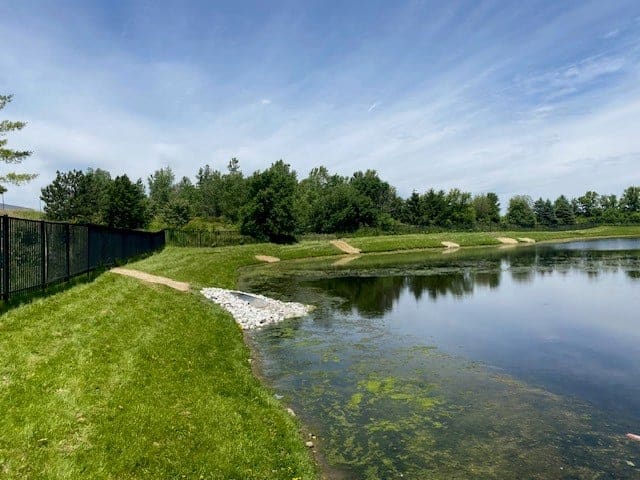
7.1 Stormwater management systems constructed to comply with 7 Del.C. Ch. 40 and these regulations shall be maintained in accordance with the provisions of this section.
7.1.1 Maintenance responsibility lies with the Owner until the time that a legal transfer of ownership has been executed. Prior notice of the transfer shall be provided to the Department or Delegated Agency 30 business days before the transfer occurs.
7.1.2 The stormwater management system shall run with the land and be binding upon the landowner and any successors in interest. Maintenance of these systems shall ensure that the stormwater management system is performing in accordance with the approved engineered design, within the tolerances of the accepted post construction verification documents, and in compliance with these regulations.
7.1.3 The Owner of a stormwater management system established in accordance with these regulations may offer for dedication to a delegated agency, public entity, municipality, stormwater utility, or private entity, a stormwater management system, together with the easements and appurtenances as may be reasonably necessary for the proper functioning of the system.
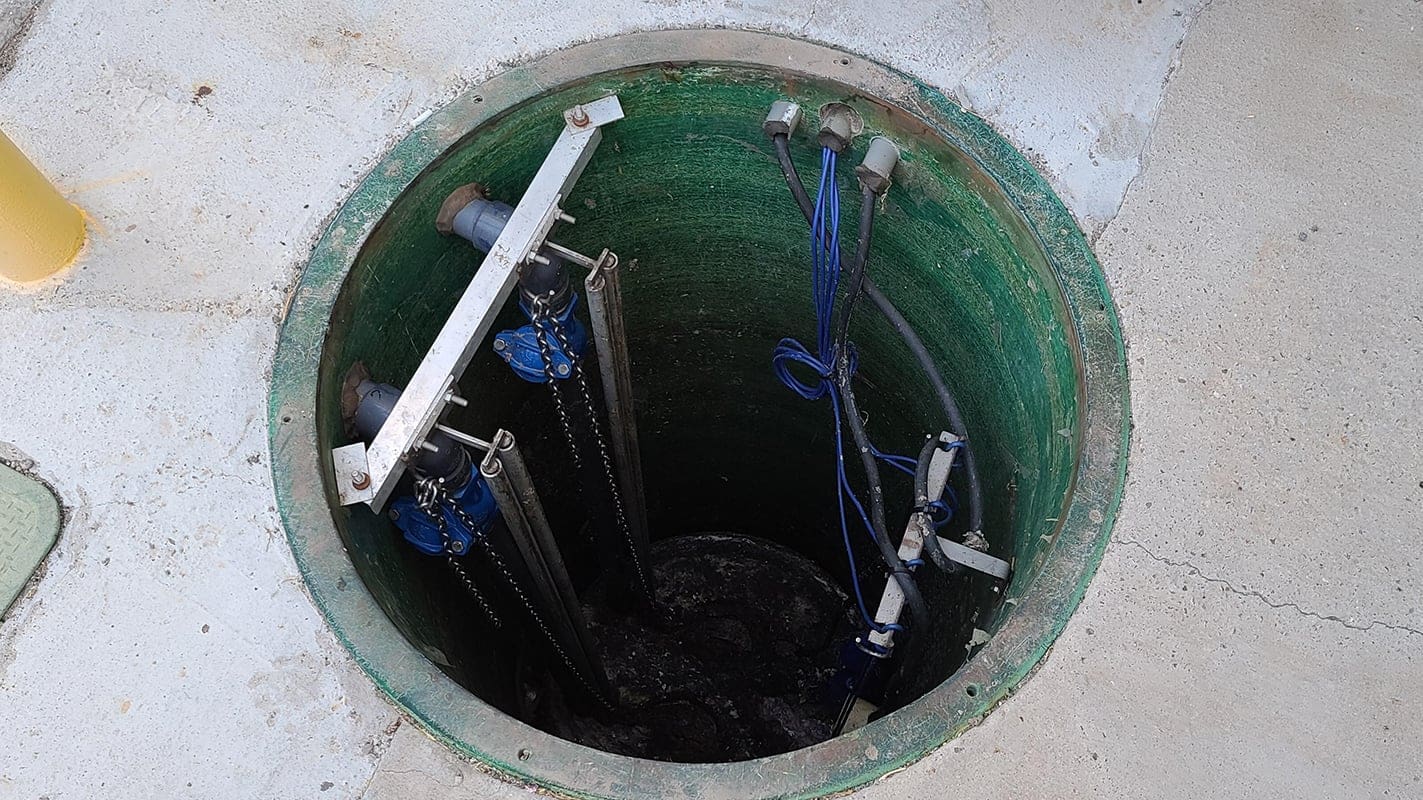
7.1.4 All stormwater management systems must be designed so as to be accessible for maintenance. If required, a maintenance right-of-way or easement must extend to the stormwater management system from a public or private road. The easement or right of way shall specify the ownership and party responsible for maintenance.
7.2 Owner Responsibilities
7.2.1 The Owner shall ensure that the stormwater management system is functioning in accordance with the approved engineering design, within the tolerances of the accepted post construction verification documents, and in compliance with these regulations. The Owner will promptly repair and restore stormwater management systems.
7.2.1.1 Such repairs, restoration, or maintenance shall be conducted in accordance with the approved Sediment and Stormwater Management Plan, the Operation and Maintenance Plan, Standard Guidelines for Operation and Maintenance of Stormwater Management Systems, and directions provided by the Department or Delegated Agency.
Stormwater Management
Stormwater Permit
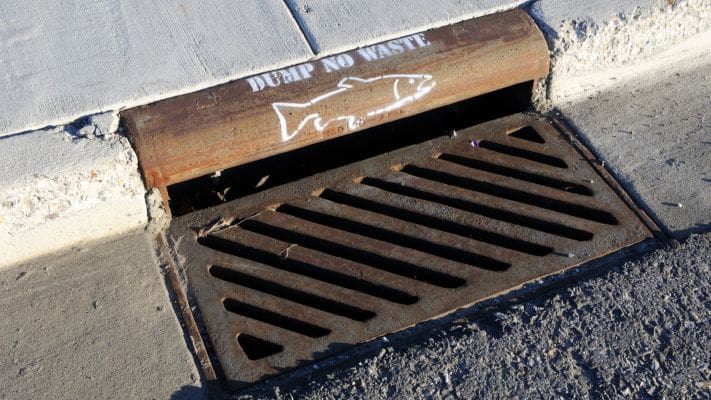
Under the Clean Water Act and the National Pollutant Discharge Elimination System (NPDES) program, the U.S. Environmental Protection Agency (EPA) regulates the water quality of stormwater runoff that discharges into local waterways. Stormwater runoff is transported through municipal separate storm sewer systems, referred to as MS4. To prevent harmful pollutants from being washed or dumped into an MS4, the EPA requires an NPDES permit and a Stormwater Management Program (SWMP) that includes the following program elements:
- Construction Site Runoff Control
- Illicit Discharge Detection and Elimination
- Pollution Prevention/Good Housekeeping
- Post-Construction Runoff Control
- Public Education and Outreach
- Public Involvement/Participation
- Program Effectiveness
- Total Maximum Daily Loads
The MS4 program is divided into phases that are based on population. The 1990 Phase I regulations require that medium and large cities with a population of greater than 100,000 obtain NPDES permit coverage for stormwater discharges. The 1999 Phase II regulations require that small urban areas obtain similar NPDES permit coverage for stormwater discharges.
DelDOT has a Phase I Permit that covers all of New Castle County, and a Phase II Permit that covers the urbanized areas of Kent and Sussex Counties.
Construction Sites
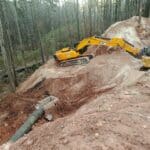
The Delaware Sediment and Stormwater (S&S) regulations require that sediment control and stormwater management practices be implemented and managed to prevent erosion and sediment runoff from construction sites.
DNREC delegated DelDOT to administer its own Sediment and Stormwater Management program. This program requires all construction activities and development disturbing over 5,000 square feet to submit a Stormwater Management and Sediment Control plan. The Plan is required to include a summary of field conditions, hydrologic and hydraulic computations, a plan checklist, and details for sediment control and storm water management practices. DelDOT regularly inspects construction sites for compliance with the DNREC-approved plans.
View State Page
Frequently Asked Questions
Who is responsible for maintaining a stormwater management system in Delaware?
The owner, until a legal transfer of ownership has actually been executed. Once that transfer happens, responsibility passes to the new owner, but the outgoing owner has to notify the Department or Delegated Agency at least 30 business days before the transfer occurs.
Does stormwater maintenance responsibility in Delaware transfer automatically with the property?
Yes. The stormwater management system runs with the land and binds every successor in interest, not just the current owner. Maintenance has to keep the system performing according to its approved engineered design and within the tolerances of its accepted post-construction verification documents.
Can I transfer my stormwater system's maintenance responsibility to someone else in Delaware?
Yes, with proper documentation. An owner can offer the system, along with any necessary easements and appurtenances, for dedication to a delegated agency, public entity, municipality, stormwater utility, or private entity, though that dedication has to be formally accepted rather than simply assumed.
Does my Delaware property need a maintenance easement for its stormwater system?
If required, yes. Every system has to be designed for maintenance accessibility, and where a maintenance right-of-way or easement is needed to reach the system from a public or private road, that easement has to specify both ownership and who’s actually responsible for maintenance.
What standard does Delaware hold owners to for stormwater system upkeep?
Keeping the system functioning according to its approved engineering design and the tolerances set in its post-construction verification documents, with prompt repair and restoration when it falls short. That work has to follow the approved Sediment and Stormwater Management Plan, the Operation and Maintenance Plan, the state’s Standard Guidelines for Operation and Maintenance, and any direction from the Department or Delegated Agency.
What size construction project needs a Sediment and Stormwater Management Plan in Delaware?
Any activity disturbing more than 5,000 square feet, at least under DelDOT’s delegated program. The plan has to include field condition summaries, hydrologic and hydraulic computations, a plan checklist, and details for both sediment control and stormwater management practices.
Who administers Delaware's Sediment and Stormwater program for state highway projects?
DelDOT, under delegation from DNREC. Beyond reviewing and approving plans, DelDOT regularly inspects construction sites to confirm they’re following the approved plan, separate from whatever county or municipal review also applies to the same project.
Does Delaware's MS4 permit structure vary by region?
Yes. DelDOT holds a Phase I permit covering all of New Castle County, and a separate Phase II permit covering the urbanized areas of Kent and Sussex Counties. Which permit tier applies can affect the specific program requirements tied to a project’s location.
How can AQUALIS help my property navigate Delaware's stormwater maintenance requirements?
AQUALIS helps Delaware property owners maintain stormwater systems to the state’s approved-design standard, prepare Sediment and Stormwater Management Plans for projects crossing the 5,000-square-foot threshold, and manage the notification requirements tied to transferring maintenance responsibility during a property sale.
The information on this page is provided for general informational purposes only and is not legal advice. Regulations change frequently — AQUALIS makes no warranty as to the accuracy or completeness of this content, and any reliance on it is at your own risk. Consult a qualified professional or your local regulatory authority to confirm requirements applicable to your specific property.