
Last Updated 08/18/2026
EXCERPT- Post-Construction Storm Water Management in New Development and Redevelopment
- You must develop, implement, and enforce a program to address storm water runoff from new development and redevelopment projects that disturb greater than or equal to 1 acre, including projects less than 1 acre that are part of a larger common plan of development or sale, that discharge into your small MS4. Your program must ensure that controls are in place that would prevent or minimize water quality impacts.
You must:- develop and implement strategies that include a combination of structural and/or non-structural BMPs appropriate for your community;
- use an ordinance or other regulatory mechanism to address post-construction runoff from new development and redevelopment projects to the extent allowable under state, tribal, or local law; and
- ensure adequate long-term operation and maintenance of BMPs.
If water quality impacts are considered from the beginning stages of a project, new development and, potentially, redevelopment provide more opportunities for water quality protection. The department recommends that the BMPs chosen be appropriate for the local community, minimize water quality impacts, and attempt to maintain pre-development runoff conditions. In choosing appropriate BMPs, the department encourages you to participate in locally-based watershed planning efforts that attempt to involve a diverse group of stakeholders including interested citizens. When developing a program that is consistent with this measure’s intent, the department recommends that you adopt a planning process that identifies the municipality’s program goals.
EXCERPT- Louisiana Environmental Regulatory Code 192, Section 2523 Title 33, Part IX, Subpart 2
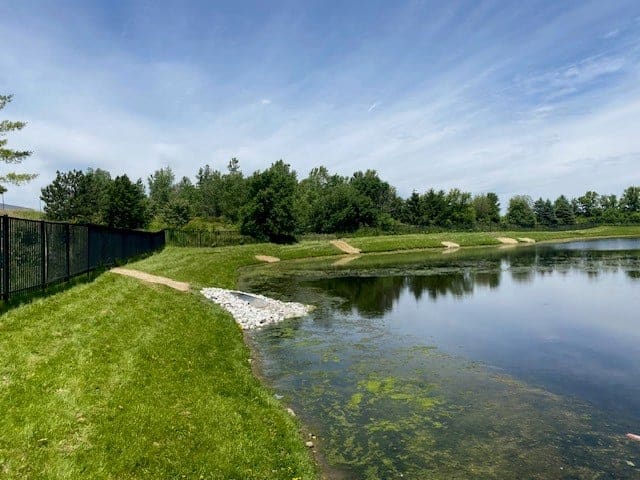
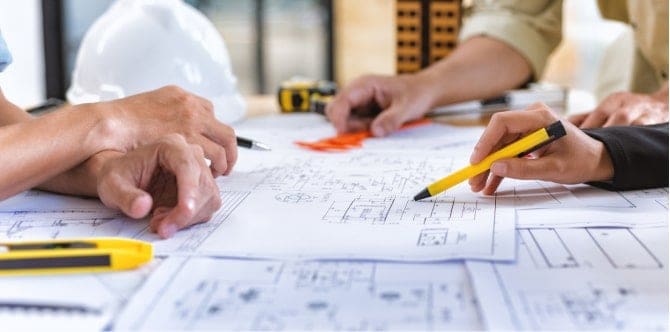
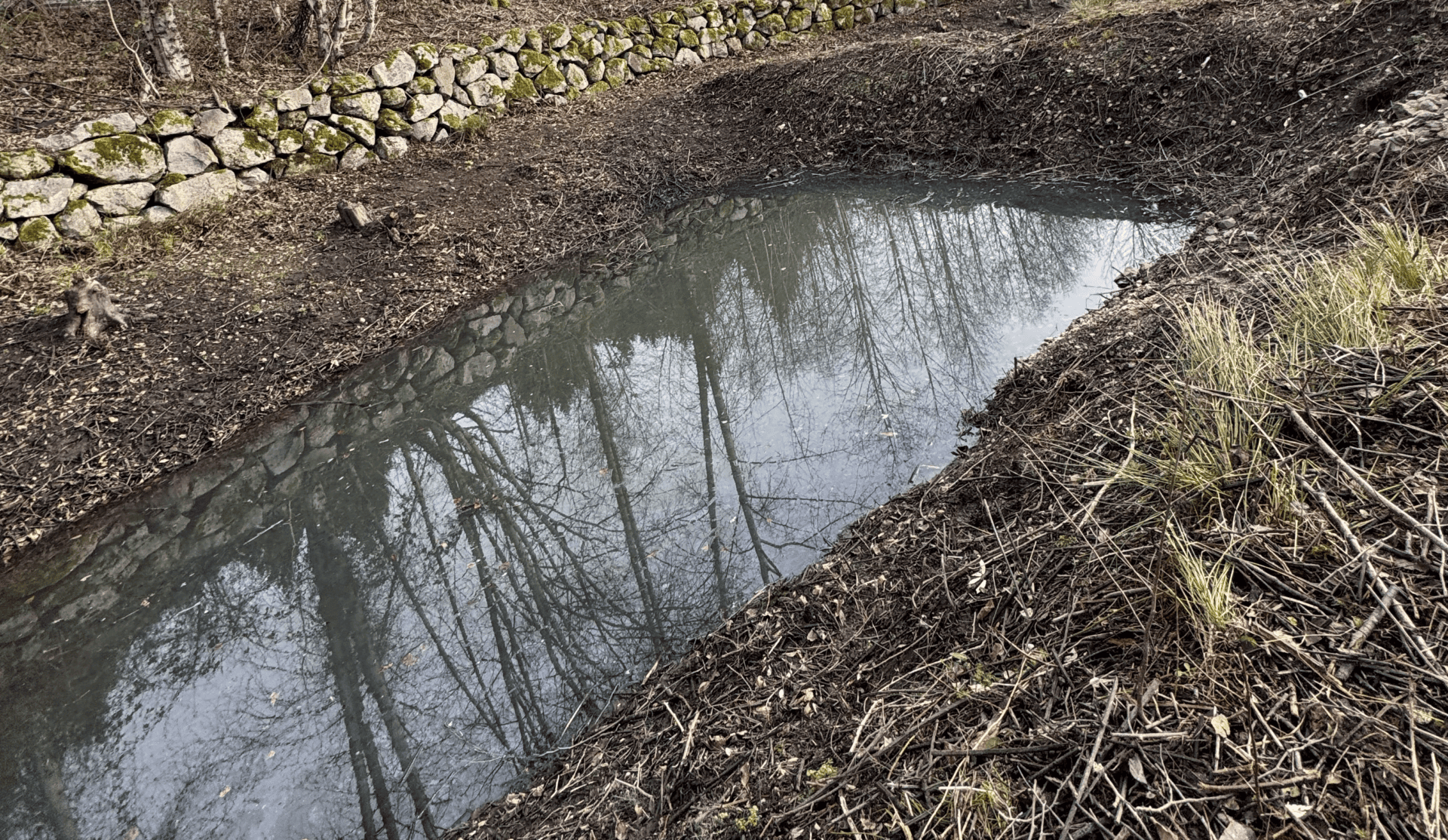
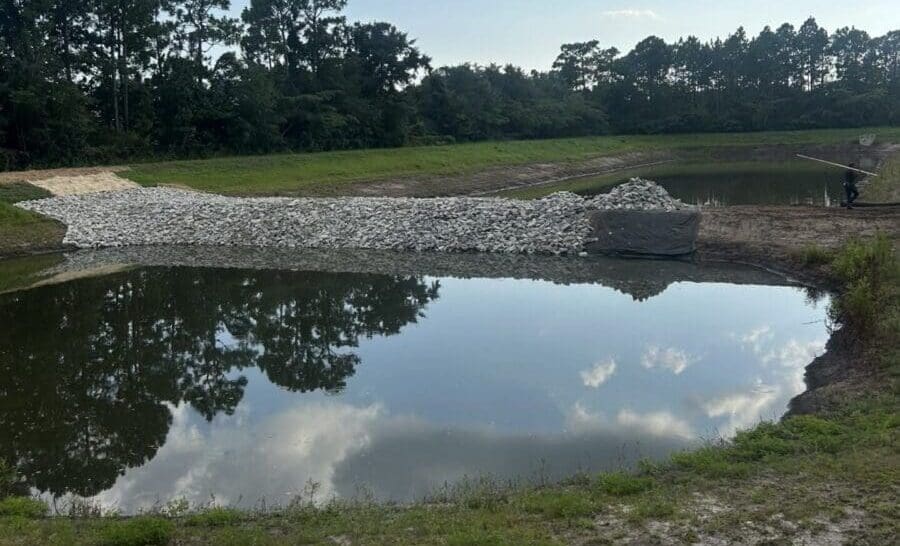
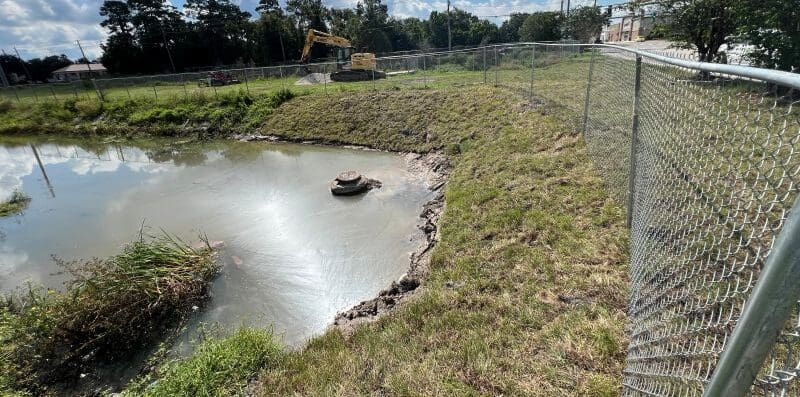
Develop a program to minimize water quality impacts resulting from post-construction runoff from new development and redevelopment), implementation strategies (e.g., adopt a combination of structural and/or non-structural BMPs), operation and maintenance policies and procedures, and enforcement procedures. In developing your program, you should consider assessing existing ordinances, policies, programs, and studies that address storm water runoff quality. In addition to assessing these existing documents and programs, you should provide opportunities to the public to participate in the development of the program. Non-structural BMPs are preventative actions that involve management and source controls such as: policies and ordinances that provide requirements and standards to direct growth to identified areas, protect sensitive areas such as wetlands and riparian areas, maintain and/or increase open space (including a dedicated funding source for open space acquisition), provide buffers along sensitive water bodies, minimize impervious surfaces, and minimize disturbance of soils and vegetation; policies or ordinances that encourage infill development in higher density urban areas and areas with existing infrastructure; education programs for developers and the public about project designs that minimize water quality impacts; and measures such as minimization of percent impervious area after development and minimization of directly connected impervious areas. Structural BMPs include: storage practices such as wet ponds and extended-detention outlet structures; filtration practices such as grassed swales, sand filters, and filter strips; and infiltration practices such as infiltration basins and infiltration trenches. The department recommends that you ensure the appropriate implementation of the structural BMPs by considering some or all of the following: pre-construction review of BMP designs; inspections during construction to verify BMPs are built as designed; post-construction inspection and maintenance of BMPs; and penalty provisions for the noncompliance with design, construction, or operation and maintenance. Storm water technologies are constantly being improved, and the department recommends that your requirements be responsive to these changes, developments, or improvements in control technologies.
View State Page
Frequently Asked Questions
What stormwater regulations apply to properties in Louisiana?
Louisiana operates under the Louisiana Pollutant Discharge Elimination System, authorized by the U.S. Environmental Protection Agency and administered under Louisiana Environmental Regulatory Code 192, Section 2523, Title 33, Part IX, Subpart 2. The Louisiana Department of Environmental Quality manages permitting and compliance for stormwater discharge statewide.
Which projects fall under Louisiana's post-construction stormwater requirements?
Any new development or redevelopment project that disturbs 1 acre or more triggers post-construction stormwater management requirements. This also includes smaller projects under 1 acre if they’re part of a larger common plan of development or sale, and any project that discharges into a small municipal separate storm sewer system.
What BMP types satisfy Louisiana's stormwater management standards?
The state recognizes both structural and non-structural best management practices. Structural options include wet ponds, extended-detention outlet structures, grassed swales, sand filters, and infiltration basins or trenches. Non-structural options include ordinances that limit impervious surfaces, protect sensitive areas like wetlands, and establish buffers along water bodies. Communities are expected to choose BMPs suited to local conditions rather than applying a one-size-fits-all standard.
Who oversees stormwater compliance and enforcement in Louisiana?
The Louisiana Department of Environmental Quality manages permitting and compliance at the state level, while local municipalities implement their own programs through ordinances and regulatory mechanisms. The department recommends penalty provisions for noncompliance with BMP design, construction, or operation and maintenance standards.
What ongoing maintenance obligations apply to stormwater BMPs in Louisiana?
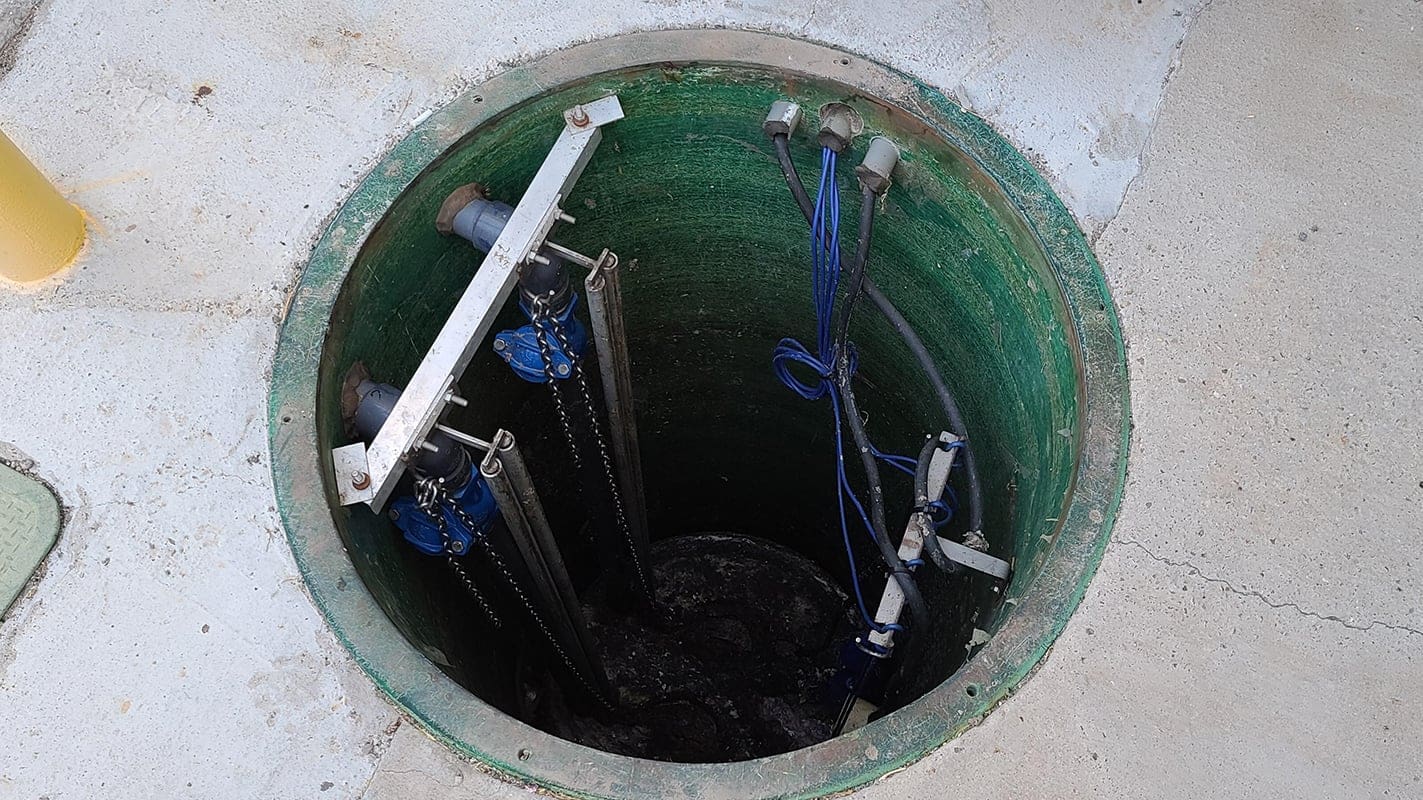
Property owners and municipalities must ensure adequate long-term operation and maintenance of installed BMPs, not just proper installation. The department recommends a full lifecycle approach: design review before construction, inspections during construction to confirm BMPs are built as designed, and continued post-construction inspection and maintenance.
The information on this page is provided for general informational purposes only and is not legal advice. Regulations change frequently — AQUALIS makes no warranty as to the accuracy or completeness of this content, and any reliance on it is at your own risk. Consult a qualified professional or your local regulatory authority to confirm requirements applicable to your specific property.