
Last Updated 08/24/2026
New Jersey Pollutant Discharge Elimination System
Chapter 6. Conditions Applicable to all NJPDES Permits
General Conditions Applicable to All Permittees
The following conditions apply to all NJPDES permits issued by the Department unless specifically exempted in the permit:
- A permittee shall comply with all the conditions of the NJPDES permit
- The discharge of any pollutant not specifically regulated in the NJPDES permit or listed and quantified in the NJPDES application or request for authorization shall constitute a violation of the permit, unless the permittee can prove by clear and convincing evidence that the discharge of the unauthorized pollutant did not result from any of the permittee’s activities which contribute to the generation of its wastewater
SCHEDULES OF COMPLIANCE
(a) The Department shall, when appropriate, specify in the permit a schedule of compliance, including interim deadlines for progress or reports of progress towards compliance with the State and Federal Acts and all other applicable authority for this chapter.
- The first NJPDES permit issued to a new source or a new discharger shall contain a schedule of compliance only when necessary to allow a reasonable opportunity to attain compliance with requirements issued or revised after commencement of construction but less than three years before commencement of the relevant discharge. For dischargers with a discharge that has been suspended for an extended period during which the submittal of DMRs has also been suspended, a schedule of compliance shall be included as part of the permit or conditions for recommencement only when necessary to allow a reasonable opportunity to attain compliance with requirements issued or revised less than three years before recommencement of the discharge.
- Except as provided in (b)1(ii) below, if a permit establishes a schedule of compliance which exceeds one year from the date of permit issuance, the schedule shall set forth interim requirements and the dates for their achievement.
- The time between interim dates shall not exceed one year except that in the case of a schedule for compliance with standards for sewage sludge use or disposal, the time between interim dates shall not exceed six months.
- If the time necessary for completion of any interim requirement (such as the construction of a control facility) is more than one year and is not readily divisible into stages for completion, the permit shall specify interim dates for the submission of reports of progress toward completion of the interim requirements and indicate a projected completion date
MONITORING
All permittees shall:
- Properly install, use, and maintain monitoring equipment and use proper monitoring methods (including biological monitoring methods when appropriate);
- Properly monitor the discharge in accordance with the monitoring type, interval, and frequency as specified in the permit;
- Certain discharges of non-contact cooling water shall be exempt from monitoring, unless specifically required by the Department, where the applicant’s activities do not affect the following constituents: COD, BOD, TSS, pH, and/or settleable solids.
- Bacterial monitoring shall not be required for facilities which do not receive wastewater containing pathogenic organisms, including fecal coliform, E. coli or enterococci organisms, unless otherwise required by the Department;
- Comply with the reporting requirements specified in the permit; and
- Monitor in accordance with the edition of the Department’s “Field Sampling Procedures Manual” applicable at the time of sampling or an alternate method approved by the Department.
RECORDKEEPING
(a) A person shall retain records of all monitoring information including all calibration and maintenance records and all original strip chart recordings for continuous monitoring instrumentation, copies of all reports required by a NJPDES permit, records of all data used to complete the application for a NJPDES permit, and records of monitoring information required by the permit related to the permittee’s residual use and/or disposal practices for a period of at least five years, or longer as required by N.J.A.C. 7:14A-20, from the date of the sample, measurement, report, application, or record. The Department may at any time, extend this period through a written notice, and require that a person retain all records listed above for a period longer than five years for, at a minimum, any of the following reasons:
- Enforcement action;
- Litigation; and
- Water quality studies.
(b) Records of monitoring information shall include:
- The date, exact place, and time of sampling or measurements;
- The individual(s) who performed the sampling or measurements;
- The date(s) analyses were performed;
- The individual(s) who performed the analyses;
- The analytical techniques or methods used; and
- The results of such analyses.
View State Page
Frequently Asked Questions
What state agency oversees stormwater compliance for property owners in New Jersey?
In New Jersey, the Department of Environmental Protection administers stormwater regulation through the New Jersey Pollutant Discharge Elimination System, commonly known as NJPDES. Under N.J.A.C. 7:14A, NJDEP issues both individual and general permits covering everything from municipal separate storm sewer systems to construction activity and public complex stormwater discharges. Rather than trying to determine which NJDEP permit category applies to your property, AQUALIS handles that determination for property owners across New Jersey and manages compliance directly with the Department.
My property in New Jersey has a stormwater basin from a past development. What are my ongoing responsibilities?
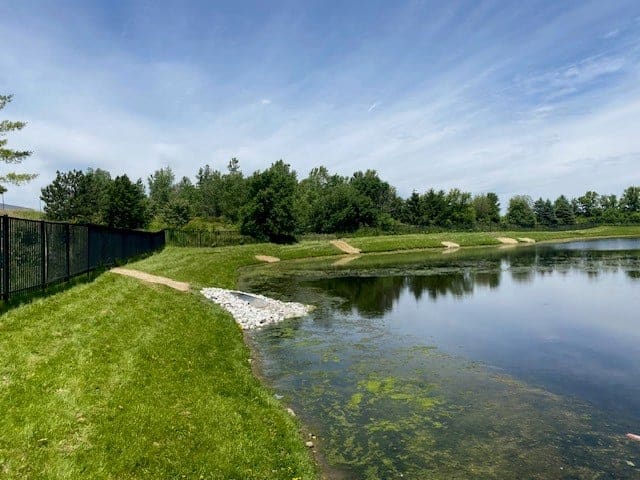
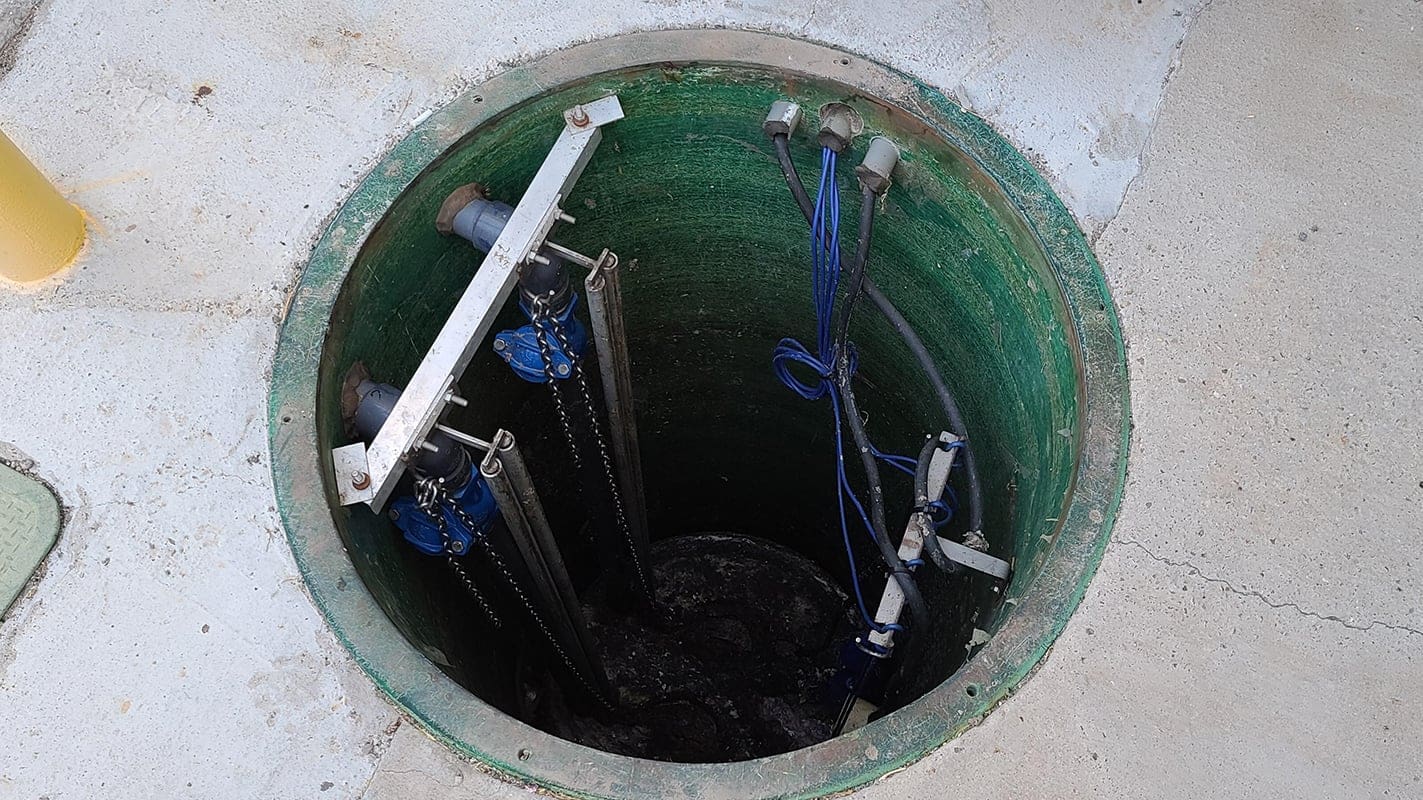
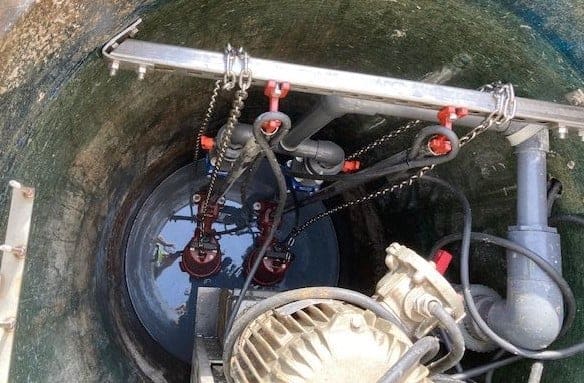
Once construction ends, New Jersey property owners remain responsible for the long term operation and maintenance of any stormwater management facility on their site, including detention and retention basins, outlet structures, and infiltration systems. NJDEP’s permit conditions require that facilities be kept in good working order, with regularly scheduled inspection and maintenance so the system continues performing as designed. AQUALIS manages this post-construction maintenance obligation for property owners throughout New Jersey, so the facility keeps functioning long after the original builder has moved on.
Do I need a written maintenance plan for my stormwater facility in New Jersey?
Yes, in most New Jersey municipalities a maintenance plan is a required part of stormwater facility approval, and it typically needs to specify preventative maintenance tasks and schedules, cost estimates for sediment and debris removal, and contact information for the party responsible for upkeep. This requirement is consistent with how the City of Camden, New Jersey structures its own post-construction maintenance obligations for property owners. AQUALIS prepares and maintains these plans for property owners across New Jersey, keeping the documentation current as local requirements evolve.
What happens if my New Jersey property is found out of compliance with stormwater requirements?
Municipalities across New Jersey, following the enforcement structure set by NJDEP, generally have the authority to inspect stormwater facilities and issue a Notice of Violation when a facility is not being properly maintained. In Camden, New Jersey, for example, property owners are given 14 days to correct a deficiency once notified. If a New Jersey property owner fails to correct noncompliance, civil and administrative penalties can follow under the state’s enforcement framework. AQUALIS helps New Jersey property owners resolve a Notice of Violation quickly, correcting the issue and working with the local agency or NJDEP to bring the property back into compliance.
Where can I find a single point of contact for stormwater compliance across multiple properties in New Jersey?
The information on this page is provided for general informational purposes only and is not legal advice. Regulations change frequently — AQUALIS makes no warranty as to the accuracy or completeness of this content, and any reliance on it is at your own risk. Consult a qualified professional or your local regulatory authority to confirm requirements applicable to your specific property.