
Did you receive a Notice of Violation (NOV)? Contact AQUALIS today to learn how to resolve the issue.

Back to Compliance
New York Local Compliance

State of New York

At AQUALIS, we know New York's sustainable water compliance standards and manage regulator relations for our clients.

It is our mission to help you become compliant with these stormwater, wastewater and drinking water regulations through inspections, maintenance, repairs and rehabilitation services. As your water compliance provider, we handle the regulatory guidelines specific to New York and ensure that our services meet the highest compliant procedures to keep you in compliance with local regulators.

Last Updated 08/21/2026

New York Stormwater Laws & Regulations

EXCERPT- NYS Stormwater Website

Regulatory Requirements

The U.S.EPA and NYSDEC are increasing their attention in several ways. There are three State Pollutant Discharge Elimination System (SPDES) general permits required for activities associated stormwater discharges.

EXCERPT-Stormwater permit for construction activity

Before commencing construction activity, the owner or operator of a construction project that will involve soil disturbance of one or more acres must obtain coverage under the State Pollutant Discharge Elimination System (SPDES) General Permit for Stormwater Discharges from Construction Activity.

In the New York City East of Hudson watershed, this requirement also applies to construction projects disturbing more than 5,000 square feet to one acre of land. Some exceptions to the requirements exist for agricultural projects, certain silvicultural projects and routine maintenance activities.

EXCERPT- New York Codes, July 2018

Title 6 Department of Environmental Conservation Chapter X Division of Water Resources Subchapter A. General Article 3. State Pollutant Discharge Elimination System Part 750 State Pollutant Discharge Elimination System (SPDES) Permits

SPDES permits issued for discharges to waters of the State other than groundwaters shall be valid for a fixed term not to exceed five years. SPDES permits issued for discharges to groundwaters shall be valid for a term not to exceed 10 years.
(a) Any permittee who intends to continue to discharge beyond the period of time covered in the applicable SPDES permit must file for renewal of the permit at least 180 days prior to its expiration. Filing for renewal shall be made by the permittee on forms provided by the department.
(a) To transfer a permit to a new owner or operator, written application for permit modification must be made to the department on the forms provided by the department for permit transfers.
(b) In order for operation of the facility to continue without interruption, application must be made at least 30 days in advance of the transfer.
(c) If, when the ownership or operation is transferred, the volume or composition of the facility discharge will be altered beyond that provided for in the permit, a new application for permit shall be required.
(a) The department may deny an application for a SPDES permit if the department determines:
(1) that the discharge will result in contravention of effluent limitations, water quality standards or guidance values;
(2) that the permittee or applicant has been convicted of a crime related to the permitted activity under any Federal or State law; or
(3) the permittee or applicant has been determined in an administrative, civil or criminal proceeding to have violated any provision of the ECL, any related order or determination of the commissioner, any regulation of the department, any condition or term of any permit issued by the department, or any similar statute, regulation, order or permit condition of the Federal or other state government, or agency, on one or more occasions and in the opinion of the department, the violation that was the basis for the action posed a significant potential threat to the environment or human health, or is part of a pattern of noncompliance.
(b) In addition to the criteria set forth in Part 621 of this Title for suspension or revocation of a permit, the department may suspend or revoke a SPDES permit if the department determines:
(1) the establishment that would be or is the source of the permitted discharge has not operated and is not likely to operate during the term of the permit;
(2) that the permittee or applicant has been convicted of a crime related to the permitted activity under any Federal or State law;
(3) the permit was issued erroneously or by mistake;
(4) the permit was obtained through fraud, deceit, or through the submission of incorrect data; or
(5) the permittee was negligent, or practiced fraud or deceit, in the performance of the permitted activities.
The permittee shall allow the commissioner, the regional administrator, the applicable county health department, or their authorized representatives, upon the presentation of credentials and other documents as may be required by law, to:
  • enter upon the permittee’s premises where a regulated facility or activity is located or conducted, or where records must be kept under the conditions of a SPDES permit;
  • have access to and copy, at reasonable times, any records that must be kept under the conditions of the permit, including records required to be maintained for purposes of operation and maintenance;
  • inspect at reasonable times any facilities, equipment (including monitoring and control equipment), practices, or operations regulated or required under the permit;
  • sample or monitor at reasonable times, for the purposes of assuring permit compliance or as otherwise authorized by the act or ECL, any substances or parameter sat any location;
  • enter upon the property of any contributor of wastewater to the system under authority of the permittee’s Sewer Use Law, ordinance (municipalities) or regulations; and
  • if any part of the permittee’s sewer system or sewage treatment works is located on any property not owned by the permittee, the permittee must be able to reasonably demonstrate to the satisfaction of the department that it has legal access to these locations or facilities and ensure that the commissioner, the regional administrator or the county health department or any authorized representative thereof, upon presentation of credentials, will have access to these locations and facilities.

View State Page

Frequently Asked Questions

Post-construction stormwater management covers the ongoing responsibility to keep stormwater practices installed on your property functioning under New York State’s Department of Environmental Conservation, which oversees the State Pollutant Discharge Elimination System, or SPDES, program. If your property in New York State went through construction requiring SPDES coverage, either through the state’s Construction General Permit or a local Municipal Separate Storm Sewer System permit, the post-construction obligations from that approval continue for the life of the facility. AQUALIS provides SWMP and SWPPP inspection, recertification, and stormwater management design for property owners across New York State, so obligations under these permits are met long after construction ends.

Transferring a SPDES permit in New York State requires a written application submitted at least 30 days in advance of the transfer, ensuring the new owner or operator formally takes on the permit’s ongoing obligations. Skipping this step can leave both the buyer and seller unclear about who is responsible for post-construction compliance. AQUALIS helps New York State property owners manage the permit transfer process during a sale, so responsibility for the stormwater facility is clearly and properly assigned.

It depends on the type of permit your property or facility operates under. Industrial facilities covered by the Multi-Sector General Permit must submit annual monitoring reports to NYSDEC, while municipalities operating under an MS4 permit must submit their own annual reports on their Stormwater Management Program. Property owners within an MS4 community may have obligations that feed into that municipal reporting. AQUALIS manages annual monitoring and reporting obligations for New York State property owners and facilities under these SPDES permit types.

Post-construction stormwater compliance in New York State involves SPDES permit obligations, SWPPP and SWMP maintenance, five-year permit renewal cycles, transfer requirements, and unannounced regulatory inspections. Managing all of this without dedicated stormwater staff is difficult for most property owners. AQUALIS offers stormwater management design, SWMP and SWPPP inspection and recertification, and non-compliance resolution and prevention for property owners across New York State, so owners can meet NYSDEC’s requirements without managing the process themselves.

The information on this page is provided for general informational purposes only and is not legal advice. Regulations change frequently — AQUALIS makes no warranty as to the accuracy or completeness of this content, and any reliance on it is at your own risk. Consult a qualified professional or your local regulatory authority to confirm requirements applicable to your specific property.
Services Offered in State of New York and Surrounding Area

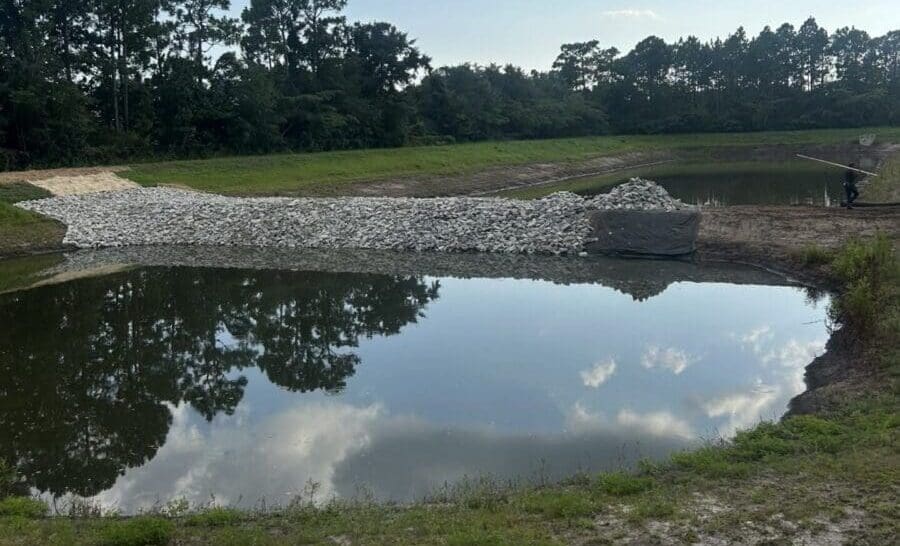
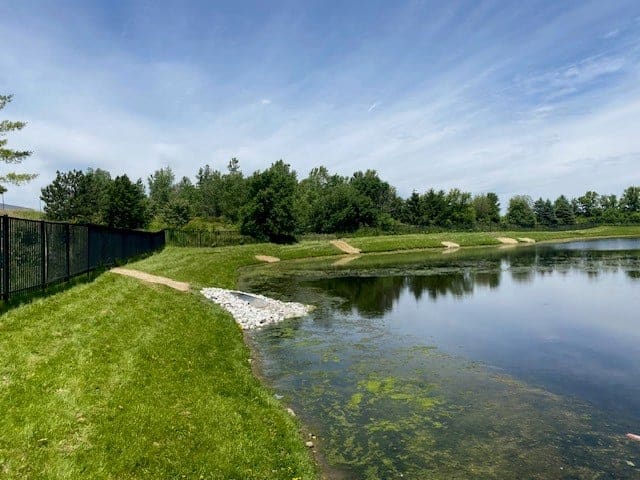
retention pond and grass shore

Stormwater Management

AQUALIS provides comprehensive stormwater services across the United States. From inspection and maintenance to repairs and rehabilitations, AQUALIS manages water on your property so you do not have to.
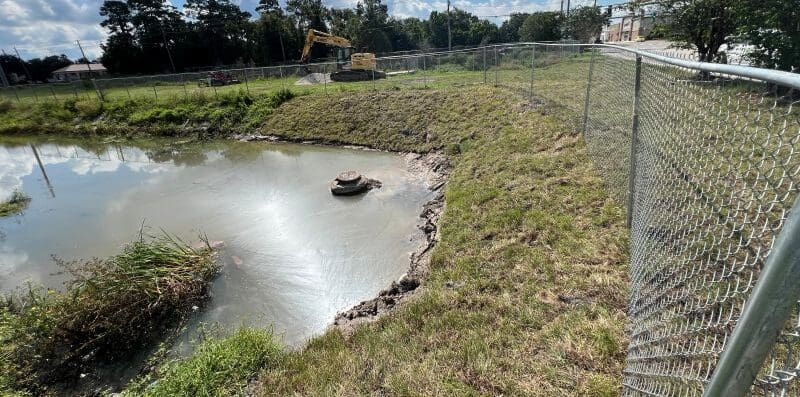
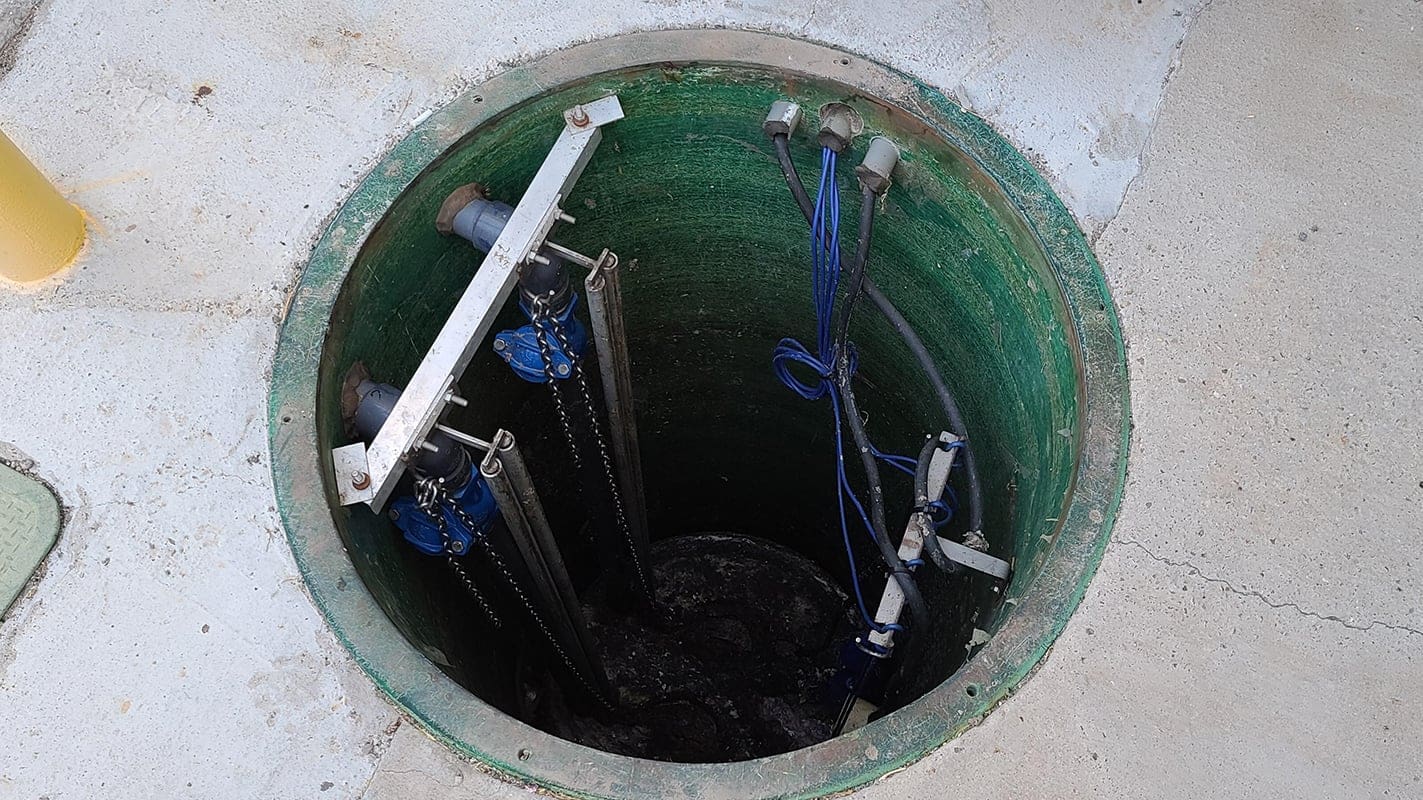
lift station

Wastewater Management

AQUALIS offers sustainable wastewater solutions including inspection, maintenance and repairs.
Three people reviewing plans

Sustainable Water Engineering

AQUALIS provides sustainable engineering services, in states in which we are licensed, from concept through construction, working closely with our clients to identify and deliver their ideal solutions.
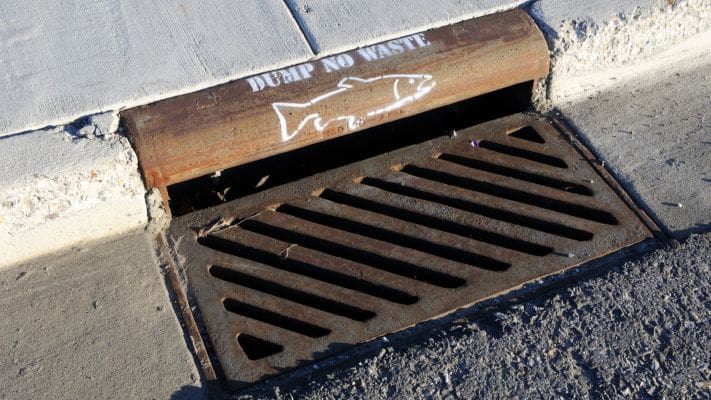
storm drain

Monitoring & Reporting

There are multiple requirements and records that need to be kept from your SWPPP to inspections and depending on your industry, stormwater sampling and analysis.
person holding a beaker

Water Quality Testing

AQUALIS offers water quality testing for stormwater, wastewater and drinking water.

Case Studies

during construction of a new bridge in fox point, wisconsin

Green Infrastructure Protects Bridges in Fox Point, Wis.

Severe erosion threatened twin bridges spanning a ravine overlooking Lake Michigan. AQUALIS combined green and gray infrastructure to stabilize the slopes and protect critical infrastructure.

Comprehensive Lift Station Overhaul Restores Sanitary Service at Industrial Facility in Mount Vernon, Wash. 

After years of continuous service, an industrial facility's sanitary lift station had reached the end of its serviceable life. AQUALIS executed a full overhaul, replacing the pumps, plumbing, controls and in-well hardware to return the station to reliable, code-compliant operation.
Muffin Monster installation

Sanitary Lift Station Grinder Installation and System Reliability Improvement in Katy, Texas

AQUALIS addressed recurring sanitary lift station failures at a retail facility in Katy, TX, by identifying the upstream solids issue driving repeated emergency callouts. The project included installation of an inline Muffin Monster grinder, controls integration and full site restoration to improve system reliability and reduce reactive maintenance.
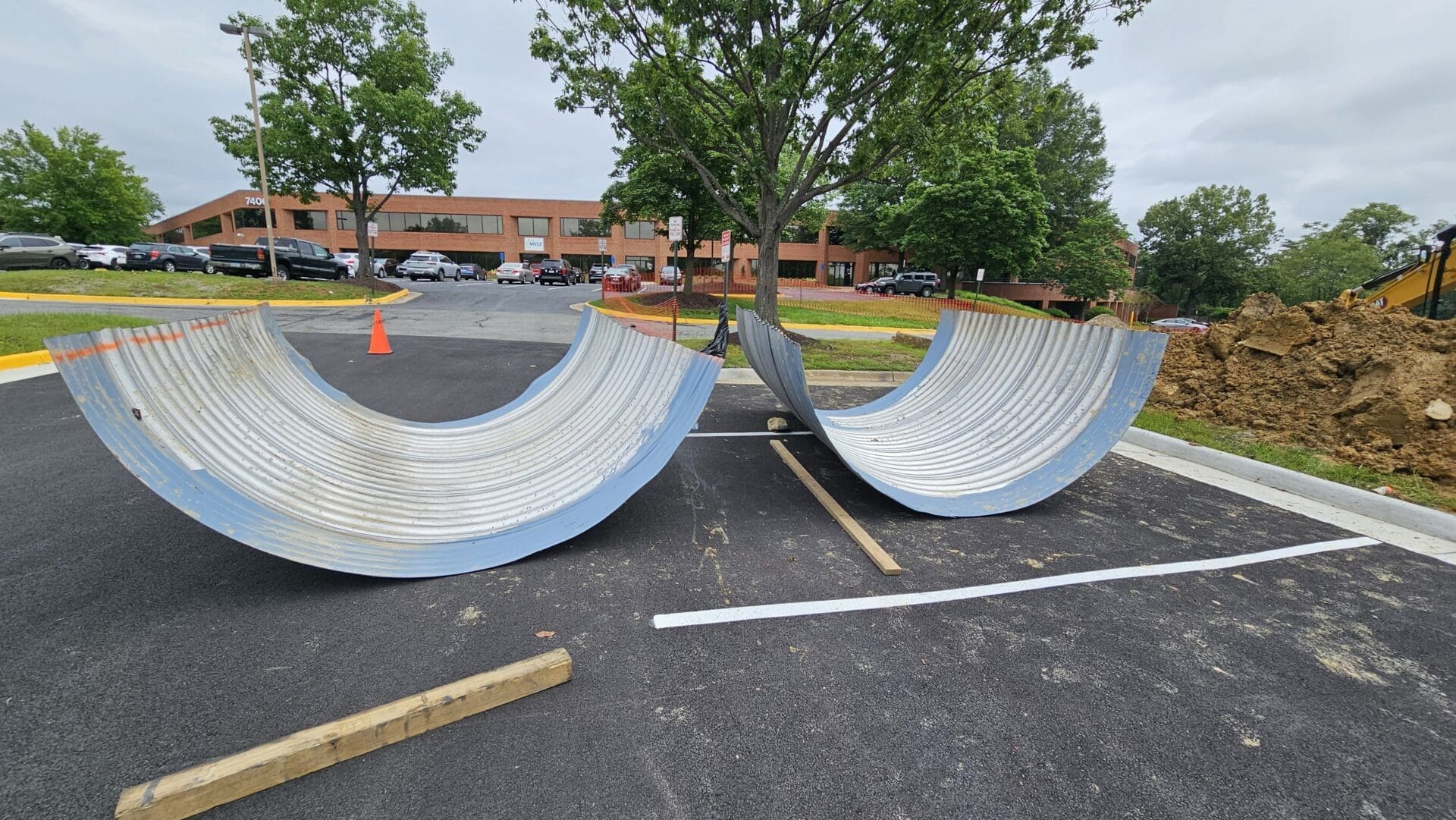
cut pipes laying in a parking lot

Parking Lot Sinkhole Leads to Underground Pipeline Reconstruction in Springfield, Va.

A large sinkhole at a commercial property in Springfield, Virginia led to full reconstruction of the site’s underground stormwater detention system. AQUALIS managed the phased demolition, geotechnical evaluation, utility coordination and installation to restore long-term stability and performance.
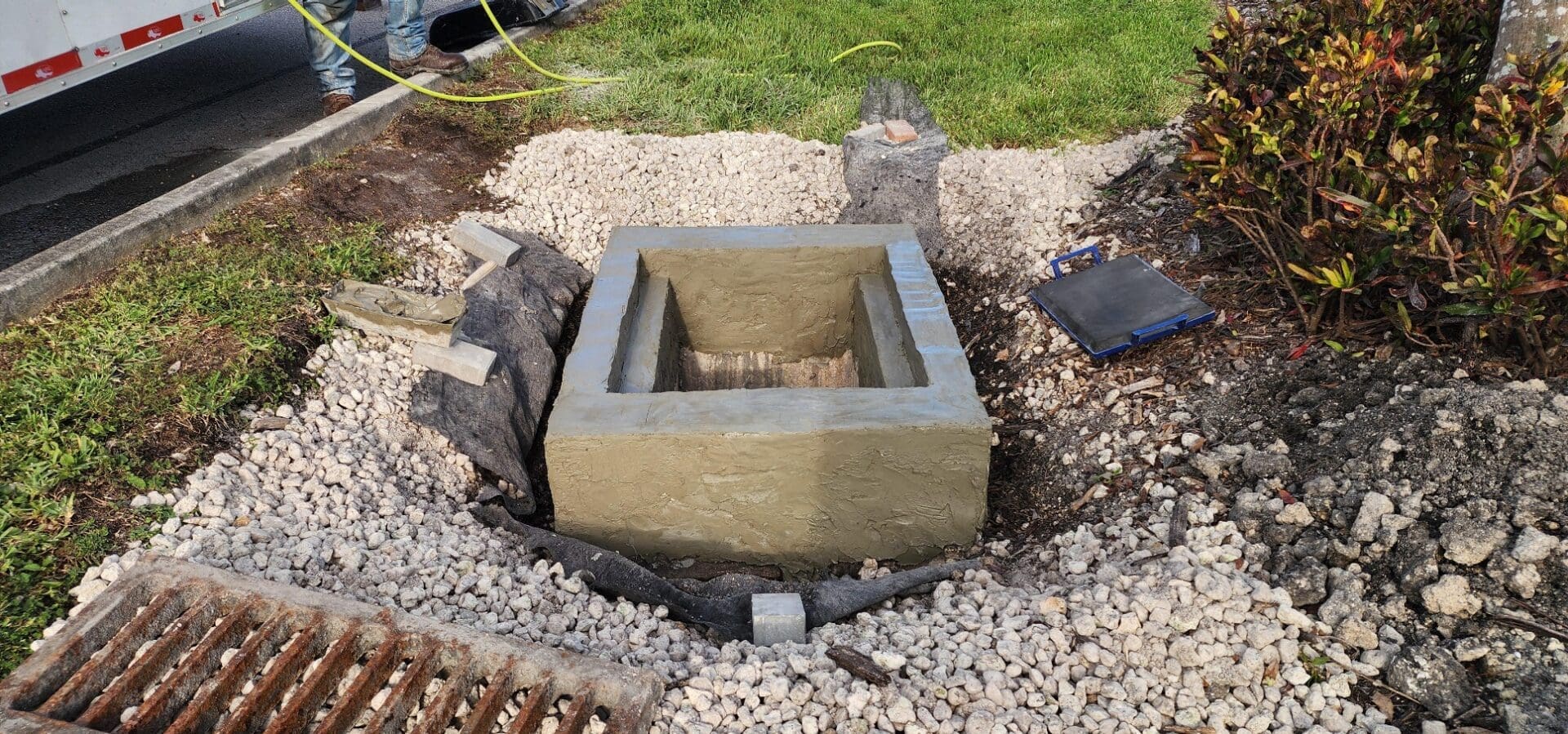
new catch basin

Manhole Root Intrusion Repair and System Assessment in Miami, Fla.

Sediment buildup, buried structures and root intrusion prompted a Miami shopping center to partner with AQUALIS to inspect, clean and restore key components of its stormwater system
uv light entering pipe

How Stormwater Pipe Inspection & UV Rehabilitation Restored Flow in New Bern, N.C.

A facility relies on an underground stormwater system to move runoff to a nearby retention basin. A 36-inch pipe plays a key role, but concerns emerged as flooding occurred during heavier rainfall.
new riprap for a pond

Facility Pond Shoreline Stabilization Addresses Erosion in Findlay, Ohio

Years of erosion driven by fluctuating pond levels and site runoff led to shoreline damage across this distribution property. AQUALIS implemented targeted repairs to stabilize the pond and restore stormwater control.
retention pond

Fixing Pond Erosion to Restore and Improve Stormwater Function in Mebane, N.C.

The customer requested maintenance of stormwater management principles located on the property. Lack of routine preventive maintenance had caused overgrowth, leading to insufficient stormwater systems.
inside of a lift station

Upgrading Failing Lift Stations to Restore Stormwater Flow in Peru, Ind.

The three lift stations on this property had not been serviced in several years and were showing signs of deterioration. The property owner contacted AQUALIS to perform a full inspection and recommend repairs to restore reliable operation and prevent future system failures.
pond after stormwater repairs

Stormwater Repairs Ensure Regulatory Compliance in Charlotte, N.C.

Learn how AQUALIS completed stormwater system restoration ahead of a compliance audit, ensuring the property met regulatory standards and was fully prepared for inspection.
AQUALIS employee removing the old valve

Gate Valve Replacement Improves Stormwater Flow Control in Durham, N.C.

Learn how AQUALIS helped a high-traffic commercial property stay in compliance by replacing a critical stormwater valve, preventing costly backups and ensuring system functionality.
tape measurer in underground detention system

Restoring Underground Detention Systems to Prevent Flooding in Morrisville, N.C.

AQUALIS restored stormwater systems at a restaurant after city inspections revealed deficiencies. The team ensured proper drainage, improved water quality and regulatory compliance.

Did you receive an NOV? Have an urgent need? We can help.

Notices of Violation (NOVs) or Corrective Notices should be taken seriously. Contact AQUALIS today to learn how to resolve the issue and comply with regulations.