

Last Updated 07/28/2026
Sediment Control and Stormwater Management Ordinance of Sussex County, Delaware
§ 90-3 Purpose
§ 90-5 Plan required for building permit.
§ 90-6 Suspension and revocation of permit.
E. An immediate danger exists in a downstream area in the opinion of the District.
§ 90-7 Inspection and maintenance agreement.
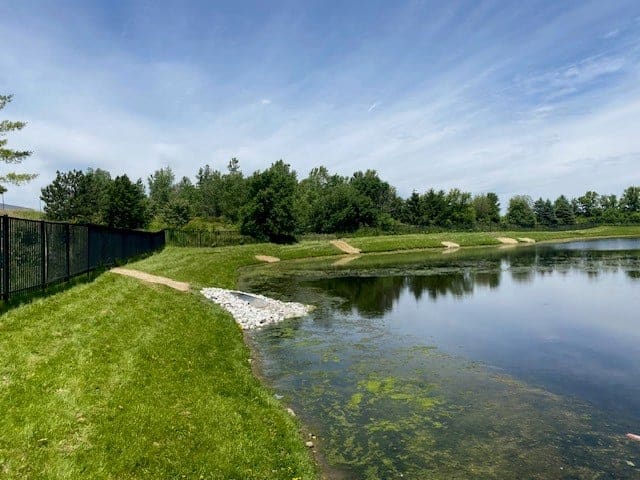
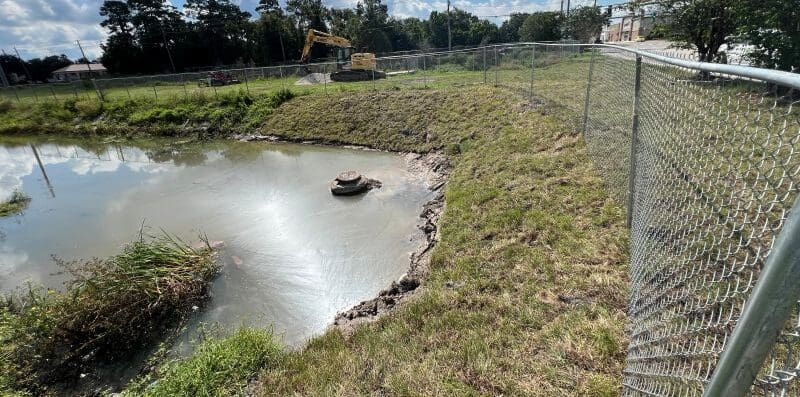
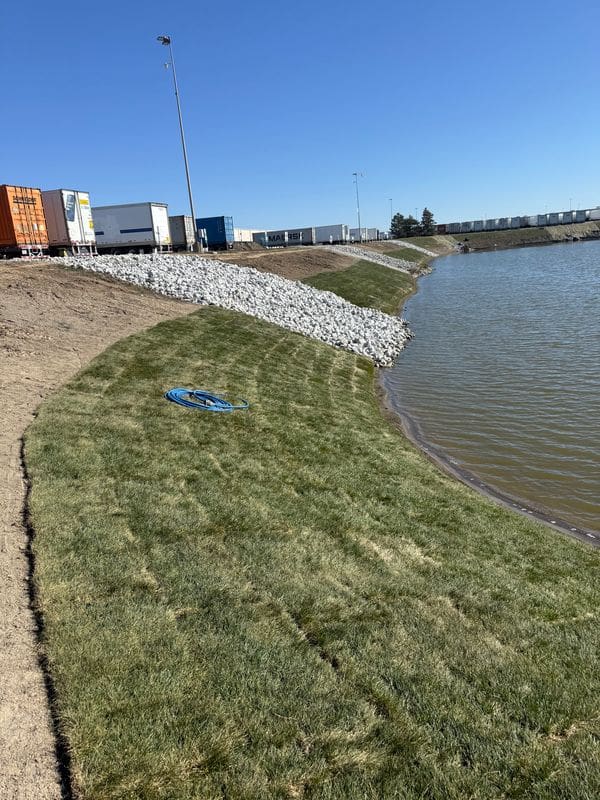
Prior to the issuance of any building permit for which stormwater management is required, the District shall require the applicant or owner of the land to execute an inspection and maintenance agreement binding on all subsequent owners of land served by the private stormwater management pond. Infiltration, sediment control and vegetative cover maintenance are the responsibility of the individual landowners. Such agreement shall provide for access to the facility at reasonable times for regular inspection by the Department of Natural Resources and Environmental Control or the District or its authorized representative. Deed restrictions applicable within subdivisions shall include provisions for the maintenance by the property owners for the facility to ensure that the facility is maintained in proper working condition to meet the design standards and any provisions established by the District. Access rights-of-way shall, to the extent possible, be in easements for utilities.
View State Page
Frequently Asked Questions
Can I get a building permit in Sussex County without a stormwater plan?
No. Sussex County won’t issue a building permit until the Sussex Conservation District has approved a sediment control and stormwater management plan meeting Delaware’s Sediment and Stormwater Regulations, along with an individual grading plan meeting the county’s own Drainage and Grading Requirements. A certificate of occupancy separately requires submitting a lot grading certificate.
Does my building permit include an inspection and maintenance agreement automatically?
Yes, and it has to be executed before the permit is issued. The Sussex Conservation District requires the applicant or landowner to sign an agreement binding all future owners of land served by a private stormwater management pond, so the obligation transfers automatically whenever the property changes hands.
Can Sussex County or the state inspect my private stormwater pond without warning?
The agreement itself grants that access. It has to provide for entry to the facility at reasonable times for regular inspection by DNREC, the Sussex Conservation District, or an authorized representative, so consenting to that access is a condition of getting your permit in the first place, not something negotiated later.
Can Sussex County revoke my grading or building permit after it's issued?
Yes, for several specific reasons: violating the approved stormwater plan, site runoff characteristics changing from what a waiver was based on, construction that doesn’t match the approved plans or expands the disturbed area, failing to comply with a DNREC correction notice or stop-work order, or an immediate downstream danger in the Conservation District’s judgment.
What happens if the Sussex Conservation District revokes my permit?
You have to submit a new sediment control and stormwater management plan for approval after receiving written notice explaining why. That’s a full resubmission, not just a corrective patch to the original plan.
Does a subdivision in Sussex County need deed restrictions tied to stormwater maintenance?
Yes. Deed restrictions within a subdivision have to include provisions requiring property owners to maintain the stormwater facility so it continues meeting design standards and any Conservation District requirements, and access rights-of-way should be established as easements for utilities wherever possible.
How can AQUALIS help my property stay compliant with Sussex County's stormwater ordinance?
AQUALIS helps Sussex County property owners prepare the sediment control and stormwater management plans required before permitting, maintain private stormwater ponds under the terms of their inspection and maintenance agreement, and respond to permit suspension or revocation before it stalls a project.
Who is responsible for maintaining a private stormwater pond in Sussex County?
The individual landowner. Infiltration, sediment control, and vegetative cover maintenance are all explicitly the landowner’s responsibility under the inspection and maintenance agreement, not the county’s or the Conservation District’s.
The information on this page is provided for general informational purposes only and is not legal advice. Regulations change frequently — AQUALIS makes no warranty as to the accuracy or completeness of this content, and any reliance on it is at your own risk. Consult a qualified professional or your local regulatory authority to confirm requirements applicable to your specific property.