

Last Updated 08/14/2026
Stormwater Management Expectations in Akron
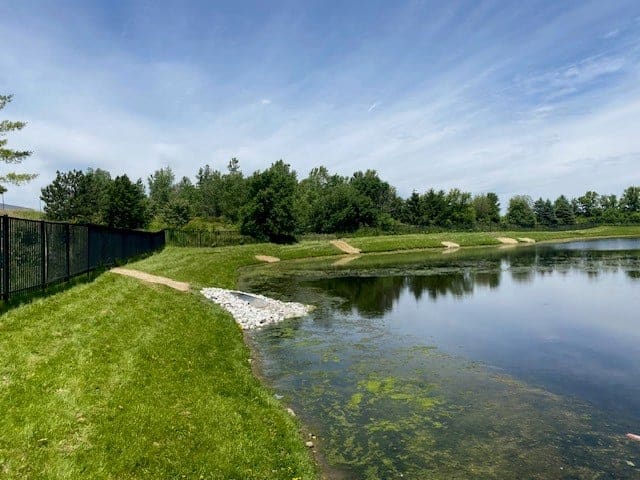
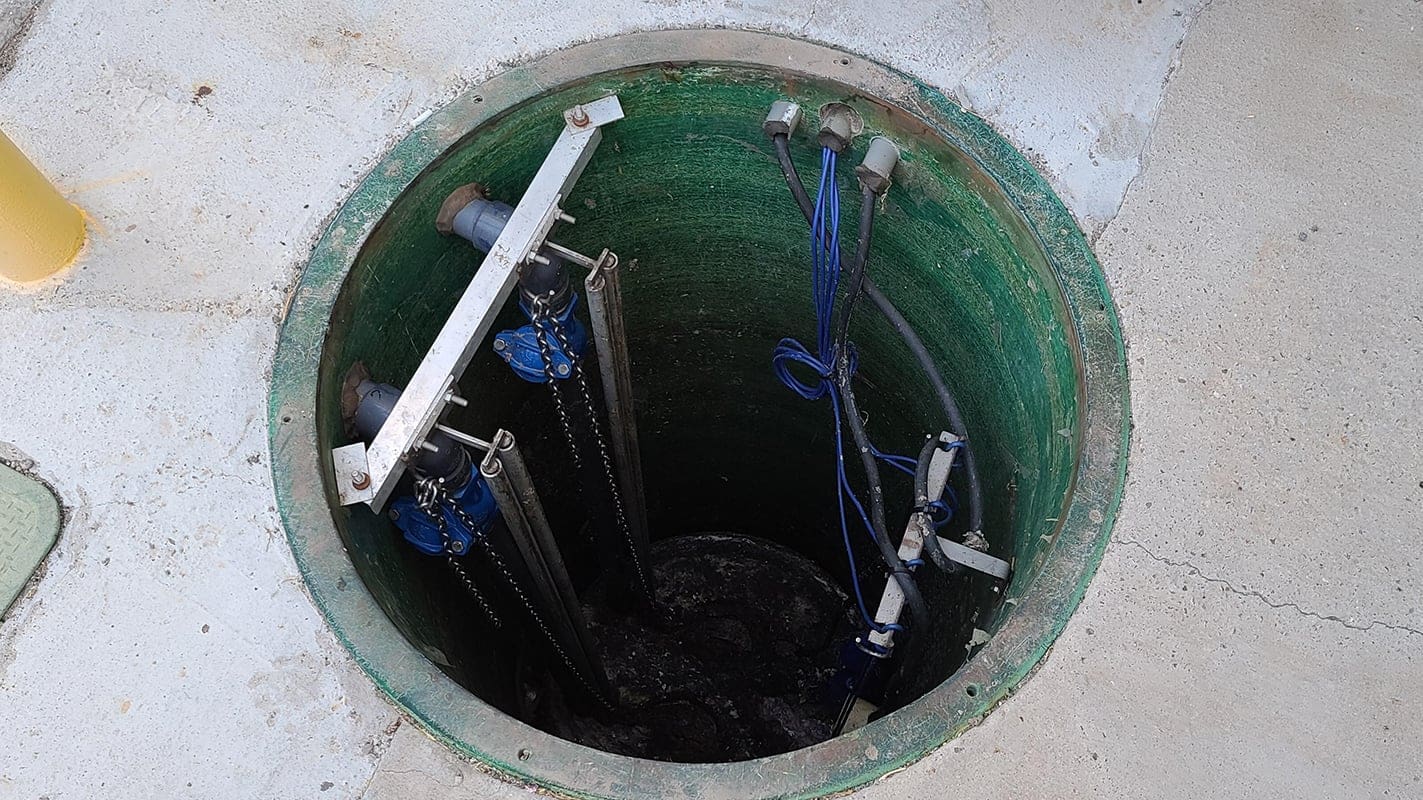
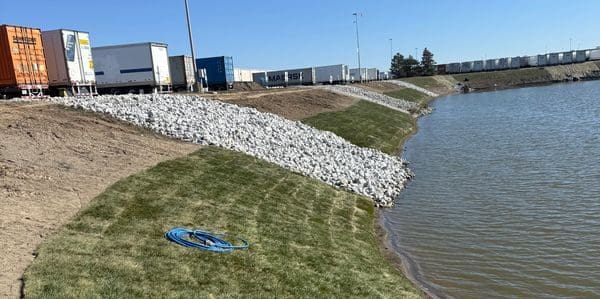
The City of Akron has enacted stormwater ordinances in order to comply with state and federal regulations and to manage stormwater in a responsible and efficient manner. The City of Akron is the permitting authority for all land disturbing activities and requires the land owner to maintain all on-site stormwater control facilities and all open space areas (e.g. parks or “green” areas) required by the approved stormwater control plan. The City of Akron will only provide construction permits to projects that establish a plan to manage stormwater runoff occurring during the construction process. The City of Akron, under the NPDES program, also has the authority to inspect properties for noncompliance and can issue a notice of violation (NOV) for any deficiency or infraction onsite. Property owners are responsible for the maintenance of any stormwater facilities or practices located on the property. The City of Akron has the authority to inspect stormwater facilities and practices in order to ascertain that they properly maintained and functioning.
Municipalities collect and discharge storm water and urban runoff containing pollutants through Municipal Separate Storm Sewer Systems (MS4s), from which it is often discharged untreated into local water bodies. Each regulated MS4 is required to develop and implement a stormwater management program (SWMP) to reduce the contamination of stormwater runoff and prohibit illicit discharges.
The City of Akron is nearing the end of its third five year permit for the National Pollution Discharge and Elimination System (NPDES) Phase I program. This program is regulated by the Ohio Environmental Protection Agency (Ohio EPA). The goal of this mandate is to control pollutants entering municipal storm water systems that discharge into receiving waters of the State of Ohio. The Storm Water Management Program contains the City’s efforts to reduce pollutants in urban runoff and storm water to the maximum extent practicable.
USEPA Requirements
The 1972 Clean Water Act established the National Pollutant Discharge Elimination System (NPDES) permit program to regulate the discharge of pollutants from point sources to waters of the United States (US). Since then, considerable strides have been made in reducing conventional forms of pollution, such as from sewage treatment plants and industrial facilities, through the implementation of the NPDES program and other federal, state, and local programs. The adverse effects of some of the persistent toxic pollutants were addressed through manufacturing and use restrictions and through cleanup of contaminated sites. On the other hand, pollution from land runoff (including atmospheric deposition, urban, suburban, and agricultural) was largely unabated until 1987 Clean Water Act amendments, which established a framework for regulating urban storm water runoff. Diffuse sources, including urban storm water runoff, now contribute a larger portion of many kinds of pollutants than the more thoroughly regulated sewage treatment plans and industrial facilities.
Non-point source pollution, the diffuse pollution not traceable to a specific source, causes public health risk and safety concerns. Urban runoff potentially contain a host of pollutants like trash and debris, bacteria and viruses, oil and grease, sediments, nutrients, metals, and toxic chemicals. These contaminants can adversely affect receiving waters, associated biology, and public health. While the impact of urban runoff pollution may not be immediately realized, the eventual effect can be dramatic. Urban runoff pollution is not only problem during rainy seasons, but also year-round due to urban water use.
Storm water pollution affects human life and aquatic plant and animal life. Potentially harmful viruses and bacteria are now found in our coastal waters along with soil particles, solids/ debris, litter, oil, and chemical compounds. Oil and grease from parking lots and roads, leaking petroleum storage tanks, pesticides, cleaning solvents, and other toxic chemicals can contaminate storm water and this contamination can be transported into water bodies and receiving waters. Fertilizer from lawns and golf courses can cause algal blooms and encourage microbial growth. Disturbances of the soil from construction can allow silt to wash into storm channels and receiving waters making them muddy, turbid, and inhospitable to natural aquatic organisms. Many artificial surfaces of the urban environment such as galvanized metal, paint, or preserved wood containing metals, contribute to pollution by run on or leaching by storm water as the surfaces corrode, flake dissolve, or decay. Heavy metals are toxic to aquatic organisms and may bio-accumulate.
Because of the intermittent, variable and unpredictable nature of storm water discharges, the US Environmental Protection Agency (EPA), which administers the Clean Water Act, reasoned that the problems caused by storm water discharges were better managed at the local level through non-point source controls such as the use of specific management practices to prevent the pollutants from entering storm water and urban runoff. These practices are called Best Management Practices (BMPs). The US EPA has delegated its authority to the State of Ohio. The State exercises its delegated authority through its agency, the Ohio EPA, which issues NPDES permits to local jurisdictions including the City of Akron. These permits require the implementation of programs to reduce pollutants in storm water and urban runoff.
7.3.4 Allowable Best Management Practices (BMPs)
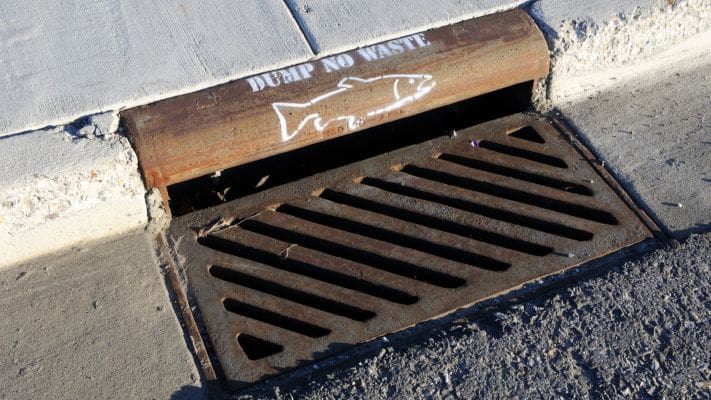
Illicit discharges cause water pollution by sending pollutants right into creeks, streams, ponds, and lakes.
An illicit discharge is an unlawful act of disposing, dumping, spilling, emitting, or other discharge of any substance other than stormwater into the stormwater drainage system. The stormwater drainage system includes streets, ditches, catch basins, yard inlets, lakes, and streams.
Below are some examples of illicit discharges:
- Paint being poured into or near the storm drainage system
- Washing vehicles where the runoff could drain into the storm drainage system
- Changing oil or antifreeze over or near a storm structure
- Washing parking areas or dumpster pads and allowing the runoff to drain into the storm drainage system
Construction Program
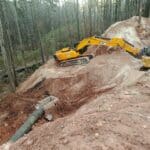
Storm water runoff from construction activities can have a significant impact on water quality. As storm water flows over a construction site, it can pick up pollutants like sediment, debris, and chemicals and transport these to a nearby storm sewer system or directly to a river, lake, or coastal water. Polluted storm water runoff can harm or kill fish and other wildlife. Sedimentation can destroy aquatic habitat, and high volumes of runoff can cause stream bank erosion. Debris can clog waterways and potentially reach larger bodies of water where it can kill marine wildlife and impact habitat.
The NPDES storm water program requires construction site operators engaged in clearing, grading, and excavating activities that disturb 1 acre or more, including smaller sites in a larger common plan of development or sale, to obtain coverage under an NPDES permit for their storm water discharges. The City adopted regulations for erosion and sediment control at construction sites as well as Post-Construction water quality. Ohio EPA remains the permitting authority and operators must meet the requirements of the EPA Construction General Permit. Most construction activities are covered by the general NPDES stormwater permit for construction activity, but some construction sites need individual permit coverage.
View State Page
Frequently Asked Questions
What stormwater regulations apply to properties in Akron, Ohio?
Properties in Akron fall under the city’s NPDES permitting program, which the City of Akron administers as the local permitting authority under oversight from the Ohio Environmental Protection Agency. The city regulates both construction-phase erosion and sediment control and post-construction water quality requirements. Akron properties with stormwater control measures are also subject to Ohio’s statewide Standards for Stormwater Management, Land Development and Urban Stream Protection.
Who enforces stormwater compliance in Akron?
The City of Akron serves as the permitting authority for land disturbing activities and stormwater facility inspections under its NPDES program. The city has the authority to inspect properties for noncompliance and issue notices of violation for deficiencies.
What are property owners responsible for after a stormwater project is complete in Akron?
Once a project is complete, property owners are responsible for maintaining all on-site stormwater control facilities and open space areas in accordance with the approved stormwater control plan. This includes any stormwater facilities or practices located on the property, on an ongoing basis, not just during construction.
Does the City of Akron inspect stormwater facilities on private property?
Yes. The City of Akron has the authority to inspect stormwater facilities and practices on private property to confirm they are properly maintained and functioning as designed.
What happens if the City of Akron finds my stormwater facility isn't being maintained?
The city can issue a notice of violation for deficiencies found during inspection. Property owners are expected to address the issue to bring the facility back into compliance with the approved stormwater control plan.
Do Akron properties also have to follow Ohio's statewide stormwater maintenance standards?
Yes. In addition to the city’s permitting and inspection authority, Akron properties with stormwater control measures such as ponds, bioretention areas, permeable pavement, infiltration trenches, or sand filters must meet Ohio’s statewide maintenance standards, including specific inspection frequencies and sediment removal thresholds for each system type.
How can AQUALIS help with stormwater compliance in Akron?
AQUALIS provides stormwater inspections and maintenance to both city and state standards, helps property owners prepare for and respond to City of Akron inspections and notices of violation, supports post-construction stormwater control plan compliance, and provides ongoing record-keeping so property owners have documentation ready if the city requests it.
The information on this page is provided for general informational purposes only and is not legal advice. Regulations change frequently — AQUALIS makes no warranty as to the accuracy or completeness of this content, and any reliance on it is at your own risk. Consult a qualified professional or your local regulatory authority to confirm requirements applicable to your specific property.