

Last Updated 07/28/2026
Bryan Regulations
Post Construction Storm Water Management
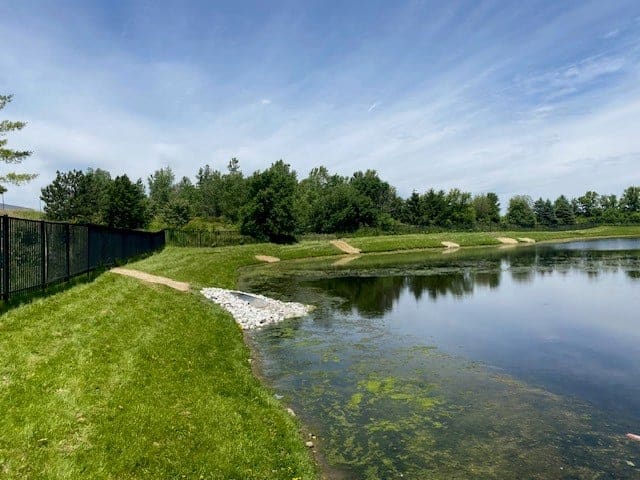
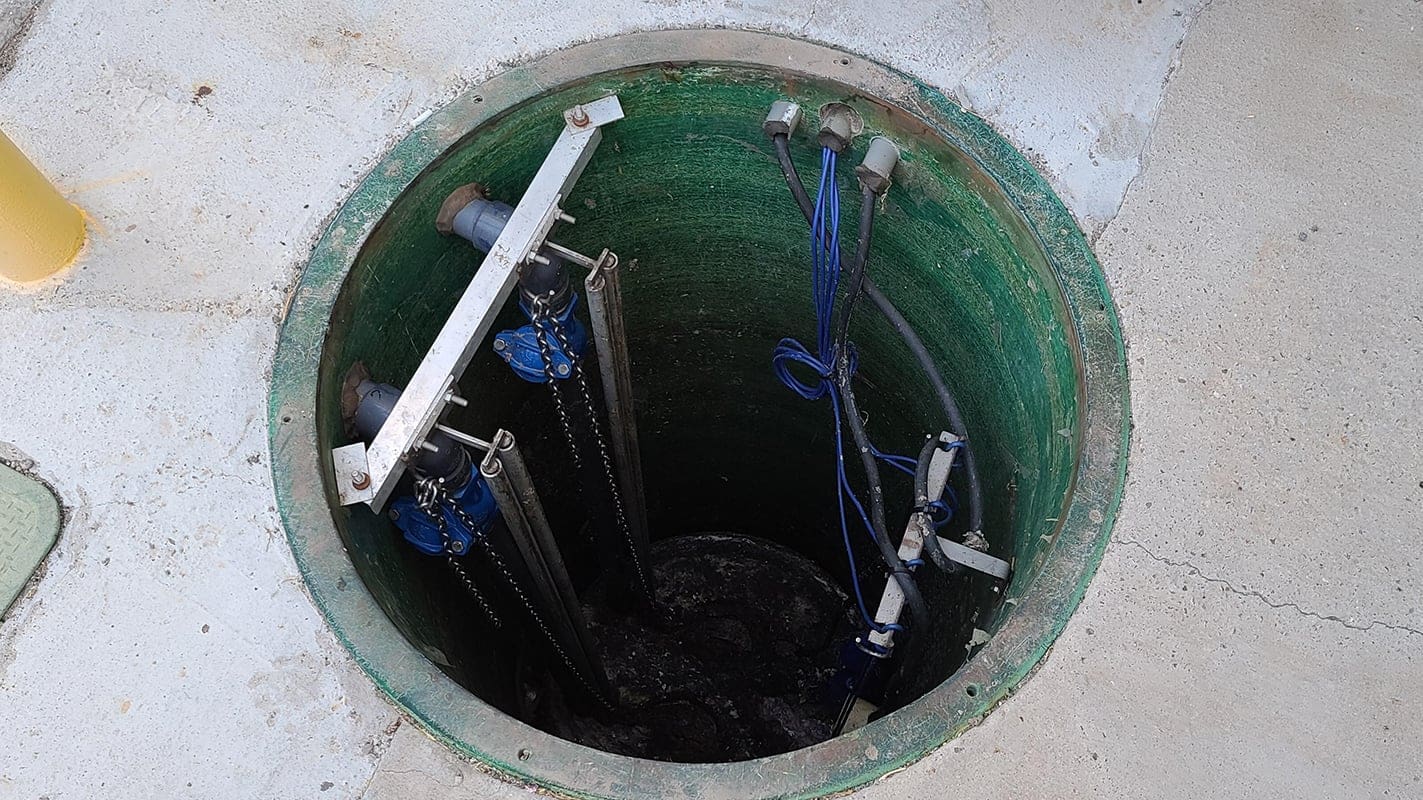
Best Management Practices (BMPs) in this category address storm water runoff from areas of new development and redevelopment. Unlike the temporary BMPs during construction, post-construction BMPs are permanent and are used to control pollution after construction is completed. Post-construction BMPs should be incorporated into development projects and provide for the long-term operation and maintenance of post-construction BMPs.
Bryan’s Storm Water Management Program contains four BMPs in the Post Construction Storm Water Management category including:
- PC-1 : Developer’s Stakeholder Meetings
- PC-2 : Post Construction Ordinance
- PC-3 : Long Term Operation and Maintenance of BMPs
- PC-4 : List of Water Quality CIP Projects
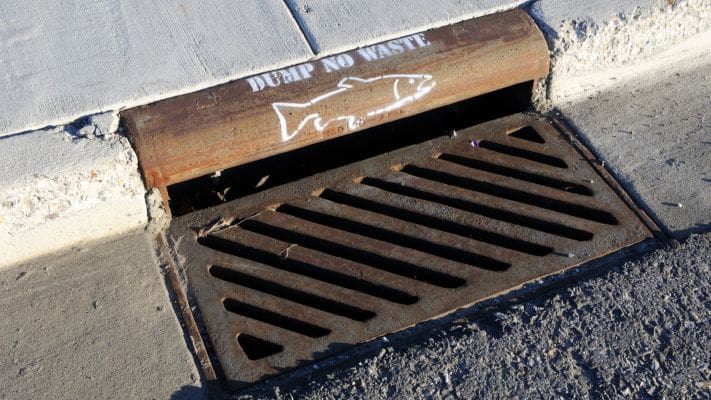
Numerous studies have documented that storm water runoff from developed areas contributes significant amounts of pollution to lakes and streams. The increase in impervious surfaces such as rooftops, roads, and parking lots can increase urban runoff and have a detrimental impact on aquatic ecosystems due to increased concentrations of sediment, nutrients, pesticides, heavy metals, pathogenic bacteria, and petroleum hydrocarbons. The best way to reduce the negative effects of storm water from new development is to use BMPs to treat, store, and infiltrate runoff onsite before it can affect downstream waterbodies. Innovative site designs that reduce impervious area and low impact development practices may be used to reduce storm water runoff and improve water quality.
City Inspection
The City of Bryan will inspect construction sites during construction and after construction has been completed to assure compliance with the Stormwater Management Ordinance.
Ordinance No. 1887
Sec. 46-143 Review and Modification of Best Management Practices
- Any person engaged in activities or operation, or owning facilities or property, which will or may result in pollutants entering the MS4 or waters of the United States, shall implement BMPs to the extent they are technologically achievable to prevent and reduce such pollutants. The owner or operator of a regulated facility shall prove reasonable protection from accidental discharge or prohibited materials or other wastes into the MS4 or waters of the United States. Practices implemented to prevent accidental discharge of prohibited materials or other wastes shall be provided and maintained at the owner or operator’s expense.
- The city does not maintain a list of required or approved BMPs for regulated facilities. The administrator may request facilities to demonstrate the effectiveness of implemented BMPs. Suggested BMPs and a list of prohibited BMPs will be maintained in the B/CS Drainage Design Guidelines.
- The administrator may require an operator of a regulated facility to modify its BMP if the BMPs do not provide effective protection from accidental discharge of prohibited materials or other wastes from entering into the MS4 or waters of the United States.
- The deficiencies in a facility’s BMP will be communicated in writing, and the administrator will provide the operator a reasonable amount of time to make the necessary changes in the BMPs.
View State Page
Frequently Asked Questions
What is stormwater compliance in the City of Bryan?
Stormwater compliance in Bryan means following the City’s Stormwater Management Ordinance, which requires any person whose activities, operations, facilities, or property could result in pollutants entering the municipal storm sewer system (MS4) or waters of the United States to implement best management practices (BMPs) to prevent and reduce those pollutants. This obligation applies to existing development as well as new construction.
Bryan’s Stormwater Management Program includes a post-construction component requiring that permanent BMPs be incorporated into new development and redevelopment projects. Unlike temporary construction site controls, these BMPs are designed to remain in place and control pollution for the life of the development. The City inspects construction sites during and after construction to verify compliance with the Stormwater Management Ordinance.
Who is responsible for stormwater BMP maintenance in Bryan?
Property owners and operators of regulated facilities are responsible for implementing and maintaining BMPs at their own expense to protect against accidental discharge of prohibited materials or other wastes to the MS4 or waters of the United States. Bryan does not maintain a required or approved list of specific BMPs. Instead, the administrator may request that a facility demonstrate the effectiveness of whatever BMPs it has implemented and can require modifications if those BMPs are not providing effective protection.
If the City identifies deficiencies in your BMP, it will communicate those deficiencies to you in writing and provide a reasonable amount of time to make the necessary changes. AQUALIS can assess the current condition of your stormwater controls and help you implement or document BMPs that meet the City’s expectations.
How do I know if my Bryan stormwater system is at risk of failure or safety violation?
Watch for these warning signs.
Your operations or property could generate pollutants reaching the storm system. Bryan’s ordinance applies to any activity or facility that will or may result in pollutants entering the MS4. If your property involves vehicle maintenance, chemical storage, outdoor material handling, food operations, or similar activities and you have not evaluated what BMPs are in place, that is worth assessing before the City does.
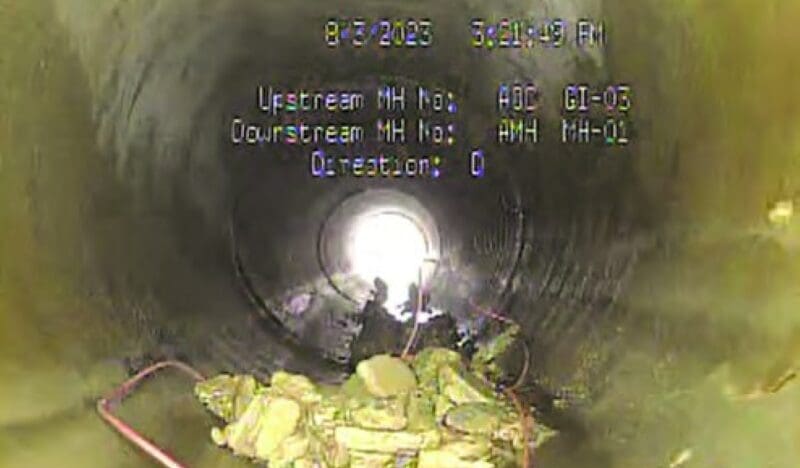
Your post-construction BMPs have not been maintained since original installation. Post-construction BMPs are permanent facilities intended to control runoff for the life of the development. Systems that have not been serviced since construction often have sediment buildup, clogged inlets, failed vegetation, or structural deterioration that reduces their effectiveness.
You have received a written notice of BMP deficiency. Bryan’s ordinance requires the City to notify you in writing of any deficiencies and give you reasonable time to correct them. If you have received such a notice or believe one may be forthcoming, acting promptly is in your interest.
Recent property purchase. Long-term BMP maintenance obligations follow the property. If you recently acquired a developed site and are unsure what stormwater controls exist or whether they are functioning as designed, an AQUALIS assessment can give you a clear picture before a City inspection does.
The information on this page is provided for general informational purposes only and is not legal advice. Regulations change frequently — AQUALIS makes no warranty as to the accuracy or completeness of this content, and any reliance on it is at your own risk. Consult a qualified professional or your local regulatory authority to confirm requirements applicable to your specific property.