


Last Updated 08/21/2026
Excerpt from City of Dearborn Municipal Code
Article VI. Stormwater System Management
19-215- Requirements to prevent, control and reduce stormwater pollutants by adapting and following the following requirements of the current Wayne County stormwater ordinance, stormwater administrative rules and stormwater standards manual
Site plans for proposed development or redevelopment will be reviewed in accordance with the City’s current zoning ordinance, to ensure plans meet the current Wayne County post-construction runoff control design standards. The city and designee will adopt requirements set out in the current Wayne County Stormwater Ordinance, stormwater administrative rules and stormwater standards manual.
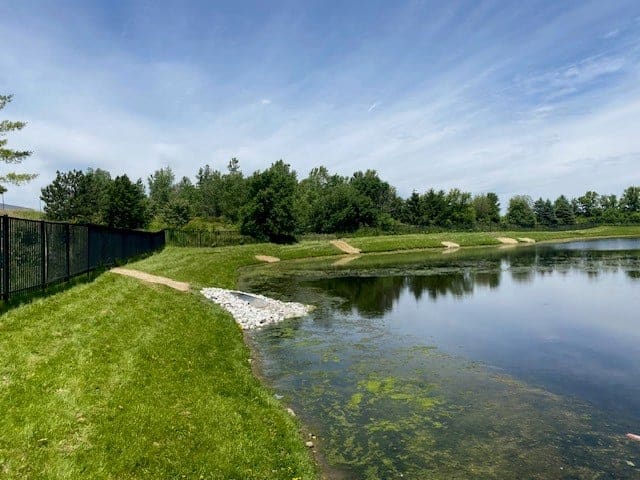
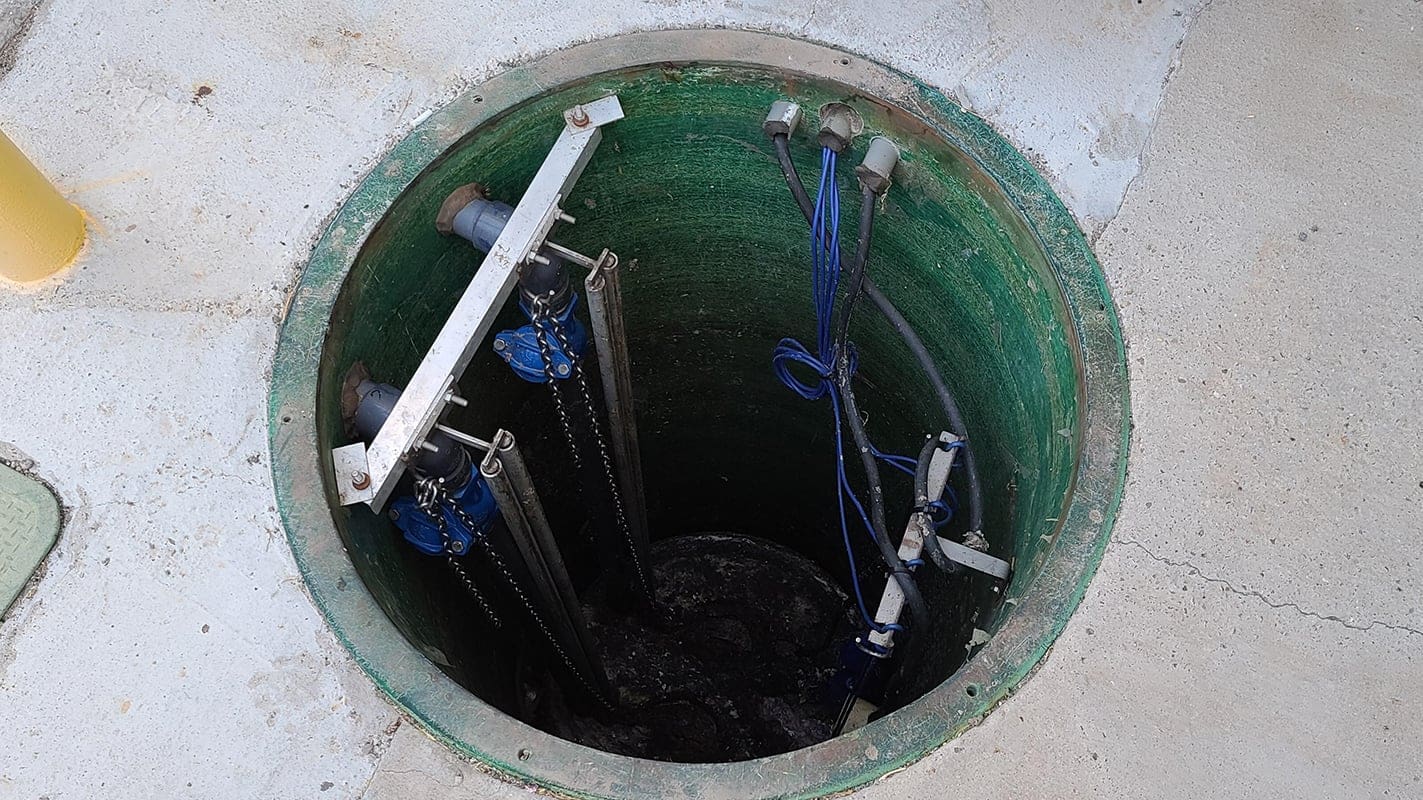
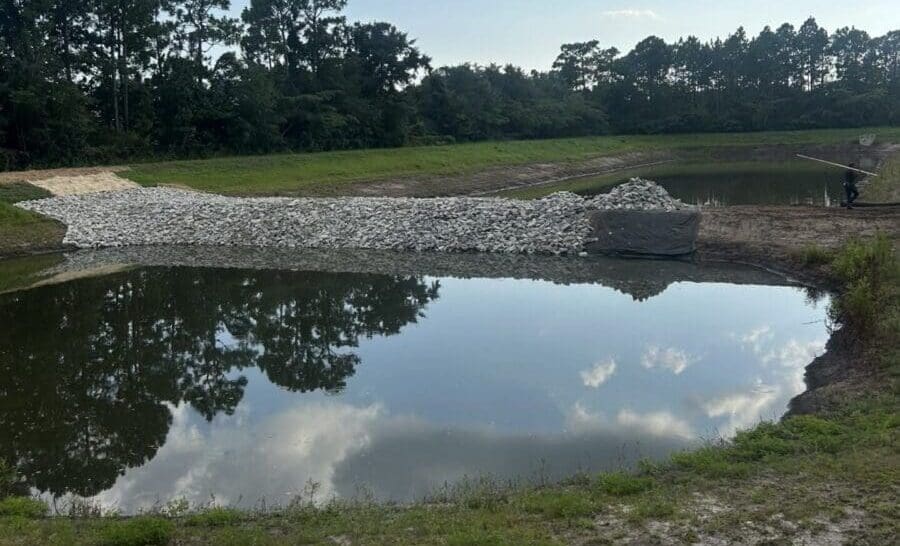
The property owner upon completion of construction must enter into a binding long-term maintenance agreement with the City, at their own expense, to document, routinely monitor and maintain the stormwater quantity and quality BMP’s so they continue to operate as designed. The agreement shall be set up that if the property owner should be determined to be non-responsive to notice of maintenance action required that the City may enter the property to perform the maintenance required.
The long-term maintenance agreement shall be recorded with the Wayne County Register of Deeds and subject to transfer to the new owner upon sale of the property.
19-218- Enforcement
a) Notice of Violation: Whenever the Director or their designee finds that a person has violated a prohibition or failed to meet a requirement of this Article, the City of Dearborn may order compliance by written notice of violation to the responsible person. Such notice may require without limitation:
- The performance condition monitoring, and measuring:
- The performance maintenance work in order to get BMPs functioning as designed;
- Payment of a fine to cover reimbursement of direct plus administrative costs
19-224- Criminal Prosecution
a) Any person who violates this article shall be guilty of a 93-day misdemeanor punishable by a fine of up to $500 and jail for no more than 93 days
b) The City of Dearborn may recover all attorney’s fees; court costs; and other expenses associated with enforcement of this article, including condition monitoring and maintenance expenses.
View State Page
Frequently Asked Questions
What stormwater design standards apply to development in Dearborn?
Site plans for proposed development or redevelopment are reviewed under the city’s zoning ordinance to confirm they meet the current Wayne County post-construction runoff control design standards. Dearborn adopts the requirements set out in the county’s stormwater ordinance, administrative rules, and stormwater standards manual rather than maintaining a fully separate design standard of its own.
What maintenance obligation does a Dearborn property owner take on after construction?
Once construction is complete, the property owner must enter into a binding long-term maintenance agreement with the city, at their own expense, to document, routinely monitor, and maintain stormwater quantity and quality BMPs so they keep functioning as designed.
What happens if a Dearborn property owner doesn't respond to a required maintenance action?
The maintenance agreement is structured so that if the owner is found non-responsive to a notice requiring maintenance action, the city can enter the property directly to perform the necessary work itself.
Does a Dearborn stormwater maintenance agreement transfer when a property is sold?
Yes. The long-term maintenance agreement must be recorded with the Wayne County Register of Deeds, and it’s subject to transfer to the new owner when the property is sold.
What enforcement actions and penalties can Dearborn impose for a stormwater violation?
The city can issue a written notice of violation requiring condition monitoring, maintenance work to bring BMPs back into proper function, and a fine covering direct and administrative costs. Beyond that, violations are treated as a 93-day misdemeanor, punishable by a fine up to $500 and up to 93 days in jail. The city can also recover attorney’s fees, court costs, and other enforcement-related expenses, including monitoring and maintenance costs.
The information on this page is provided for general informational purposes only and is not legal advice. Regulations change frequently — AQUALIS makes no warranty as to the accuracy or completeness of this content, and any reliance on it is at your own risk. Consult a qualified professional or your local regulatory authority to confirm requirements applicable to your specific property.