

Last Updated 07/28/2026
Irving Texas Stormwater Regulations
Excerpt from Irving Land Development Code
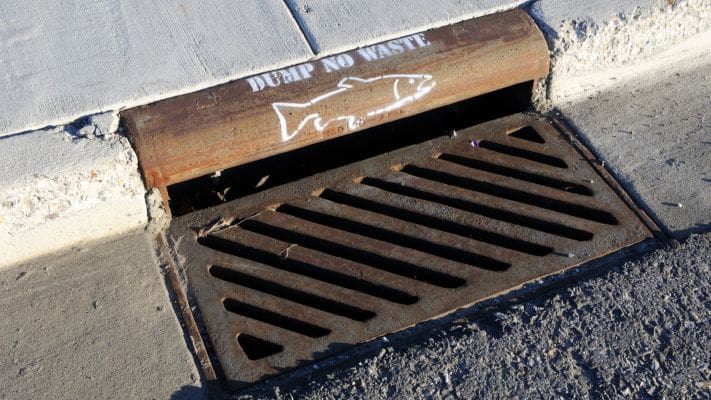
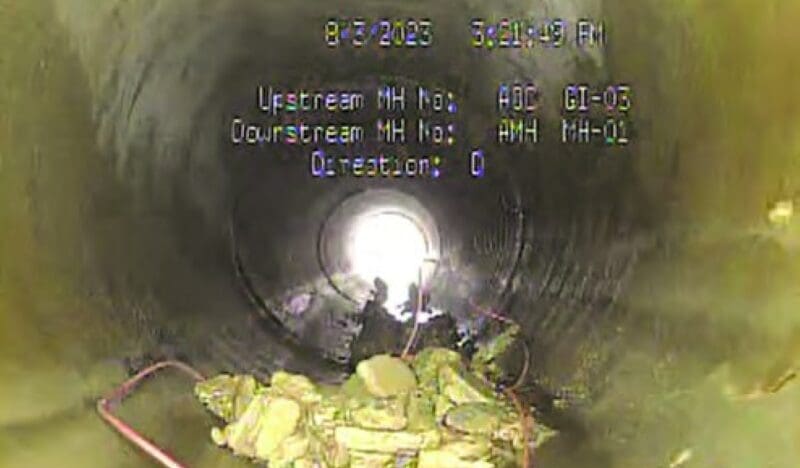
c. Enclosed storm sewers, open drainage ditches, bridges, and culverts of a permanent design, adequate to carry off rainfall, shall be installed by the owner throughout the entire length of the drainage area within the subdivision in accordance with plans and specifications approved by the city engineer.
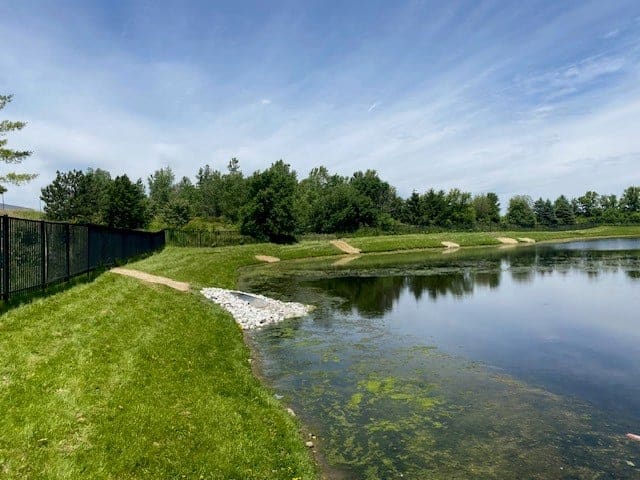
d. Drainage channels shall consist of natural banks and slopes where possible. Reinforced concrete pipe or concrete lining is permitted only where the city engineer or city council finds that this treatment is needed to maintain sufficient land area to accommodate development on an infill site that is designated in the comprehensive plan adopted by the City of Irving, as amended, or where a channel or grass lined channel cannot withstand the runoff velocities created from offsite drainage.
e. Fully developed watershed conditions shall be used for determining runoff for the conveyance storm and the flood mitigation storm.
Excerpt from Irving Municipal Code
Sec. 41-66. – Compliance monitoring.
(a) Right of entry; inspection and sampling. The director may enter the premises of any person discharging stormwater to the municipal separate storm sewer system (MS4) or to waters of the United States to determine whether the discharger is complying with all requirements of this article and with any state or federal discharge permit, limitation, or requirement. Dischargers shall allow the director ready access to all parts of the premises for the purposes of inspection, sampling, records examination, copying, and for performing any additional duties. Dischargers shall make available to the director, upon request, any SWPPPs, modifications to them, self-inspection reports, monitoring records, compliance evaluations, notices of intent, and any other records, reports, and other documents related to compliance with this article and with any state or federal discharge permit.
(1) Where a discharger has security measures in force which require proper identification and clearance before entry into its premises, the discharger shall make necessary arrangements with its security system so that, upon presentation of suitable identification, the director will be permitted to enter without delay for the purposes of performing his/her responsibilities.
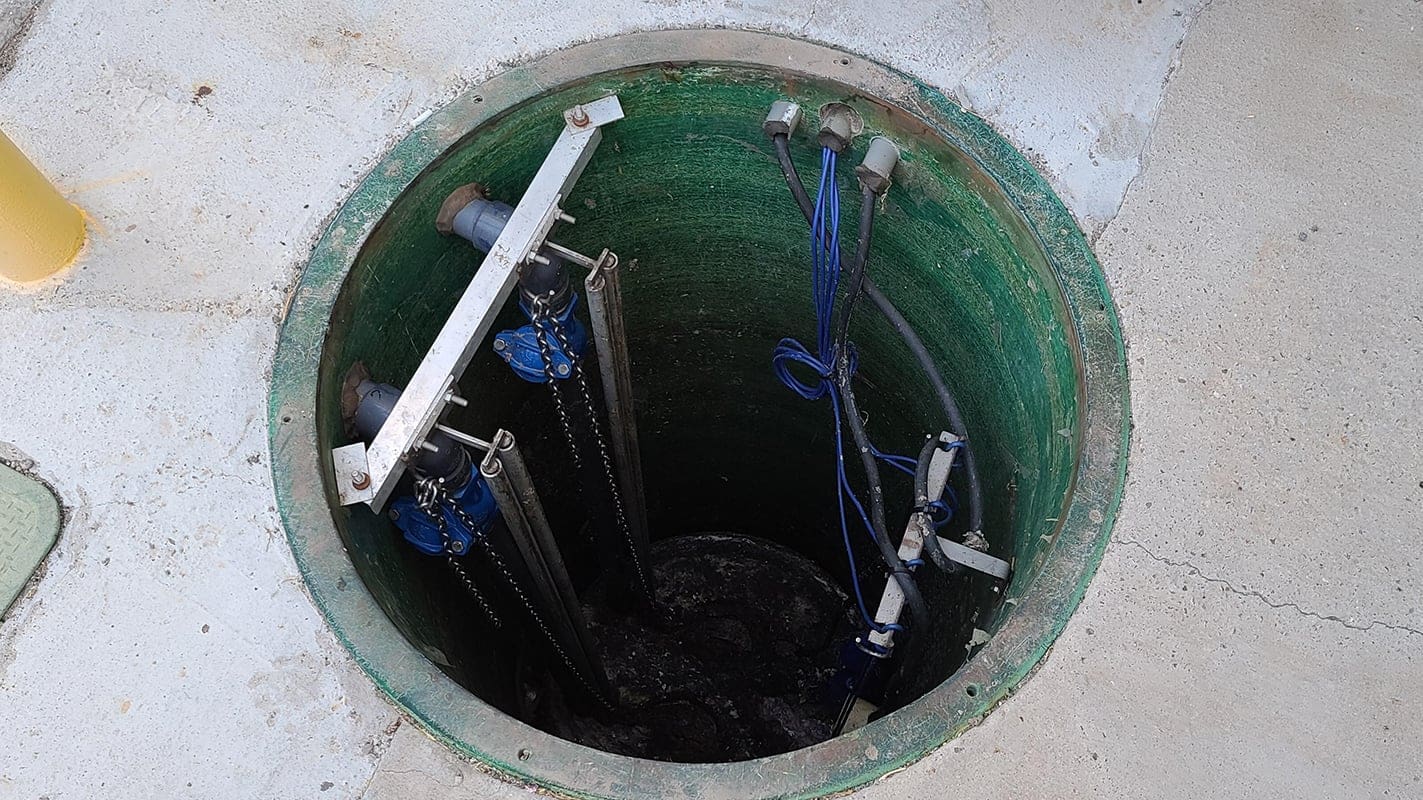
(2) The director may set up on the discharger’s property, or require installation of such devices as are necessary to conduct sampling and/or metering of the discharger’s operations.
(3) The director may require any discharger to the MS4 or waters of the United States to conduct specified sampling, testing, analysis, and other monitoring of its stormwater discharges and may specify the frequency and parameters of any required monitoring.
(4) The director may require the discharger to install monitoring equipment as necessary at the discharger’s expense. The discharger shall maintain the facility’s sampling and monitoring equipment be at all times in a safe and proper operating condition at its own expense. The discharger shall calibrate all devices used to measure stormwater flow and quality to ensure their accuracy.
(5) Any temporary or permanent obstruction to safe and easy access to the facility to be inspected and/or sampled shall be promptly removed by the discharger at the written or verbal request of the director and shall not be replaced. The costs of clearing such access shall be borne by the discharger.
(6) Unreasonable delays in allowing the director access to the discharger’s premises are a violation of this article.
(b) Search warrants. If the director has been refused access to any part of the premises from which stormwater is discharged and he/she is able to demonstrate probable cause to believe that there may be a violation of this article or any state or federal discharge permit, limitation, or requirement, or that there is a need to inspect and/or sample as part of a routine inspection and sampling program of the city designed to verify compliance with this article or any order issued under it, or to protect the overall public health, safety, and welfare of the community, the director may seek a search warrant from any court of competent jurisdiction.
View State Page
Frequently Asked Questions
Can the City of Irving inspect my property's stormwater discharge?
Yes. The city’s director has the right to enter any property that discharges stormwater to the municipal separate storm sewer system (MS4) or to waters of the United States. This allows the city to confirm the property complies with local rules and any applicable state or federal discharge permit. Inspections can include sampling, reviewing records, and copying documents. Property owners must provide ready access to all parts of the premises for these purposes.
What records does the city expect property owners to keep on hand?
Owners with regulated stormwater discharges should be prepared to produce Stormwater Pollution Prevention Plans (SWPPPs) and any updates to them, self-inspection reports, monitoring records, compliance evaluations, notices of intent, and other documents tied to stormwater compliance. Keeping these organized and current makes inspections faster and helps demonstrate a strong compliance history. AQUALIS can help property owners organize and maintain this documentation.
If my property has security measures, how does that affect a city inspection?
Owners with security systems, such as gated access or ID requirements, must make arrangements so the city’s director can enter without delay once proper identification is presented. Security protocols do not exempt a property from inspection. They simply need to accommodate it.
What if I delay or refuse a city inspection?
Unreasonable delays in giving the city’s director access to your property are treated as a violation. If access is refused and the city has reason to believe a violation exists, or needs to inspect as part of a routine compliance program, the director can seek a search warrant from the court. Staying responsive to inspection requests is the simplest way to avoid this escalation, and AQUALIS can help property owners stay ahead of these obligations.
How does the city calculate runoff for drainage design?
Runoff calculations for both the conveyance storm and the flood mitigation storm are based on fully developed watershed conditions, meaning the design accounts for the site’s runoff once it is built out, not its current undeveloped state.
The information on this page is provided for general informational purposes only and is not legal advice. Regulations change frequently — AQUALIS makes no warranty as to the accuracy or completeness of this content, and any reliance on it is at your own risk. Consult a qualified professional or your local regulatory authority to confirm requirements applicable to your specific property.