

Last Updated 08/10/2026
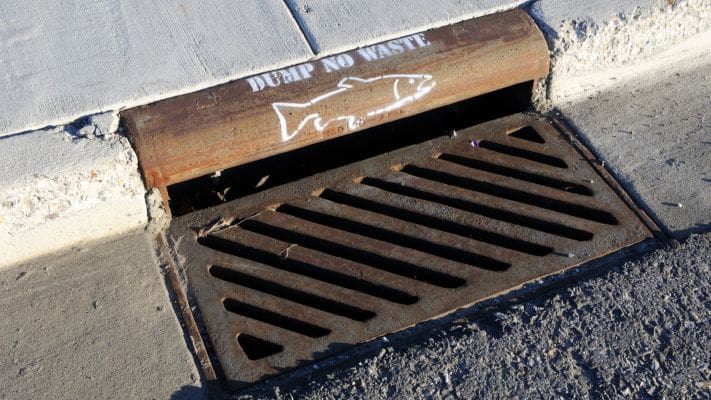
Cobb County Water System’s Stormwater Management Division (SWM) manages both stormwater quality and quantity to ensure the health of the community and local ecosystems are sustained. The County maintains a five year municipal separate storm sewer system (MS4) permit with United States Environmental Protection Agency (USEPA) which grants Cobb County the right to discharge stormwater from municipal stormwater management facilities into waters of the State and requires the implementation of a Storm Water Management Program (SWMP). The Cobb County Stormwater Management Division (SWM) conducts routine inspections to identify potential stormwater pollutant sources and promote good behavior to prevent accidental discharges to the storm sewer system. Restaurants, landscapers, auto repair shops and car washes are examples of commonly inspected businesses.
Cobb County stormwater is responsible for auditing industries with NPDES permits issued by the State of Georgia. Industrial facilities are audited once every 5 years in accordance with our regulatory requirements. During audits, Cobb County staff visits the facility and identifies potential sources of stormwater pollution. While conducting a stormwater audit, Cobb County will review Spill Prevention and
Response Plans as well as self-monitoring data.
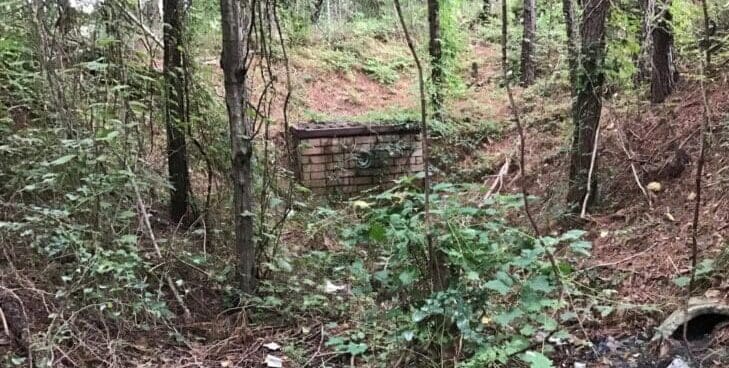
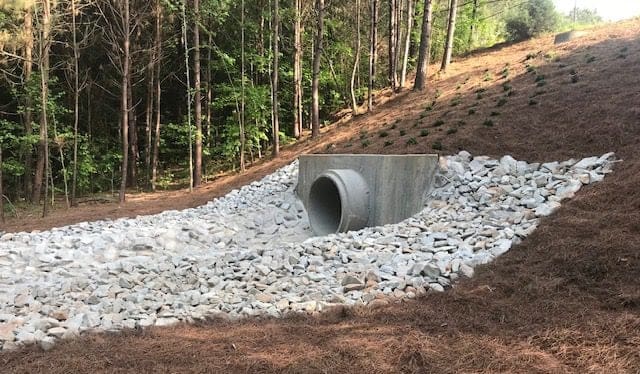
All drainage structures on non-residential property (including HOAs) are privately maintained and subject to inspection by Cobb County.
Stormwater Maintenance Plan
Having a plan can help sped up proper maintenance. Although they can vary depending on the business and site, every plan should contain the following:
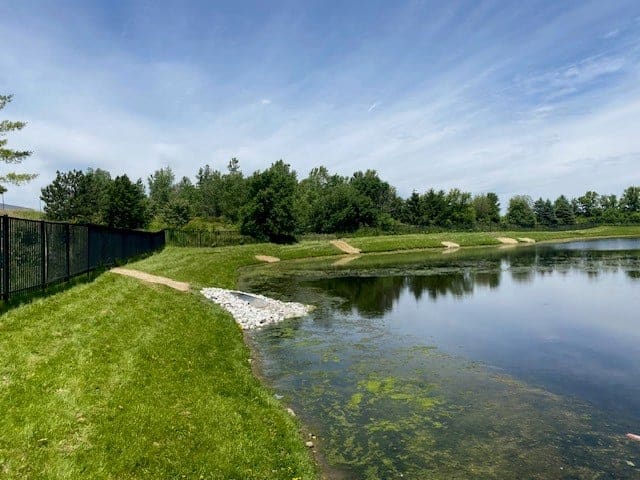
- A delineation of all stormwater management facilities (including maintenance access and vegetated buffer areas).
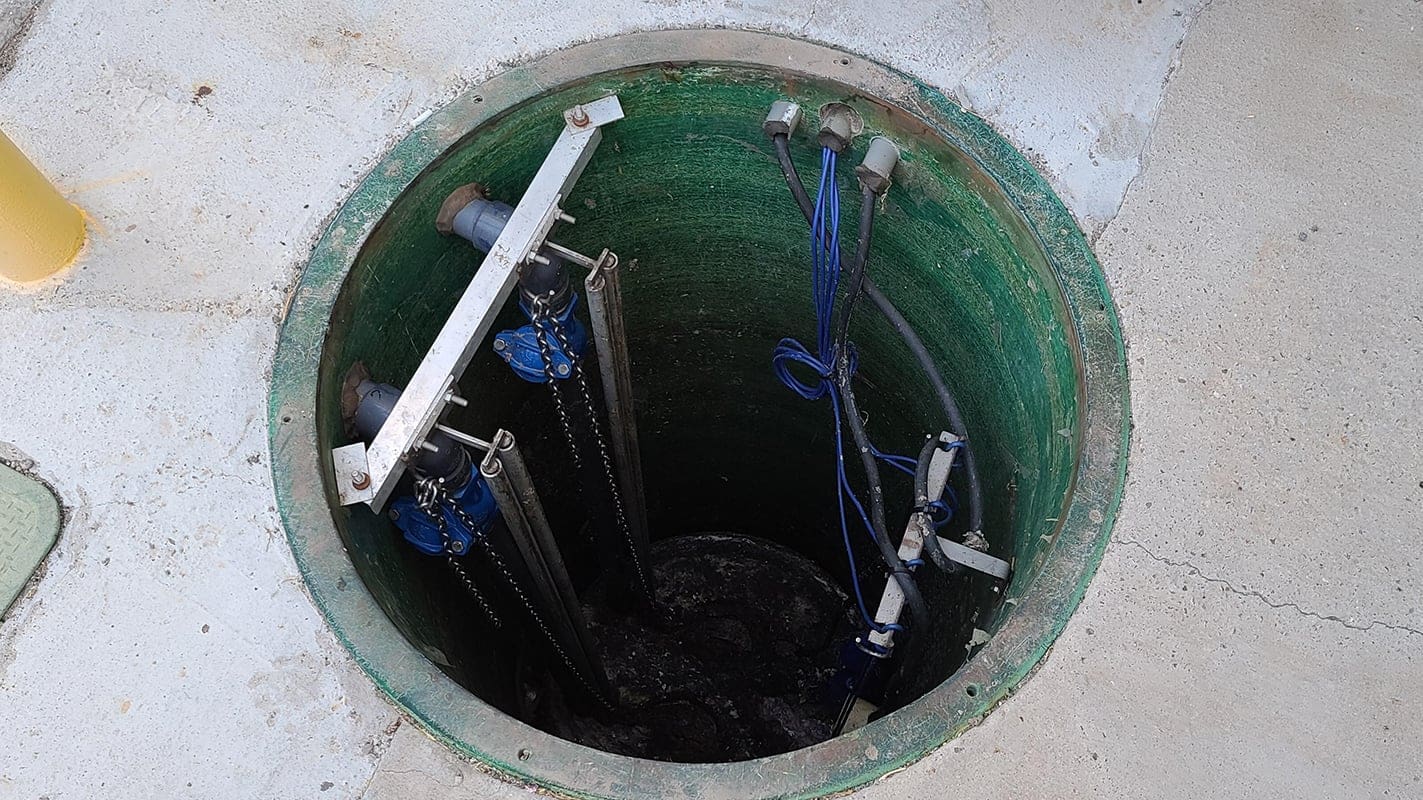
- Provision for the routine and non-routine inspection of every component within the system. A professional engineer should be retained to inspect structural facilities and to conduct emergency
inspections. - A list of the tasks required to maintain each component of the stormwater management system and a schedule for completing these tasks. This should include both preventative and corrective
activities. - The party responsible for performing each of the maintenance activities described.
- A description of on-going landscape maintenance needs including soil erosion control.
Additional Resources
View State Page
Frequently Asked Questions
What kinds of businesses does Cobb County routinely inspect for stormwater compliance?
The Stormwater Management Division conducts routine inspections aimed at catching potential pollutant sources before they become accidental discharges, and certain business types draw more regular attention than others. Restaurants, landscapers, auto repair shops and car washes are among the most commonly inspected, largely because their day-to-day operations involve materials, like grease, chemicals, fuel or wash water, that pose a higher risk of reaching the storm sewer system if not properly managed.
How often does Cobb County audit industrial facilities with NPDES permits?
Industrial facilities holding a state-issued NPDES permit are audited once every five years as part of the county’s regulatory requirements. During the audit, county staff visit the facility in person to identify potential pollution sources, and review both the facility’s Spill Prevention and Response Plan and its self-monitoring data. That combination means the audit checks not just physical conditions onsite, but whether the facility’s own documented monitoring has been kept current and accurate.
Who's responsible for maintaining stormwater drainage on a Cobb County commercial property?
All drainage structures on non-residential property, including those owned by HOAs, are privately maintained, and Cobb County retains the authority to inspect them. That places ongoing upkeep squarely on the property owner or association rather than the county, which means catch basins, swales and other drainage components need a consistent maintenance routine independent of when the next county inspection happens to fall.
What should a Cobb County stormwater maintenance plan actually include?
A solid plan starts with a delineation of every stormwater facility on the property, including maintenance access points and any vegetated buffer areas, and pairs that with a schedule for both routine and non-routine inspections. Structural facilities and emergency inspections should involve a professional engineer. The plan also needs a clear task list covering preventative and corrective maintenance, who’s responsible for each task, and a plan for ongoing landscape upkeep like soil erosion control, since vegetation management is often what determines whether a system keeps performing as designed.
The information on this page is provided for general informational purposes only and is not legal advice. Regulations change frequently — AQUALIS makes no warranty as to the accuracy or completeness of this content, and any reliance on it is at your own risk. Consult a qualified professional or your local regulatory authority to confirm requirements applicable to your specific property.