
Last Updated 07/28/2026
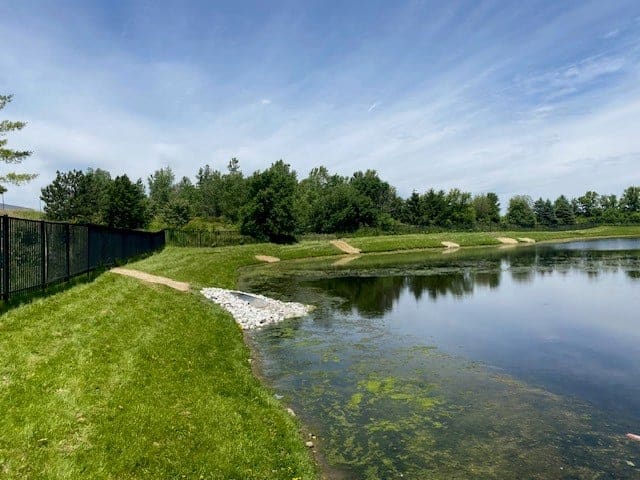
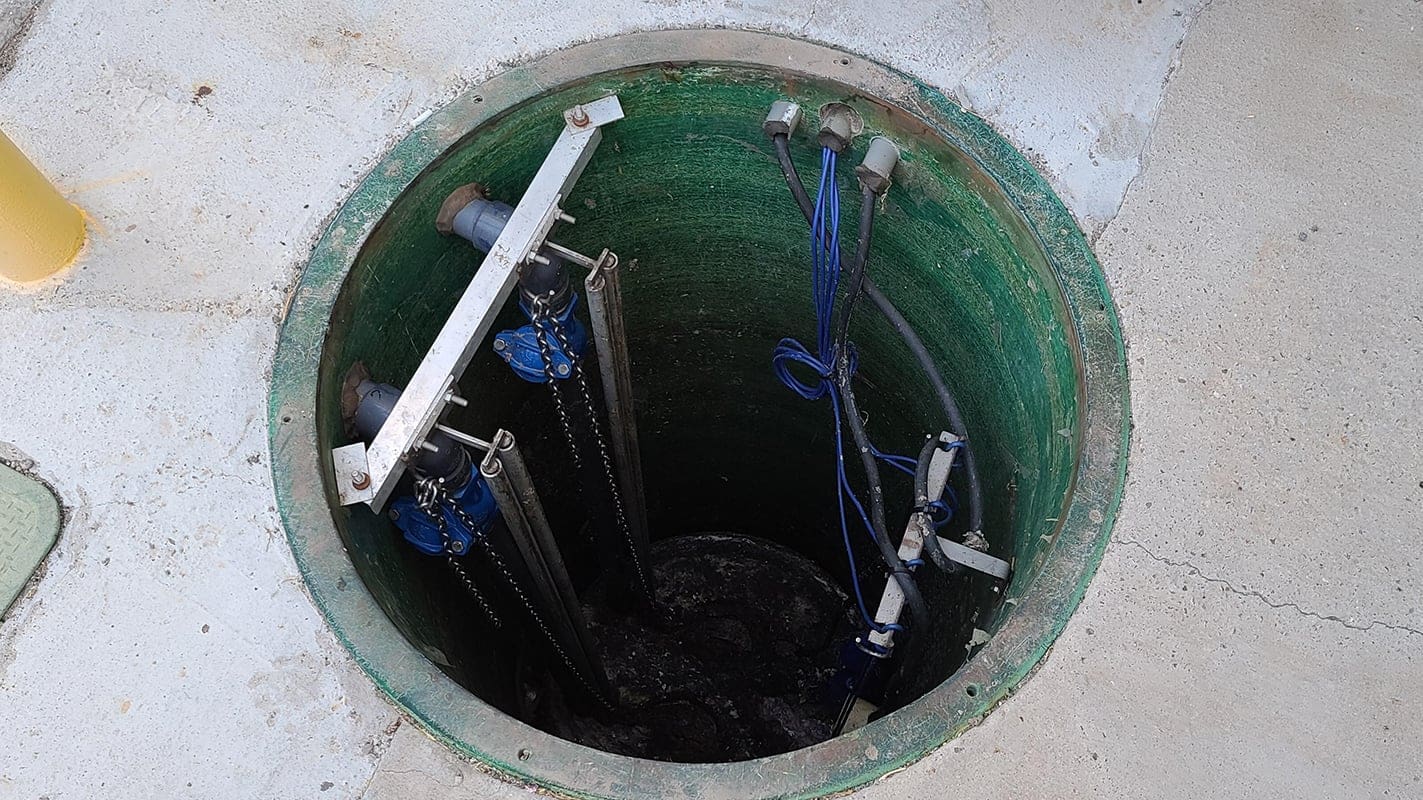
The District of Columbia has enacted a Stormwater Ordinance in order to establish minimum stormwater management requirements and controls to protect and safeguard the general health, safety, and welfare of the public residing in watersheds within this jurisdiction. The District of Columbia is the permitting authority for all land disturbing activities and requires the land owner to maintain all on-site stormwater control facilities and all open space areas (e.g. parks or “green” areas) required by the approved stormwater control plan. The District of Columbia will only provide construction permits to projects that establish a plan to manage stormwater runoff occurring during the construction process. The District of Columbia, under the NPDES program, also has the authority to inspect properties for noncompliance and can issue a notice of violation (NOV) for any deficiency or infraction onsite. Property owners are responsible for the maintenance of any stormwater facilities or practices located on the property. The District of Columbia has the authority to inspect stormwater facilities and practices in order to ascertain that they are properly maintained and functioning.
To learn more about stormwater management and maintenance in Washington, DC, schedule a FREE consultation today!
1.1 Introduction The District of Columbia (District), like most ultra-urban areas, experiences increased stormwater runoff that results from development. This runoff places a burden on sewer systems and degrades aquatic resources when it is not managed adequately. Unmanaged stormwater runoff overloads the capacity of streams and storm sewers and is responsible for increased combined sewer overflow events and adverse downstream impacts, such as flash flooding, channel erosion, surface and groundwater pollution, and habitat degradation. Recognizing this issue, the District first adopted stormwater management regulations in 1988. These regulations, Chapter 5 of Title 21 of the District of Columbia Municipal Regulations (21 DCMR), established requirements to manage both stormwater quality and quantity. Quality control focused on the removal of pollutants from up to the first 0.5 inch of stormwater runoff, often referred to as the “first flush.” Quantity control was mandated through detention requirements based on the 2-year, 24-hour storm event for stream bank protection (widely accepted as the channel shaping flow) and the 15-year, 24-hour storm event for flood protection (the typical design capacity of the District’s sewer conveyance system). In 2013, the District’s stormwater management regulations shifted its stormwater quality standard to a retention-based standard. Major land-disturbing activities must retain the volume from a 1.2-inch storm event, and major substantial improvement activities must retain the volume from a 0.8-inch storm event. By keeping stormwater on site, retention practices effectively provide both treatment and additional volume control, significantly improving protection for District waterbodies. The Stormwater Retention Volume (SWRv) can be managed through runoff prevention (e.g., conservation of pervious cover or reforestation), runoff reduction (e.g., infiltration or water reuse), and runoff treatment (e.g., plant/soil filter systems or permeable pavement). The Stormwater Management Guidebook (SWMG) provides technical guidance on the 2013 and 2019 revisions to the 1988 regulations.
1.2 Purpose and Scope The purpose of the SWMG is to provide the technical guidance required to comply with the District’s stormwater management regulations, including the criteria and specifications engineers and planners use to plan, design, and construct regulated sites and stormwater best management practices (BMPs). It is the responsibility of the design engineer to review, verify, and select the appropriate BMPs and materials for a specific project and submit to DOEE, as required, all reports, design computations, worksheets, geotechnical studies, surveys, rights-of-way determinations, etc. Each such required submittal will bear the seal and signature of the professional engineer licensed to practice in the District who is responsible for that portion of the project.
Declaration of Covenants. A declaration of covenants is required that includes all maintenance responsibilities to ensure the continued stormwater performance for the BMP. The declaration of covenants specifies the property owner’s primary maintenance responsibilities, and authorizes DOEE staff to access the property for inspection or corrective action in the event the proper maintenance is not performed. The declaration of covenants is recorded in the District of Columbia land records. A template form is provided at the end of Chapter 5, “Administration of Stormwater Management Rules” (see Figure 5.11), although variations will exist for situations in which stormwater crosses property lines. The covenant is between the property owner and the Government of the District of Columbia. It is submitted through the Office of the Attorney General. All SWMPs have a maintenance agreement stamp that must be signed for a building permit to be issued. A maintenance schedule must appear on the SWMP. Additionally, a maintenance schedule is required to be included as an exhibit to the declaration of covenants. Covenants are not required on government properties, but maintenance responsibilities must be either signed by the Responsible Person for Maintenance on a partnership agreement or be identified in a memorandum of understanding that is incorporated into the plan submission.
Why is stormwater a problem?
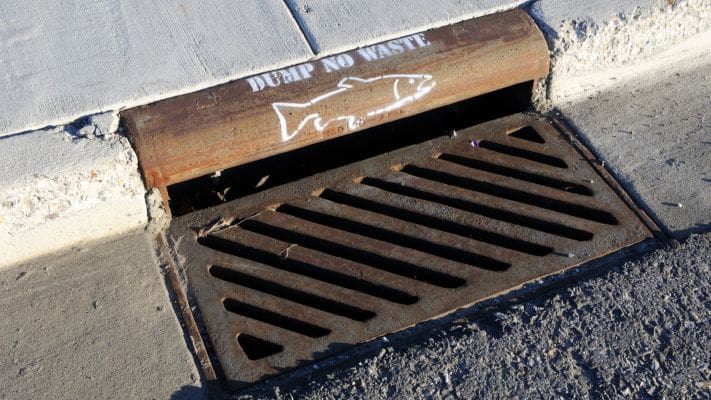
Stormwater is a problem because it carries a lot of pollution along with it wherever it flows. In urban areas such as the District, much of the land is covered by impervious surfaces such as streets, buildings, parking lots and driveways. During rain storms, these impervious surfaces prevent rainfall from soaking into the soil. Instead, this stormwater drains into manmade drainage systems consisting of inlets and underground pipes commonly referred to as “storm sewers.” These storm sewers are not to be confused with sanitary sewers that transport human and industrial wastewaters to a treatment plant before discharging to surface waters. Stormwater entering storm sewers does not receive any treatment before it enters the Potomac and Anacostia Rivers and Rock. Learn more about why stormwater is a problem.
- Stormwater FAQs
- Stormwater Impacts on District Waterbodies: Why the District Needs Stormwater Retention
- Case Study: Bioretention Cells at DOEE’s Headquarters
What do we do about stormwater?
DOEE seeks to reduce stormwater runoff pollution by going beyond the activities required in the District’s National Pollution Discharge Elimination System (NPDES) Permit – more commonly referred to as a Municipal Separate Storm Sewer System (or MS4) Permit. The Stormwater Management Division of the Natural Resources Division within DOEE is responsible for managing the most recent District NPDES Permit [PDF]. DOEE initially assumed responsibility for the District’s stormwater administration in February 2007, and now has in place a vigorous stormwater program as overseen by the Stormwater Division in conjunction with all its sister agencies. You may also consult the District’s Stormwater Guidebook , and the most recent MS4 Annual Report. DOEE works together with its sister agencies in two group settings: both the Stormwater Advisory Panel (a groups of all agency Directors, City Administrator); and the Technical Working Group who meets monthly to keep current on activities that effectively reduce stormwater throughout the City.
How do we do it?
As an environmental initiative to reduce stormwater runoff, the Department of Energy and Environment has created its RiverSmart Programs which provide District property owners with financial and technical incentives to install stormwater retrofit practices in their houses, schools, and neighborhoods.
DOEE also offers DC residents with resources to learn more about how they can help to achieve an Eco-Friendly Living in the District.
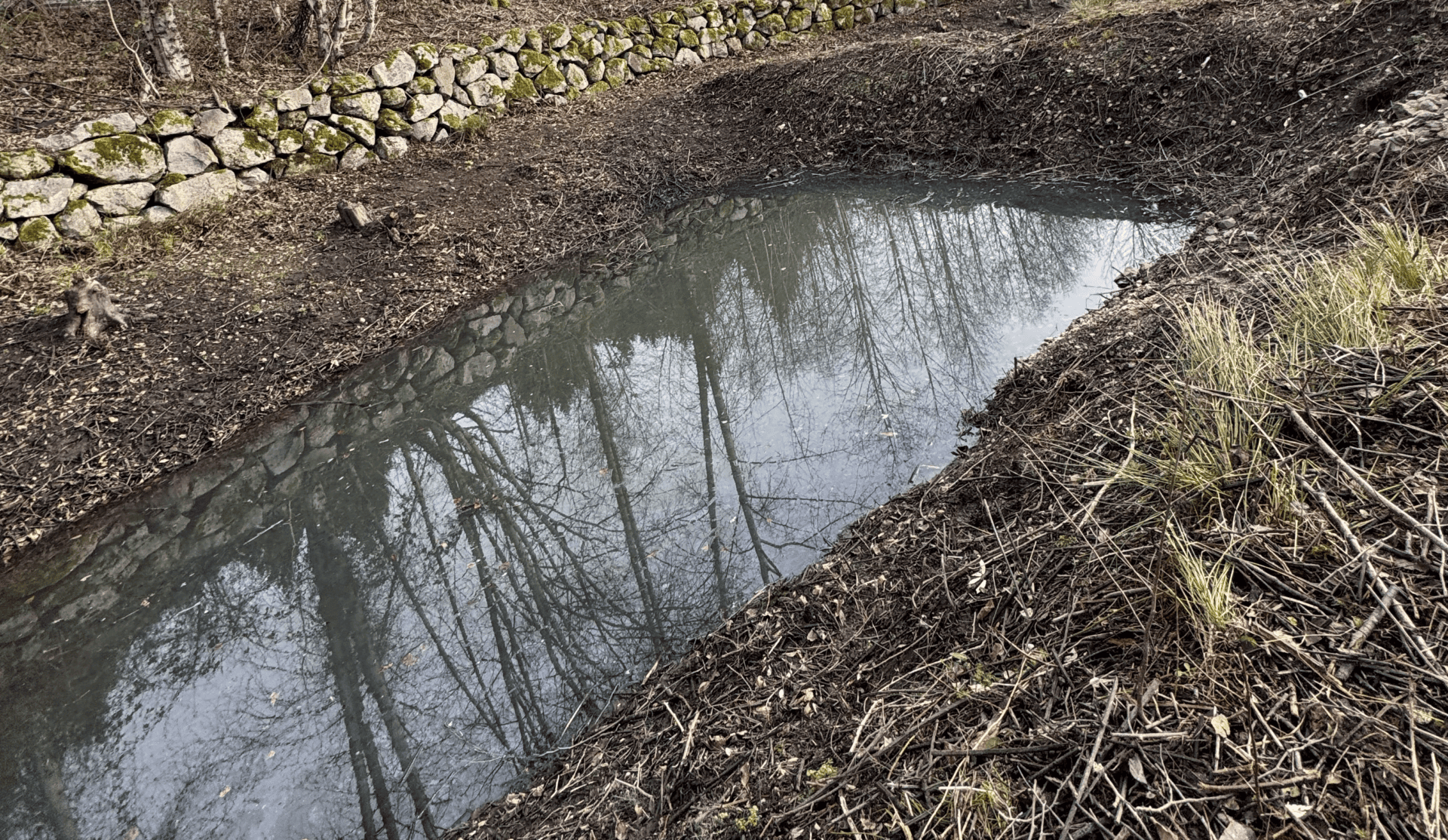
DOEE’s RiverSmart programs help to reduce stormwater runoff that harms the District’s waterways and the Chesapeake Bay. RiverSmart programs provide financial incentives to help District property owners install green infrastructure such as rain barrels, green roofs, rain gardens, permeable pavers, shade trees, and more. These practices allow rainwater to stay on site and soak into the ground, where natural processes help remove pollutants
View State Page
Frequently Asked Questions
How much stormwater does a new development have to retain on-site in DC?
It depends on the type of project. Major land-disturbing activities have to retain the volume from a 1.2-inch storm event, while major substantial improvement activities, generally renovations rather than ground-up development, only have to retain the volume from a 0.8-inch storm event.
Why did DC shift its stormwater standard from treating runoff to retaining it?
The District’s regulations moved to a retention-based standard in 2013, replacing the older “first flush” approach that only targeted removing pollutants from the first half inch of runoff. Retention keeps water on-site entirely, which provides both treatment and volume control at once, a meaningfully stronger protection for the Potomac and Anacostia Rivers than treatment alone.
Do I need a Declaration of Covenants for my stormwater BMP in DC?
Yes, for privately owned properties. That covenant spells out the property owner’s maintenance responsibilities, authorizes DOEE to access the property for inspection or corrective action if maintenance isn’t performed, and gets recorded in DC’s land records. It’s a legal agreement directly between the property owner and the District government, submitted through the Office of the Attorney General.
Is a Declaration of Covenants required for every stormwater BMP in DC?
Not for government properties. Those instead need maintenance responsibilities either signed by a Responsible Person for Maintenance on a partnership agreement, or identified in a memorandum of understanding incorporated into the plan submission, rather than going through the covenant and recording process private owners follow.
Can I get a building permit in DC without a stormwater maintenance agreement?
No. Every Stormwater Management Plan requires a maintenance agreement stamp that has to be signed before a building permit will be issued, and a maintenance schedule has to appear directly on the SWMP itself, in addition to being included as an exhibit to the recorded Declaration of Covenants.
Who has to design and certify stormwater BMPs for a DC project?
A professional engineer licensed to practice in the District. Every required submittal to DOEE, whether it’s reports, design computations, worksheets, geotechnical studies, or rights-of-way determinations, has to bear that engineer’s seal and signature for the portion of the project they’re responsible for.
What financial incentives does DC offer property owners for stormwater retrofits?
Through DOEE’s RiverSmart programs, property owners can get financial and technical incentives to install green infrastructure like rain barrels, green roofs, rain gardens, permeable pavers, and shade trees. Beyond the incentive itself, these practices help satisfy the District’s retention standard by keeping rainwater on-site rather than sending it into the storm sewer system at all.
How is DC's approach to combined sewer overflow different from a typical NPDES MS4 city?
DC’s retention standard is specifically designed to reduce the volume driving combined sewer overflow events, since unmanaged runoff overloads stream and sewer capacity and triggers flash flooding, channel erosion, and habitat degradation downstream. That framing is similar to what we’ve seen in Bridgeport, Connecticut, but DC’s 1.2-inch and 0.8-inch retention thresholds are notably higher than most of the design storms we’ve encountered elsewhere.
How can AQUALIS help my property stay compliant with DC's stormwater regulations?
AQUALIS helps DC property owners design BMPs that meet the District’s retention volume standards, prepare and record the Declaration of Covenants required before a building permit is issued, and evaluate eligibility for RiverSmart incentives that offset the cost of green infrastructure retrofits.
The information on this page is provided for general informational purposes only and is not legal advice. Regulations change frequently — AQUALIS makes no warranty as to the accuracy or completeness of this content, and any reliance on it is at your own risk. Consult a qualified professional or your local regulatory authority to confirm requirements applicable to your specific property.