Last Updated 08/11/2026
2. Applicability
2.2.1 Unified Criteria
All non-exempt projects (new development or redevelopment) that disturb an area of one (1) acre or more of land are required to be reviewed for storm water controls.
Smaller projects, less than one (1) acre, that have the potential to discharge pollutants to the MS4 may be required to install specific BMPs (see Section 2.3.3 for qualifiers of such smaller projects) at the direction and discretion of DOT-HWYS.
All non-exempt projects (new development or redevelopment) are required to install LID BMP(s) for storm water management if they generate equal to or greater than one (1) acre of new permanent impervious surface. Some projects may qualify for exemptions or variances from this requirement to install LID BMP(s). Projects that qualify for variances from LID may install alternative permanent BMPs approved by DOT-HWYS.
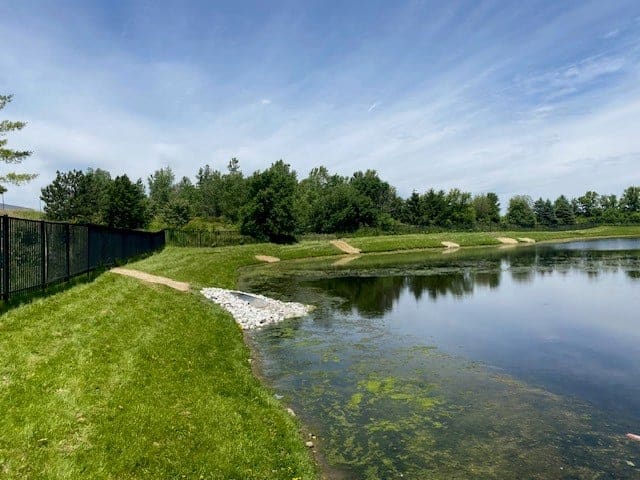
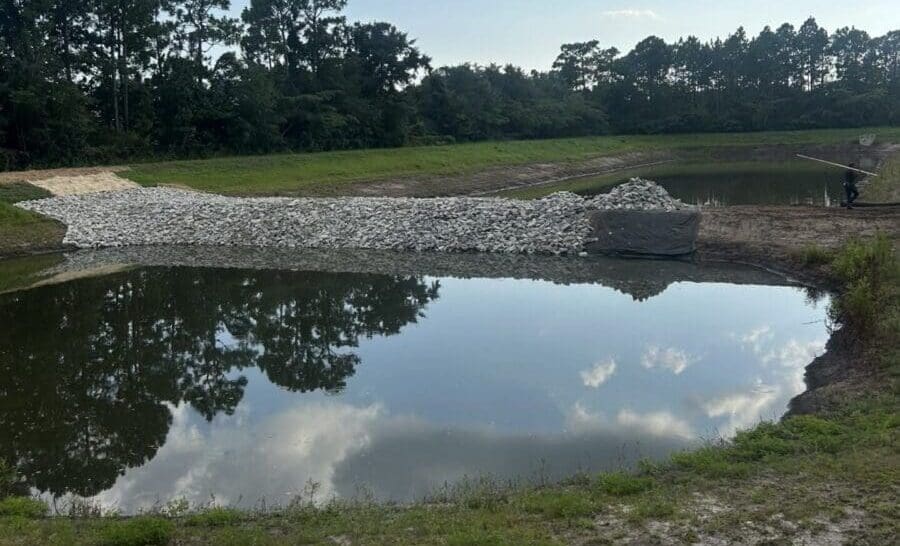
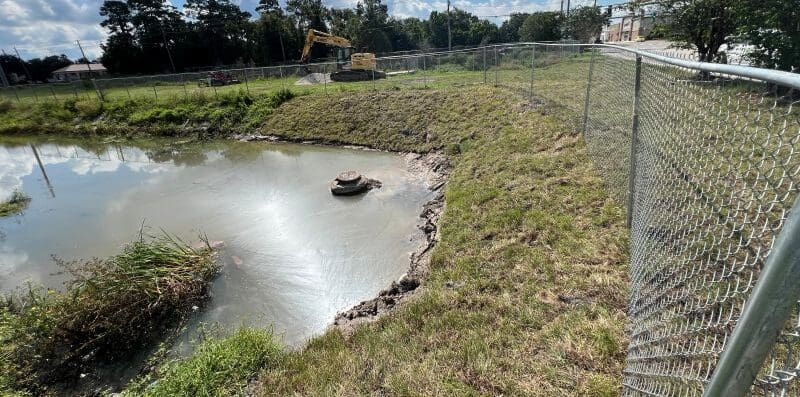
The required permanent BMP(s) shall be designed and installed in accordance with the criteria, guidelines, and design standards described in this manual. The permanent BMP(s) shall be maintained in its perpetuity unless the original purpose of the project no longer exists. The permanent BMPs are intended to reduce storm water volume and/or the pollution created by storm water runoff and shall be selected based on their ability to target pollutants of concern in the project’s watershed, particularly those causing water body impairment. Typical pollutants contained in the storm water runoff may include, but are not limited to: phosphorus, nitrogen, sediment, heavy metals, oil, and grease. Unlike temporary construction activity BMPs, permanent BMPs are designed to provide long-term storm water treatment for the completed project and associated site improvements.
The type and size of the permanent BMPs are dependent on the water quality and water quantity a project is required to control and should be designed in accordance to the sizing rules specified in this manual.
2.3.2 New Projects
Requiring a Connection (to DOT’s MS4) Permit New projects outside of DOT-HWYS’ right-of-way that produce storm water runoff that will drain to the MS4 through an authorized connection permit are subject to the unified criteria. Specifically, DOT-HWYS administers a permitting program for any business (industrial or commercial), agency, or project that wishes to establish a permanent connection to the MS4 and release storm water runoff via the MS4. Any new development or redevelopment project that applies for a permit will be subject to this criteria.
10. Industrial and Commercial Activities Discharge Management Program
10.1.1 Permitting New Connections
A permit must be acquired prior to constructing a physical drain connection to the MS4. A connection permit for the establishment of a new, private drain connection will not be issued until:
- The applicant has provided proof of filing a Notice of Intent (NOI) or an Industrial NPDES Permit application with the DOH, if applicable; and
- The applicant has control measures that comply with DOT-HWYS’ requirements to minimize pollutant discharge into the MS4.
A request for a connection permit is made by submitting two separate forms. The first form that must be completed is the Application for a Private Storm Drain Connection and/or Discharge Permit to the State of Hawaii Highways Division Storm Drain System (Appendix C.1). For each connection, the applicant is instructed to submit information on the connection location, size, type of discharge and flow rate, as well as a facility drainage report. In addition, the applicant is required to indicate if their facility or activities generate Industrial Storm Water, as defined by 40 CFR Part 122.26(b)(14), and whether or not they have obtained an NGPC under HAR, Chapter 11-55, Appendix B, NPDES General Permit Authorizing the Discharge of Storm Water Associated with Industrial Activities (General Industrial Storm Water Permit aka Industrial NPDES Permit).
A second form, the Permit for Connection to the State Highways Drainage System (connection permit) (Appendix C.2), must be filled out and submitted to DOT-HWYS, stating that the applicant agrees to the terms and conditions of the connection permit. In order to complete the application process, the forms must be filled out and mailed to:
State of Hawaii
Department of Transportation
Highways Division, Oahu District
727 Kakoi Street Honolulu, Hawaii 96819-2017
Attn: Environmental Management Section Program Engineer
View State Page
Frequently Asked Questions
Which Oahu projects require stormwater control review?
Any non-exempt new development or redevelopment disturbing an acre or more of land has to be reviewed for stormwater controls. Smaller projects under an acre aren’t automatically off the hook, though: if they have the potential to discharge pollutants to the MS4, DOT-HWYS can still require specific BMPs at its discretion, so size alone doesn’t guarantee an exemption.
When does a project on Oahu have to install permanent LID BMPs?
Once a non-exempt project generates an acre or more of new permanent impervious surface, it has to install low impact development BMPs designed to manage stormwater long-term. Some projects can qualify for an exemption or a variance from that LID requirement, and those that do can install alternative permanent BMPs instead, as long as DOT-HWYS approves the substitute. Once installed, whichever BMP is chosen has to be maintained in perpetuity unless the project’s original purpose no longer exists.
How do I get a permit to connect my property to Oahu's state highway drainage system?
A permit is required before physically connecting to the MS4, and DOT-HWYS won’t issue one until the applicant proves they’ve filed a Notice of Intent or an Industrial NPDES Permit application with the Department of Health, where applicable, and has control measures in place that meet DOT-HWYS’s pollutant-minimization standards. The process involves two separate forms: an application detailing the connection’s location, size, discharge type and flow rate, plus a facility drainage report, followed by a second form agreeing to the connection permit’s terms. Both go to DOT-HWYS’s Oahu District office for review.
Does my property need an Industrial NPDES Permit before connecting to Oahu's MS4?
It depends on whether the facility or activity generates industrial stormwater as defined under federal regulation 40 CFR Part 122.26(b)(14). If it does, the connection permit application specifically requires disclosure of that status and confirmation of whether the applicant already holds a General Industrial Storm Water Permit under Hawaii’s NPDES program. A facility that generates industrial stormwater without addressing this piece of the application can expect its connection permit request to stall until the NPDES question is resolved.
The information on this page is provided for general informational purposes only and is not legal advice. Regulations change frequently — AQUALIS makes no warranty as to the accuracy or completeness of this content, and any reliance on it is at your own risk. Consult a qualified professional or your local regulatory authority to confirm requirements applicable to your specific property.