

Last Updated 08/11/2026
The City of Johns Creek has enacted a Stormwater Ordinance in order to establish minimum stormwater management requirements and controls to protect and safeguard the general health, safety, and welfare of the public residing in watersheds within this jurisdiction. The City of Johns Creek is the permitting authority for all land disturbing activities and requires the land owner to maintain all on-site stormwater control facilities and all open space areas (e.g. parks or “green” areas) required by the approved stormwater control plan. The City of Johns Creek will only provide construction permits to projects that establish a plan to manage stormwater runoff occurring during the construction process. The City of Johns Creek, under the NPDES program, also has the authority to inspect properties for noncompliance and can issue a notice of violation (NOV) for any deficiency or infraction onsite. Property owners are responsible for the maintenance of any stormwater facilities or practices located on the property. The City of Johns Creek has the authority to inspect stormwater facilities and practices in order to ascertain that they are properly maintained and functioning.
Stormwater Maintenance Policy
Maintenance Responsibility:
Private Stormwater Drainage System – It shall be the responsibility of the property owner to maintain the operational characteristics of the Private Stormwater Drainage System located on their property, including but not limited to all easements, channels, detention basins, retention ponds, and other impoundments, so that they continue to operate as they were originally designed and as more specifically set forth in the sections below.
General:
- Routine maintenance should be performed on a regular basis and includes such activities as trash pick-up, mowing and woody debris removal.
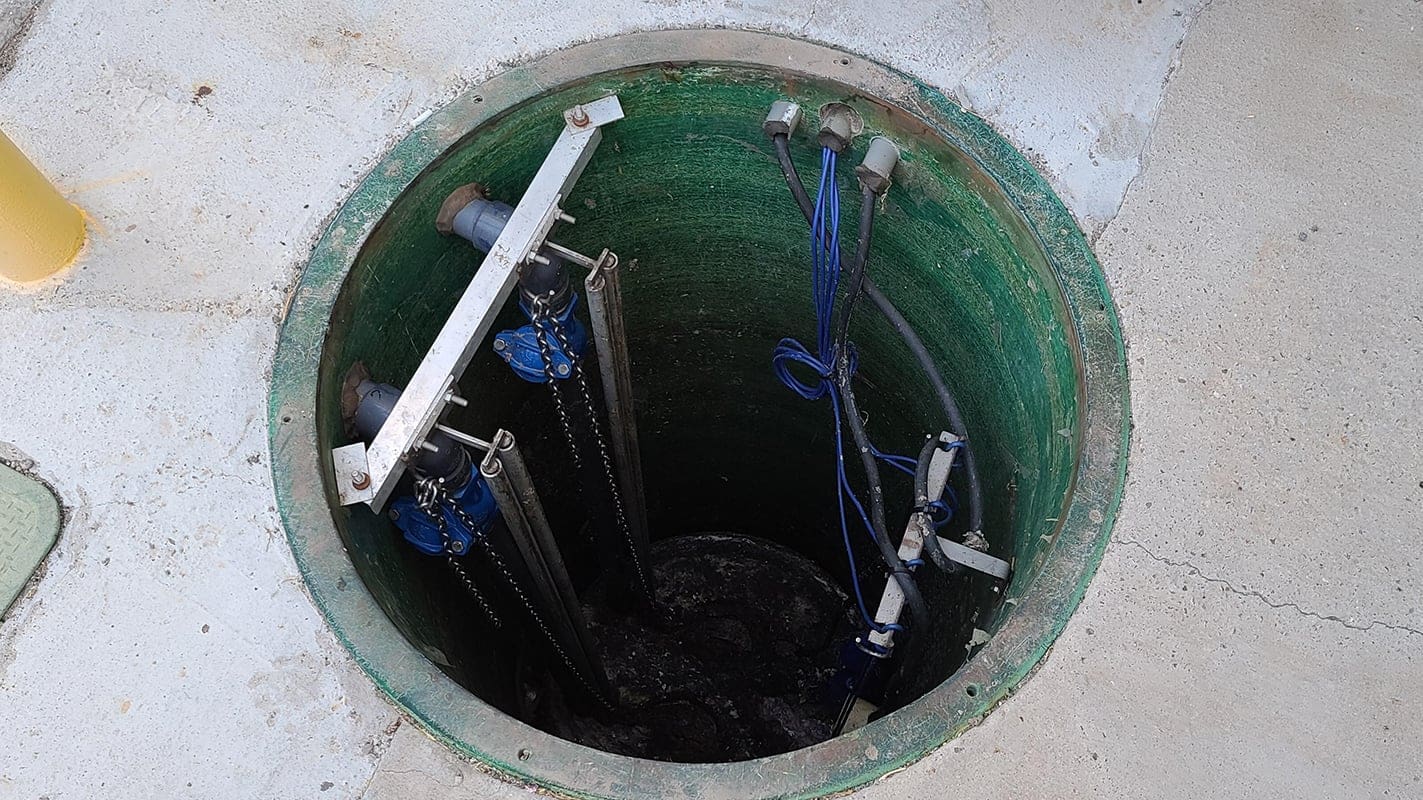
- Corrective Maintenance should be performed as-needed to prevent drainage and/or erosion problems and includes such activities as sediment and pollutant removal, repair or replacement of pipes and other structures, and channel stabilization. Corrective maintenance can be a major undertaking and should be performed by a professional.
- Damage or deterioration threatening the structural integrity of any component, conveyance or facility should be repaired as soon as possible.
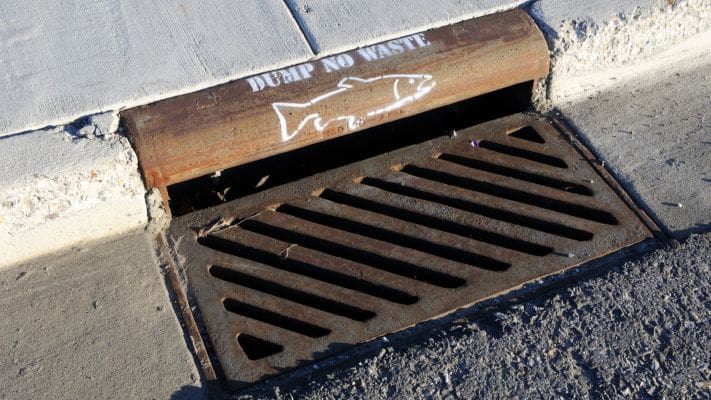
- Motor oil, antifreeze, or other oil and grease products should never be dumped into a storm inlet.
- Grass clippings, leaves, soil, or trash of any kind should be removed from any stormwater structure. Decomposing leaves and grass encourage the growth of oxygen-demanding bacteria; release nutrients that degrade the water quality of the receiving waters; and can potentially kill aquatic organisms.
- Paints, solvents, and other hazardous substances can kill vegetation and aquatic life and should never be dumped into any stormwater structure.
- Bare areas should be grassed to prevent the creation of sediment runoff.
Private Drainage Easements with Open Channel Flow:
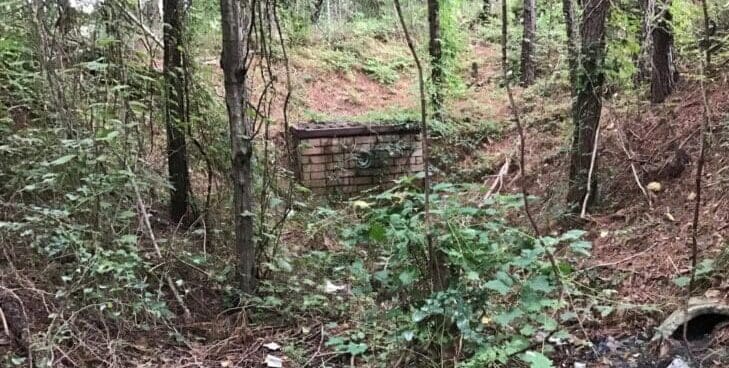
- The property owner should keep the easement free of obstructions in such a way as to assure the maximum designed flow at all times.
- The property owner should not dump yard debris and/or fill an open channel with soils or any other material.
- The property owner should perform routine and corrective maintenance on the open channel as needed to prevent drainage and/or erosion problems.
Private Drainage Easements with Pipe:
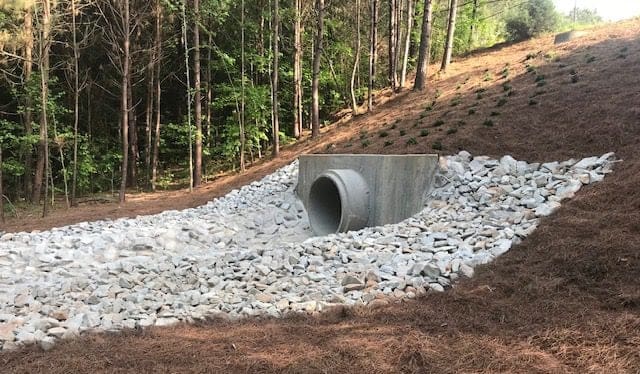
- The property owner should keep all pipes and boxes functioning as designed and perform routine and corrective maintenance as needed.
- The property owner should make ensure that all pipe openings and drainage boxes are free of debris, silt and any other obstruction. Property owners should not block partially or fully the opening of any pipe or drainage box.
Structural Best Management Practices (BMPs):
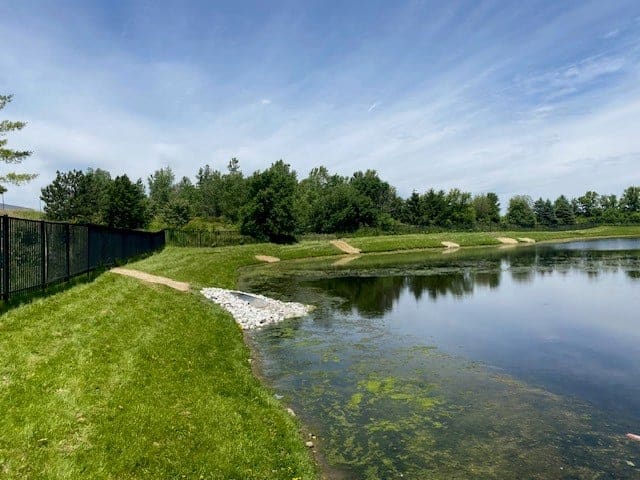
- The property owner should maintain the operational characteristics of all detention basins, retention ponds, and other impoundments, so that they continue to operate as they were originally designed.
- Repair of the outlet structure and removal of silt and debris surrounding the structure should be performed as needed to maintain performance.
- Access drives should be free of any obstructions.
- The facility should be maintained free of obstructions, silt, or debris.
- Trash pick-up, mowing, and debris removal is the responsibility of the property owner.
- The storage capacity or function of any detention basin, retention pond, or other impoundment, whether natural or man-made, should not be removed or diminished.
Inspection of the Private Stormwater Drainage System:
- Routine inspections of the Private Stormwater Drainage System located on an owner’s property should be conducted by the property owner.
- Inspections of any portion of the Stormwater Drainage System within the City may be conducted by the City to insure proper function. Such inspection, however, shall not constitute acceptance or any indication of ownership or acceptance of responsibility of that portion of the Stormwater Drainage System on the part of the City.
Emergency Maintenance
- The City may conduct emergency maintenance operations on any portion of the Stormwater Drainage System in order to protect the common good.
- Emergency maintenance includes maintenance necessary to remedy a condition which is potentially damaging to life, property, or public roads and right-of-way.
- Such emergency maintenance, conducted for the common good, shall not be construed as constituting accepting a continuing maintenance obligation by the City, nor prevent the City from seeking reimbursement for expenses from the property owner(s) of the land that generated the condition.
- In cases of emergency maintenance, the City is not obligated to replace structures and/or plantings (trees and shrubs) placed within a drainage easement.
View State Page
Frequently Asked Questions
What does Johns Creek expect from routine stormwater maintenance?
The city’s maintenance policy splits upkeep into two categories: routine tasks like trash pickup, mowing and woody debris removal that should happen on a regular basis, and corrective maintenance, like sediment removal, pipe repair or channel stabilization, that gets done as problems arise. Anything threatening the structural integrity of a component or facility should get repaired as soon as possible rather than waiting for the next scheduled visit.
What can and can't go into a stormwater structure in Johns Creek?
Motor oil, antifreeze, paints, solvents and other hazardous substances should never be dumped into any stormwater structure, and even grass clippings and leaves are treated as a real concern, since decomposing yard waste encourages oxygen-demanding bacteria and can degrade water quality enough to harm aquatic life downstream. Bare areas on a property should be grassed over specifically to prevent the sediment runoff that comes from exposed soil.
Who's responsible for maintaining a drainage easement on private property in Johns Creek?
The property owner is, whether the easement carries open channel flow or an underground pipe system. For open channels, that means keeping the area clear enough for maximum designed flow and never filling it with soil or yard debris. For piped easements, it means keeping every pipe opening and drainage box free of debris and silt, since even a partial blockage can compromise the system’s designed capacity.
Does a city inspection mean Johns Creek takes over maintenance of a private stormwater system?
No. The city can inspect any portion of the stormwater drainage system within its limits to confirm proper function, but that inspection doesn’t constitute acceptance of ownership or maintenance responsibility for that portion of the system. Routine inspection of a private system stays the property owner’s job, and the city’s oversight role doesn’t shift that obligation.
Can Johns Creek perform emergency maintenance on a private stormwater system, and who pays?
Yes, when a condition threatens life, property or public roads and right-of-way, the city can step in and perform emergency maintenance for the common good. That intervention doesn’t create an ongoing maintenance obligation for the city going forward, and Johns Creek can seek reimbursement from the property owner whose land generated the condition. The city also isn’t obligated to replace any structures, trees or shrubs placed within a drainage easement as part of that emergency work.
The information on this page is provided for general informational purposes only and is not legal advice. Regulations change frequently — AQUALIS makes no warranty as to the accuracy or completeness of this content, and any reliance on it is at your own risk. Consult a qualified professional or your local regulatory authority to confirm requirements applicable to your specific property.
Did you receive an NOV? Have an urgent need? We can help.
Notices of Violation (NOVs) or Corrective Notices should be taken seriously. Contact AQUALIS today to learn how to resolve the issue and comply with regulations.