


Last Updated 08/20/2026
POST- CONSTRUCTION STORM WATER MANAGEMENT PLAN – FORM, CONTENTS & DESIGN STANDARDS
The Plan shall be meet the following standards:
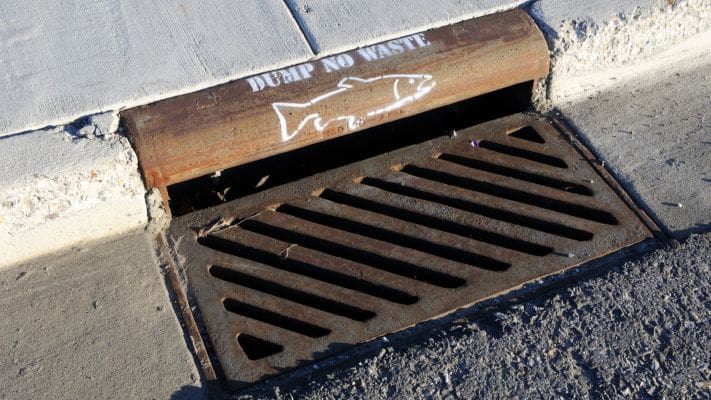
- No new stormwater conveyances shall discharge untreated stormwater directly to or cause erosion in wetlands or water of the Commonwealth;
- Post-development peak discharge rates shall not exceed pre-development peak discharge rates;
- Post-development annual recharge to groundwater shall approximate the pre-development recharge rate, based on soil types;
- For new development, stormwater management systems shall remove 80% of the average annual load to total suspended solids. This standard will be presumed to be met when:
- suitable nonstructural practices for source control and pollution prevention are implemented;
- stormwater management best practices are sized to capture the prescribed runoff volume; and
- stormwater management best practices are maintained as designed;
- Stormwater discharges from areas with higher potential pollutant loads use specific stormwater management best practices, as established in the Stormwater Policy Handbook;
- Stormwater discharges to shellfish beds, swimming beaches, cold water fisheries and recharge areas for public water supplies utilize stormwater management best practices approved for critical areas, as established in the Stormwater Policy Handbook;
- For redevelopment, Stormwater Management Standards must be met to the maximum extent practicable through retrofitted or expanded stormwater management systems;
- Erosion and sediment controls must prevent impacts during construction activities.
In lieu of meeting one or more of the standards set forth here, an applicant may demonstrate that an equivalent level of environmental protection will be provided.
OPERATION AND MAINTENANCE PLANS
The Operation and Maintenance Plan shall be designed to insure compliance with the permit and shall be signed by the property owners, shall include the name of the owner of each component of the Stormwater Management system and shall contain a maintenance agreement specifying:
- Names and addresses of persons responsible for operation and maintenance of the stormwater management system;
- Names and addresses of the persons responsible for financing maintenance and emergency repairs of the stormwater management system;
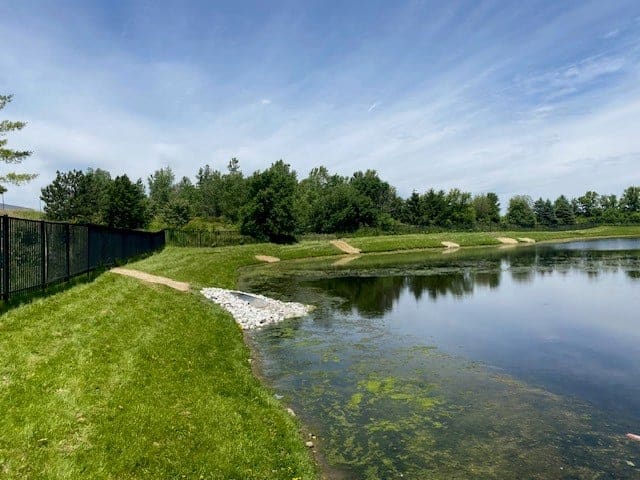
- A maintenance schedule for all drainage structures, including swales and ponds;
- A listing of easements with the purpose and location of each and shall include easements providing:
- access for facility inspections and maintenance;
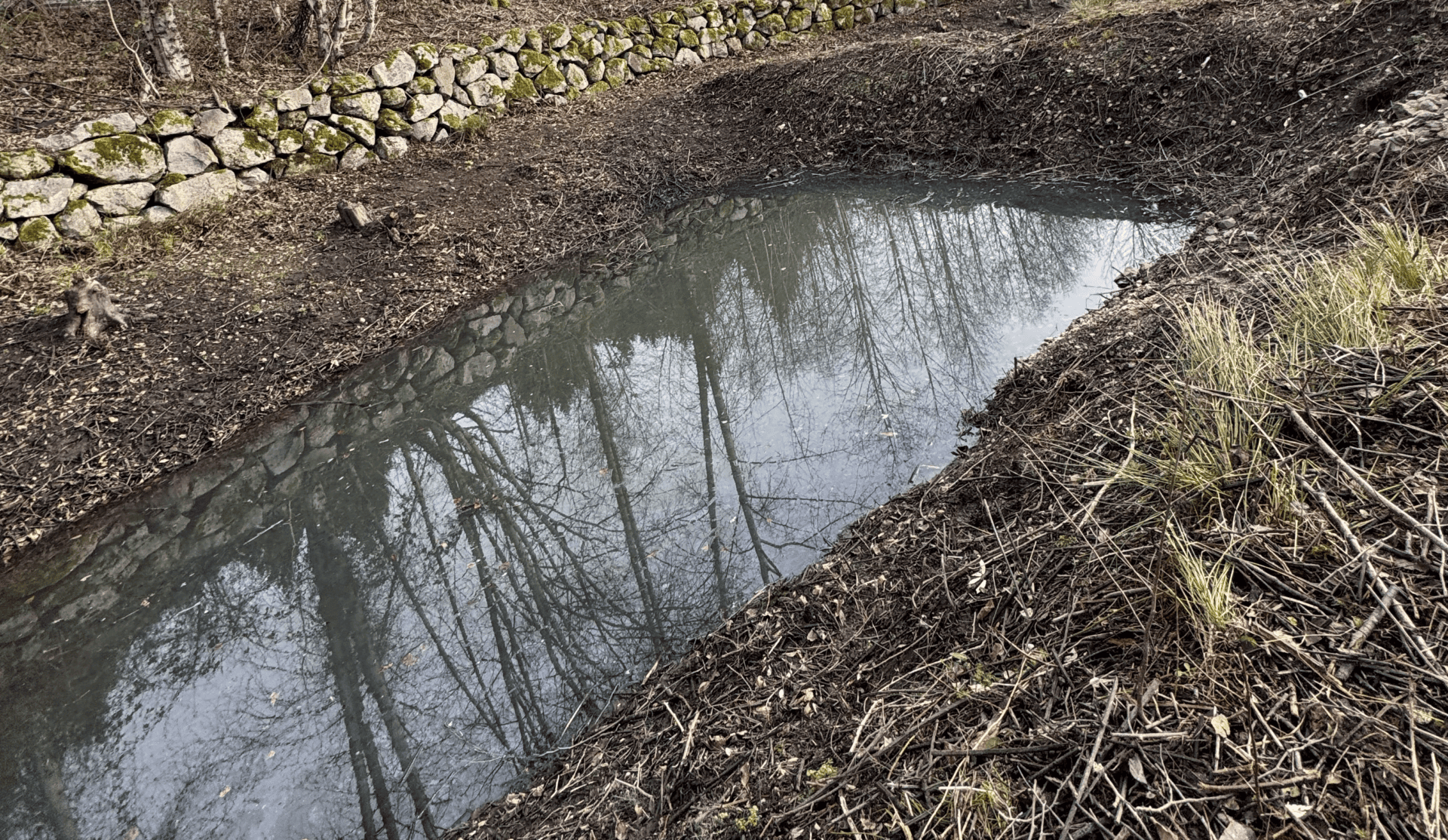
- preservation of stormwater runoff conveyance, infiltration and detention areas and facilities, including flood routes for the 100 year storm event;
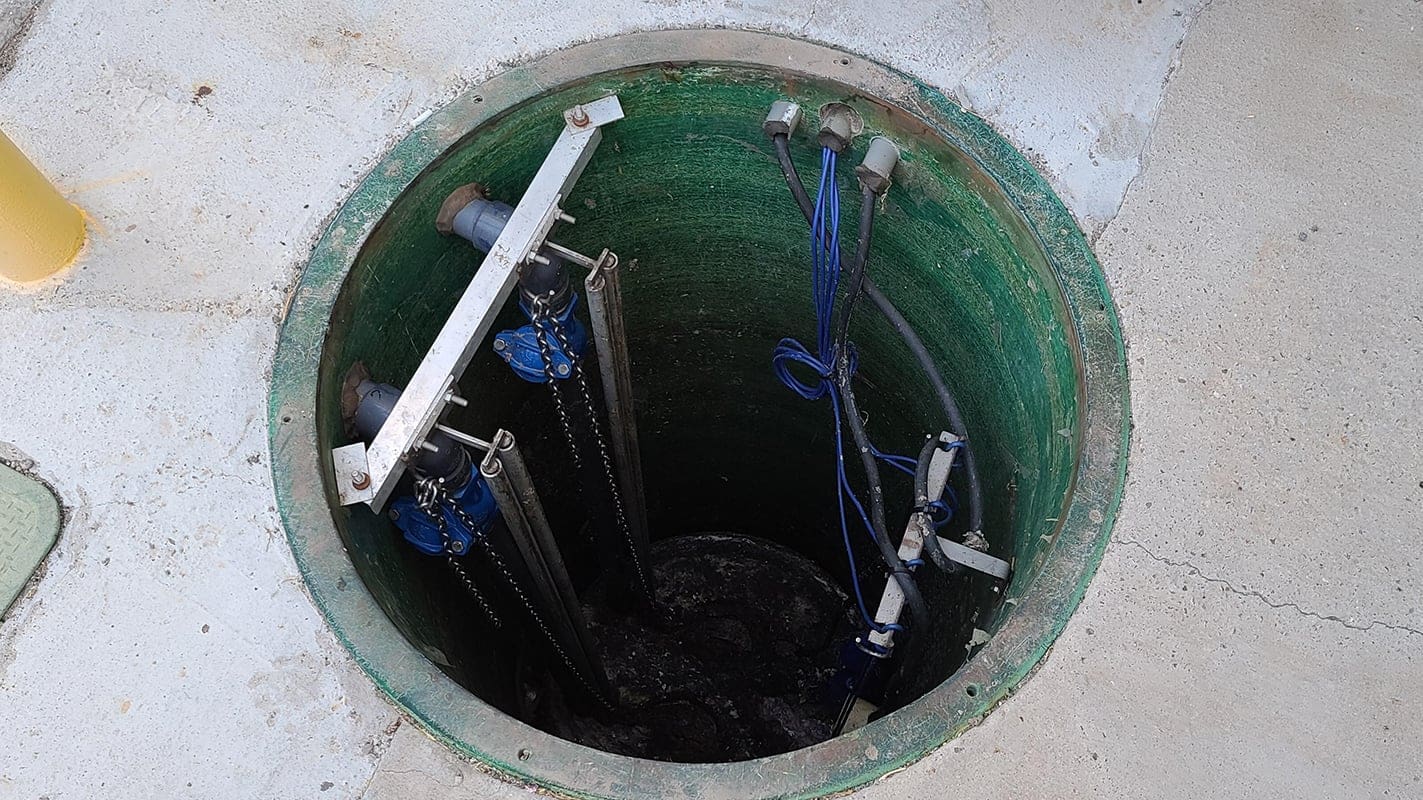
- direct maintenance access by heavy equipment to structures requiring regular cleanout.
Unless waived by the City Engineer, easements shall be required for all areas used for off-site stormwater control and shall be recorded in the Middlesex County Registry of Deeds.
ENFORCEMENT
The City Engineer may issue a written order to enforce the provisions of this ordinance, including but not limited to:
- An order to cease and desist from activity pending compliance with this ordinance or a permit issued thereunder;
- Maintenance, installation or performance of additional erosion and sediment control measures;
- Monitoring, analyses and reporting;
- Remediation of erosion and sedimentation resulting directly or indirectly from land disturbing activity.
Where abatement or remediation is required, the order shall set forth a deadline for completion of said abatement or remediation. Said order shall state that, failure to abate the violation or perform the required remediation within the specified time, may result in the city undertaking such work at the expense of the owner.
The city shall, within 30 days of completing abatement or remediation of a violation, notify the property owner of cost incurred in remediation, including administrative costs. If the amount due is not received within 30 days of notification or within thirty days following a final decision of a court of competent jurisdiction affirming or reducing the costs, the costs shall become a special assessment and shall constitute a lien on the owners property for the amount of said costs. Costs remaining unpaid more than 31 days after becoming due shall accrue interest at the rate provided by law.
The City Engineer and his authorized agents may purpose any civil and criminal remedy available in law and in equity to enforce the provisions of this ordinance or permits issued thereunder and may also punish violations in the manner provided in Massachusetts General Laws Chapter 40, Section 21D by a fine of $300.00. Every twenty-four hours during which a violation exists shall constitute a separate offense punishable by an additional fine.
View State Page
Frequently Asked Questions
What design standards must a post-construction stormwater plan meet in Malden?
Plans can’t allow new conveyances to discharge untreated stormwater into wetlands or waters of the Commonwealth, and post-development peak discharge rates can’t exceed pre-development rates. New development must also remove 80% of the average annual load of total suspended solids, which is presumed met when suitable source control practices are in place, BMPs are sized to capture the required runoff volume, and those BMPs are maintained as designed.
Are there special stormwater standards for sites near sensitive water bodies in Malden?
Yes. Discharges to shellfish beds, swimming beaches, cold water fisheries, and recharge areas for public water supplies must use stormwater management practices specifically approved for critical areas in the Stormwater Policy Handbook. Areas with higher potential pollutant loads have their own set of required practices as well.
Can a Malden property meet an alternative standard instead of the standard requirements?
Yes. An applicant can demonstrate that an equivalent level of environmental protection will be provided in place of meeting one or more of the specific standards outlined in the ordinance, giving some flexibility for site-specific conditions.
What has to be included in a Malden Operation and Maintenance Plan?
The plan must be signed by the property owner and name who’s responsible for both operating and maintaining the system and for financing repairs and emergency work. It also needs a maintenance schedule for all drainage structures, including swales and ponds, and a listing of every easement, covering inspection access, preservation of conveyance and detention areas, and direct access for heavy equipment doing regular cleanouts.
Does a Malden property need an easement for off-site stormwater facilities?
Yes, in most cases. Unless waived by the City Engineer, easements are required for all areas used for off-site stormwater control and must be recorded in the Middlesex County Registry of Deeds.
What penalties can Malden impose for stormwater violations?
The City Engineer can pursue civil or criminal remedies, or issue fines under Massachusetts General Laws Chapter 40, Section 21D, at up to $300 per violation. Unlike jurisdictions that assess penalties daily, Malden treats every 24-hour period a violation exists as a separate offense, meaning fines can accumulate faster than a simple day-by-day count would suggest.
The information on this page is provided for general informational purposes only and is not legal advice. Regulations change frequently — AQUALIS makes no warranty as to the accuracy or completeness of this content, and any reliance on it is at your own risk. Consult a qualified professional or your local regulatory authority to confirm requirements applicable to your specific property.