

Last Updated 07/22/2026
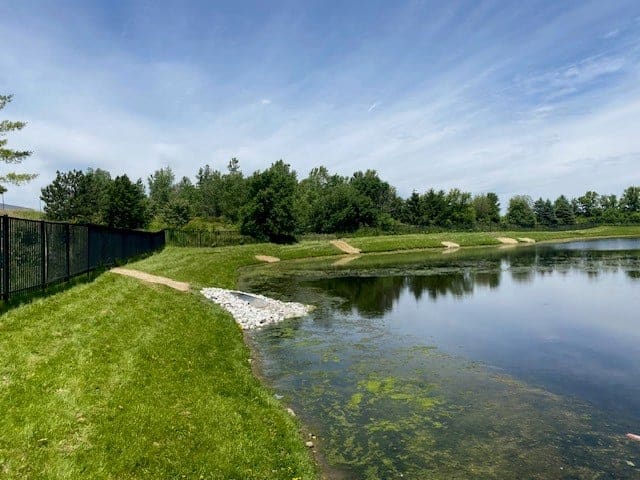
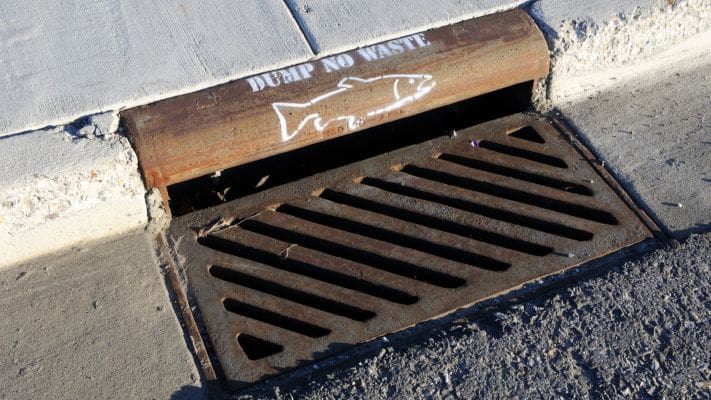
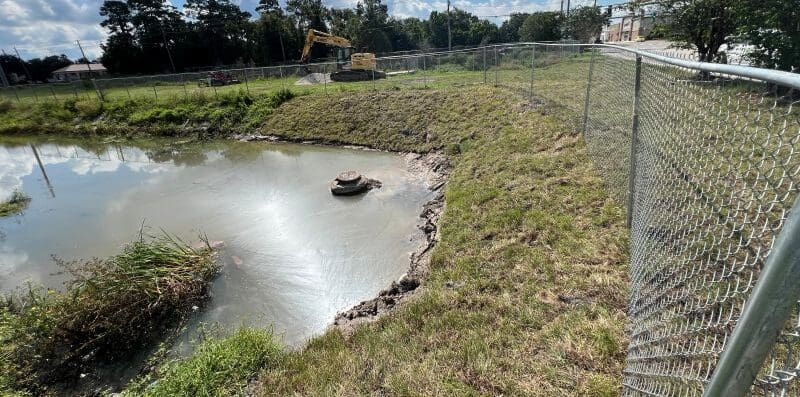
The County of Denver has enacted a Stormwater Ordinance in order to establish minimum stormwater management requirements and controls to protect and safeguard the general health, safety, and welfare of the public residing in watersheds within this jurisdiction. The County of Denver is the permitting authority for all land disturbing activities and requires the land owner to maintain all on-site stormwater control facilities and all open space areas (e.g. parks or “green” areas) required by the approved stormwater control plan. The County of Denver will only provide construction permits to projects that establish a plan to manage stormwater runoff occurring during the construction process. The County of Denver, under the NPDES program, also has the authority to inspect properties for noncompliance and can issue a notice of violation (NOV) for any deficiency or infraction onsite. Property owners are responsible for the maintenance of any stormwater facilities or practices located on the property. The County of Denver has the authority to inspect stormwater facilities and practices in order to ascertain that they are properly maintained and functioning.
City and County of Denver Storm Drainage Design and Technical Criteria, 2013
14.0 Water Quality
14.1 Introduction
This chapter hereby incorporates by reference specified portions of Volume 3 of the DISTRICT MANUAL for purposes of design and implementation of BMPs. Furthermore, application of the criteria contained herein shall be in accordance with the guidelines stated in the Denver Water Quality Management Plan.
14.6 Maintenance
Denver requires the following:
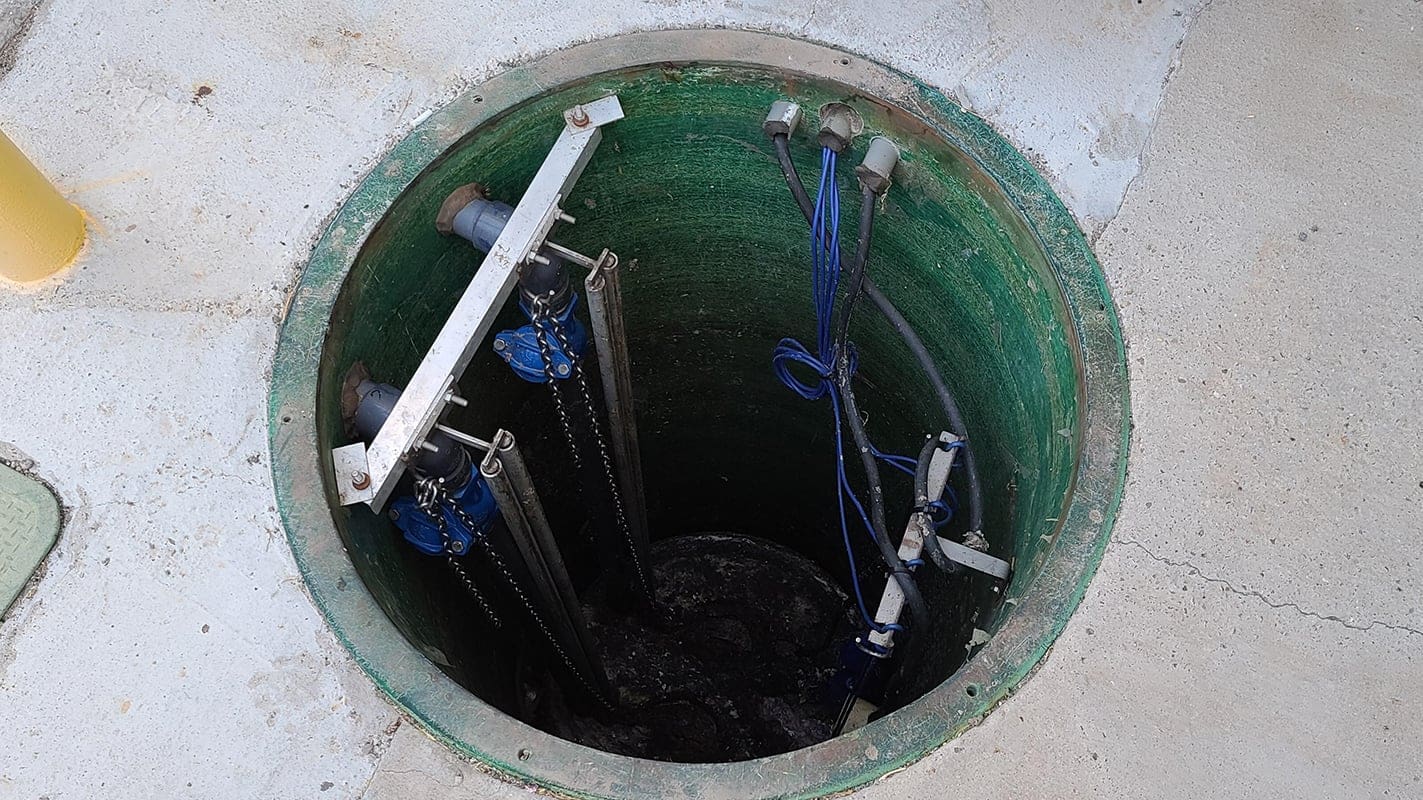
1) Facilities shall be designed to be readily maintainable with clearly specified long-term maintenance requirements.
2) Long-term maintenance of structural BMPs must be provided by the facility owner.
3) The facility owner, or owner’s representative, shall submit to the city at the time it seeks plan approval an operations and maintenance plan to assure that all structural BMPs function as intended. Maintenance guidelines are provided in the Denver Water Quality Management Plan and Volume 3 of the DISTRICT MANUAL which Denver may, in its discretion, follow.
Excerpt from Water Quality Management Plan City and County of Denver, 2004
Chapter 6: Stormwater Quality BMP Implementation Guideline
Part 5-3: Maintenance Policies and Guidelines
In order for stormwater BMPs to be effective, proper maintenance is essential. Maintenance includes both routinely scheduled activities, as well as non-routine repairs that may be required after heavy storm events or as a result of other unforeseen problems. Arrangements for BMP maintenance are the responsibility of the entity owning the BMP. More specifically, if Denver owns the BMP, then Denver maintains the BMP. If a private party owns the BMP, then the private party is responsible for arranging for maintenance of the BMP. BMPs should be designed with maintenance as one of the key design considerations, as discussed in the BMP Fact Sheets section of this chapter. This section provides recommendations for Denver to ensure proper maintenance of BMPs, as well as specific guidelines for BMP maintenance. For BMPs currently widely used in the Denver Area, the maintenance guidelines build directly upon Volume 3 of the Urban Storm Drainage Criteria Manual. For BMPs that have been used less frequently in the Denver area, such as green roofs, recommendations for maintenance are provided based on experiences in other parts of the United States.
Defining Maintenance Responsibility for Public and Private Facilities
Defining who is responsible for maintenance of BMPs and ensuring that adequate budget is allocated for maintenance is critical to the long-term success of BMPs. In Denver, maintenance responsibility may be assigned in four different ways:
- Municipally owned BMPs are maintained by Denver, typically through the Wastewater Management Division, but occasionally by Parks and Recreation. Denver personnel responsible for maintenance are trained by Denver’s Department of Environmental Health.
- Regional drainage facilities located outside of Denver parks are maintained by UDFCD when specific criteria are met.
- Privately owned BMP are maintained by the property owner, Homeowner’s Association or property manager.
- Privately owned BMPs are maintained by Denver under a written agreement with the owner, with appropriate fees assessed for maintenance services.
Enforcement of BMP maintenance is required under Denver’s Colorado Discharge Permit System (CDPS) stormwater permit and is accomplished through several full-time staff that conduct inspections of permanent BMPs. Additional legal enforcement may be accomplished by a variety of other mechanisms including:
- Agreements establishing legally binding BMP maintenance requirements and responsibilities.
- Permit obligations specifying BMP requirements.
- Municipal legislative action or rulemaking authority.
Examples of maintenance agreements from several communities throughout the country can be found in Appendix D. Examples of some of the specific requirements suggested for legal agreements by the Watershed Management Institute (1997) include:
General Assurances: Identify requirements for proper operation and maintenance, conditions for modification of facilities, dedicated easements, binding covenants, operation and maintenance plans, and inspection requirements.
Warranty Period: Require the original developer to be responsible for maintenance and operation during a defined short-term period and identify the entity responsible for long-term operation. The party responsible for long-term maintenance must have appropriate legal authority to own, operate, maintain, and raise funds to complete needed maintenance.
Proof of Legal Authority: Require that the entity meet certain conditions verifying its legal authority to ensure maintenance.
Conditions for Phased Projects: Clearly specify how maintenance responsibilities are allocated over the long-term for a project that is phased in over time.
Remedies: Clearly define remedies in the event that inspections determine that the facility is not being properly maintained.
For private facilities, such as those owned and maintained by homeowners associations, there is often a lack of understanding of maintenance required for BMPs. Both Denvers internal staff and outside reviewers of this plan identified maintenance of private facilities as a top priority. One proposed solution was to require a maintenance plan to be submitted as part of the development review/approval process. Recommendations for such maintenance plans are provided below. In addition to maintenance plans, another important step is educating the general public on the purpose and function of stormwater BMPs. This is critical in cases where Low Impact Development (LID) or landscape-based BMPs are implemented on multiple parcels in developments. In addition to legally binding maintenance agreements, it would also be helpful to have easy-to-understand informational brochures that describe the functions and maintenance requirements for these facilities are also provided, in the event that they are approved on a limited basis under site-specific circumstances. BMP maintenance requirements should be posted on the Denver Public Works website for ready access by the public and be incorporated into updates to Denver’s Storm Drainage Design and Technical Criteria Manual. Since some of the BMPs included in this plan are relatively new to Denver, practical experience will likely provide more insight into maintenance needs. As a result, the Denver (www.denvergov.org) and UDFCD (www.udfcd.org) websites should be periodically checked for updates to maintenance recommendations. It is also important to note that the guidelines included in this plan should always be combined with common sense and good judgment based on field observations and practical experiences of staff.
On a general note with regard to BMPs that have a vegetation component or involve weed and pest control, the Mayors Executive Order 121 establishes specific requirements for pesticide use in Denver (Denver 1997). UDFCD and Chapter 7 of this Plan strongly advocate use of Integrated Pest Management (IPM) practices that help to reduce the level of pesticide and herbicide use through a variety of practices. Although water quality monitoring is not typically required as part of maintenance agreements, it is highly encouraged as an effective tool for determining if the BMP is functioning effectively. Stormwater quality monitoring guidelines can be downloaded from the International Stormwater BMP Database website (www.bmpdatabase.org).
Please see the Denver Water Quality Management Plan for charts on each BMP and advised maintenance.
BMP MAINTENANCE WILL BE ENFORCED UNDER DENVER’S CDPS STORMWATER PERMIT
View State Page
Frequently Asked Questions
Who is responsible for maintaining a structural BMP in Denver, the city or the property owner?
The facility owner, in almost every case. Denver’s design criteria specifically require long-term maintenance of structural BMPs to be provided by the facility owner, and BMPs have to be designed from the start to be readily maintainable with clearly specified long-term requirements, not retrofitted for maintenance after the fact.
Do I need to submit a maintenance plan before Denver approves my BMP design?
Yes. At the time you seek plan approval, you or your representative has to submit an operations and maintenance plan showing how the structural BMPs will function as intended. Denver’s Water Quality Management Plan and the regional District Manual provide the maintenance guidelines that plan should follow.
How does Denver decide who maintains a BMP, the city, a regional district, or the property owner?
It depends on ownership and location. Municipally owned BMPs are maintained by Denver, typically through its Wastewater Management Division. Regional drainage facilities outside Denver parks can fall to the Urban Drainage and Flood Control District when specific criteria are met. Privately owned BMPs are maintained by the property owner, HOA, or property manager, unless Denver has agreed in writing to maintain a private BMP itself, with fees assessed for that service.
How does Denver enforce BMP maintenance requirements?
Through its Colorado Discharge Permit System stormwater permit, backed by full-time staff who conduct inspections of permanent BMPs. Beyond routine inspection, the city can also enforce maintenance through legally binding agreements, permit obligations that specify BMP requirements directly, and municipal legislative or rulemaking action.
What should a legally binding stormwater maintenance agreement in Denver actually include?
Several elements the city’s plan recommends: general assurances covering operation conditions, easements, and inspection requirements; a warranty period during which the original developer stays responsible before long-term maintenance transfers; proof that whoever takes on long-term responsibility actually has the legal authority and funding ability to do it; clear allocation of responsibility across phased projects; and defined remedies if an inspection finds the facility isn’t being properly maintained.
Why does Denver's plan single out homeowners associations as a maintenance concern?
Because both Denver’s internal staff and outside reviewers identified private facility maintenance, particularly HOA-owned BMPs, as a top priority concern. A common gap is that HOAs and other private owners often don’t fully understand what maintenance a BMP actually requires, which is part of why the city pushes for maintenance plans submitted during development review rather than left informal.
Does Denver regulate pesticide use tied to vegetated BMPs?
Yes. Mayor’s Executive Order 121 establishes specific requirements for pesticide use citywide, and Denver’s stormwater guidance strongly advocates Integrated Pest Management practices to reduce pesticide and herbicide use on BMPs with a vegetation component, like bioretention areas or vegetated swales.
Is water quality monitoring required as part of BMP maintenance in Denver?
Not strictly required, but strongly encouraged. Denver’s plan notes that while monitoring isn’t typically a mandatory part of a maintenance agreement, it’s an effective tool for confirming a BMP is actually functioning as designed, and guidance for that kind of monitoring is available through the International Stormwater BMP Database.
How can AQUALIS help my property stay compliant with Denver's stormwater maintenance requirements?
AQUALIS helps Denver property owners and HOAs prepare the operations and maintenance plans required at plan approval, maintain structural BMPs to the standard the city’s CDPS permit enforces, and put legally binding maintenance agreements in place that meet the city’s recommended elements.
The information on this page is provided for general informational purposes only and is not legal advice. Regulations change frequently — AQUALIS makes no warranty as to the accuracy or completeness of this content, and any reliance on it is at your own risk. Consult a qualified professional or your local regulatory authority to confirm requirements applicable to your specific property.