Properties built after 2000 almost always have an engineered stormwater system. Federal regulations finalized in 1999 and phased in through the early 2000s required most new development and redevelopment to include stormwater management as part of site design. If a property was built or significantly renovated after that point, some form of detention, retention or conveyance system is already in place.
Properties built before the year 2000 are more varied. Stormwater regulation at that time was far less consistent, and many sites from that era were developed with minimal infrastructure that was often incorporated into the city’s infrastructure. Some still rely on systems that were adequate for rainfall patterns and impervious surface coverage of the time but were never designed for current conditions. As cities continue to develop and expand, rain has fewer places to go, resulting in what seems like additional stormwater. Because of this, new builds often incorporate extra stormwater conveyance and capture systems.
What Changed After 2000
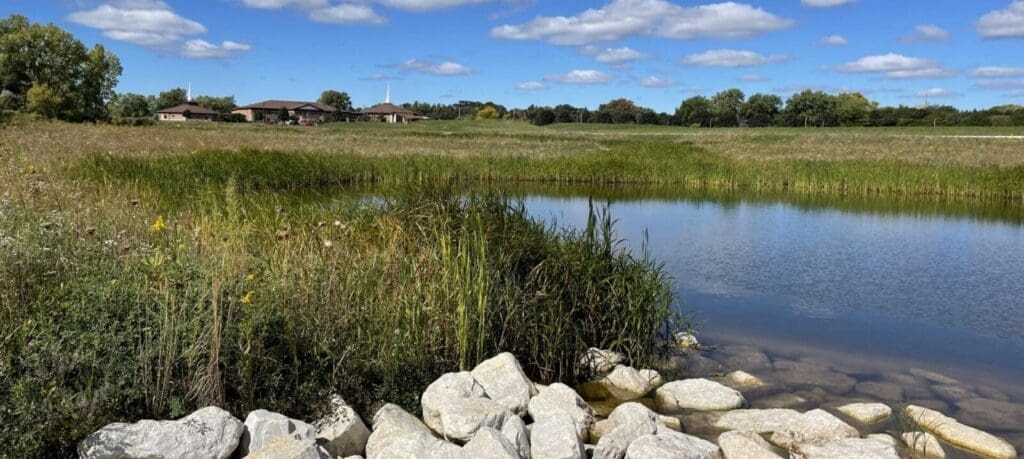
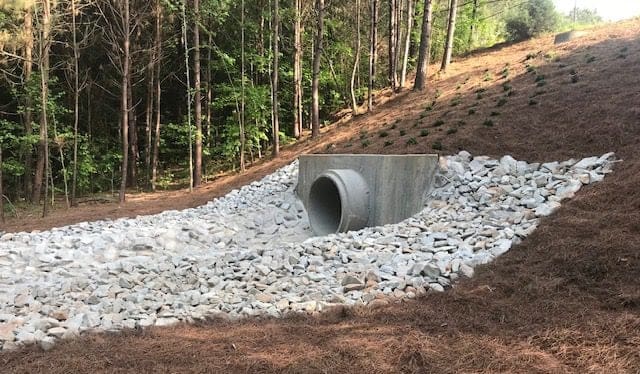
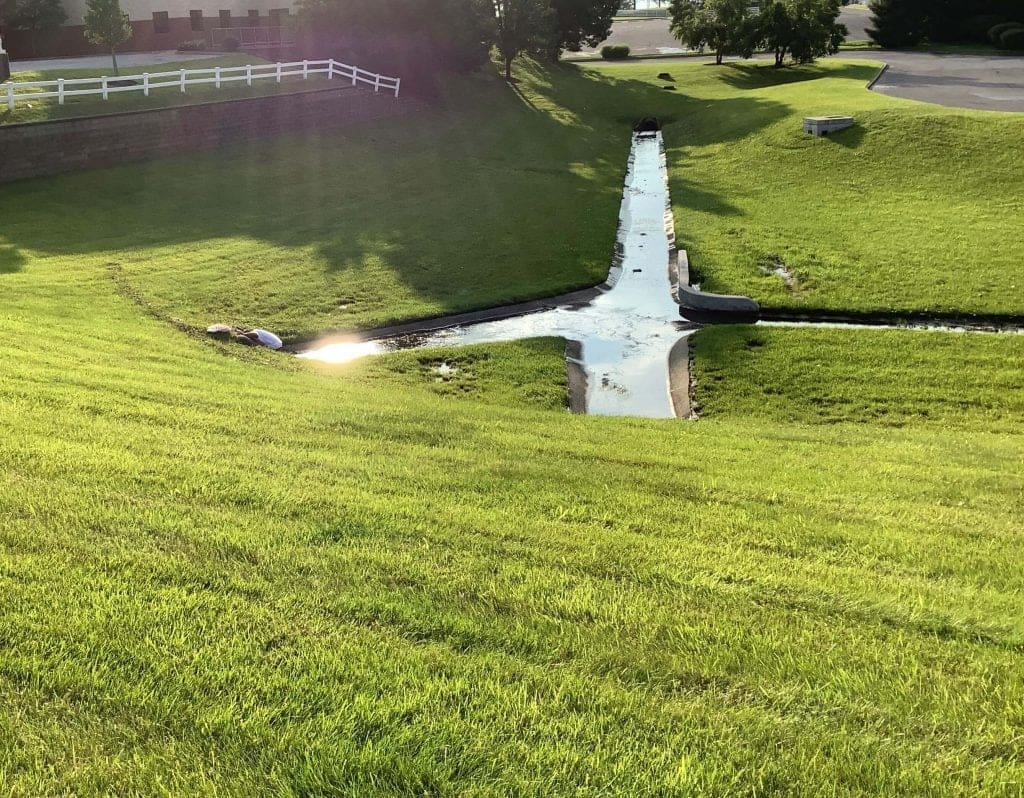
The regulatory shift came from Phase II of the National Pollutant Discharge Elimination System (NPDES) program, which expanded stormwater permitting requirements to smaller municipalities and construction sites starting in 1999. Local jurisdictions built on this with their own design standards, often requiring detention ponds, underground storage, bioswales or other engineered solutions for new development.
This means a property built in 2005 was almost certainly designed with a specific stormwater management plan, reviewed and approved by local authorities before construction.
What an Older System Might Look Like
A property built in the 1990s or earlier may have one of a few situations:
- A basic conveyance system designed only to move water off site quickly, with no detention or treatment component
- An aging system that was adequate when built but has degraded over four decades of use
- No formal stormwater infrastructure at all, with drainage relying on natural grading
None of these situations are necessarily a problem on their own. Many older systems continue to function as intended for years. The risk comes from the combination of age, lack of maintenance history and changes to the surrounding watershed, including new development nearby that has increased runoff volume reaching the property.
Signs an Older System Needs a Closer Look
Property managers overseeing older sites should watch for a few common indicators:
- Standing water in areas that previously drained well
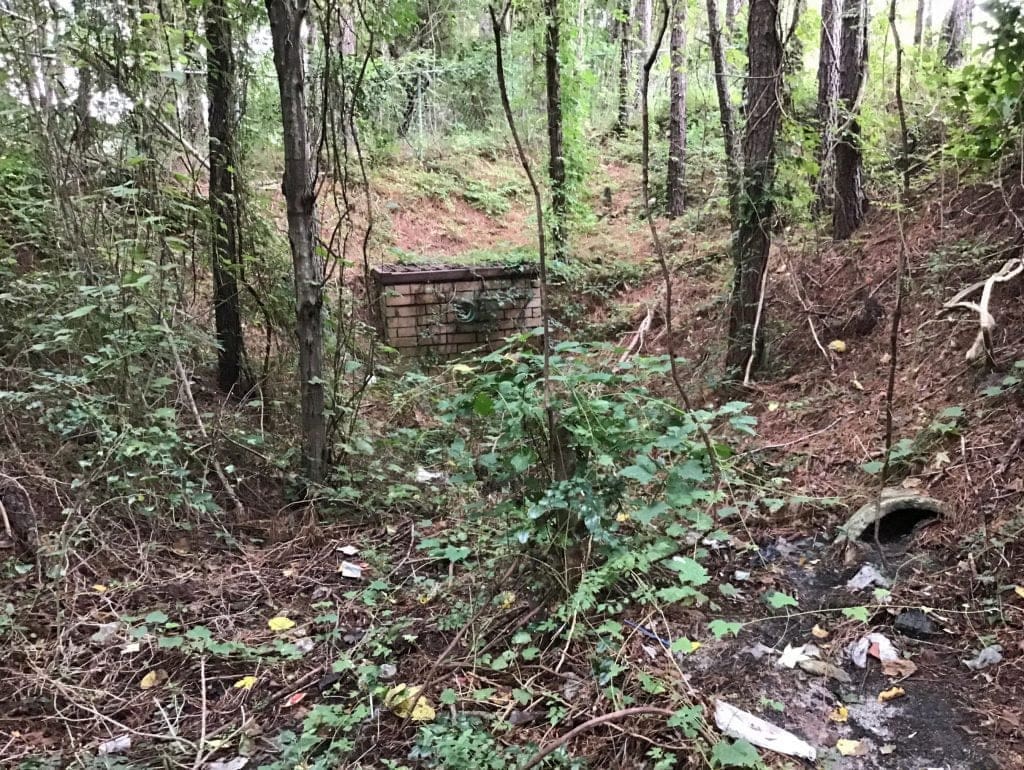
- Erosion near outfalls, swales or pipe outlets
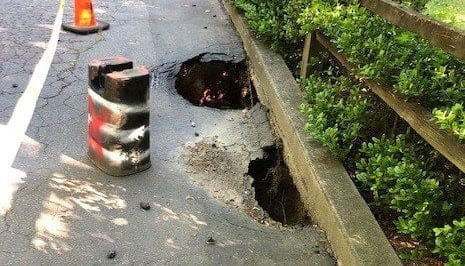
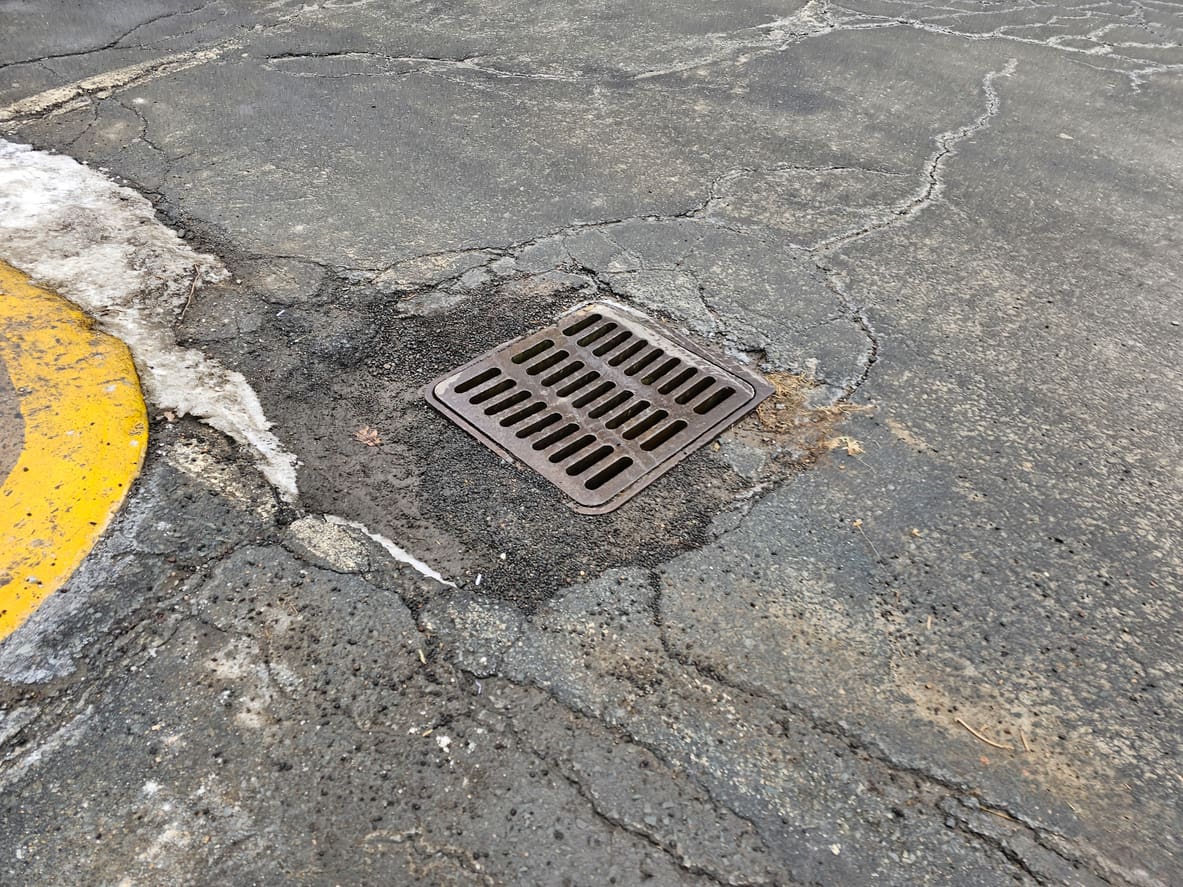
- Sediment buildup or visible structural cracking in catch basins and manholes
- Increased flooding during storms that did not previously cause issues
- Pipe materials known for shorter service lives, such as corrugated metal installed before more durable alternatives became standard
Any of these signs point to a system that may be reaching the end of its functional life, even if it has not failed outright.
How Regional Factors Compound the Age Issue
Climate and geography affect how quickly a stormwater system ages out of usefulness. A 1990s system in a region that has seen significant new development since installation is dealing with more runoff than it was ever designed to handle, even if the pipes and structures themselves are intact. Added impervious surfaces upstream, from new roads, parking lots or buildings, increase the volume and speed of water reaching an older system.
Regions that have experienced an increase in storm intensity over the past several decades present a similar challenge. A system engineered around historical rainfall data from before the 2000s may not have the capacity for current storm patterns, regardless of how well it has been maintained. Property managers in fast-growing or storm-prone areas should weigh these regional shifts alongside the system’s age when deciding how urgently to schedule an inspection.
What a Professional Inspection Typically Covers
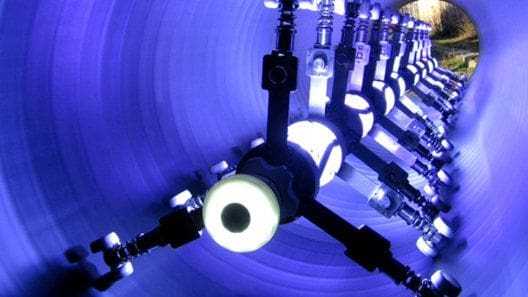
A thorough stormwater inspection looks at the system as a whole, not just the visible surface components. Inspectors typically evaluate:
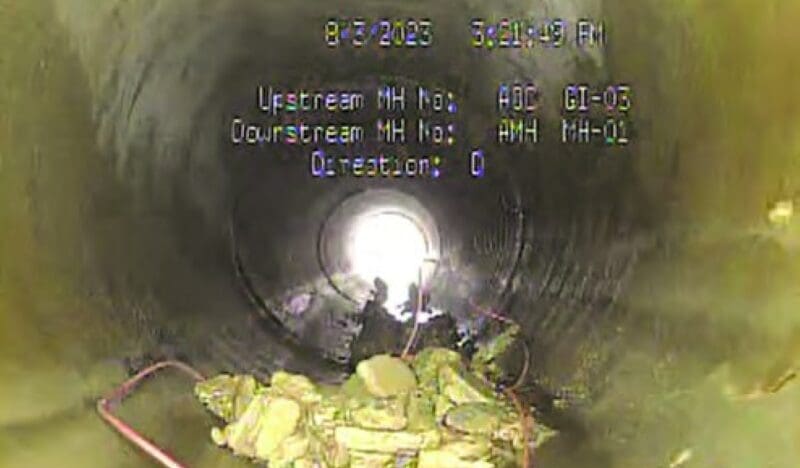
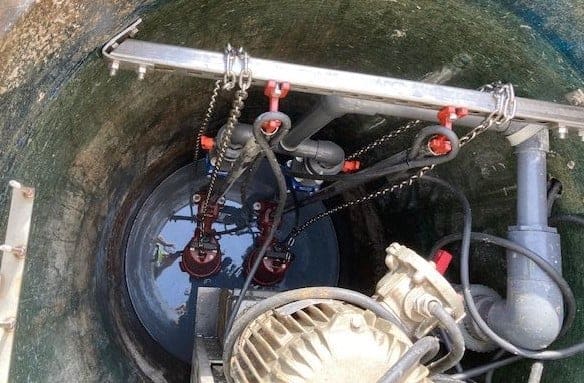
- Pipe condition, including material type, joint integrity and signs of corrosion or collapse
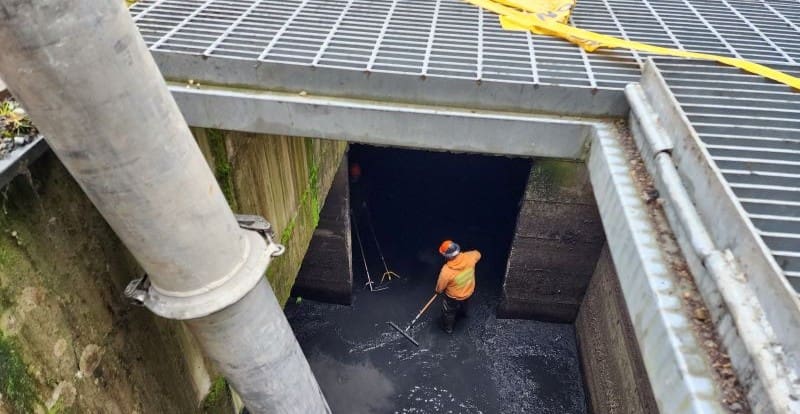
- Catch basin and manhole structural condition, along with sediment and debris accumulation
- Outfall condition and any erosion at discharge points
- Overall system capacity relative to current site conditions and upstream development
- Documentation gaps, since many older properties lack as-built drawings or maintenance records
For properties without existing documentation, this process also establishes a baseline. Once a property manager has a clear record of pipe materials, structure locations and system capacity, future decisions about repair, rehabilitation or replacement become far more straightforward.
Maintenance Steps That Extend System Life
Regardless of a system’s age, a few practices help property managers get the most out of what is already in the ground:
- Scheduling routine catch basin cleaning to prevent sediment and debris buildup which eventually reduces capacity
- Keeping vegetation managed around swales, ponds and outfalls so water can move and infiltrate as designed
- Addressing minor erosion or cracking early, before it develops into a larger structural issue
- Reviewing the system after any major storm event to identify new wear or damage
- Tracking inspection history over time so changes in condition are easier to spot
These steps will not turn an undersized stormwater system into one that meets current standards, but they do reduce the likelihood of unexpected failures and extend the useful life of existing infrastructure.
Why Age Alone Does Not Tell the Full Story
A stormwater system’s condition depends on more than the year it was installed. Maintenance history, material quality, soil conditions and changes in upstream development all affect how well an older system continues to perform. A well-maintained 1980s system can outperform a neglected one from 2010.
This is why an inspection, not just a build date, is the most reliable way to understand a property’s actual stormwater condition. A trained inspector can assess pipe integrity, structural condition and capacity against current site conditions, giving property managers a clear picture instead of an assumption based on age alone.
Properties built after 2000 benefit from, and are often required to have annual inspections to ensure their system is functioning are initially designed. Properties built earlier benefit most from a professional assessment that confirms what is actually in the ground and how well it is holding up.
If your property was built before 2000 and you are unsure of its stormwater system’s condition, AQUALIS can help with an inspection to assess what is in place and what, if anything, needs attention.