
A stormwater system is built to manage rain, so it is easy to assume that dry conditions give it a rest. They do not. During a drought, the vegetation, soil and structures that make up the system continue to change, and those changes shape how well everything holds up once the rain returns.
Understanding what happens during a dry stretch also explains something that surprises a lot of property teams: why drought is one of the best times of year to inspect and repair a stormwater system. This is a look at both sides of that, what dry conditions do to a system and what they make possible for the people maintaining it.
First, what a stormwater system is actually doing
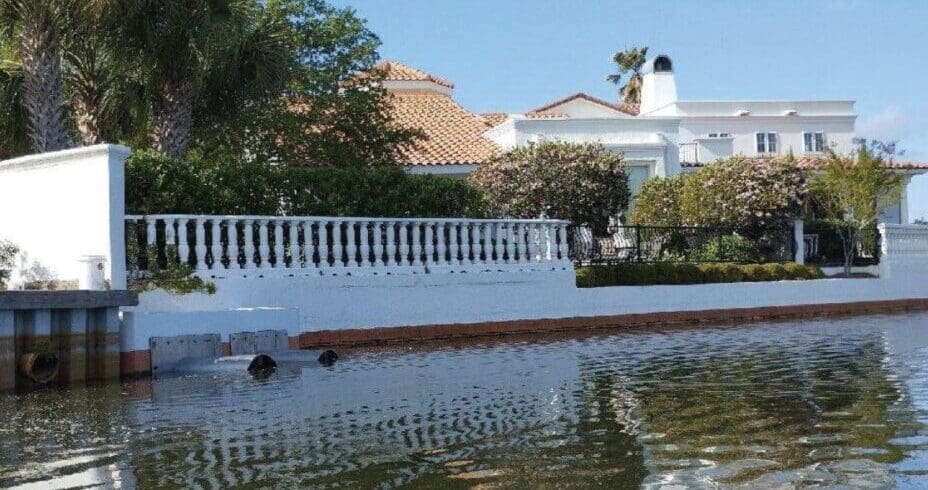
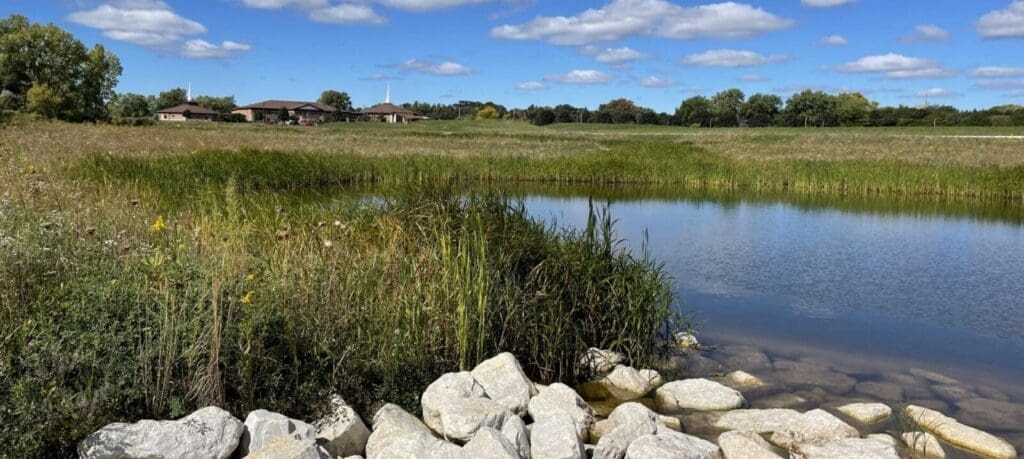
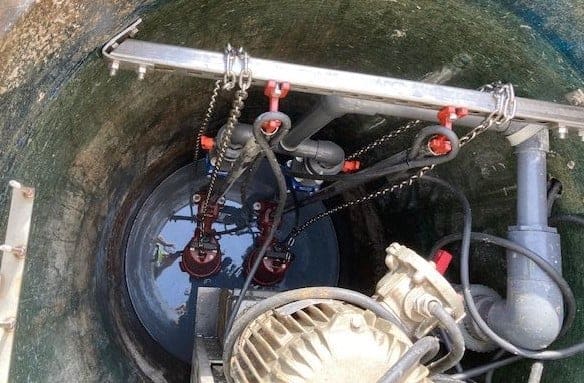
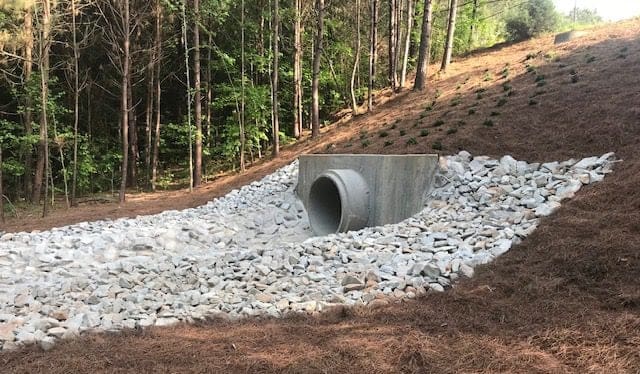
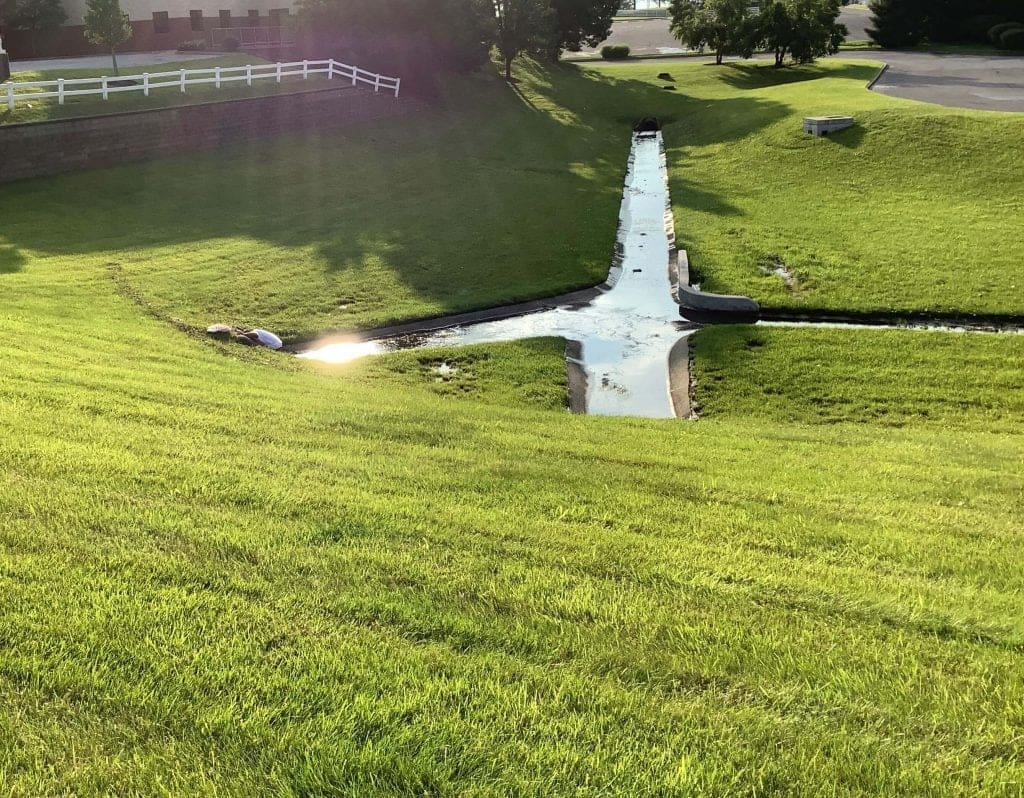
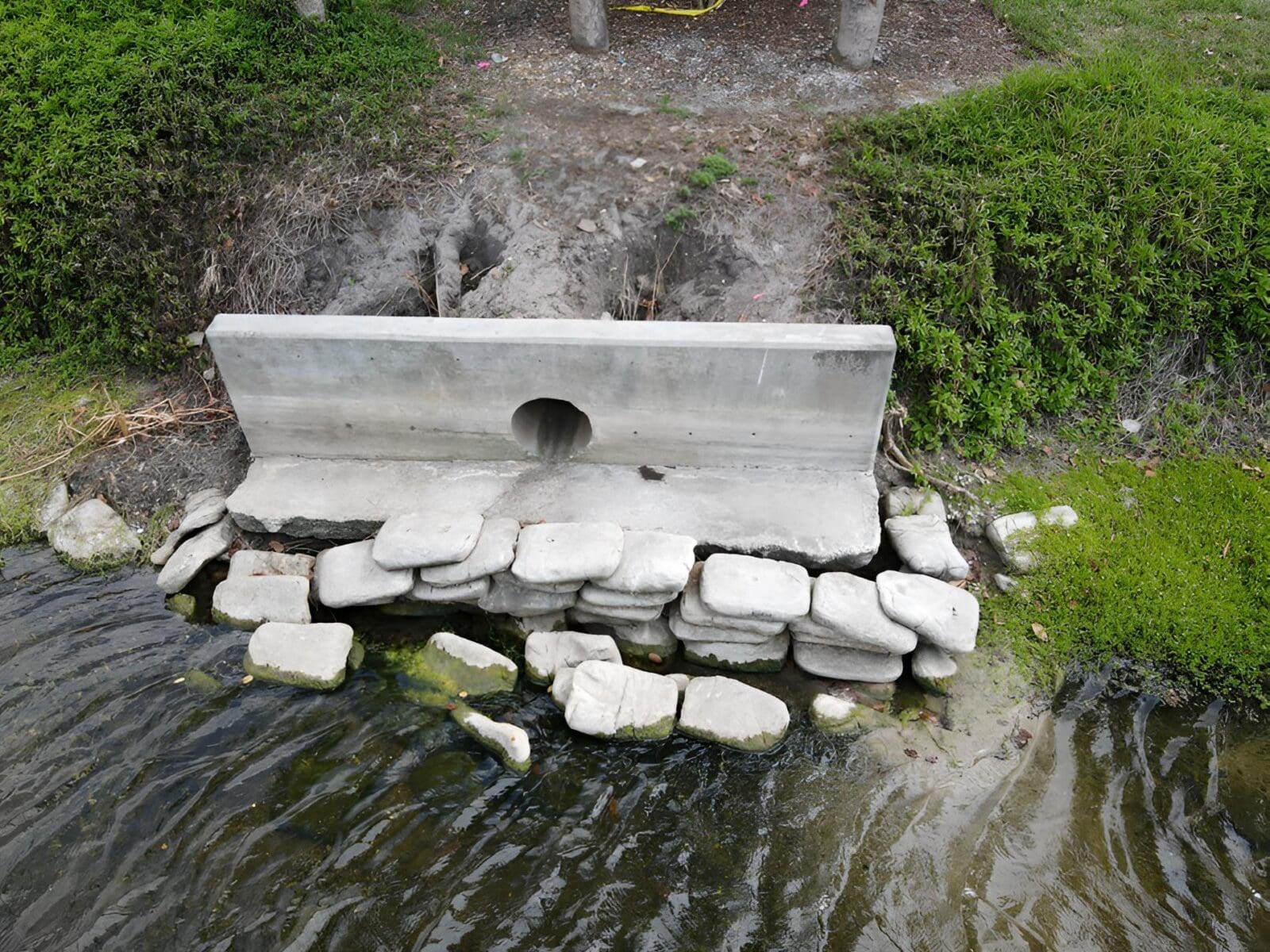
A stormwater system is a network of components working together to move and treat water after it rains: inlets and pipes that carry runoff, detention and retention ponds that hold it, and vegetated features like bioretention areas and swales that slow it down and filter out sediment. Much of it sits underground or at the edges of a site, which is part of why it tends to fade into the background until something goes wrong.
Two parts of that system matter most for understanding drought: the vegetation and the soil. Both behave in specific ways when the water stops, and both explain why a dry spell quietly changes the condition of a system.
What drought does to the vegetation
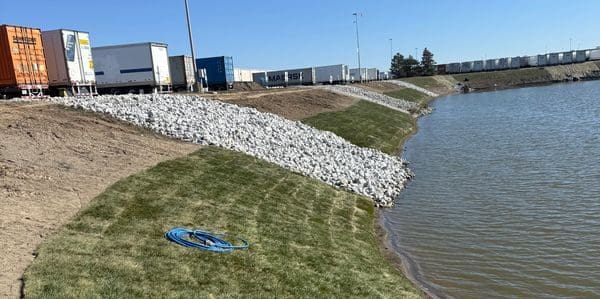
A surprising amount of stormwater control follows natural processes. Bioretention areas, vegetated swales, pond banks and turf-reinforced channels all rely on living plants to do structural work. Roots hold soil in place. Vegetation slows water as it moves across a surface, giving sediment time to drop out and giving the ground time to absorb runoff instead of shedding it.
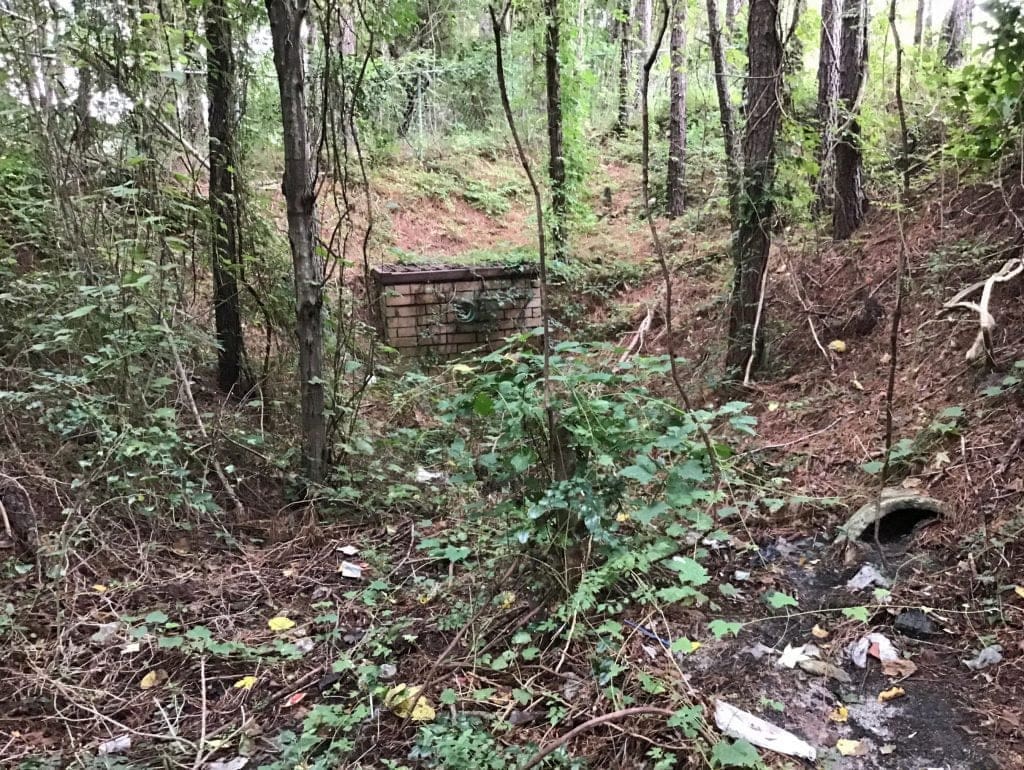
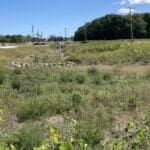
When a drought sets in, that vegetation gets stressed and begins to die back. The visible part of the plant goes first, but the more important loss is underground: the root systems that were anchoring the soil weaken and shrink. Once those roots are gone, the soil they were holding becomes loose and exposed. The feature still looks like a swale or a pond bank, but it has lost much of what made it function.
This is the first reason a dry season changes a system. The damage is real, but it is mostly out of sight, so it does not announce itself the way a clogged inlet during a storm would.
What drought does to the soil
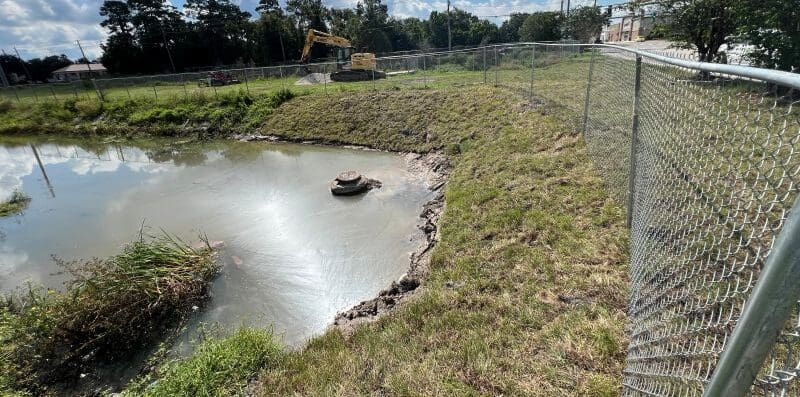
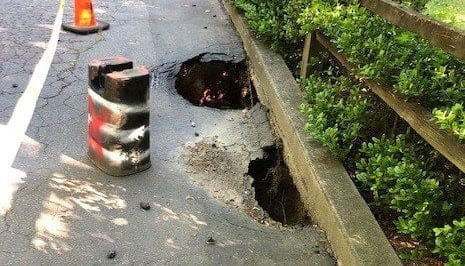
The second change happens in the ground itself. Many soils, especially clay-heavy ones, shrink as they lose moisture. As they contract, they pull away from the things buried in them: pipes, structures, pond walls and embankments. Small gaps and voids open up around that infrastructure. Pond walls can lose some of their integrity. None of this is visible from the surface.
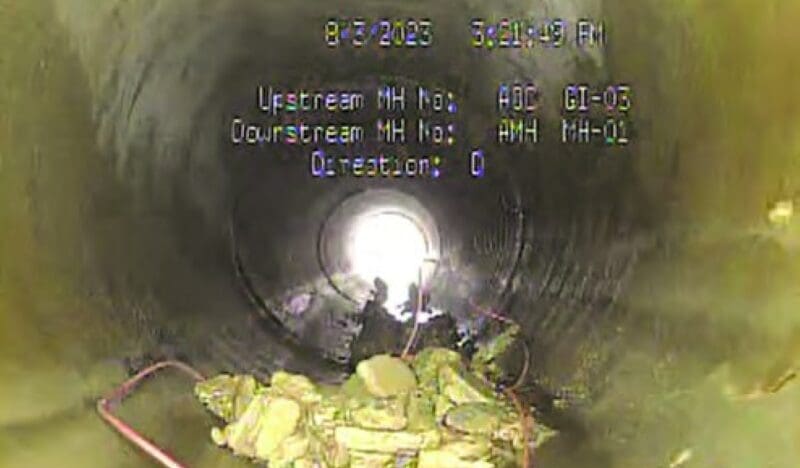
Drought also changes sediment. Pipes and inlets collect sediment over time, and in normal conditions it stays damp and relatively loose. As it dries out, it hardens and compacts. The longer it sits in dry conditions, the more it sets, and the harder and more expensive it becomes to remove. Sediment that could have been cleared easily in spring can require significantly more effort by late summer.
Put the vegetation and the soil together and you get the underlying lesson: a drought is not a quiet season for a stormwater system. It is a period of slow change happening below the surface, even though no water is moving through the system at all.
Why the rain afterward is the real test
The reason any of this matters is what happens when the rain comes back. A stormwater system is designed around an assumption: that its vegetation, soil and structures are intact and functioning. Drought quietly violates that assumption, and the first significant rainfall is when the system gets tested against it.
On a healthy site, a moderate rain is routine. On a site that has been drying out for months, the same rain behaves differently. Loose soil with no root structure to hold it washes downstream as erosion. Pond walls that lost integrity get tested at full capacity. Partially blocked pipes back up sooner than they should. The result is that the response to a storm can be out of proportion to the storm itself, because the site is no longer functioning the way it was designed.
This is also why timing tends to favor preparation. Many regions move through long dry stretches and then return to heavier rainfall, sometimes concentrated into more intense storms over shorter windows. The sites that handle that transition well are generally the ones where the dry-season changes were caught and corrected before the water returned.
Why the dry window is the easiest time to do the work
Here is where the seasonal logic comes full circle. The same dry conditions that stress a system also make it far easier to work on.
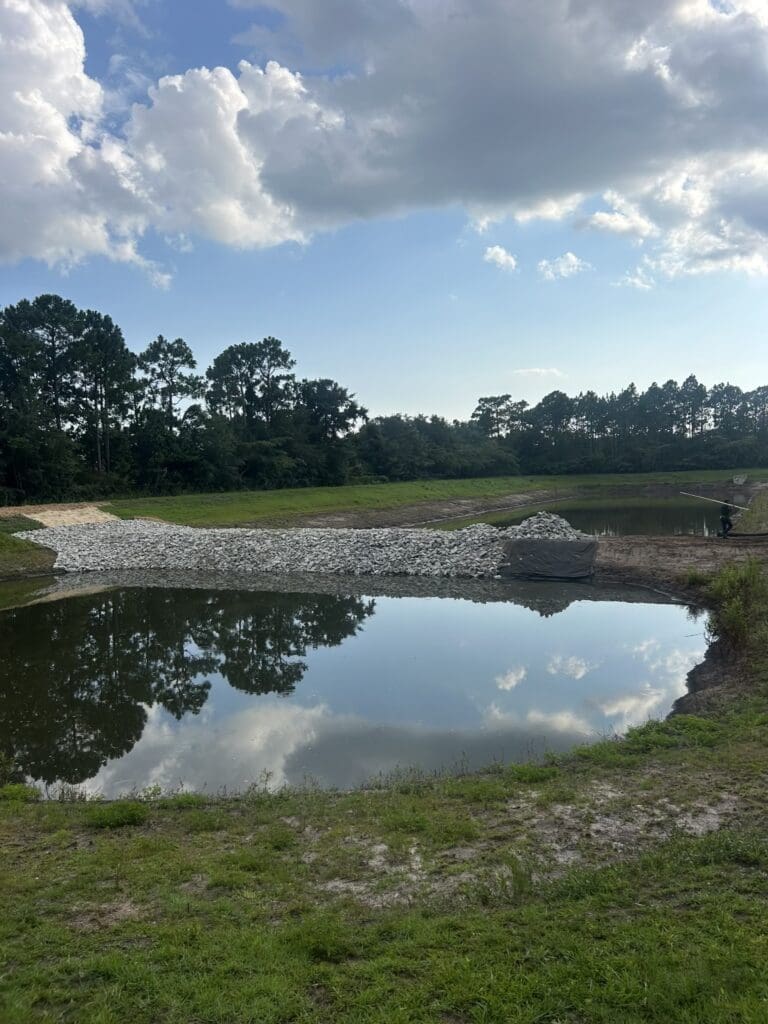
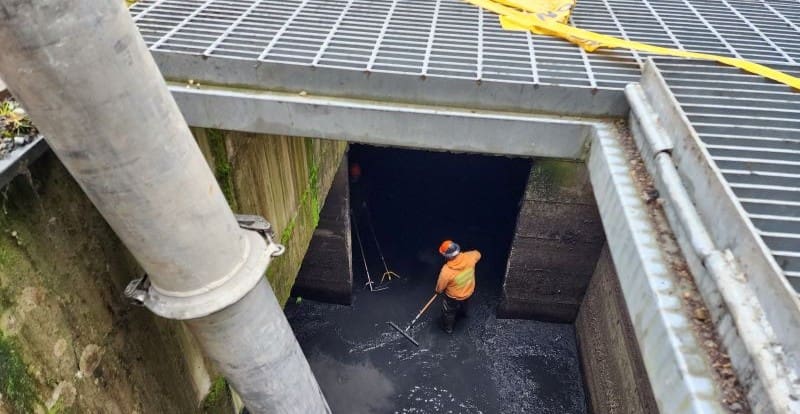
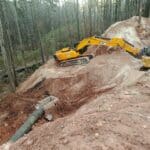
When ponds are low or empty, they can be inspected from the bottom up, and crews can see structures and conditions that are underwater for most of the year. Repairs that would require dewatering, pumping and complex permitting in wet conditions become straightforward maintenance work when the ground is already dry. Sediment can be removed before it fully hardens. And because there is no active rainfall to work around, the work itself is simpler to schedule and complete.
In other words, the dry season is both when a system quietly accumulates problems and when those problems are easiest to fix. That overlap is the reason stormwater crews stay busy when the rain stops.
For a property team, the practical version of this looks like a short list:
- Walk the stormwater assets across the site, including inlets, outfalls, detention basins, conveyance channels and bioretention areas, and note current condition
- Clear sediment from pipes and ponds before it hardens further
- Restore stressed or failing vegetation, ideally with species suited to a more variable climate
- Document conditions so there is a baseline to compare against after the next storm and during future inspections
That last point is easy to skip and worth keeping. A dry-season walkthrough is a rare chance to see a system at its most exposed, and a good record of what you find makes every decision afterward easier.
The takeaway
A stormwater system is always either gaining or losing condition, even when no rain is falling. Drought is simply a stretch where it tends to lose condition quietly, while at the same time offering the clearest view and the easiest access crews get all year. Understanding that pairing is what turns a dry season from a waiting period into a working one.
If you want a clearer picture of how your own system is holding up, AQUALIS provides stormwater inspections and condition assessments for property owners, facility managers and municipalities. Schedule an inspection to see where things stand before the next storm.