
Last Updated 08/19/2026
Durham Municipal Code
Sec. 70-743 Inspection, Maintenance, Repair, and Reconstruction.
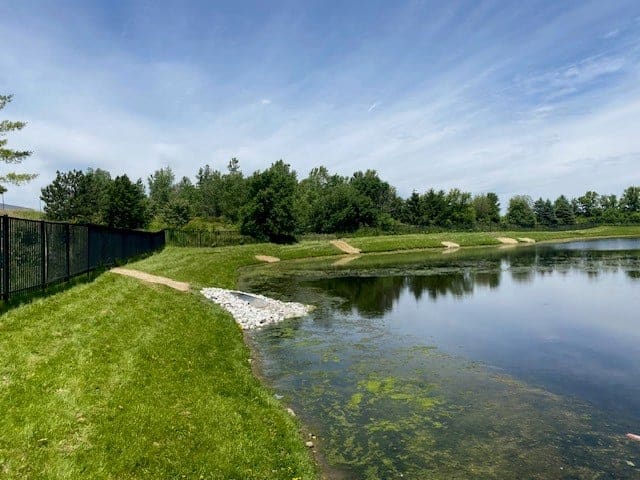
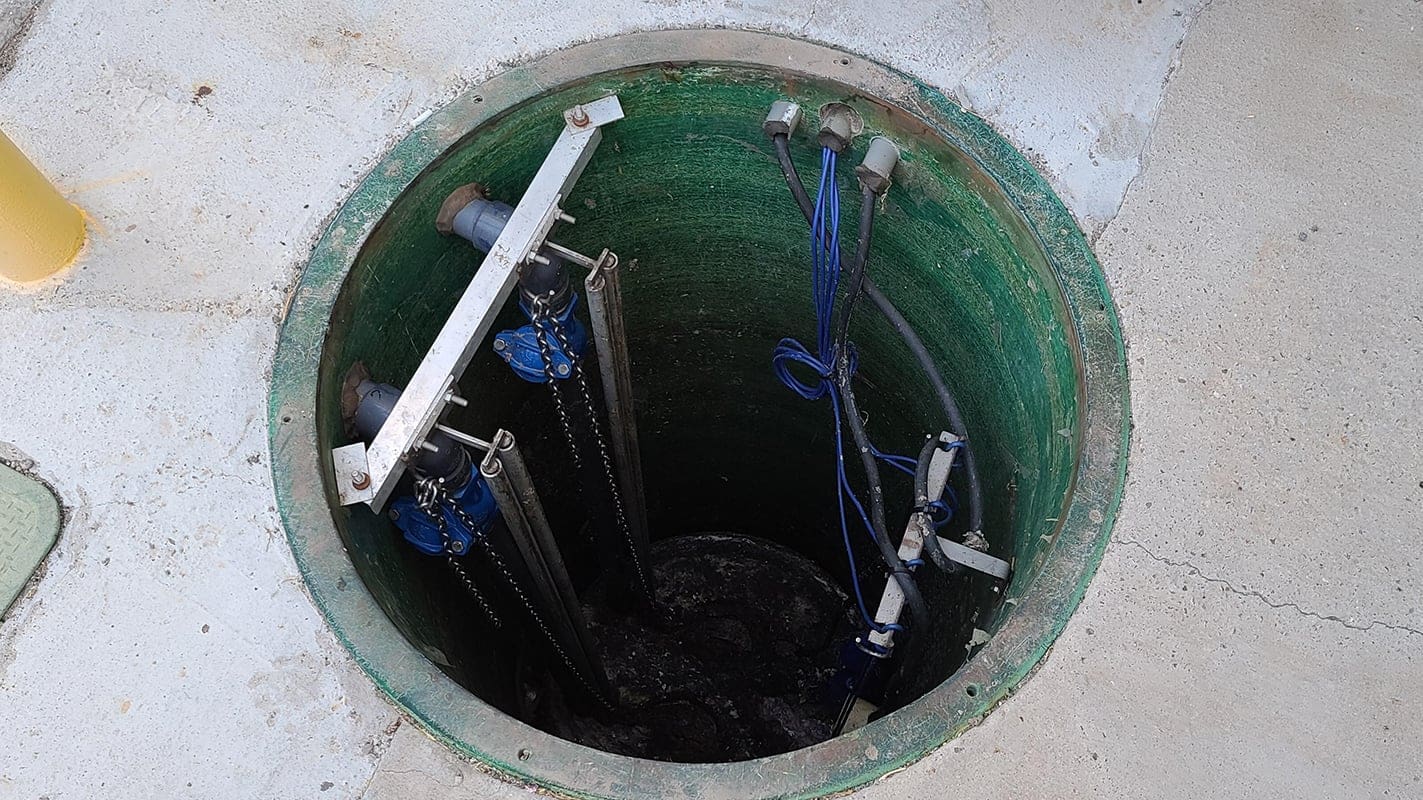
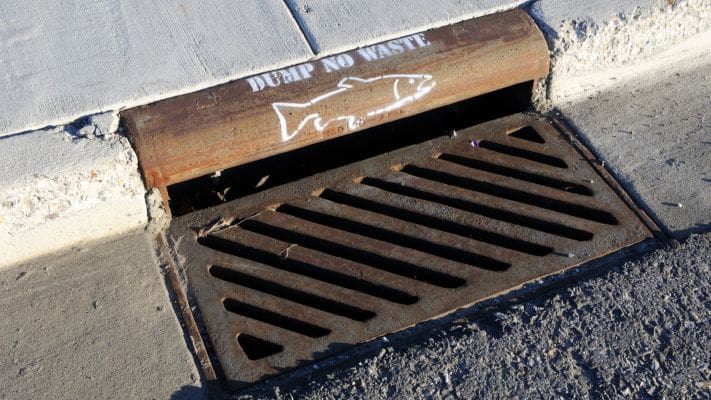
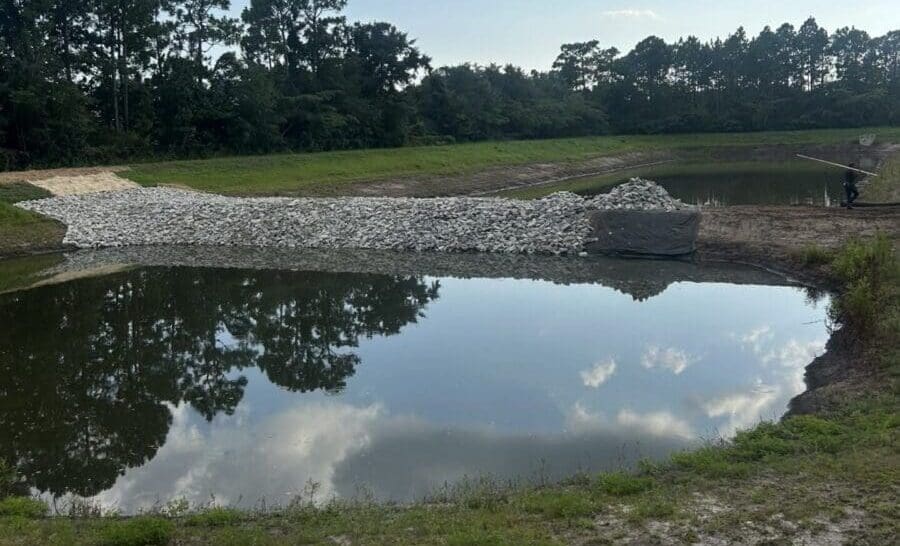
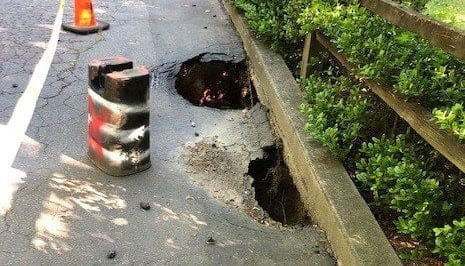
(a) Private maintenance responsibility. The inspection, maintenance, repair and reconstruction of Stormwater Control Measures and Stormwater Conveyances not located in city right of way shall be the responsibility of i) the owner of the property on which such SCMs and conveyances are located; and ii) any person or entity that has legally agreed to be responsible for the SCMs; and iii) the non-City properties served by the SCMs or conveyances, as determined by reference to site plans, plats, and construction drawings for the SCMs or conveyances.
(b) Level of maintenance. Every SCM and Stormwater Conveyances shall be maintained, repaired, and reconstructed so as to continue its functionality to the level for which it was designed for the control and/or conveyance of stormwater and for the treatment of Stormwater Pollutants. Maintenance, repair, and reconstruction shall be performed in compliance with City Stormwater Standards. Standards for maintenance include but are not limited to the specific operation and maintenance agreement that may exist for particular facilities on file with the City Public Works Department, and the most recent version of the “Owner’s Maintenance Guide for Stormwater SCMs Constructed in the City of Durham.”
(c) Annual private inspection. An annual inspection report that meets City Stormwater Standards shall be provided for each Stormwater Control Measure by the persons or entities responsible for such facility, identified in (a) above. The report shall be submitted on such schedule as approved by the Department. In addition, such persons or entities shall maintain inspection and repair reports regarding the SCMs as required by City Stormwater Standards.
(d) City right to inspect. The City may inspect Stormwater Control Measures and Stormwater Conveyances located on private property. Inspection may include but is not limited to testing of structures, water, or vegetation as the City determines may be useful to determine the history or performance of the SCM or conveyance.
Sec. 70-744 Remedies for Violation
The following are considered a violation of this Article: noncompliance with any requirement of this Article or prior stormwater ordinances; noncompliance with City Stormwater Standards implementing this Article; and noncompliance with any approval, permit, or similar authorization granted pursuant to this Article. A violation of this Article is a violation of the City Code and is subject to all civil and criminal penalties allowed under law, in addition to those specifically set forth below. Persons and entities identified in Sec. 70-742 and 70-743(a) as responsible for compliance with this Article shall be responsible for any violation. Remedies are cumulative, and may be exercised separately, together, or in any order.
(a) Withholding of Permits, Approvals, and Certificates of Occupancy/Compliance. In the event of violation of this Article, the City may withhold any approval or permit for any development activity occurring on the property or in the development where the violation exists, including but not limited to withholding any permit or certificate of occupancy/compliance for any structure served by an actual or proposed SCM or stormwater conveyance that is in violation.
(b) Stop Work Order. The City may issue a stop work order to any person or entity performing work on property and/or in a development where there is a violation of this Article.
(c) Injunction; Nuisance; Costs as Lien. The City may institute an action in a court of competent jurisdiction for an injunction, order of abatement, or any other equitable remedy not prohibited by law to remediate a violation of this Article. The City may also maintain an action under GS 160A-193 to remedy a condition prejudicial to the public health and safety. Costs of correction sustained by the City may be assessed as a lien against property, as allowed by law.
(d) Incorporation of 70-538 et seq. In addition, all remedies and procedures set forth in Sections 70-538 through 70-542 of the City Code shall apply to violations of this Article whether or not such violations are also violations of City Code Section 70, Article V.
View State Page
Frequently Asked Questions
Who is responsible for maintaining stormwater control measures after construction in Durham?
The property owner, or any person or entity that has legally agreed to be responsible, must maintain stormwater control measures and conveyances that aren’t located in city right-of-way.
What standard does my stormwater control measure need to be maintained to in Durham?
Facilities must be maintained, repaired, and reconstructed so they continue functioning at the level they were originally designed for, in compliance with City Stormwater Standards.
Do I need to submit an annual inspection report for my stormwater control measure in Durham?
Yes. An annual inspection report meeting City Stormwater Standards must be provided for each stormwater control measure, and owners must also maintain inspection and repair records.
Does the City of Durham have the right to inspect or test my stormwater control measure?
Yes. The city retains inspection rights over stormwater control measures, which can include testing of structures, water, or vegetation associated with the facility.
What happens if I don't maintain my stormwater control measure in Durham?
The city can withhold approval or permits for any development activity on the property, issue stop work orders, and pursue court injunctions.
Are stormwater violations in Durham subject to criminal penalties?
Yes. A violation of Durham’s stormwater article is treated as a violation of the City Code and is subject to all civil and criminal penalties allowed under law, though specific dollar amounts aren’t detailed in the published ordinance excerpt.
How can AQUALIS help with post-construction stormwater compliance in Durham?
AQUALIS performs the annual inspections Durham requires and maintains the inspection and repair records the city expects, follows the standards set out in Durham’s Owner’s Maintenance Guide, and helps property owners avoid permit holds, stop work orders, and liens tied to unmaintained stormwater control measures.
The information on this page is provided for general informational purposes only and is not legal advice. Regulations change frequently — AQUALIS makes no warranty as to the accuracy or completeness of this content, and any reliance on it is at your own risk. Consult a qualified professional or your local regulatory authority to confirm requirements applicable to your specific property.