



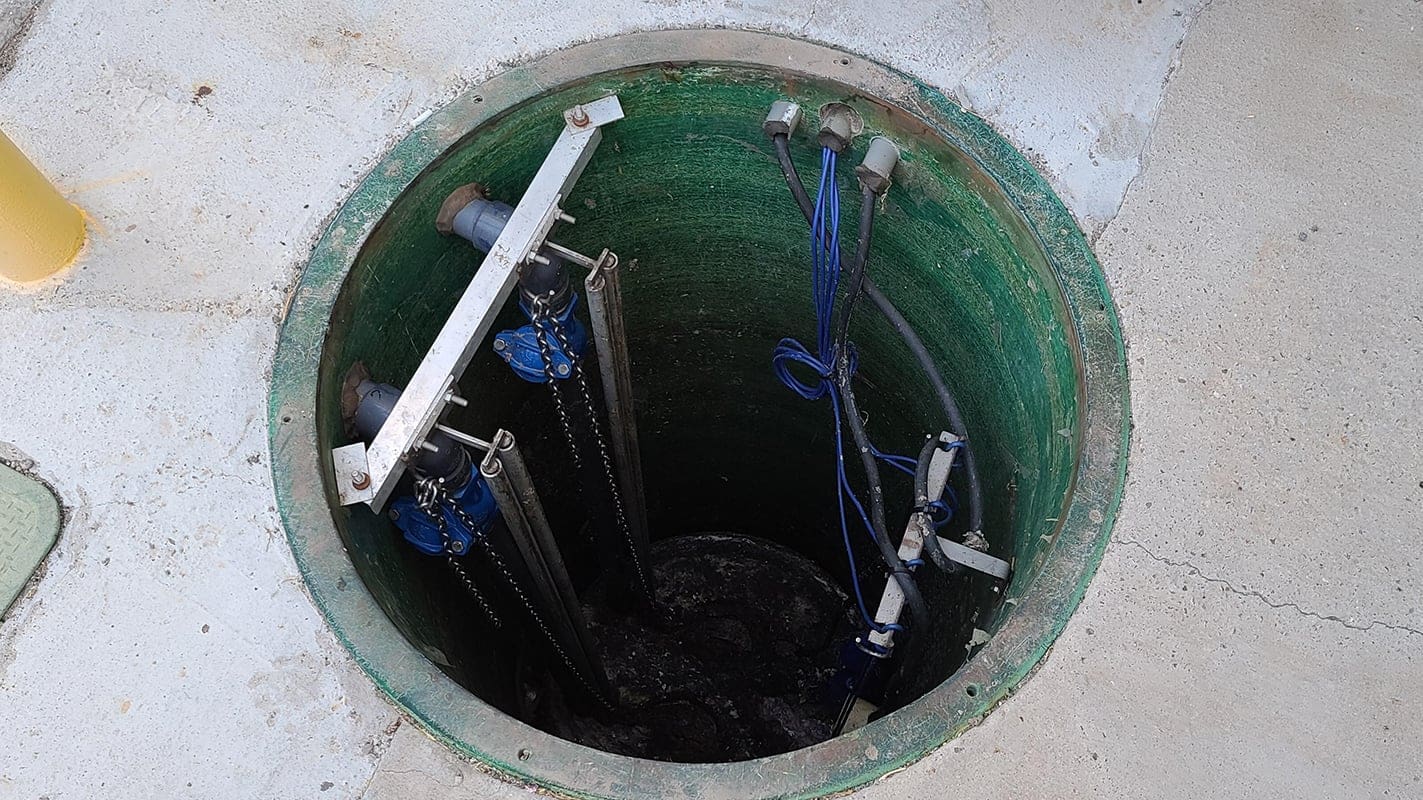

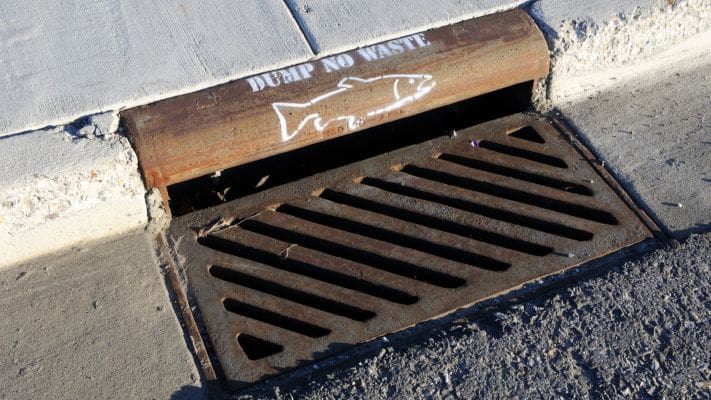

Stormwater compliance means meeting the federal, state and local regulations that govern how rainwater and snowmelt runoff is managed on your property. For most commercial, industrial and multifamily properties, compliance involves maintaining on-site stormwater infrastructure (ponds, catch basins, drainage pipes), meeting inspection requirements and keeping records that demonstrate your system is functioning correctly. The specific requirements depend on your state, municipality and the type of permit that applies to your property.

At AQUALIS, we know North Carolina's sustainable water compliance standards and manage regulator relations for our clients.
It is our mission to help you become compliant with these stormwater, wastewater and drinking water regulations through inspections, maintenance, repairs and rehabilitation services. As your water compliance provider, we handle the regulatory guidelines specific to North Carolina and ensure that our services meet the highest compliant procedures to keep you in compliance with local regulators.
Learn more about North Carolina’s regulations and AQUALIS’ sustainable water management services.
Municipalities in North Carolina
Case Studies
Services Offered in North Carolina
Frequently Asked Questions
What is stormwater compliance?
How does stormwater impact property value?
Stormwater infrastructure affects property value in several ways that are easy to overlook until a transaction is underway.
During due diligence: Buyers and lenders increasingly request stormwater inspection reports as part of commercial property transactions. A system with deferred maintenance, unresolved NOVs or missing inspection records can become a negotiating issue or a deal risk.
Flooding history: Properties with recurring stormwater problems (parking lot flooding, pond overflows, erosion) carry a documented liability that affects both insurability and perceived value.
Remediation costs: Deferred stormwater maintenance compounds over time. A pond that costs a few thousand dollars to maintain annually can require $50,000–$200,000 in dredging or reconstruction if neglected for several years. These costs are often surfaced during appraisals or environmental assessments.
Curb appeal and aesthetics: For retail and multifamily properties, a well-maintained stormwater pond or green infrastructure feature is an amenity. An overgrown, silted-up pond signals neglect to tenants and customers alike.
Who is responsible for stormwater compliance?
In most cases, the property owner is legally responsible for maintaining stormwater control facilities on their land and ensuring those systems remain in compliance with applicable permits. For commercial properties with active construction or industrial operations, responsibility may also extend to the site operator or contractor, who must comply with any NPDES permit tied to their activity. If you own or manage property with stormwater infrastructure (detention ponds, bioretention areas, underground systems or drainage structures) compliance is your obligation regardless of whether your tenants are the ones generating runoff.
AQUALIS can serve as your compliance partner, handling inspections, maintenance, and regulator communication on your behalf.
Can stormwater fees be reduced?
Yes—many municipalities offer stormwater fee credits or reductions for property owners who actively manage runoff on-site and reduce the burden on public stormwater infrastructure. Credit programs vary by jurisdiction but commonly recognize:
On-site detention or retention: Ponds, underground vaults, and other systems that hold and slowly release stormwater can qualify for volume-based fee reductions.
Green infrastructure: Bioretention areas, permeable pavement, green roofs and native landscaping may qualify for additional credits in municipalities that incentivize water quality improvements.
Documented maintenance: Some programs require proof of regular inspections and maintenance to retain credits — meaning a lapsed maintenance program can result in losing a credit you’ve held for years.
AQUALIS can review your property’s eligibility for local stormwater credit programs and help prepare the documentation required to apply or maintain credits. Savings vary widely by municipality but can offset a meaningful portion of annual fee assessments.
How often do I need to have my stormwater system inspected?
Inspection frequency varies by state, permit type and the type of stormwater infrastructure on your property, but most jurisdictions require at least one inspection per year. Many municipalities require annual inspections conducted by a licensed professional engineer, with a signed report submitted to the local stormwater authority.
Some permits impose more frequent requirements: construction sites under an active NPDES permit are typically inspected before and after significant storm events. Properties in sensitive watersheds or with a history of violations may be subject to additional oversight.
What are the most common compliance failures?
Based on AQUALIS’s experience conducting thousands of inspections across the country, the most frequent compliance issues we encounter are:
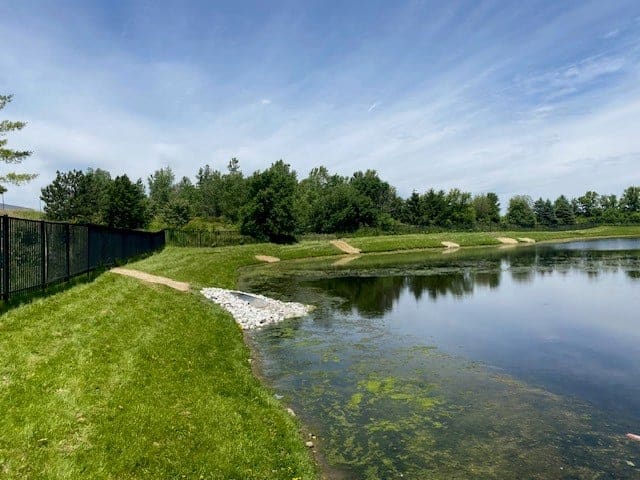
Overgrown vegetation: Pond banks, swales, and bioretention areas where vegetation has overtaken the designed system, reducing capacity and blocking outflow structures.
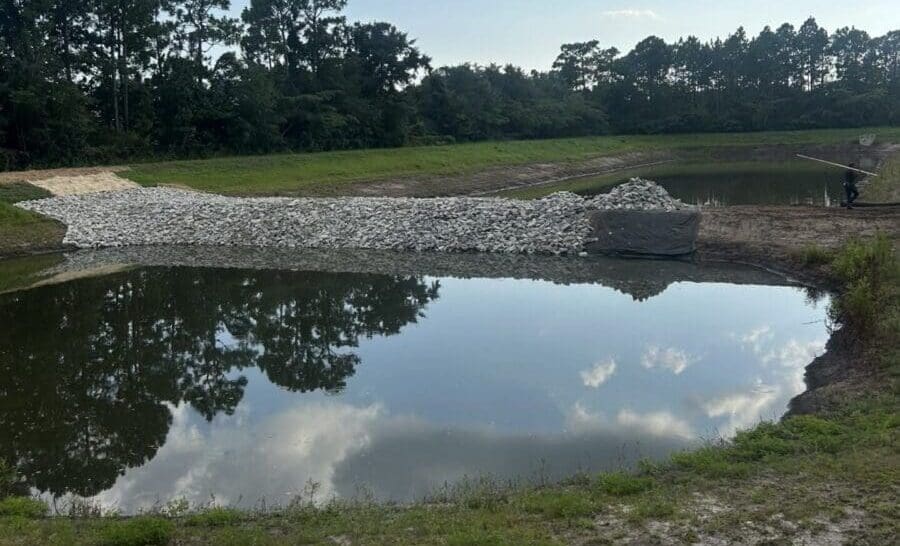
Sediment accumulation: Detention ponds lose capacity over time as sediment builds up. Most systems require periodic dredging; many owners don’t realize a pond has lost 30%–50% of its storage until a flood event reveals the problem.
Clogged or damaged inlets and outlets: Debris-blocked catch basins and outlet structures are among the most common findings on inspections and among the easiest to prevent with routine maintenance.
Missing or incomplete records: Inspection reports not filed, maintenance logs not kept or Operation and Maintenance Agreements not recorded with the county register, all common findings that create regulatory exposure even when the physical system is functioning correctly.
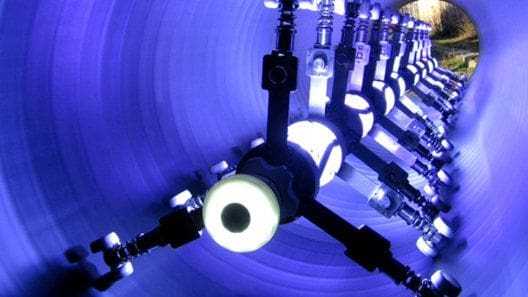
Structural deterioration: Cracked or collapsed pipes, eroded embankments and damaged concrete structures that have gone unrepaired past the point of simple fixes.
Illicit discharges: Non-stormwater connections to the drainage system (from wash water, sanitary lines or industrial processes) that violate NPDES permit conditions.
Why is stormwater maintenance important?
Stormwater systems are designed to manage a specific volume and velocity of water. When they’re not maintained, performance degrades and the consequences can be significant:
Regulatory risk: A failed inspection or malfunctioning system can result in a Notice of Violation (NOV), fines and mandated repairs under a regulatory timeline, often more costly than routine maintenance would have been.
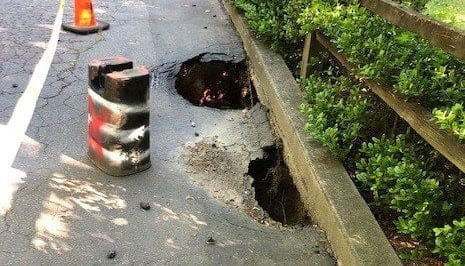
Property damage: Clogged inlets, deteriorated pipes and overwhelmed ponds lead to flooding, erosion and structural damage to pavement and buildings. Sinkholes caused by failed underground infrastructure are a common and expensive result of deferred maintenance.
Environmental liability: Untreated runoff carrying pollutants into waterways can expose property owners to broader environmental enforcement, including from state environmental agencies and the EPA.
Permit renewal risk: Many stormwater permits require demonstrated compliance history at renewal. Gaps in maintenance records can complicate or delay renewal.
How do I know if my system is at risk?
Several warning signs suggest your system may be underperforming or at risk of a compliance failure:
Visible signs on your property: Standing water after rain that takes more than 72 hours to drain; erosion channels around pond banks or drainage structures; sinkholes or depressions near underground infrastructure; discolored or odorous discharge from outfall pipes.
Record gaps: If you can’t locate your last inspection report, don’t know when your pond was last dredged, or aren’t sure whether your Operation and Maintenance Agreement is recorded with the county, those are immediate red flags.
Recent changes nearby: New upstream development, changes to neighboring impervious surfaces or road construction can increase the stormwater load on your system beyond its original design capacity.
Age of infrastructure: Most stormwater infrastructure has a design life of 20–50 years depending on materials and maintenance history. Older systems warrant more frequent inspection.
Pending property transaction: If you’re planning to sell, refinance or bring in a new tenant, it’s worth getting a professional assessment before the other party’s due diligence surfaces issues you weren’t aware of.
If any of these apply to your property, AQUALIS offers assessments to evaluate your system’s condition and compliance status before issues escalate.
Did you receive an NOV? Have an urgent need? We can help.
Notices of Violation (NOVs) or Corrective Notices should be taken seriously. Contact AQUALIS today to learn how to resolve the issue and comply with regulations.