

Last Updated 08/19/2026
City of Greensboro, North Carolina Stormwater Management Manual
30-12-7.1 General
Purposes and Objectives
The regulations of this section are intended to protect and promote the public health, safety and welfare by preventing the introduction of potentially harmful materials into the city storm sewer system; to protect property from potential stormwater damage; to maintain and enhance water quality; and to meet the requirements in the City’s National Pollutant Discharge Elimination System Permit for Stormwater Discharges. Other specific objectives of these regulations are to:
- provide for the enforcement of the city’s stormwater quality management program;
- reduce the discharge of pollutants to the storm sewer system to the maximum extent practicable by requiring, where appropriate, the use of best management practices, structural and/or nonstructural stormwater quantity and quality control measures and other provisions;
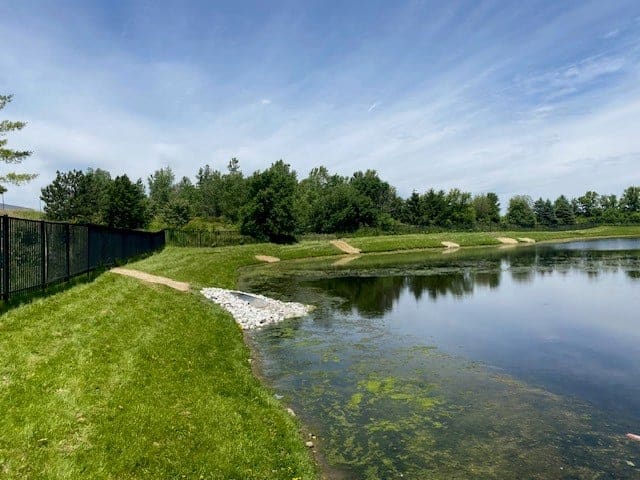
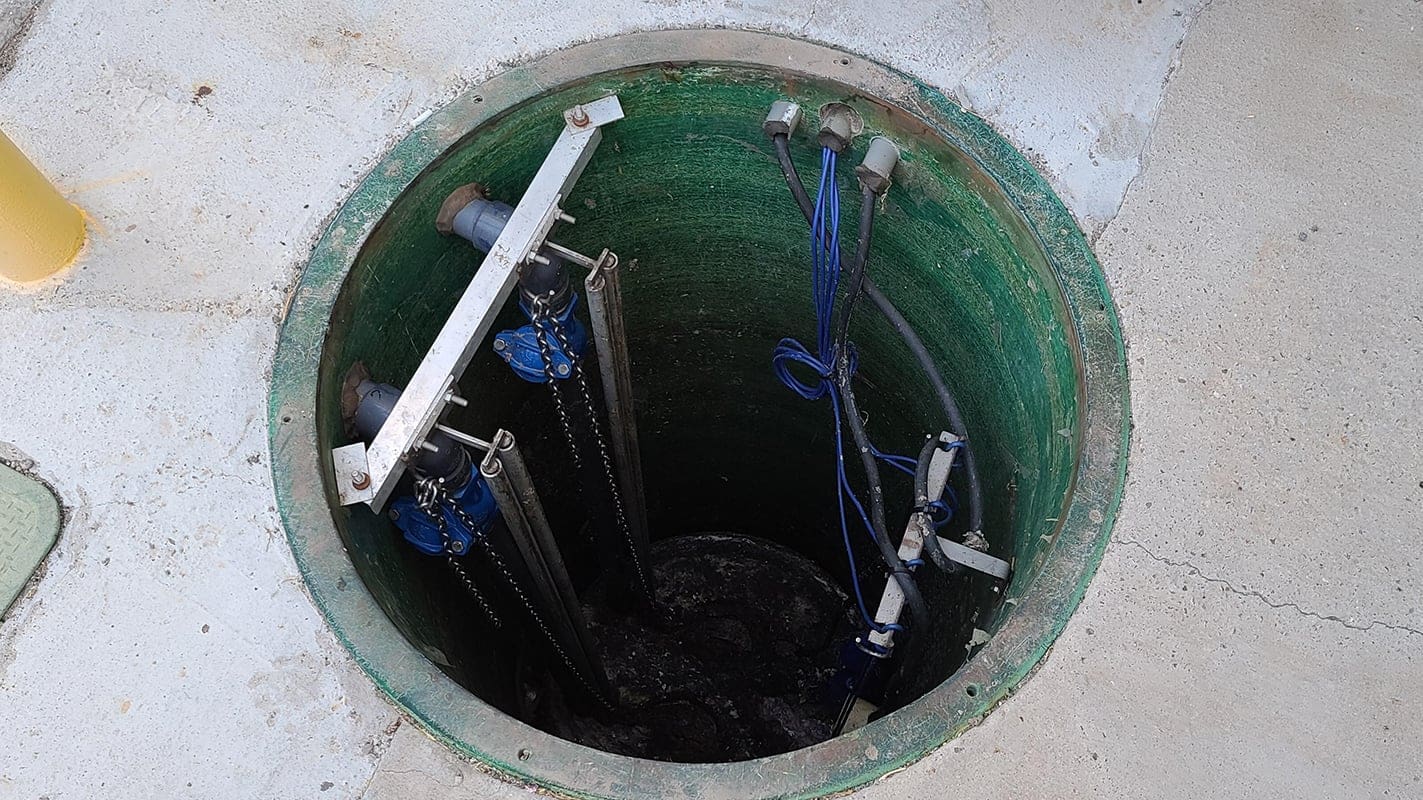
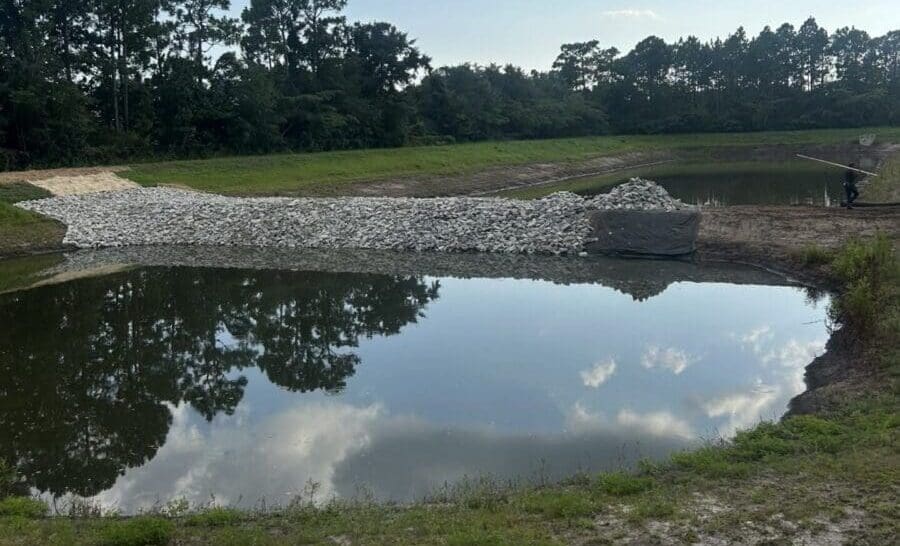
- provide for the inspection and proper maintenance of structural and nonstructural stormwater controls and the municipal separate storm sewer;
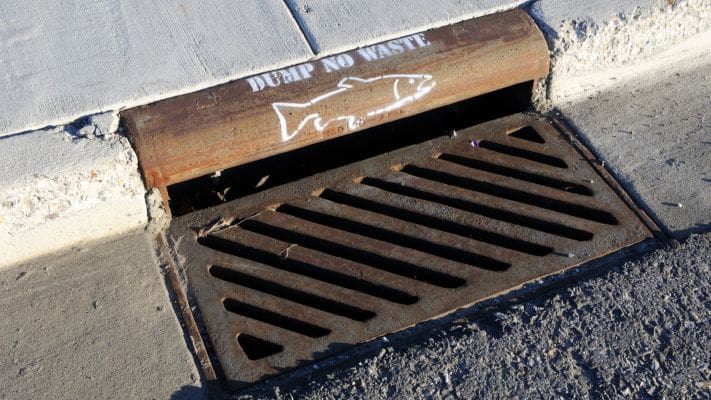
- prohibit non-stormwater discharges to the city storm sewer and require the removal of illicit connections to the city storm sewer;
- prevent improper disposal of materials that degrade water quality;
- permit sampling and monitoring for pollutants such as those associated with illicit discharges, improper disposal, industrial and construction activities, and the application of pesticides, herbicides, and fertilizers; and
- reduce erosion associated with stormwater runoff.
30-12-7.2 Commercial and Residential
- New Development
- Drainage
- It is the duty of all property owners, in order to abate and prevent nuisances resulting from improper drainage, to provide at their own expense a proper and adequate drainage system of their respective premises, such drainage system to conform to the design established by the city.
- Rainwater leaders may not extend beyond the building or property line, but rather must be built in chases or on the inside of the wall, and may not empty on any street or sidewalk.
- No person may construct or install any ditch, pipe or other device for the diversion or transmission of storm drainage that will in any way affect the operation or maintenance of city street, water, sanitary sewer or storm sewer facilities without a permit issued by the Water Resources Director upon a finding that such city facilities will not be adversely affected by such construction or installation.
- Maintenance
In accordance with city policy the developer is responsible for establishing proper connections with existing storm sewer lines and bears ultimate responsibility for the correction of any problems associated with that connection. (See Roadway and Utility Design Manual)
View State Page
Frequently Asked Questions
Who is responsible for maintaining stormwater facilities after construction in Greensboro and Guilford County?
Property owners are responsible for maintaining any stormwater facilities or practices located on their property.
Does the City of Greensboro inspect stormwater facilities on private property?
Yes. Operating under its NPDES program, the city has the authority to inspect properties for noncompliance and to inspect stormwater facilities and practices to confirm they’re properly maintained and functioning.
What happens if a City of Greensboro inspection finds a stormwater deficiency on my property?
The city can issue a notice of violation for any deficiency or infraction found onsite.
How can AQUALIS help with post-construction stormwater compliance in Greensboro and Guilford County?
AQUALIS maintains stormwater facilities to standards that hold up under city inspection, helps developers resolve storm sewer connection issues before they become the developer’s liability, and can obtain and interpret the full Stormwater Manual and municipal code to confirm any additional maintenance obligations for a specific property.
The information on this page is provided for general informational purposes only and is not legal advice. Regulations change frequently — AQUALIS makes no warranty as to the accuracy or completeness of this content, and any reliance on it is at your own risk. Consult a qualified professional or your local regulatory authority to confirm requirements applicable to your specific property.