
Last Updated 08/19/2026
Stormwater Code: Excerpts from Cary, North Carolina, Code of Ordinances and Land Development Ordinance
Pollution Prevention & Good Housekeeping
Pollution Prevention and Good Housekeeping is the assessment and subsequent alteration of municipal operations to reduce the amount of pollution entering the storm drain system and, eventually, receiving waters. Stormwater Services Division staff inspect all city municipal facilities and conduct training with city personnel in order to ensure that all city employees are active in stormwater pollution prevention and city activities are in accordance with our NPDES permit.
This permit requirement is necessary because:
- The City of High Point is responsible for a wide variety of land uses and activities such as roadways, parking lots, transportation and equipment garages, fueling areas, stockpiles of salt and other raw materials, waste handling and disposal, and parks maintenance. These can all be sources of stormwater pollutants.
- If practices are not in place to contain spills, manage trash, or handle non-stormwater discharges, municipal facilities can be sources of stormwater pollutants.
- The City of High Point is responsible for inspecting and maintaining the public right-of-way and storm drainage systems throughout the jurisdictional limits
Drainage Issues
The Stormwater Services Division maintains the stormwater drainage systems within City maintained roadways and the public right-of-way. When stormwater runoff leaves the public right-of-way, it becomes the responsibility of the property owner to maintain the runoff on their property unless stated by a specific easement.
Maintaining Private Stormwater Drainage Systems
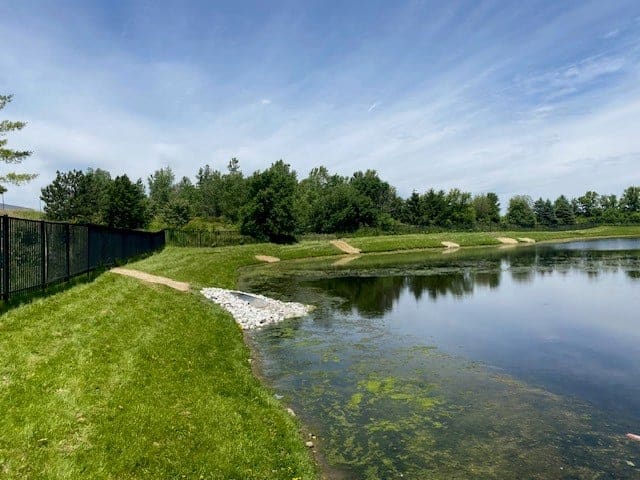
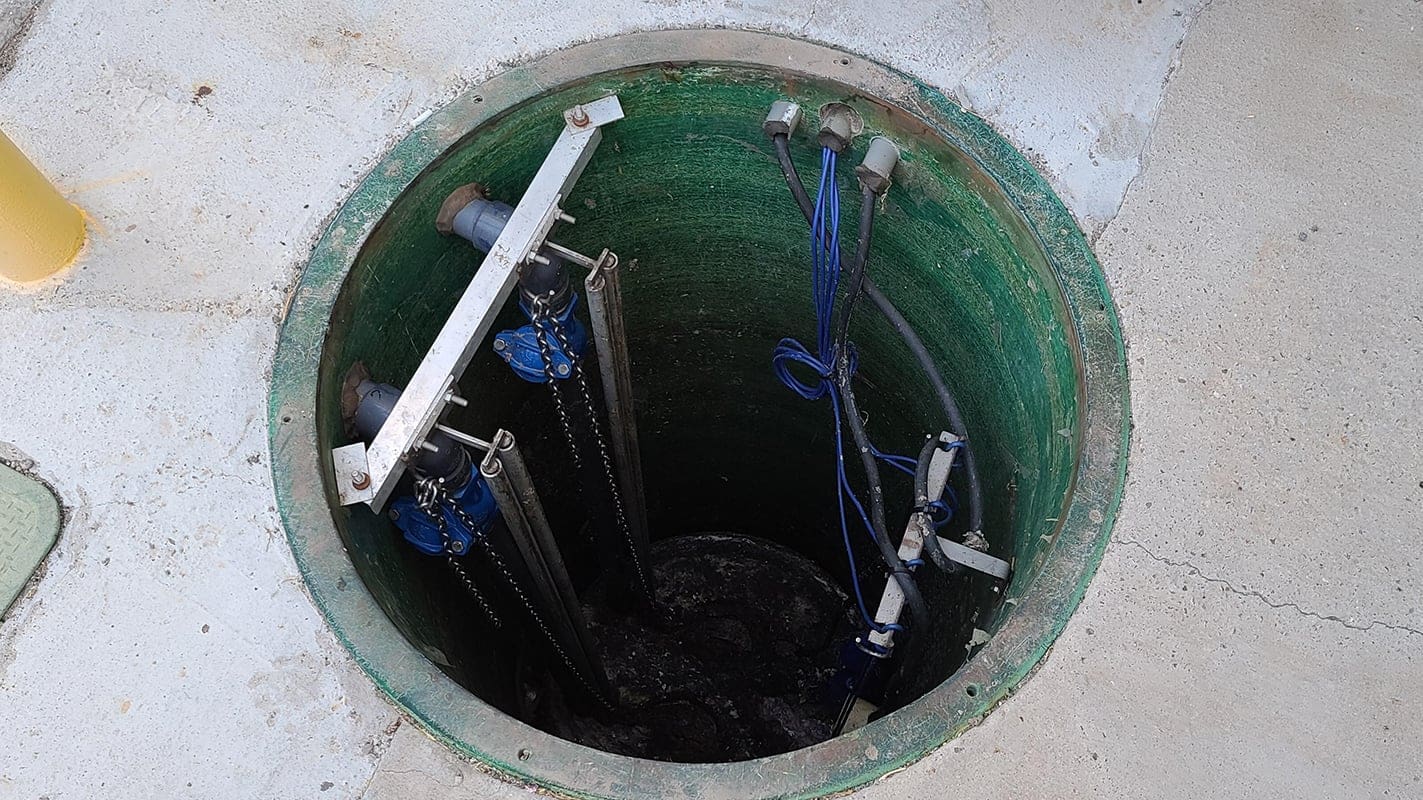
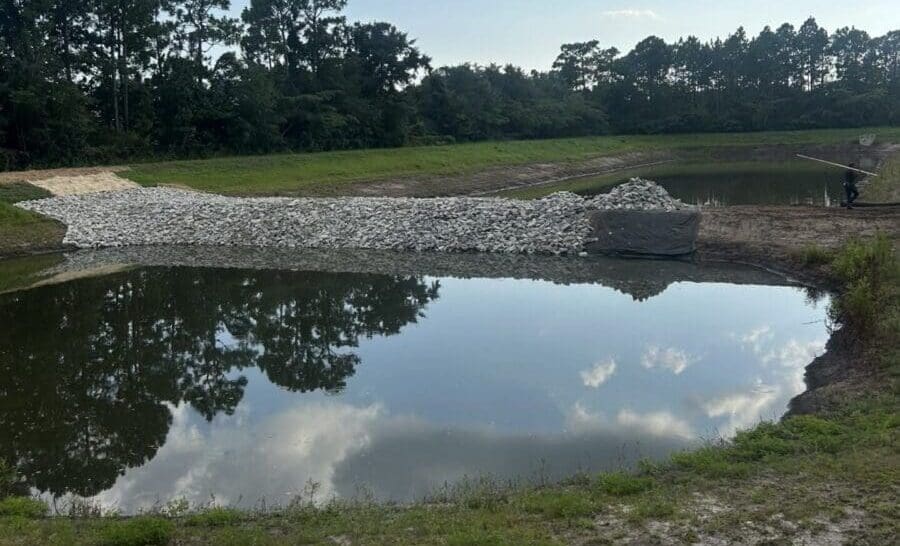
Although the City maintains the public stormwater drainage system along roadways or city-maintained facilities, private stormwater drainage systems throughout the City are critical in controlling drainage and flooding on private property. Finding a catch basin or yard inlet on private property can be common, as these serve an essential purpose in controlling drainage on private property. Once water enters these structures, it flows through a network of pipes before it outlets into nearby ponds, streams, or rivers.
To maintain the proper functionality of these devices, there are recommended maintenance items that should be regularly completed. To lessen street flooding, the City asks residents and property owners to help keep stormwater inlets and storm drains in front of their properties clean of debris. Use a rake or pitchfork to clear leaves, limbs, and debris from the storm drain to allow water to flow. We do not recommend putting your hands or feet inside the structure, as unseen debris can be dangerous. Do not try to remove a manhole cover or grate, only the debris on top.
Inlet & Outlet Pipes
Inlet pipes allow water to flow into the stormwater drainage system. Outlet pipes are where water exits the stormwater drainage system and enters a nearby pond, stream, or river.
Ensure the openings of inlet and outlet pipes remain free of litter and obstructions that could block flow.
Swale
There should be no blockages or debris. Ensure that the swale is well stabilized with grass and no erosion is present.
Yard Inlet
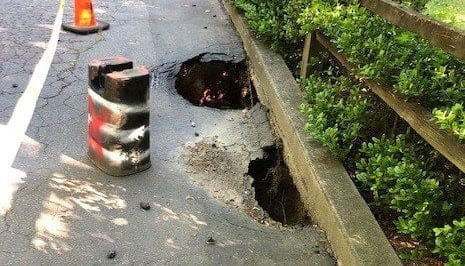
Ensure openings remain free of obstructions. Ensure that the area around the inlet is stabilized and that no erosion or sink holes are occurring.
Grate Inlet
Ensure that no sediment or debris has built up on top of the structure. Ensure that the area around the inlet is stabilized and that no erosion or sink holes are occurring.
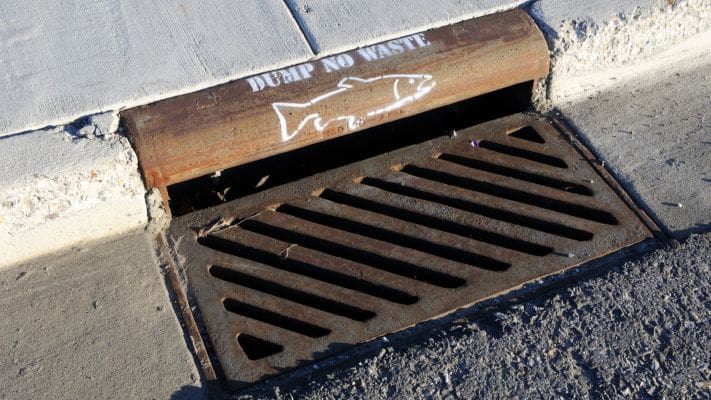
Curb Inlet
Ensure the openings or grates remain free of litter and debris. Curb inlets are generally found in the right-of-way. Please contact the City of High Point to report blocked or damaged structures.
View State Page
Frequently Asked Questions
What is post-construction stormwater management, and does it apply to my property in High Point?
Post-construction stormwater management covers the ongoing maintenance of the stormwater control facilities and open space areas installed as part of your property’s approved stormwater control plan. If your property in High Point or Guilford County has engineered stormwater structures on site, the City requires those facilities to be maintained, repaired, and if necessary reconstructed for as long as the property exists, not just through the construction phase. AQUALIS provides full post-construction stormwater management for property owners across High Point and Guilford County, so facilities stay compliant well after the original project is finished.
What is an operation and maintenance agreement, and does it stay with my High Point property?
If you fail to maintain, repair, or reconstruct the stormwater control structure per your Operation and Maintenance Agreement, the Town may use all or part of your posted financial security to make necessary improvements. The Town will only take this action after exhausting other reasonable remedies. Any unused deposited cash funds will not be returned — they are retained for future maintenance.
How often does the City of High Point inspect stormwater facilities?
High Point’s Enforcement Officer is required to inspect engineered stormwater structures at least once a year, in line with North Carolina Environmental Management Commission requirements, and may also conduct routine, random, or complaint-based inspections at any time. Property owners in High Point and Guilford County cannot obstruct these inspections or refuse the City access to the site. AQUALIS prepares properties for these inspections and manages the process on the owner’s behalf, so nothing about an unannounced visit catches you off guard.
What happens if my High Point property fails a stormwater inspection?
If the City identifies a maintenance issue during an inspection, the property owner generally has 90 days from notification to complete the required repairs. If the work is not done in that window, the City can perform the repairs itself and bill the property owner for the cost, in addition to issuing a notice of violation. AQUALIS provides notice of violation resolution for High Point and Guilford County property owners, correcting the underlying issue quickly so the City does not step in and charge the owner directly.
Who is responsible for maintaining stormwater facilities on a High Point property after the original developer is gone?
Because operation and maintenance agreements in High Point bind current and future property owners, responsibility transfers automatically when a property is sold, even if the new owner was not involved in the original construction or permitting. This catches many buyers off guard, especially when a facility has been neglected. AQUALIS steps in as the party managing this ongoing responsibility, handling maintenance, repairs, and City coordination regardless of when the owner acquired the property.
What records does the City of High Point require for stormwater facility maintenance?
The City’s Enforcement Officer documents every inspection on Division of Water Quality approved forms, and property owners are expected to maintain their own maintenance schedules and repair records consistent with their recorded operation and maintenance agreement. Gaps in this documentation can make it harder to demonstrate compliance during an inspection or dispute a notice of violation. AQUALIS maintains complete, up to date maintenance records for every property it services in High Point and Guilford County, so documentation is ready whenever the City requests it.
Where can property owners in High Point or Guilford County get help with post-construction stormwater compliance?
Post-construction stormwater compliance in High Point involves a binding operation and maintenance agreement, annual and unannounced inspections, escrow funding, repair deadlines, and the risk of a notice of violation if any part of it is missed. Managing all of this without dedicated stormwater staff is difficult for most owners. AQUALIS offers complete post-construction stormwater management for High Point and Guilford County property owners, covering inspections, maintenance, recordkeeping, escrow tracking, and notice of violation resolution, so owners can meet the City’s requirements without managing the process themselves.
The information on this page is provided for general informational purposes only and is not legal advice. Regulations change frequently — AQUALIS makes no warranty as to the accuracy or completeness of this content, and any reliance on it is at your own risk. Consult a qualified professional or your local regulatory authority to confirm requirements applicable to your specific property.