

Last Updated 08/19/2026
Pitt County Stormwater Ordinance for Nutrient Control
Part II: Establishment of Stormwater Controls
Section. 21 Stormwater Control Measure (SCMS).
The following performance criteria shall be addressed for stormwater management at all sites:
- Stormwater runoff from the development shall be transported from the development by vegetated conveyances to the maximum extent practicable. The use of on-site stormwater treatment devices such as infiltration areas, bioretention areas, and level spreaders are recommended; and
- All built-upon areas shall be at a minimum of 50 feet landward of all perennial and intermittent surface waters, unless a variance is obtained from the North Carolina Division of Water Quality. For the purpose of this ordinance, a surface water shall be present if the feature is shown on either the most recent version of the soil survey map prepared by the Natural Resources Conservation Service of the United States Department of Agriculture or the most recent version of the 1:24,000 scale (7.5 minute) quadrangle topographic maps prepared by the United States Geologic Survey (USGS). Relief from this requirement may be allowed when surface waters are not present in accordance with the provisions of 15A NCAC 2B .0259 (3)(a).
- Where the use of BMPs is necessary based on approved export calculations, projects shall be required to implement postconstruction stormwater management BMPs and shall conform to the following requirements:
- All site designs shall clearly indicate any proposed structural BMPs.
- All BMPs shall seek to use pervious areas for stormwater treatment and to infiltrate stormwater runoff from driveways, sidewalks, rooftops, parking lots, and landscaped areas to the maximum extent practical.
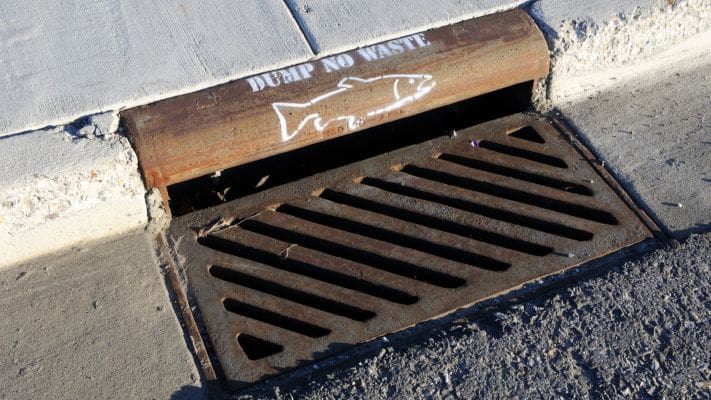
- New development shall not discharge untreated stormwater directly into a jurisdictional wetland or water body without adequate treatment as determined by the Stormwater Administrator. Where such discharges are proposed, the impact of the proposal on wetland functional values shall not be greater than allowed by the Army Corp of Engineers (ACE) or the North Carolina Division of Water Quality (NCDWQ).
- Structural BMPs shall be designed to:
- Meet the general engineering design criteria as listed in 15A NCAC 2H .1008(c).
- Meet all design requirements and pollutant removal standards included in the Design Manual except that any standards explicitly stated within this ordinance that are more stringent than the manual shall prevail, and
- Address the physical characteristics of the site including but not limited to:
- Topography (minimum 2 foot contours)
- Maximum Drainage Area
- Depth to Water Table
- Soils
- Slopes
- Terrain
- Vegetation, existing and planned
- Location in relation to environmentally sensitive features such as surface waters and wetlands.
- All stormwater management practices shall have a landscaping plan detailing the vegetation to be used in conjunction with the BMP.
- Any development proposing to operate or maintain an on-site wastewater treatment systems for domestic wastewater, including but not limited to septic tanks, shall submit evidence that such systems have been approved by Pitt County Environmental Health prior to release of a certificate of stormwater compliance and shall be required to submit a certification under seal prepared by a qualified professional that the system has been designed and installed to prevent fecal coliform contamination of surface waters to the maximum extent practicable.
- Prior to site design, applicants are encouraged to consult with the Stormwater Administrator to determine if their project is subject to additional stormwater or land development design requirements.
Section.22 Maintenance of Best Management Practices.
- Single-Family Residential
- For residential development, the developer shall maintain , per the requirements of the operation and maintenance plan/agreement, permanent nutrient control best management practices for two years following plat approval.
- For long term maintenance of required stormwater BMP’s and improvements per the requirements of the operation and maintenance plan/agreement, a homeowner’s association shall be incorporated in accordance with General Statute 55. Appropriate bylaws shall be prepared, and proposed covenants or deed restrictions which address maintenance, apportionment of financial responsibility, and enforcement shall be provided. The County Attorney shall approve the adequacy of these materials prior to final plat recordation. These materials shall be recorded at the same time as the final plat and shall be appropriately cross referenced in the County Register of Deeds office.
- Commercial, Industrial and Multifamily
- For commercial, industrial or developments other than residential developments that require the installation of permanent stormwater management best management practices, the landowner shall be responsible for maintenance of such improvements per the requirements of the operation and maintenance plan/agreement.
- The process for BMP maintenance enforcement shall be as follows:
- The County will annually inspect the BMP’s and send an inspection report to the appropriate party; if maintenance is needed, a deadline for corrective actions would be cited on the inspection report;
- If requirements of the inspection report are not met, the County may pursue legal action to bring the site into compliance, including civil and criminal penalties (Refer to Section 12 for the Enforcement Process)
Section.23 Operation and Maintenance Plan Required.
- A written inspection and maintenance agreement shall be submitted by the applicant, approved by the Stormwater Administrator, and recorded in the Office of the Register of Deeds of Pitt County prior to release of a certificate of stormwater compliance. Such agreement shall:
- Be legally binding on all current and future parties in interest for all properties served by the BMP.
- Identify and describe the maintenance and monitoring operations required to insure the proper function of the BMP. Such operations shall be specific to each of the BMPs on the site and shall include, as appropriate, but shall not be limited to the following:
- Routine maintenance measures such as grass mowing and trash removal.
- Routine inspections of required vegetation.
- Routine maintenance thresholds such as maximum and minimum vegetation heights and coverages, maximum sediment storage capacity, proper drainage indicators, etc.
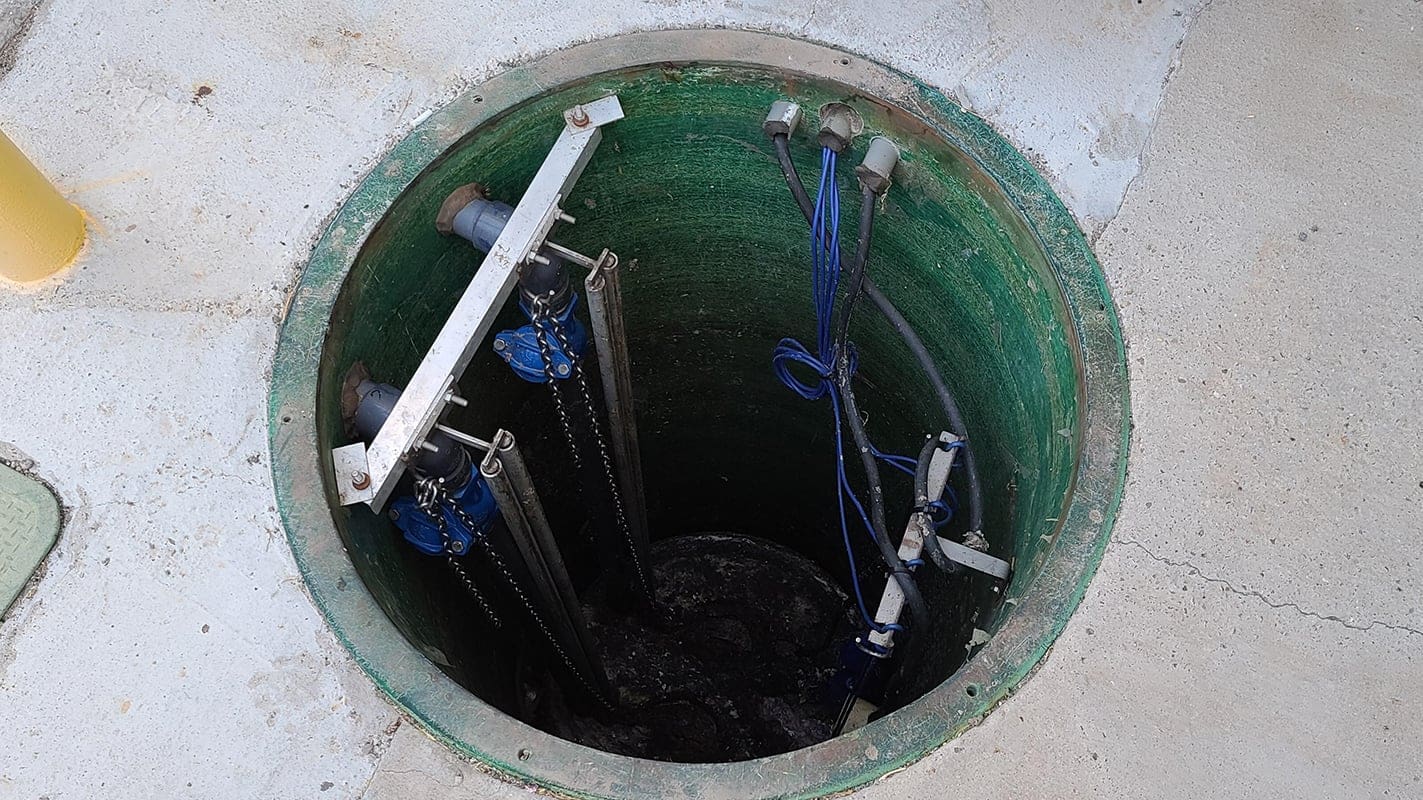
- Routine inspection of BMPs for sediment, blockage, and other repair/maintenance needs.
- Routine inspection of BMPs after large storm events for structural damage and other repair/maintenance.
- A schedule of expected significant repair/maintenance activities indicating the frequency of the activity, the expected duration of the activity, and the expected cost of the activity in current dollars.
- Maintenance actions and frequencies specified by practice in the Design Manual.
- Records of Installation and Maintenance Activities.
- The operation and maintenance agreement shall stipulate that parties responsible for the operation and maintenance of a stormwater management facility shall make and keep records of the installation and of all maintenance and repairs, and shall retain the records indefinitely. As long as records are maintained privately, they shall be made available to Pitt County or its agents during inspection of the facility and at other reasonable times upon request.
Excerpt from Pitt County Stormwater Management Homepage
Understanding and Maintaining Stormwater Control Measures
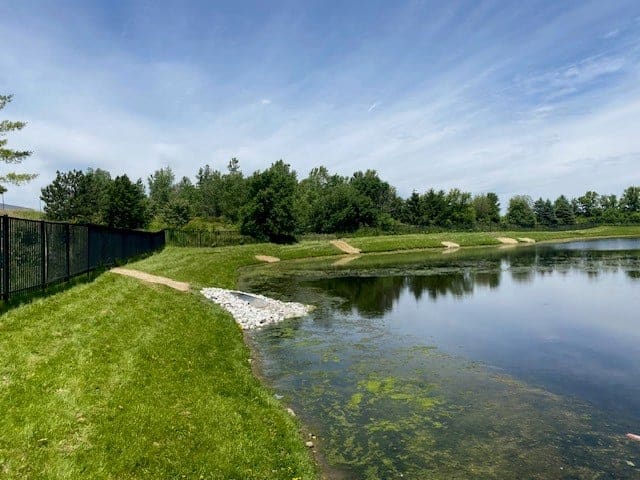
Stormwater Control Measures (SCMs) are permanent, engineered systems that capture and treat runoff before it reaches local streams, rivers, and drinking water sources. They slow rainwater, filter pollutants, and allow it to soak into the ground, reducing flooding and improving water quality.
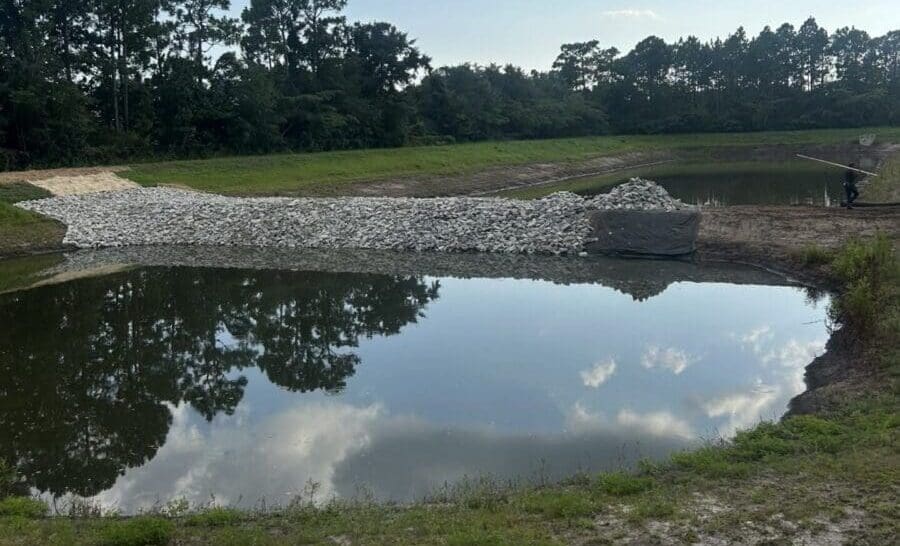
Across Pitt County, features like ponds, swales, rain gardens, and permeable pavement are examples of SCMs. As development adds more hard surfaces such as roads, roofs, and driveways, SCMs play a critical role in managing runoff and protecting waterways from pollution.
Operation and Maintenance
- Perform regular upkeep. SCMs need routine maintenance to function properly and prevent flooding or pollutant buildup.
- Follow design-specific care. Maintenance varies by type, for example, mowing and sediment removal for ponds, or weeding and mulch care for bioretention areas.
- Inspect quarterly and after major storms. Check for erosion, debris, or damage following rainfall of more than one inch in 24 hours.
Stormwater Control Measure Annual Reporting Documents
Stormwater control measure (SCM) annual maintenance inspection reports completed by a qualified professional are due to the City by June 30 of each year for all SCM owners and property managers. Below are the links to the annual inspection report, as well as each individual SCM checklist for each SCM located on the property. Instructions on filling out the form and submittal requirements are outlined in the Stormwater control measure (SCM) annual maintenance inspection report. If assistance is needed in filling out the required annual forms, please contact the Engineering Department, Land Development Division, at (252)329-4467 or [email protected].
View State Page
Frequently Asked Questions
What is post-construction stormwater management, and does it apply to my property in Greenville?
Post-construction stormwater management covers the ongoing maintenance of the stormwater control facilities that were built and approved as part of your site’s original development plan, including detention basins, bioretention areas, and other BMPs. If your property in Greenville or unincorporated Pitt County has an approved stormwater control plan on file, that plan comes with a continuing obligation to keep those facilities working as designed, not just during construction. AQUALIS provides full post-construction stormwater management for property owners across Greenville and Pitt County, so systems stay compliant long after a project is finished.
Who is responsible for maintaining stormwater BMPs after a project is complete in Pitt County?
Responsibility depends on the type of development. For single-family residential projects, the developer is generally required to maintain nutrient control BMPs for two years following plat approval, after which long-term responsibility typically shifts to a homeowners association through recorded covenants. For commercial, industrial, and multifamily properties in Greenville or Pitt County, the landowner bears full responsibility for permanent BMP maintenance under the recorded operation and maintenance agreement. AQUALIS steps in as that responsible party for property owners, handling ongoing maintenance so the obligation does not fall through the cracks after a change in ownership or management.
How often are post-construction stormwater BMPs inspected in Pitt County?
Pitt County conducts annual inspections of BMPs and issues correction deadlines when a system is not performing as required. Property owners in Greenville should expect their facilities to be reviewed on this same annual cycle, with documentation required to show the system matches its approved design. Missing an inspection window or failing to make timely corrections can escalate quickly. AQUALIS schedules and manages these inspections for property owners, keeping records current and addressing correction items before deadlines become a compliance issue.
What is an operation and maintenance agreement, and do I need one for my Greenville property?
An operation and maintenance agreement is a recorded document required before a property can receive final stormwater compliance certification in Greenville and Pitt County. It details the specific maintenance operations required for each BMP on your site and establishes who is financially and legally responsible for keeping the system in good working order, along with permanent records of installation and maintenance activity. If you are unsure whether your property has a current, recorded agreement on file, AQUALIS can locate, review, or help establish one, and then manage the maintenance activity it requires.
What happens if a post-construction stormwater BMP fails inspection in Pitt County?
If a BMP does not pass inspection, Pitt County issues a correction deadline, and continued non-compliance can lead to legal action, including civil and criminal penalties. This risk applies to properties throughout Greenville as well, since post-construction maintenance is an ongoing legal obligation tied to the recorded operation and maintenance agreement, not a one-time construction requirement. AQUALIS provides non-compliance resolution for property owners facing a failed inspection or correction notice, addressing the underlying issue and working with the county and city to close it out.
Do I need to keep maintenance records for my stormwater BMPs in Greenville or Pitt County?
Yes. The recorded operation and maintenance agreement requires permanent records of installation and maintenance activity for each BMP on a property, and these records are what an inspector reviews during annual county inspections. Many property owners lose track of this documentation over time, particularly when a property changes hands. AQUALIS maintains complete, up to date maintenance records for every property it services in Greenville and Pitt County, so documentation is always ready when it is requested.
Where can property owners in Greenville or Pitt County get help with post-construction stormwater compliance?
Post-construction stormwater compliance in Greenville and Pitt County involves recorded agreements, annual county inspections, ongoing BMP maintenance, and potential legal exposure if any part of it is neglected. Handling all of this without dedicated stormwater staff is difficult for most property owners. AQUALIS offers complete post-construction stormwater management for this jurisdiction, covering inspections, maintenance, recordkeeping, and non-compliance resolution, so property owners can meet city and county requirements without managing the process themselves.
The information on this page is provided for general informational purposes only and is not legal advice. Regulations change frequently — AQUALIS makes no warranty as to the accuracy or completeness of this content, and any reliance on it is at your own risk. Consult a qualified professional or your local regulatory authority to confirm requirements applicable to your specific property.