

Last Updated 08/13/2021
City of Chicago Stormwater Management Ordinance Manual
5.0 Operation and Maintenance Requirements
5.1 Introduction and Applicability
Operations and maintenance (O&M) is essential for proper stormwater management. The BMPs and stormwater management design elements discussed in Sections 2.0 through 4.0 of this Manual require certain O&M activities in order to ensure their long-term performance. By making a commitment to regular O&M activities, developers will be able to achieve desired design results while maintaining the aesthetic qualities of the overall landscape. Regular O&M activities also prolong the optimal function of landscape designs and treatments, allowing developers to avoid significant repair and restoration costs that would be associated with more traditional stormwater management methods. The O&M and inspection guidelines presented below are not all-inclusive. Some BMPs may require other measures not discussed here. It is the designer’s responsibility to decide whether additional measures are necessary. The O&M requirements in this chapter apply to all BMPs identified in Sections 2.0 through 4.0 except as discussed below.
- Developments with less than 15,000 sf and less than 7,500 sf of at-grade impervious surface do not require O&M plans unless they discharge to a waterway or separate sewer.
- O&M plans do not need to be submitted for the existing tree canopy
The BMP Guidesheets in Appendix C identify the minimum O&M requirements for each type of BMP included in this Manual. For stormwater management facilities not included in this Manual (such as a manufactured stormwater treatment technology), it is still necessary to prepare and submit an O&M plan that complies with the requirements discussed in this section. Proper training and written guidance should be provided to all personnel who will be involved in O&M. Copies of applicable O&M plans should also be provided to all property owners and tenants. This information should include, at a minimum, the general O&M requirements discussed below.
5.2 General Requirements
Developers whose sites will contain rate control facilities or the BMPs discussed in Section 3.3 or other BMPs approved by the City will need to create an O&M plan. An O&M plan must cover all activities necessary to ensure the smooth functioning of all BMPs in the stormwater management plan (SMP). O&M procedures must be reviewed and assessed annually. All O&M plans must include information summarized below.
5.2.1 Owner Information
5.2.2 Site Map
5.2.3 O&M Practices
Each BMP will require a specific inspection and maintenance regimen. In addition, the minimum requirements below shall be incorporated into the inspection and maintenance regimen.
- O&M Plan must be signed by the owner and notarized using the Operation and Maintenance Plan Owner’s Certification Statement found in the Regulations, Appendix II-A, Sheet A.22. A copy of the O&M Plan must be provided to each new owner before the consummation of a sale, and the O&M Plan must be signed by the new owner, notarized, and submitted to the City to be kept on record.
- O&M Plan procedures and practices must be reviewed and assessed annually
- Access routes including roadways and sidewalks shall be inspected annually and maintained as needed
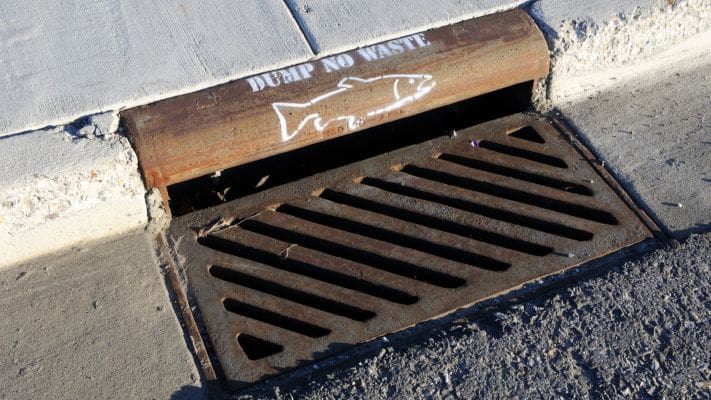
- Drainage structures and flow restrictors must be inspected and cleaned semi-annually
- Volume control BMPs shall be inspected semi-annually and after significant rainfall events exceeding 1.5 inches
- The Owner shall keep an updated log book documenting the performance of the required O&M activities for perpetuity. Log books must be produced upon the request of a City inspector.
- Vegetation shall be maintained on a regular basis.
- Pest control measures shall be implemented to address insects and rodents.
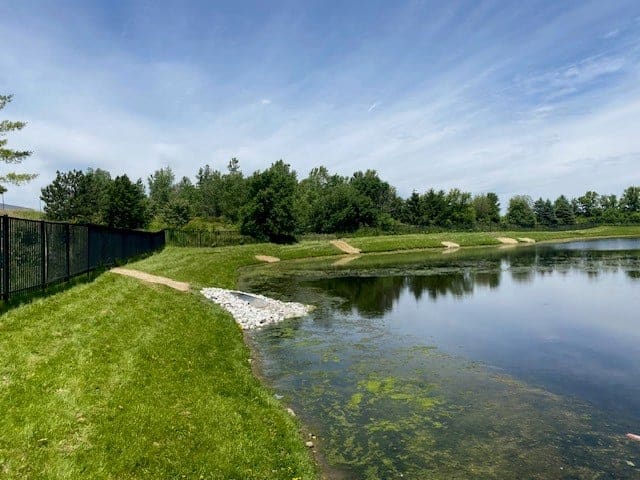
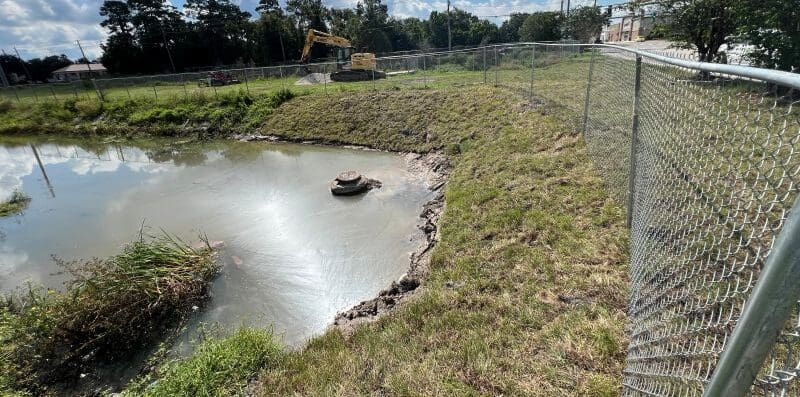
- Signage and fencing shall be installed and maintained where necessary to protect property and the public.
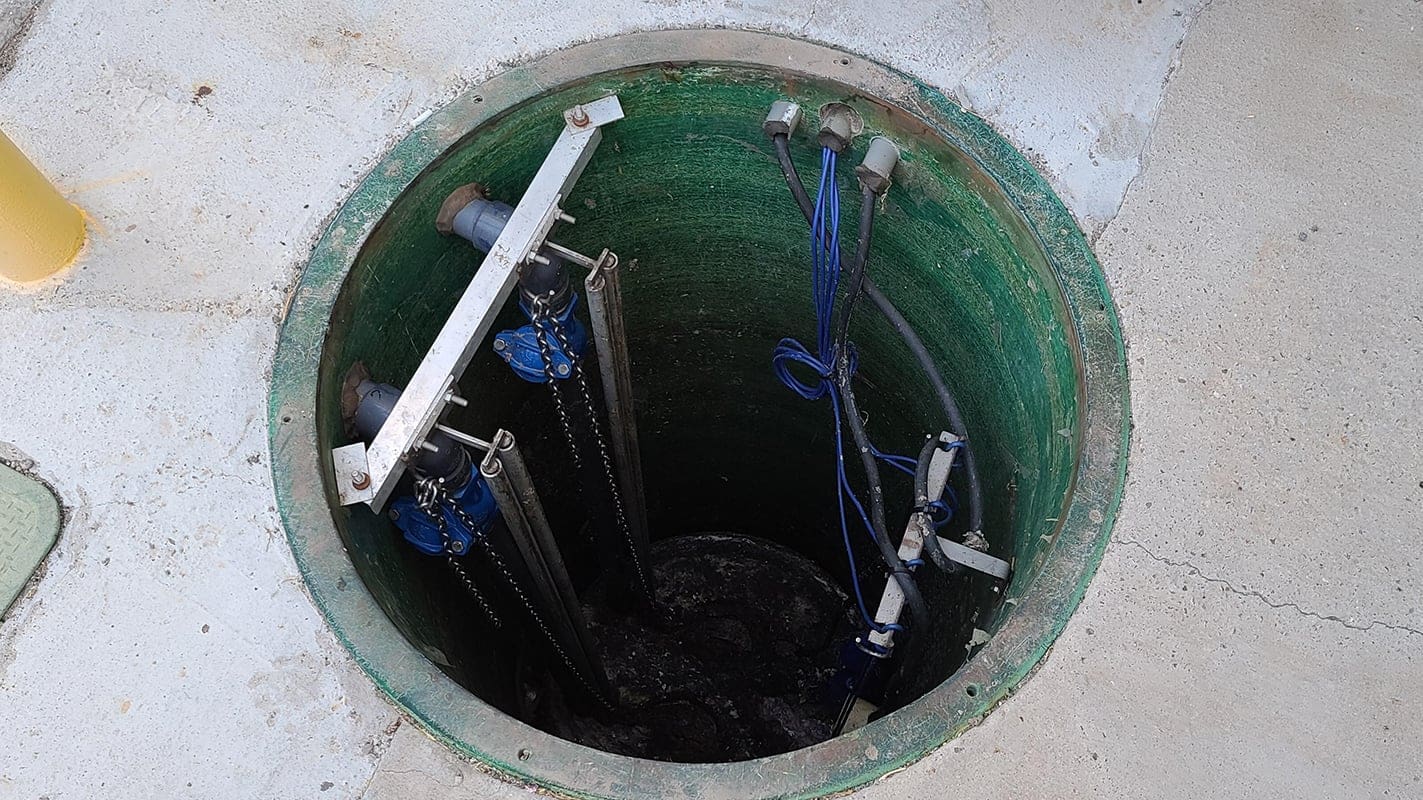
- Underground vaults must include design measures to facilitate cleaning and maintenance. Confined space safety procedures must be followed.
The BMP guidesheets discuss the particular O&M needs of each BMP. The O&M plan in the SMP should contain this BMP-specific information. The developer must create an O&M sheet for each BMP not listed in this Manual.
5.2.4 Implementation Schedule
An inspection and maintenance schedule should be created as part of the O&M plan. This schedule should provide for routine examination of all BMPs and incorporate the varying maintenance needs of each BMP. The City requires that property owners keep an O&M inspection and maintenance logbook. In general, the logbook should note all inspection dates, facility components inspected, and any maintenance performed and repairs made. All inspections and maintenance, both routine and emergency, should be recorded in the logbook. Each BMP-specific O&M sheet should serve as a checklist for design elements that require inspection, the frequency of inspections, and conditions that indicate that maintenance is needed.
View State Page
Frequently Asked Questions
Does every Chicago property need a formal stormwater O&M plan?
Not automatically. Developments under 15,000 square feet total, with less than 7,500 square feet of at-grade impervious surface, are exempt from the O&M plan requirement unless they discharge to a waterway or separate sewer. Above that threshold, or for any site with rate control facilities or approved BMPs, an O&M plan is required and has to be reviewed and reassessed every year.
Who has to sign off on a Chicago property's O&M plan, and does that responsibility transfer at sale?
The plan has to be signed by the owner and notarized using the city’s official certification statement, and it doesn’t stay with just the original owner. A copy has to go to every new owner before a sale closes, and that new owner has to sign it, get it notarized, and submit it to the city to keep on record. That means a buyer inherits an active legal commitment to the property’s O&M plan, not just the physical infrastructure.
How often does Chicago require stormwater BMPs to be inspected?
It varies by component. Drainage structures and flow restrictors need semi-annual inspection and cleaning, volume control BMPs need semi-annual inspection plus a check after any rainfall event over 1.5 inches, and access routes like roadways and sidewalks get inspected annually. On top of that fixed schedule, the owner has to maintain an ongoing logbook documenting every inspection and maintenance activity, which has to be produced on request if a city inspector asks for it.
What does Chicago expect beyond basic drainage upkeep for a property's BMPs?
The requirements go further than most cities’ maintenance rules. Vegetation has to be maintained regularly, pest control measures have to address insects and rodents around the facility, and signage or fencing has to go up wherever necessary to protect the public. Underground vaults specifically need design features that make cleaning and maintenance possible, and any work inside them has to follow confined space safety procedures, a detail that reflects how seriously the city treats worker safety around underground stormwater infrastructure.
The information on this page is provided for general informational purposes only and is not legal advice. Regulations change frequently — AQUALIS makes no warranty as to the accuracy or completeness of this content, and any reliance on it is at your own risk. Consult a qualified professional or your local regulatory authority to confirm requirements applicable to your specific property.