



Last Updated 08/13/2026
Storm Water Control Facilities
General
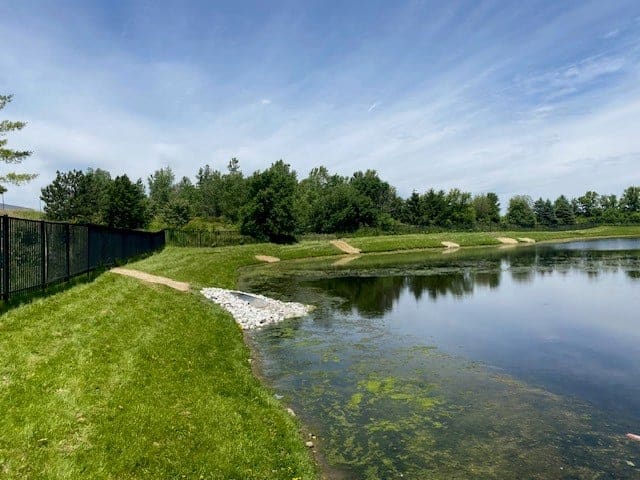
Control of the detained storm water volume must be provided by facilities that are entirely within the development property and are fully accessible for inspection by the city. These facilities shall be designed to store the required detained storm water volume temporarily on, below, or above the ground surface in a detention or retention basin, and to subsequently release the stored detained storm water volume at a rate no greater than the allowable release rate by means of a restrictor within the control structure for final discharge into the city sewer system. The storm water control system shall be located such that: a) adjacent properties are not impacted by storm water from the development and b) facilities are accessible to the city for inspection and accessible to the applicant for maintenance
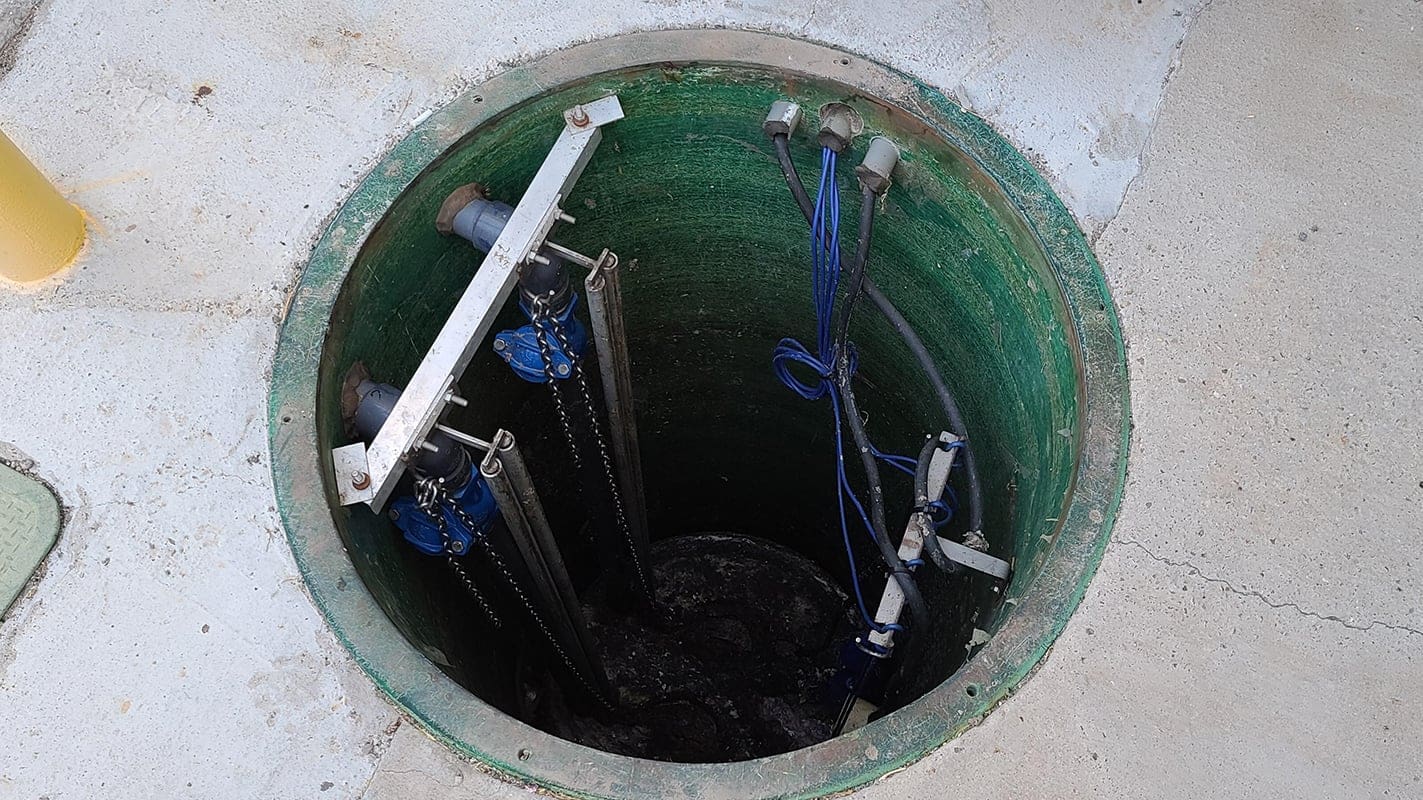
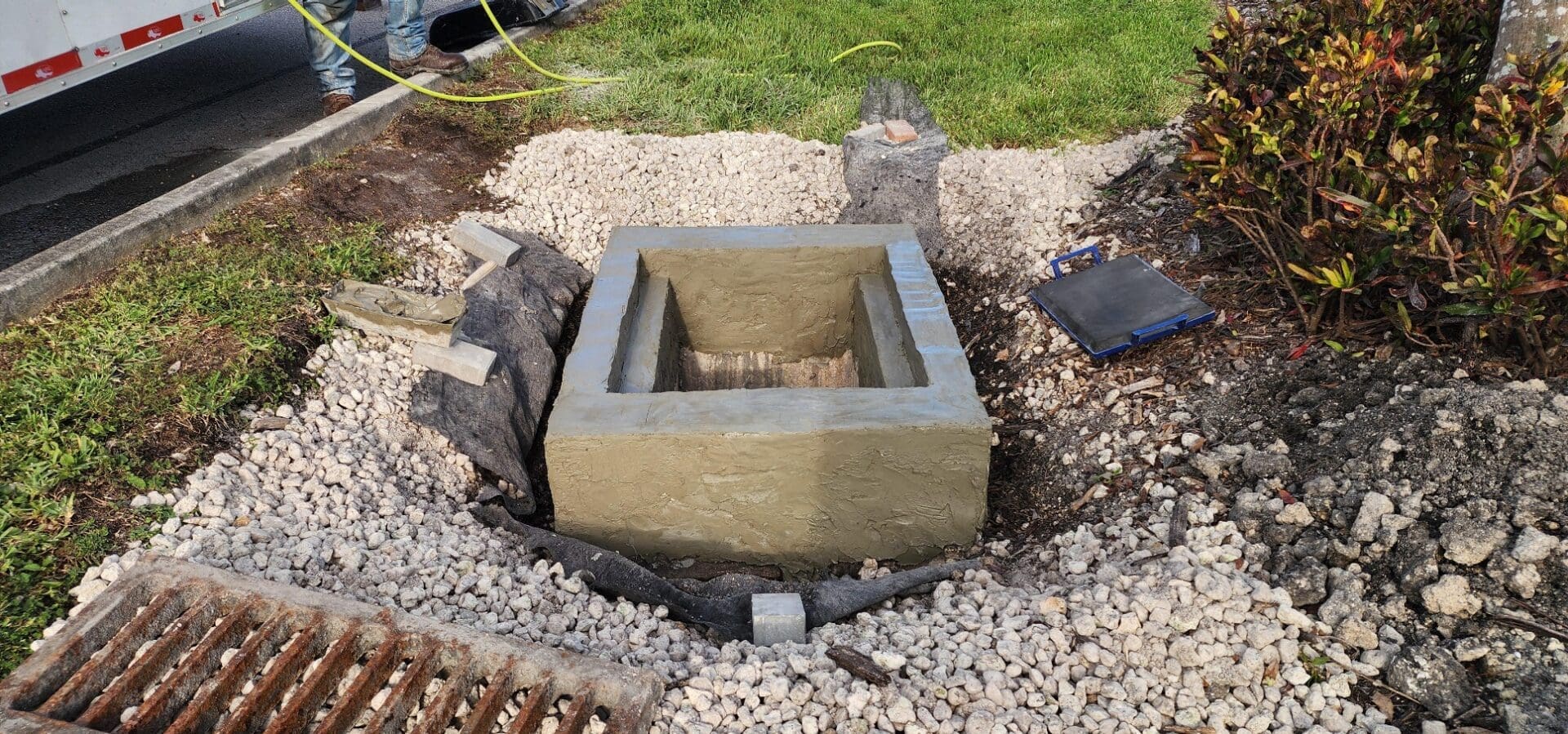
The storm water control system must meet the city’s current construction standards for storm water control structures having restriction, overflow, backflow prevention, and inspection/maintenance capabilities.
Means for Storing Runoff
The storage of detained storm water volume must be accomplished by any of the following means:
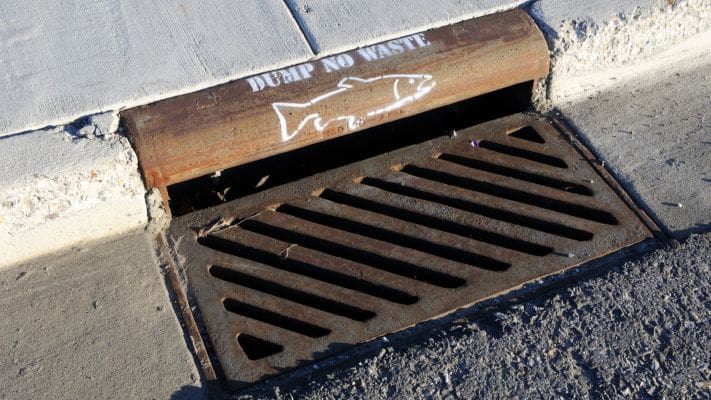
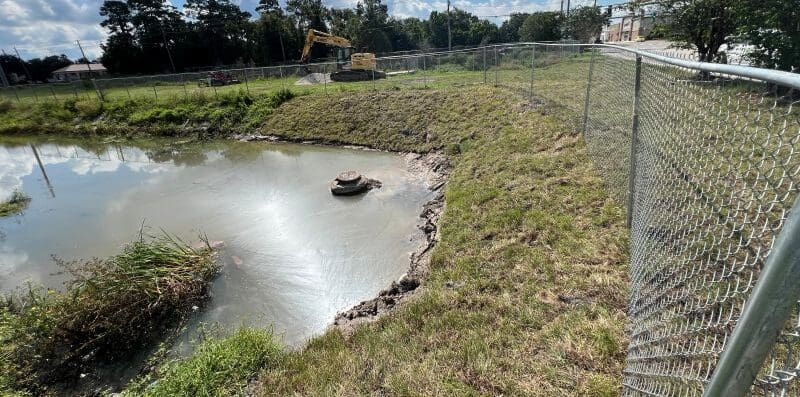
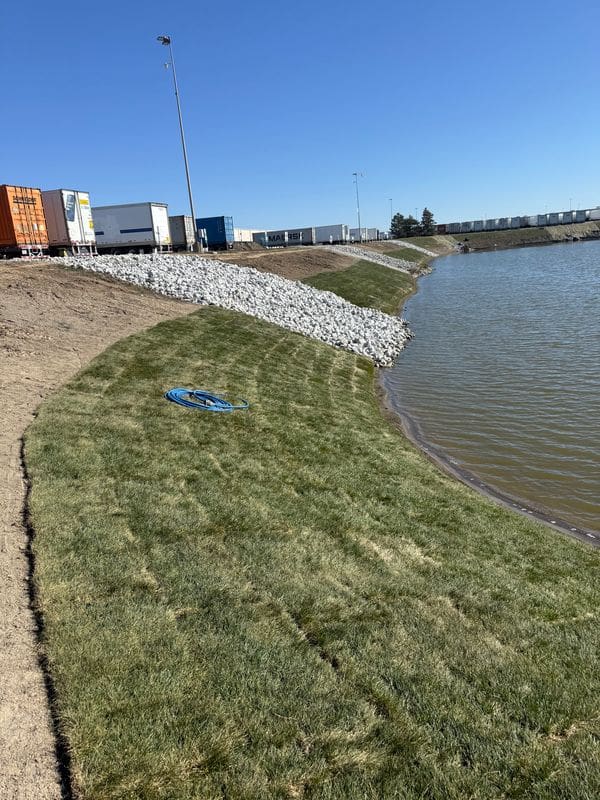
- Open detention basin. The basin may be of any shape. The active storage depth of the detention basin is a maximum of two feet (2’), with an additional one foot (1’) freeboard. The basin must be landscaped, or have a bioengineered surface. Side slopes must be no steeper than a four to one ratio (4:1) (4 horizontal to 1 vertical), and the bottom slope must be one percent (1%) to two percent (2%) to facilitate the complete drainage of all storm water runoff into the control structure by gravity, or by the use of pumps if a retention basin is proposed. Inflow pipes to the open detention basin must carry only storm water runoff, and a backflow preventing device, such as a flap gate, must be installed within a structure and must be provided on each inflow pipe to prevent basin storm water from flooding any development structures.
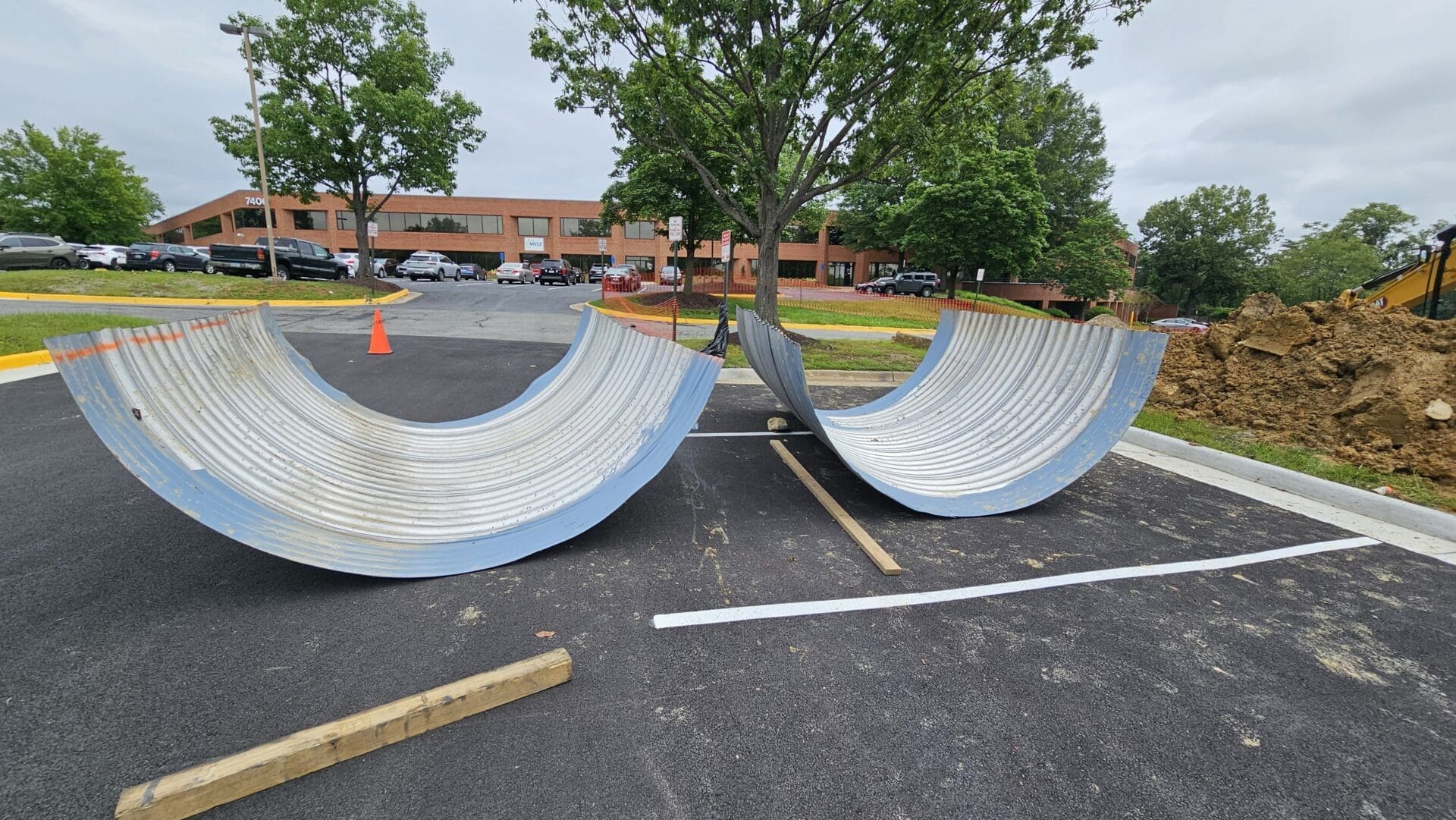
- Reinforced concrete pipe or ductile iron pipe storage, constructed to the city’s current construction standards.
- Reinforced concrete vaults, constructed in accordance with the design by an Illinois licensed structural engineer.
- Parking lot surface storage, with the depth of storm water storage limited to six inches (6”) or less.
- Rooftop storage, with the depth of storm water limited to six inches (6”) or less, based on a determination by an Illinois licensed structural engineer that the roof is structurally adequate to resist all loading, including the additional water load (considered to be live load).
- Infiltration of the detained storm water volume, provided that the applicant submits an engineered infiltration field design by an Illinois licensed professional engineer. The design must include the calculations and supporting documents necessary to demonstrate that the proposed infiltrated detained storm water volume meets the storage requirement.
- Other means or combination of means which the applicant may use, subject to the approval by the director prior to the issuance of all necessary construction permits.
Control System
- The control system must contain those restriction, backflow prevention, storage and conveyance features that are necessary for the safe, efficient control and discharge of detained storm water volume from the development into the city sewer system at a rate no greater than the allowable release rate, up to the occurrence of the 100-year frequency rainfall (24 hour) event. This system must be located on the development property unless waived by the director, must meet the city’s current construction standards, and must be fully accessible to the city for inspection purposes and to the applicant for maintenance purposes. The system shall contain adequate provisions for the emergency release of storm water in excess of the required storage volume or runoff rate that may be associated with more extreme rainfall events or unforeseen debris or ice buildup within the structure. The emergency release shall commence only after the required detained storm water volume has been stored on the development site. The emergency release must discharge onto the development property. A backflow preventing feature, such as a flap gate, shall also be provided such that no storm water or wastewater from the city sewer system can flow back onto the development site. The backflow preventing device shall be installed in a structure located immediately outside of the structure containing the restrictor.
- Storm water control systems shall not be located within any part of a regulated floodplain, either the floodway or flood fringe, within the city, as depicted on the FEMA FIRM map panels for Cook County, Illinois. Any work in the floodplain or in wetlands requires the applicant to obtain all permits that may be required from the USACE, USEPA, IDNR, IEPA, MWRD, and any other federal, state, or regional agency as may be required. The applicant shall not begin construction until the applicant has applied for and obtained these permits. In the event that any of these permits include conditions that are more or less stringent than the provisions of this chapter, the more stringent of the permit conditions or ordinance provisions shall apply.
Fee In Lieu of Storm Water Control
In the event that an applicant cannot physically provide all the necessary control of the required detained storm water volume on the development property, the applicant shall:
- Provide proof that is satisfactory to the director that the development site conditions limit his capacity to fully meet the detained storm water volume, and
- Provide storm water control for that volume of detained storm water which the applicant is able to provide in accordance with the requirements of this chapter, and
- Pay a fee in lieu of providing the balance of the excess storm water control volume that the applicant cannot provide on site. The fee in lieu of providing storm water volume shall be initially set at twelve dollars ($12.00) per cubic foot of required detained storm water volume; however the total fee shall not exceed five percent (5%) of the construction costs of the indicated for the year ending in January by the United States department of labor bureau of labor statistics consumer price index (“CPI”) for the Chicago metropolitan area (Chicago-Gary Kenosha). The City will use this fee for any of the purposes served by this chapter that the director deems suitable in furthering the city’s interest in providing for storm water control.
MAINTENANCE
The storm water control system shall be maintained by the applicant or current owner in a fully functioning and operating condition.
PENALTY:
If the director determines that any storm water control system required by this chapter does not comply with the provisions of this chapter, the director shall notify the applicant or current owner in writing of such noncompliance. The applicant or current owner shall have thirty (30) calendar days from the date of receipt of such notice to comply with the provisions of this chapter. If at the end of the thirty (30) calendar days the applicant or current owner is not in compliance with the provision of this chapter, a two hundred fifty dollar ($250.00) fine shall be imposed and the applicant or current owner shall have an additional thirty (30) calendar days to comply. If at the end of the thirty (30) additional days for compliance, the applicant or current owner is not in compliance with the provisions of this chapter, a fine of not less than two hundred fifty dollars ($250.00) shall be imposed for each day thereafter in which the applicant or current owner is not in compliance.
View State Page
Frequently Asked Questions
What are the options for storing detained storm water on an Evanston property?
Evanston allows several methods, and most projects choose based on site constraints. Open detention basins can hold up to two feet of active storage plus a foot of freeboard, landscaped or bioengineered, with side slopes no steeper than 4:1. Reinforced concrete pipe, vaults, parking lot surface storage up to six inches deep, and rooftop storage up to six inches, provided a licensed structural engineer confirms the roof can handle the added load, are also permitted. Infiltration is allowed too, but it requires an engineered field design demonstrating the proposed volume actually meets the city’s storage requirement.
Can I locate a stormwater control system in Evanston's floodplain?
No. Storm water control systems can’t be located within any part of a regulated floodplain in the city, whether floodway or flood fringe, as mapped on FEMA’s FIRM panels for Cook County. Any work touching a floodplain or wetland also requires separate permits from the Army Corps, USEPA, IDNR, IEPA and MWRD before construction can begin, and if those permits carry stricter conditions than the city’s own ordinance, the stricter standard applies.
What if my Evanston property can't physically fit the required stormwater storage on site?
The city offers a fee-in-lieu option for exactly this situation. The applicant has to first demonstrate to the director that site conditions genuinely limit how much storage capacity the property can provide, then build whatever control it can fit on site, and pay a fee for the remaining volume it can’t accommodate. That fee started at $12 per cubic foot of required storage, capped at 5% of construction costs and adjusted annually using the Chicago-area Consumer Price Index.
What happens if my Evanston stormwater control system falls out of compliance?
The director notifies the applicant or current owner in writing, and there’s a 30-day window to fix it. Miss that deadline and a $250 fine kicks in, with another 30 days to comply. If the system is still non-compliant after that second window, the fine becomes at least $250 for every additional day the violation continues, which adds up quickly on a system that’s been neglected rather than actively repaired.
The information on this page is provided for general informational purposes only and is not legal advice. Regulations change frequently — AQUALIS makes no warranty as to the accuracy or completeness of this content, and any reliance on it is at your own risk. Consult a qualified professional or your local regulatory authority to confirm requirements applicable to your specific property.