

Last Updated 07/22/2026
The City of Fort Collins has enacted a Stormwater Ordinance in order to establish minimum stormwater management requirements and controls to protect and safeguard the general health, safety, and welfare of the public residing in watersheds within this jurisdiction. The City of Fort Collins is the permitting authority for all land disturbing activities and requires the land owner to maintain all on-site stormwater control facilities and all open space areas (e.g. parks or “green” areas) required by the approved stormwater control plan. The City of Fort Collins will only provide construction permits to projects that establish a plan to manage stormwater runoff occurring during the construction process. The City of Fort Collins, under the NPDES program, also has the authority to inspect properties for noncompliance and can issue a notice of violation (NOV) for any deficiency or infraction onsite. Property owners are responsible for the maintenance of any stormwater facilities or practices located on the property. The City of Fort Collins has the authority to inspect stormwater facilities and practices in order to ascertain that they are properly maintained and functioning.
Excerpt from Fort Collins Code
Per City Code Section 26-500, the Fort Collins Stormwater Criteria Manual (or Manual) is adopted by reference.
The purpose of the Fort Collins Stormwater Criteria Manual is to set forth the design guidelines and technical criteria to be utilized in the analysis and design of stormwater drainage systems. This Manual serves as the governing criteria for all stormwater improvements, public or private, that are designed and installed within Fort Collins and its Growth Management Area (GMA). The scope of this Manual does not include floodplain criteria, design for natural stream corridors or stream restoration design principles; rather, it focuses on development projects that are primarily carried out by the private sector.
Excerpt from Fort Collins Stormwater Criteria Manual, November 2017
This manual replaces in their entirety the previously adopted “Fort Collins Amendments to the Urban Drainage and Flood Control District Criteria Manual” dated December 2011. This Manual also changes from a format making “amendments” to the Urban Drainage and Flood Control District Criteria Manual to a stand-alone document that incorporates all key design guidance and more effectively communicates the criteria for Fort Collins and its GMA.
Chapter 2: Developmental Submittal Requirements
2.3.12 Maintenance
Proper design and construction of stormwater facilities is necessary to minimize future maintenance and operating costs and to avoid public nuisances, health hazards, and safety hazards. This is particularly important given the many detention facilities and extents of storm piping in urban areas.
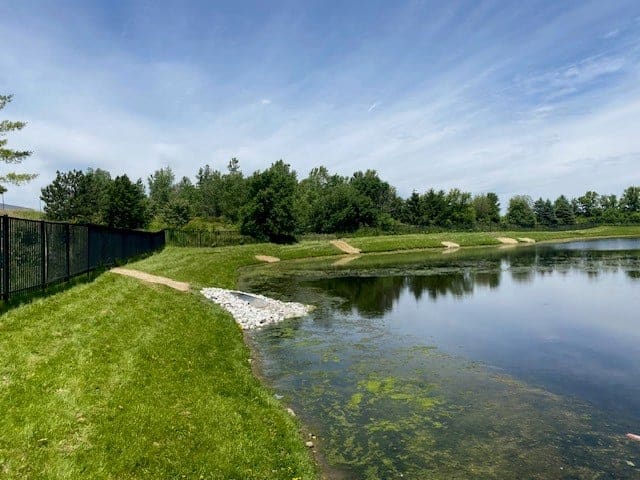
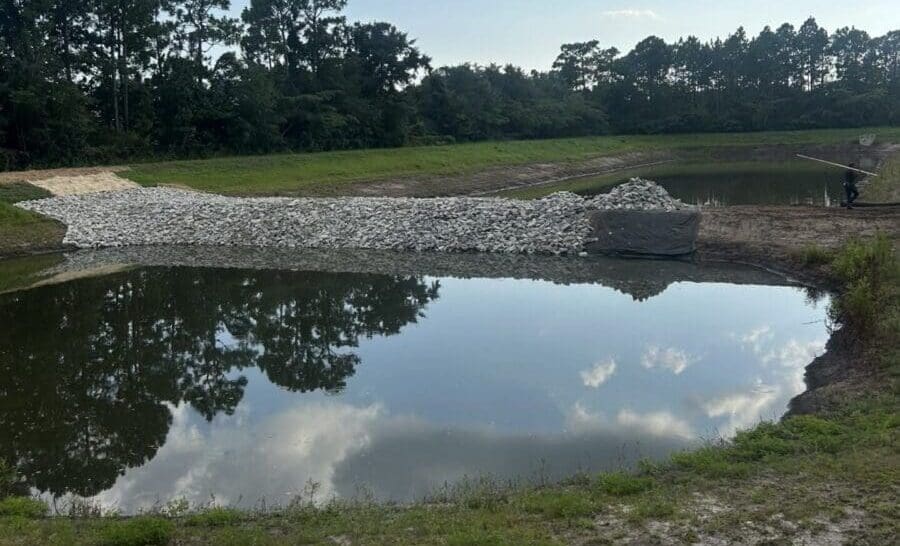
Long-term maintenance provisions must be prescribed for detention and water quality facilities. Maintenance of detention facilities includes the removal of debris, excessive vegetation from the embankment, and sediment. Maintenance requirements for water quality facilities (BMPs) vary, depending on the BMP type. Without maintenance, detention, retention, and water quality facilities will become unsightly social liabilities and eventually become ineffective for their intended functions.
All drainage facilities must be designed to minimize the need for facility maintenance and must provide for ease of maintenance access to all storm drainage facilities in order to ensure the continuous operational function of the system.
Maintenance access for all stormwater control and treatment facilities must be adequate and must be clearly delineated on the Final Development Plans for any development. Maintenance responsibility must be clearly described on the Final Development Plans and in the Standard Operating Procedures (SOPs) that are part of the Development Agreement.
Stormwater control and treatment facilities must be continually maintained to ensure their long term operational effectiveness. Maintenance of storm drainage facilities includes, but is not limited to, the regular performance of the following activities:
1. Mowing for weed control and removal of dead grasses; regularly scheduled during summer months.
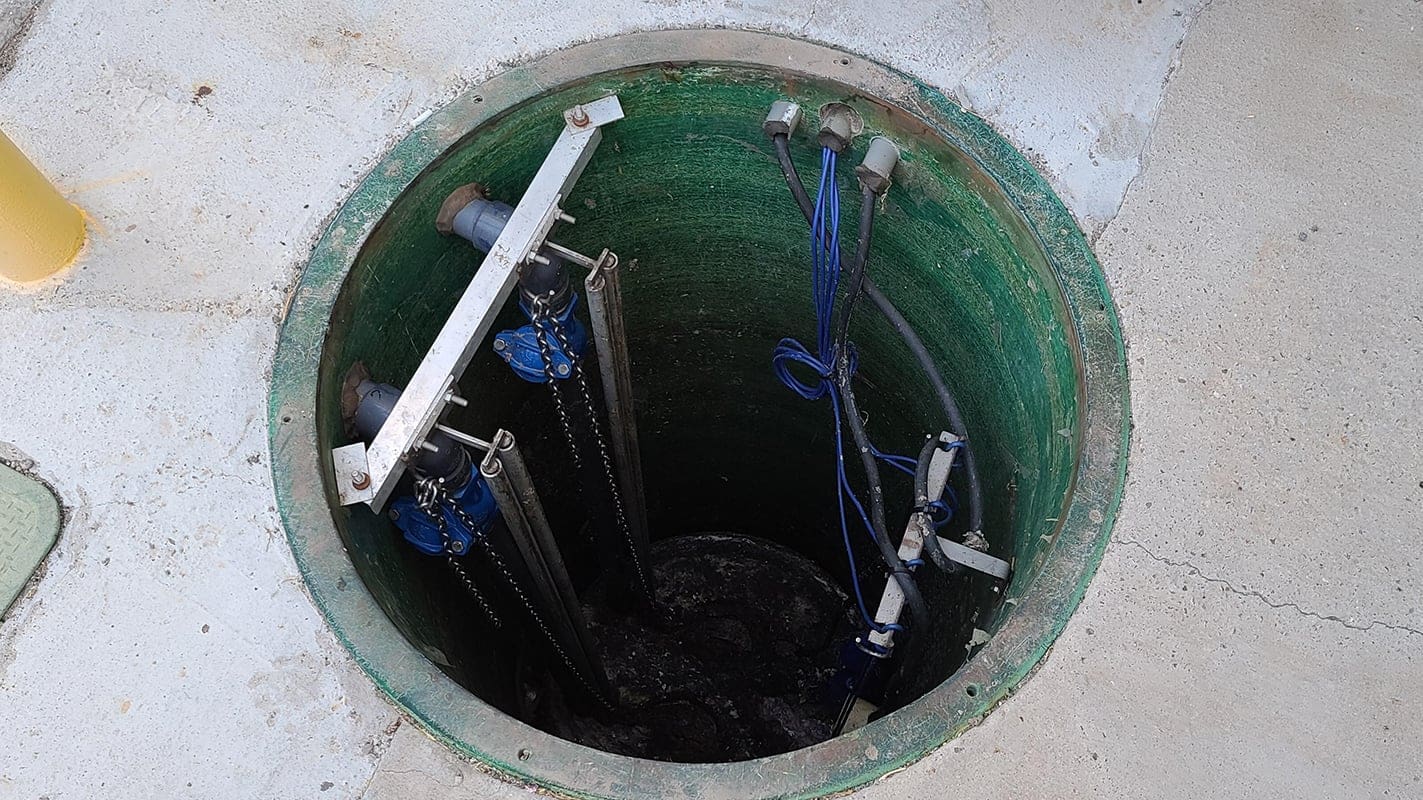
2. Sediment and debris removal from channels, storm sewers and stormwater treatment facilities; scheduled periodically and after storm events.
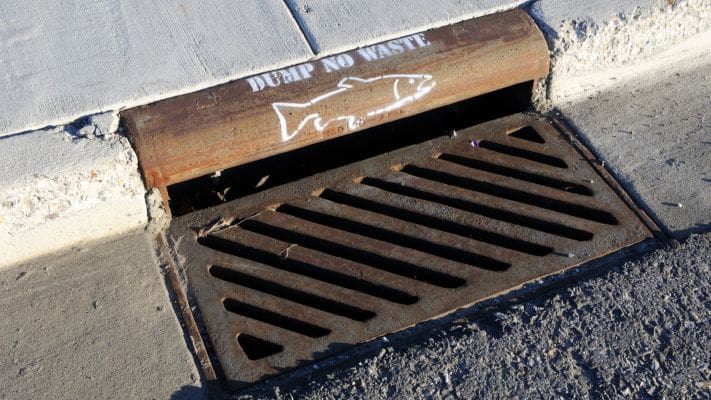
3. Trash racks and street inlets must be cleared of debris; scheduled seasonally and after storm events.
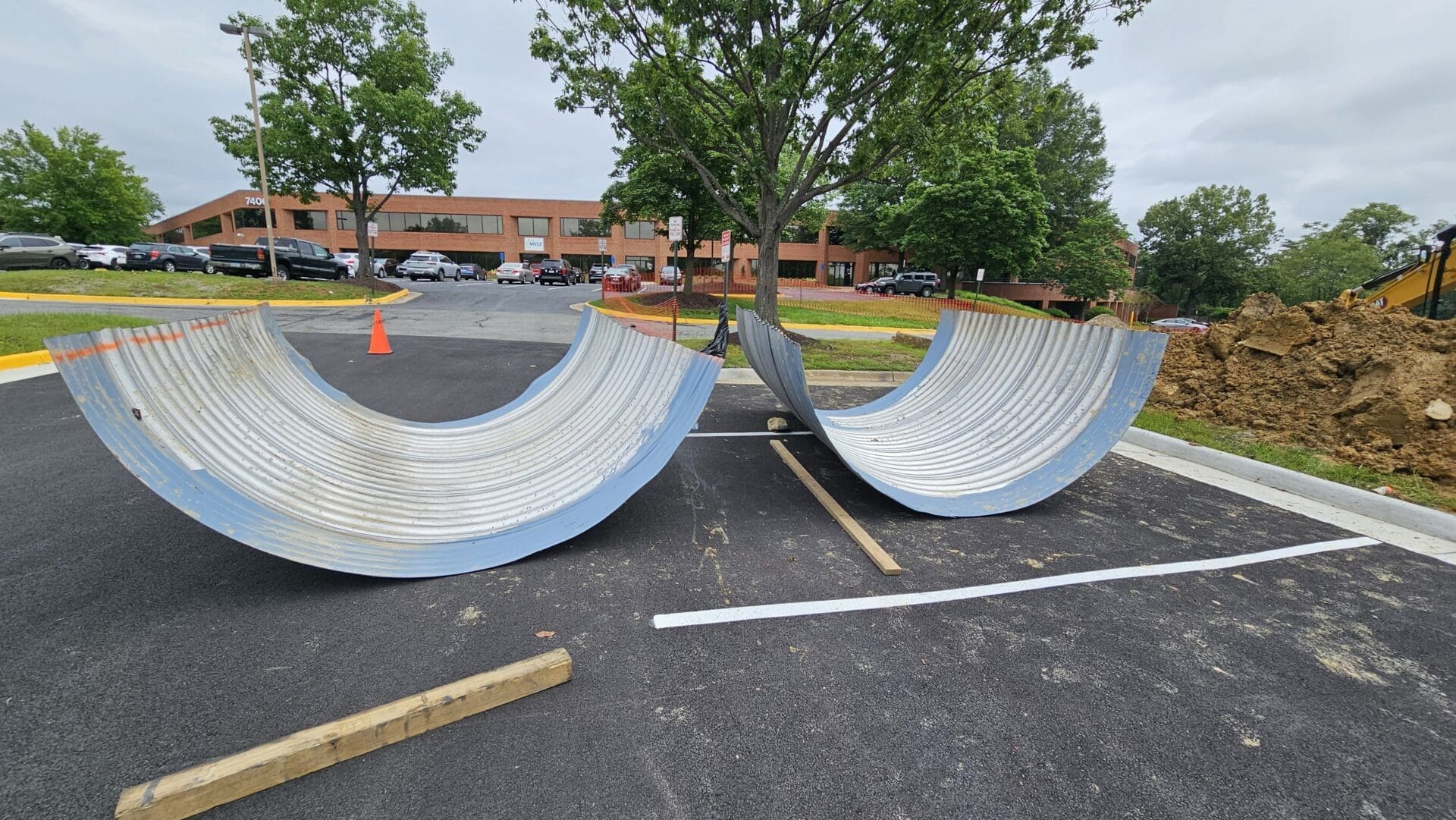
4. Pipe inlets and outlets must be cleaned and cleared of vegetative overgrowth; scheduled regularly.
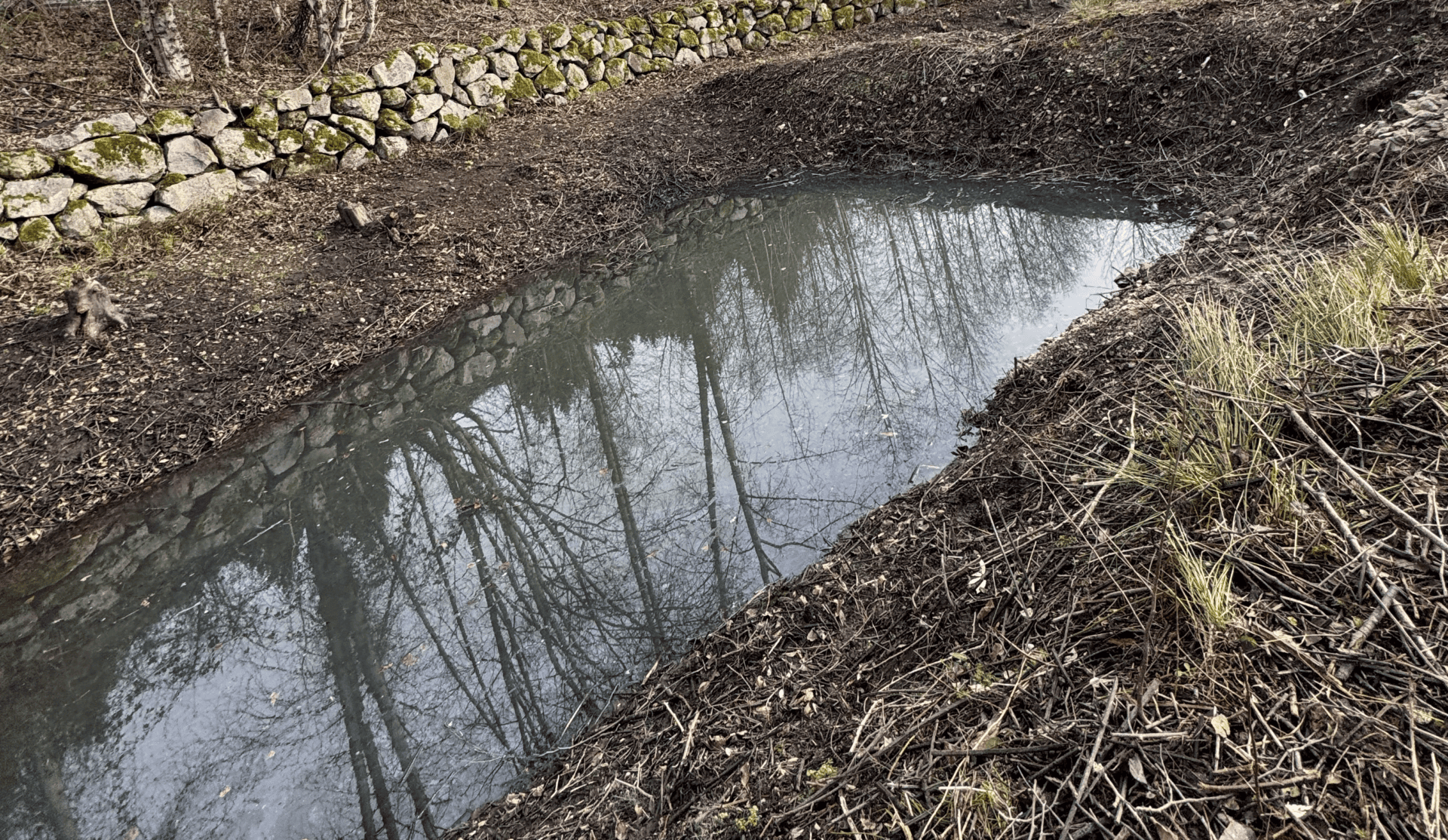
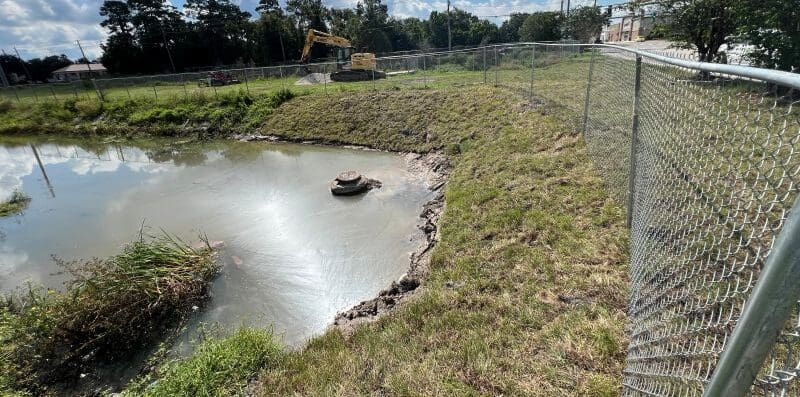
5. Channel bank erosion or damage to drop structures must be repaired to avoid reduced conveyance and treatment capability, unsightliness, and ultimate failure.
Pursuant to City Code Section 26-547, persons responsible for any private drainage facility, whether by law or by condition of development approval or Development Agreement, shall maintain and operate said facility in accordance with maintenance best management practices.
Specific maintenance procedures are outlined in SOPs that are included as part of the Development Agreement for a project. Should the owner or responsible party fail to adequately maintain said facilities, the City has the right to enter said property for the purpose of maintenance as described in City Code Section 26-22. All such maintenance costs will be assessed to the property owner in accordance with City Code Section 26-28.
Chapter 3: During and Post-Construction Requirements
2.4 Maintenance
The Developer shall, at all times, maintain control measures so that they function as intended, to minimize the discharge of pollutants.
Any deficiencies in application, maintenance and removal of control measures shall be corrected as soon as practical (typically immediately). “A specific timeline for implementing maintenance procedures is not included in this permit because BMP maintenance is expected to be proactive, not responsive” as in accordance with Section D.7 of the CDPS State Stormwater Discharge Permit for Construction Activities.
Proactive Maintenance is fundamental to effective control measure performance. Rather than maintaining the control measure in a reactive manner following failure, provide proactive maintenance that may help to reduce the likelihood of failure. The types and frequencies of maintenance are control measure specific. The control measure fact sheets in Section 6.0 of Chapter 4 describe the maintenance needs for various control measures, with some controls requiring more attention.
The Developer shall maintain control measures so that they function as intended, to minimize the discharge of pollutants. Maintenance shall include:
1. Proper installation of control measures as per design.
2. Identifying needed maintenance activities during site inspections or during general observations of site conditions.
3. Removing accumulated sediment before it limits the effectiveness of the control measure up to and including the removal of the control measure.
4. Where control measure have failed or approach failure, shall include repairs or changes that should be initiated as soon as practical.
Where the control measures specific in the Erosion Control Material are not functioning effectively at the site, modifications should be made that may include different or additional layers of control measures. When new control measures are installed or control measures are replaced, check the permit for documentation requirements about the site plans matching the site conditions. This may require communication with the Owner and/or engineer and, at a minimum, should be documented in the inspection and maintenance records (i.e. logbook).
2.10 Enforcement
Planning to preventing pollution from Construction Activities is a requirement of Developer in the Erosion Control Criteria which is a part of City Code, Section 26-500. FCU has the authority and obligation to ensure that nay project is held in accordance with the Erosion Control Criteria before construction. Preventing pollutants from leaving the site is mandatory of the Developer in order not to violate City Code, Section 26-498.
The City reserves the right to enter upon the land and take whatever actions are necessary to stabilize and re-vegetate all disturbed areas, or to have the control measures constructed and to makes repairs as necessary at the cost of the Developer.
View State Page
Frequently Asked Questions
Does Fort Collins' stormwater criteria only apply inside city limits?
No. The Stormwater Criteria Manual governs stormwater improvements, public or private, designed and installed anywhere within Fort Collins and its Growth Management Area, so a property just outside the city boundary can still fall under the same design and maintenance criteria if it sits within that broader growth area.
What does routine maintenance of a detention facility actually involve in Fort Collins?
More than an occasional check. The manual specifically calls for removing debris, excessive embankment vegetation, and accumulated sediment, along with regular mowing for weed control, clearing trash racks and street inlets seasonally and after storms, and repairing channel bank erosion or damage to drop structures before it compromises conveyance capacity.
Does the maintenance responsibility for my private drainage facility have to be documented anywhere in Fort Collins?
Yes. Maintenance access has to be clearly delineated on the Final Development Plans, and maintenance responsibility has to be described in both those plans and the Standard Operating Procedures included in the project’s Development Agreement. That paperwork is what the city points to if a dispute comes up later over who’s responsible for upkeep.
What happens if I don't maintain my private drainage facility in Fort Collins?
The city has the right to enter the property to perform the necessary maintenance itself, and all resulting costs get assessed directly to the property owner. That authority applies specifically to persons responsible for a private drainage facility under City Code Section 26-547, whether that responsibility comes from law, a development condition, or the Development Agreement itself.
Is there a set deadline for fixing a failed erosion control measure during construction in Fort Collins?
Not a fixed number of days, deliberately. The manual notes that BMP maintenance is expected to be proactive rather than responsive, consistent with the state’s Construction Activities permit, so deficiencies have to be corrected as soon as practical, typically immediately, rather than within some formal grace period.
What counts as proactive maintenance for erosion control measures on a Fort Collins construction site?
Installing control measures correctly from the start, catching needed maintenance during routine site inspections, removing accumulated sediment before it limits a control measure’s effectiveness, and making repairs or changes as soon as a control measure fails or starts to approach failure, rather than waiting for a visible problem to force action.
What happens if erosion control fails to keep pollutants from leaving my Fort Collins construction site?
Preventing that kind of discharge is mandatory for the developer under City Code Section 26-498. If it happens anyway, the city can enter the property directly to stabilize and revegetate disturbed areas, construct control measures, or make necessary repairs, all at the developer’s expense.
How can AQUALIS help my property meet Fort Collins' stormwater maintenance requirements?
AQUALIS helps Fort Collins property owners and developers implement the proactive maintenance program the Stormwater Criteria Manual expects, document maintenance responsibility on Final Development Plans and Standard Operating Procedures, and stay ahead of city-directed repair costs on both detention facilities and construction-phase erosion controls.
The information on this page is provided for general informational purposes only and is not legal advice. Regulations change frequently — AQUALIS makes no warranty as to the accuracy or completeness of this content, and any reliance on it is at your own risk. Consult a qualified professional or your local regulatory authority to confirm requirements applicable to your specific property.