

Last Updated 07/22/2026
The County of Boulder has enacted a Stormwater Ordinance in order to establish minimum stormwater management requirements and controls to protect and safeguard the general health, safety, and welfare of the public residing in watersheds within this jurisdiction. The County of Boulder is the permitting authority for all land disturbing activities and requires the land owner to maintain all on-site stormwater control facilities and all open space areas (e.g. parks or “green” areas) required by the approved stormwater control plan. The County of Boulder will only provide construction permits to projects that establish a plan to manage stormwater runoff occurring during the construction process. The County of Boulder, under the NPDES program, also has the authority to inspect properties for noncompliance and can issue a notice of violation (NOV) for any deficiency or infraction onsite. Property owners are responsible for the maintenance of any stormwater facilities or practices located on the property. The County of Boulder has the authority to inspect stormwater facilities and practices in order to ascertain that they are properly maintained and functioning.
Excerpt from Boulder County Storm Drainage Criteria Manual
Section 1200 Detention and Permanent Water Quality
This section presents the criteria for design and evaluation of all detention and water quality facilities
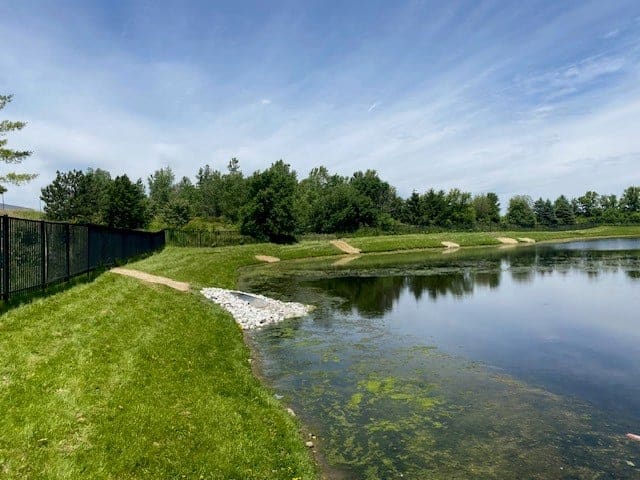
for Boulder County. The main purpose of a detention facility has historically been to store the excess storm runoff associated with increased basin imperviousness and discharge this excess at a rate similar to the rate experienced before development. In recent years, detention facilities have also frequently been viewed as a unique opportunity to improve the water quality of runoff coming from developed areas. This runoff typically carries higher levels of nitrogen, phosphorus, and sediment that can damage the ecosystems of the natural streams downstream of the development. This section discusses detention both with and without a water quality component; water quality facilities located outside a detention basin, including proprietary facilities; and when detention and water quality are required.
1203.3 Maintenance of Detention Facilities and 1204.5 Maintenance Requirements of Permanent Water Quality Treatment
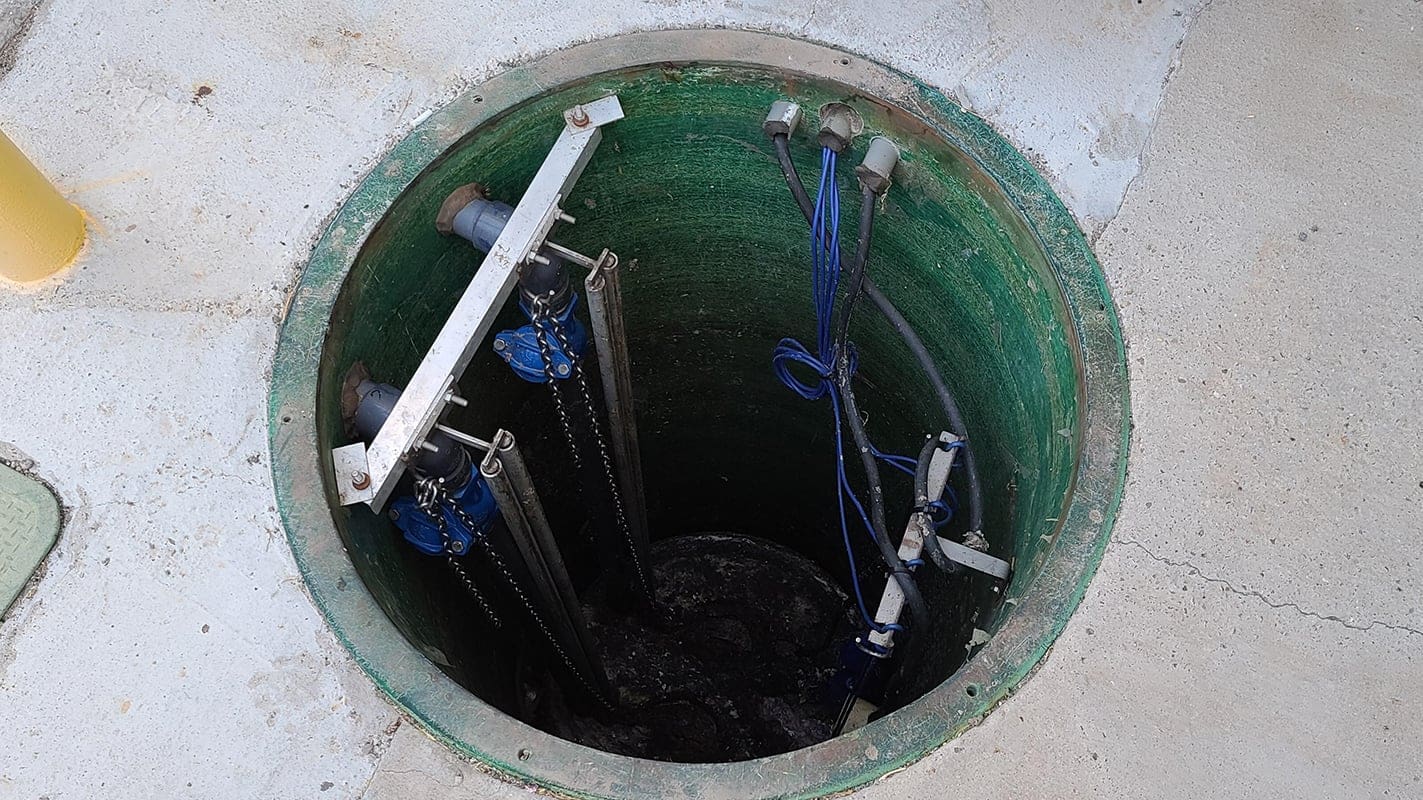
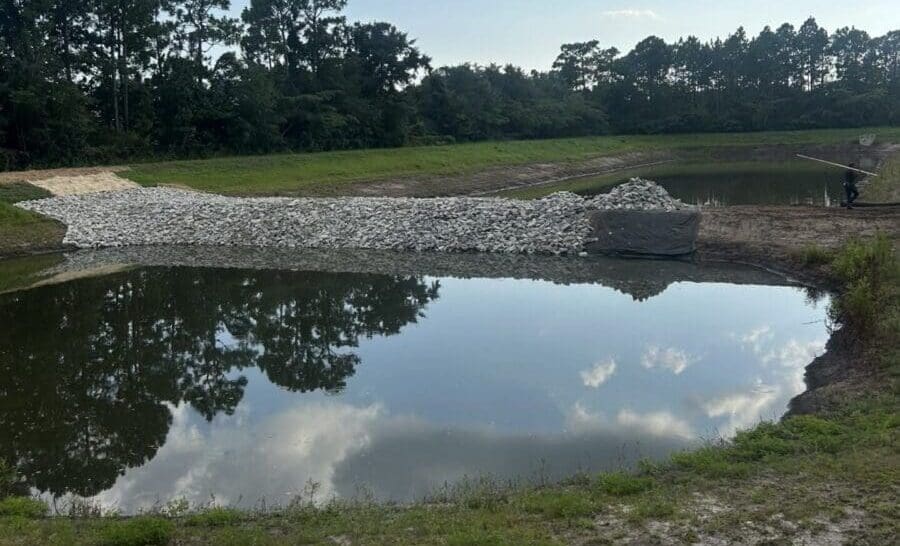
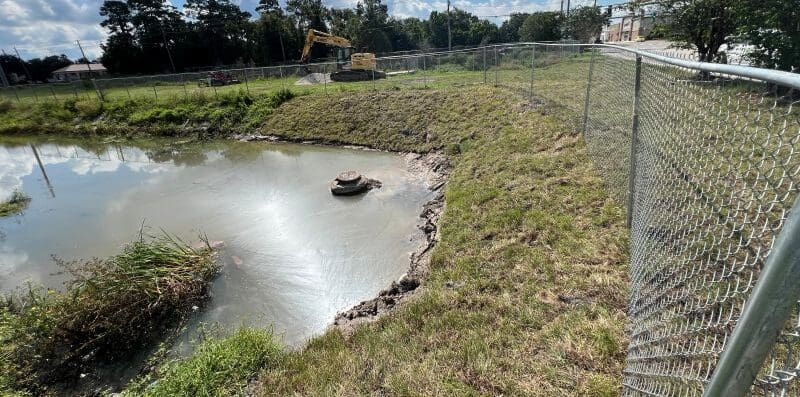
The performance of detention facilities is extremely sensitive to a lack of maintenance. Detention facility outlets in particular must be regularly maintained to ensure the basins meet the requirements of Colorado water law and do not detain water longer than allowable. If detention is to be constructed, Boulder County requires an enforceable maintenance agreement to be in place before issuing any applicable local permits. The agreement must include the party responsible for maintaining the facility, inspection frequency, and proposed maintenance activities.
Excerpt from Boulder City Stormwater Master Plan
9.8.1 Operations and Maintenance Program (MCM 5 and 6)
This section describes the city’s current stormwater O&M program. O&M is included in both MCM 5 and MCM 6 in the 2008 MS4 permit. The section describes standard maintenance of the stormwater system and permanent stormwater BMPs, the stormwater repair and rehabilitation program, and monitoring and sampling of the stormwater system. Permanent BMP Inspection Currently, the city follows a stormwater maintenance schedule for permanent BMPs in the city. Above-ground private BMPs are inspected per state requirements and the responsible party is expected to maintain them. Stormceptors™ and other proprietary BMPs are currently used in the city’s storm drain system, but there is no stormwater maintenance schedule for these or any other city-owned BMPs. Private ponds are inspected and are entered into the city’s database. The city does not perform in-depth inspections of private proprietary BMPs, such as Stormceptors™. Recently, the city implemented a GIS-based asset management tool for tracking city-owned, proprietary, and other BMPs. The city is also trying to better organize and use as-built drawings for city projects. These are good first steps to creating consistency in maintenance and inspection schedules.
View State Page
Frequently Asked Questions
Why does detention facility maintenance matter so much in Boulder County?
Because detention performance is extremely sensitive to neglect. The county’s manual specifically warns that detention facility outlets have to be regularly maintained to ensure basins meet Colorado water law and don’t detain water longer than legally allowed. A neglected outlet isn’t just a maintenance inconvenience, it’s a direct compliance issue tied to state water rights law.
Do I need a maintenance agreement before building a detention facility in Boulder County?
Yes. The county requires an enforceable maintenance agreement to be in place before it will issue any applicable local permits for a detention facility. That agreement has to name the party responsible for maintenance, specify how often it has to be inspected, and describe the actual maintenance activities that will be performed.
Does Boulder County only care about stormwater quantity, or water quality too?
Both, and increasingly so. While detention facilities historically existed to slow runoff down to pre-development rates, the county’s manual notes they’re now also viewed as an opportunity to improve water quality, since developed-area runoff typically carries higher nitrogen, phosphorus, and sediment levels that can damage downstream stream ecosystems.
How does the City of Boulder inspect private stormwater BMPs differently than the county?
Less intensively, at least for certain BMP types. The city inspects above-ground private BMPs according to state requirements and expects the responsible party to maintain them. Private ponds get inspected and logged into the city’s database, but the city doesn’t perform in-depth inspections of private proprietary BMPs like Stormceptors, that inspection responsibility stays with the property owner.
Does the City of Boulder have a consistent maintenance schedule for all stormwater BMPs?
Not yet, by the city’s own account. As of its Stormwater Master Plan, the city didn’t have an established maintenance schedule for Stormceptors, other proprietary BMPs, or other city-owned BMPs, though it had recently implemented a GIS-based asset management tool and was working to better organize as-built drawings as a first step toward more consistency.
What does that inconsistency mean for a property owner with a private BMP in the City of Boulder?
In practice, it means the burden of proactive maintenance falls more heavily on the property owner, since the city’s own oversight of proprietary and privately owned systems is still developing. Waiting for a city-driven inspection schedule to catch a maintenance gap isn’t a reliable strategy given where the city’s program stood at the time of this plan.
Who is responsible for maintaining stormwater facilities on my Boulder County property overall?
The property owner. Both the county’s general compliance language and its detention-specific requirements place maintenance responsibility for on-site stormwater facilities and control measures squarely with the landowner, backed by the county’s authority to inspect and issue a notice of violation for any deficiency found.
How can AQUALIS help my property stay compliant with Boulder County and City of Boulder stormwater requirements?
AQUALIS helps Boulder County and City of Boulder property owners maintain detention facility outlets to the standards Colorado water law requires, prepare the enforceable maintenance agreements the county requires before permitting, and stay ahead of BMP upkeep given the city’s still-developing municipal inspection program.
The information on this page is provided for general informational purposes only and is not legal advice. Regulations change frequently — AQUALIS makes no warranty as to the accuracy or completeness of this content, and any reliance on it is at your own risk. Consult a qualified professional or your local regulatory authority to confirm requirements applicable to your specific property.