

Last Updated 08/12/2026
Excerpt from Stormwater Policy Manual
100 DRAINAGE AND STORMWATER MANAGEMENT DESIGN POLICY
101 GENERAL OVERVIEW
This Design Policy is to complement the City of Nampa Stormwater Management Plan prepared by the City to comply with the EPA Stormwater Phase II Final Rule. This Policy is intended to provide design guidelines to comply with the Stormwater Management Plan.
102 STORMWATER MANAGEMENT GOALS
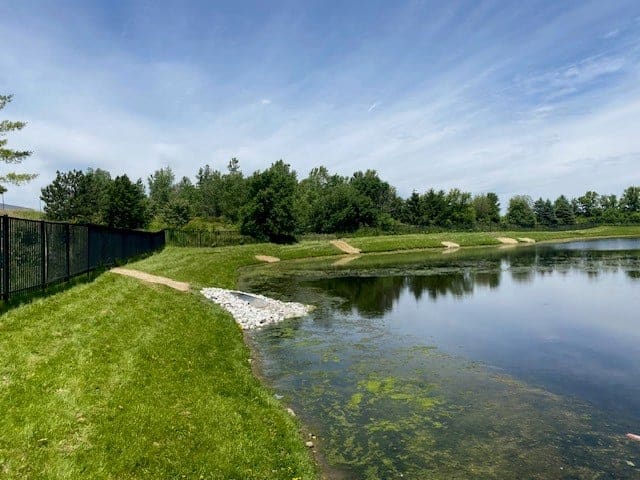
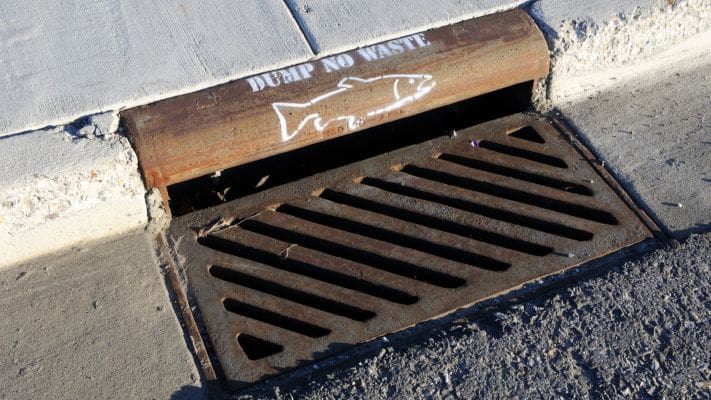
It is the intent of these Management Goals that downstream drainage systems and water quality not be adversely affected by upstream development. Therefore, this drainage and stormwater management Design Policy addresses two distinct system goals: flow controls, and water quality protection. These goals must be addressed and achieved for the Design and construction phases of all development project.
103 DESIGN OVERVIEW
103.1 GENERAL RULES – FOLLOWING RULES SHALL APPLY:
- Private Property Contribution Rule
While each property owner within a development is generally responsible for the stormwater and drainage generated on their property, it is anticipated that some stormwater from private property will enter the public stormwater system. The stormwater system shall be designed to accommodate the anticipated flow from outside the right-of-way based on the development design and grading
- Ownership Intent
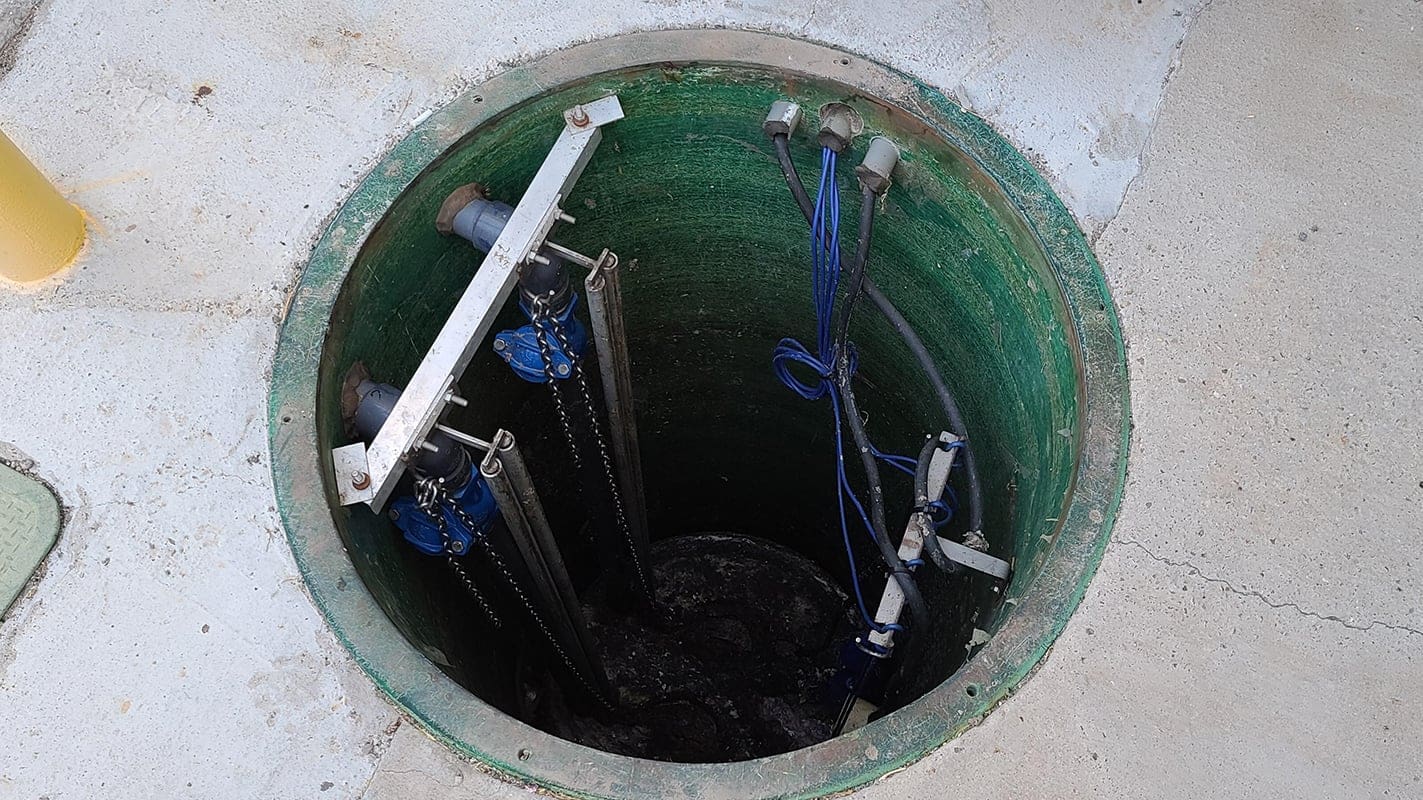
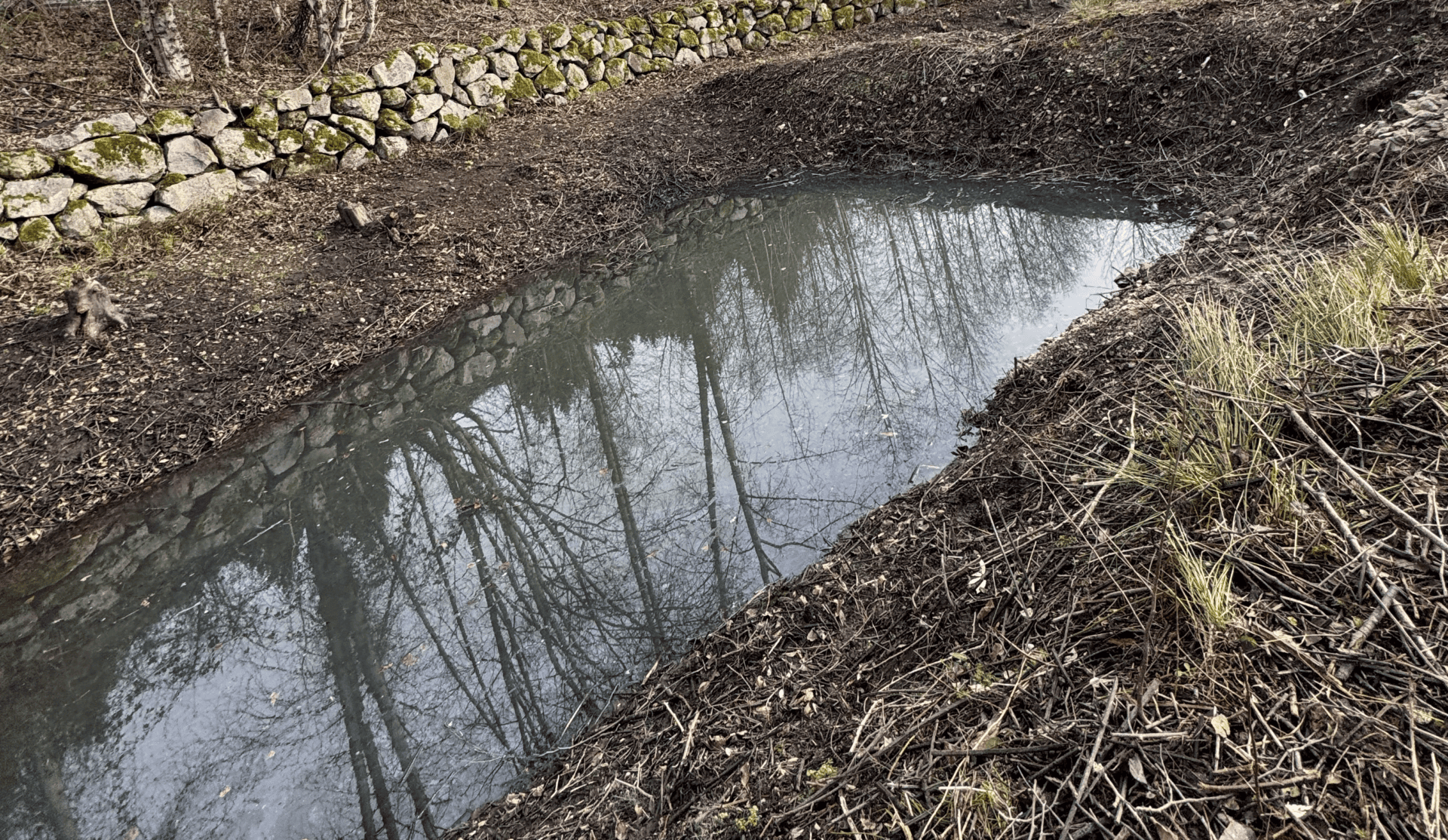
The stormwater, collection, conveyance, treatment and disposal systems must meet city standards and be turned over to the City for continuous operation and maintenance. The systems must be within the public right-of-way or acceptable city easement. The City will not be responsible to maintain the vegetative matter or synthetic liner as part of it’s operation and maintenance responsibility. All BMP’s requiring vegetative matter to meet the requirements of the BMP, the requirements must be met prior to acceptance by the City.
View State Page
Frequently Asked Questions
Who's responsible for stormwater generated on a Nampa property?
Under the city’s Private Property Contribution Rule, each property owner within a development is generally responsible for the stormwater and drainage their own property generates. That said, the city’s public stormwater system is designed anticipating that some runoff from private land will make its way into it, so the system itself has to accommodate flow coming from outside the right-of-way based on how each development is graded and designed.
Can I turn my private stormwater system over to the City of Nampa for maintenance?
Yes, but only if it meets city standards and sits within the public right-of-way or an acceptable city easement, and even then, the transfer comes with a notable carve-out. Nampa won’t take on responsibility for maintaining vegetative matter or synthetic liners as part of its ongoing operation and maintenance duties. Any BMP that depends on vegetation to function has to meet its design requirements before the city will accept it, so a system relying on plantings for water quality treatment stays the owner’s responsibility even after the underlying infrastructure changes hands.
What does Nampa's stormwater design policy actually require of new development?
The policy addresses two goals every project has to meet during design and construction: managing flow control and protecting water quality, both aimed at making sure upstream development doesn’t degrade downstream drainage systems. It complements the city’s broader Stormwater Management Plan, which was written to comply with the EPA’s Stormwater Phase II Final Rule, so a Nampa project’s design requirements ultimately trace back to that federal framework.
The information on this page is provided for general informational purposes only and is not legal advice. Regulations change frequently — AQUALIS makes no warranty as to the accuracy or completeness of this content, and any reliance on it is at your own risk. Consult a qualified professional or your local regulatory authority to confirm requirements applicable to your specific property.