
Last Updated 08/20/2026
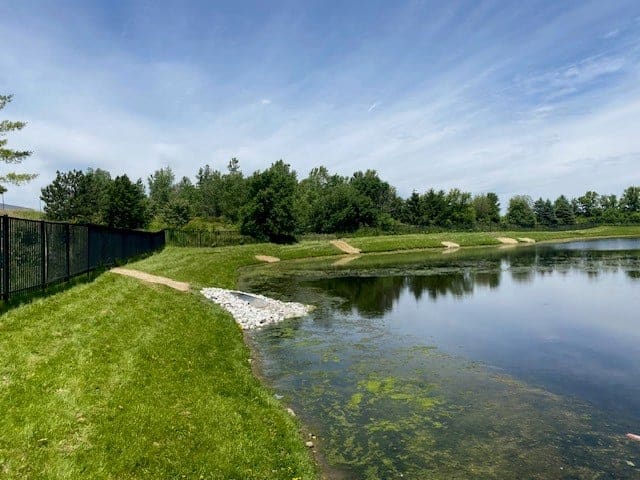
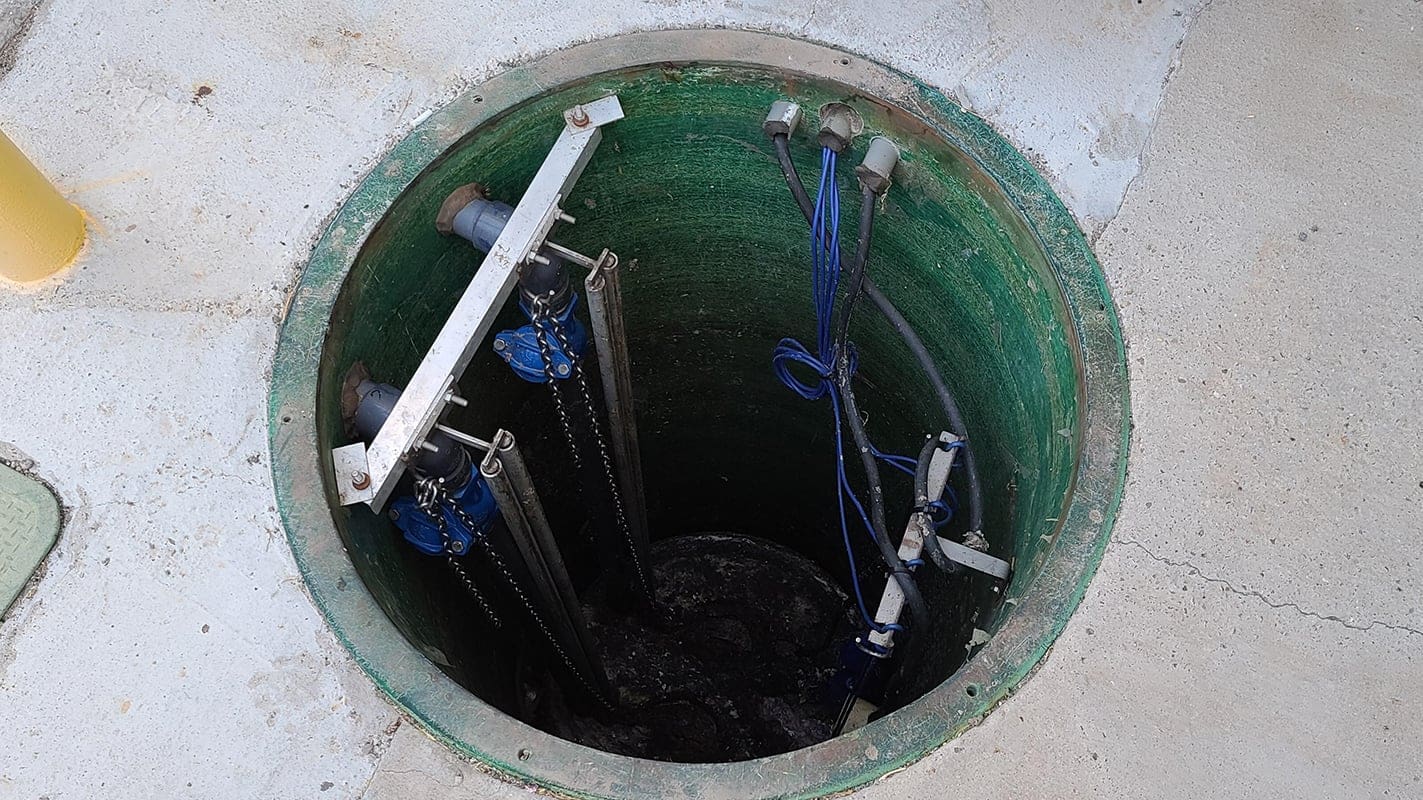
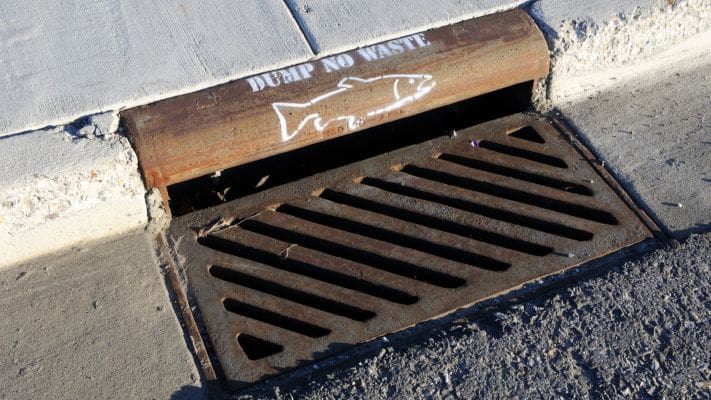
Stormwater runoff is one of the most significant sources of pollution according to the U.S. Environmental Protection Agency. Surface runoff is able to capture pollutants and debris accumulated on street surfaces and carries this material to the nearest drainage catch basin. Catch basins are the main inlets to the stormwater collection system, which is also comprised of miles of underground pipes and manholes that convey stormwater to the outfall, which usually discharges into a waterbody such as a pond, brook, or river.
Proper management of stormwater is of great importance in order to minimize the entry of pollutants to the storm system and ultimately protect the integrity of our water resources. Stormwater discharges from the City of Waltham, like any other municipality with a dedicated storm water system, are regulated by the EPA’s National Pollutant Discharge Elimination System (NPDES). This system is implemented via a discharge permit that describes the minimum management activities the City must perform in order to improve the quality of its stormwater discharges. Management activities by the City of Waltham are divided in six categories (or minimum control measures) and described in periodic reports submitted to EPA. These minimum control measures are summarized below:
1. Public Education and Outreach:
Waltham’s residents play a very important role in stormwater management. Individual activities and behaviors may have a negative impact on the receiving waters. Trash, paint, solvent or pet-waste disposal; lawn-chemical application; and car washing or maintenance are just some examples of potentially polluting activities when not performed properly.
2. Public Involvement and Participation:
Stormwater management is much more effective in reducing pollution if the affected community is fully involved. Participation, partnership, and combined efforts through community groups working towards the same goal is one of the most powerful tools available to the City. Public involvement is meant to help spread the message on preventing stormwater pollution, to undertake group activities that highlight storm drain pollution, and contribute volunteer community actions to restore and protect local water resources.
3. Illicit Discharge Detection and Elimination (IDDE) Program.
An illicit discharge is usually considered as any discharge into the storm drain system that is not composed entirely of stormwater. Illicit discharges are a problem because, unlike wastewater which flows to a wastewater treatment plant, stormwater generally flows directly into waterways without any additional treatment. Illicit discharges often include pathogens, nutrients, surfactants, and other pollutants. Examples of common sources of illicit discharges are houses with sanitary fixtures connected to the storm drain instead of the sewer, sanitary sewer overflows during severe storm events, washing vehicles in the street, not cleaning up pet waste in public streets and sidewalks, or worse yet, dumping pet-waste directly into catch basins. Runoff from overly fertilized lawn areas also contributes nutrients to the receiving waterways which can generate ecological problems.
4. Construction Site Stormwater Runoff Control
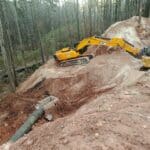
Land disturbances due to construction have a great potential of generating sediment laden runoff which could easily reach the receiving water bodies and have very detrimental impacts on aquatic fauna and recreational water uses. Sediment in waterbodies from construction sites can reduce the amount of sunlight reaching aquatic plants, clog fish gills, smother aquatic habitat and spawning areas, and impede navigation.
The City of Waltham currently regulates stormwater management in construction sites through its Stormwater Ordinance to make sure adequate protection measures are being implemented. Developers and contractors must follow project-specific erosion and runoff control measures in order to avoid damage to the stormwater collection system, neighboring property and roads, or waterbodies.
5. Post-Construction Stormwater Management
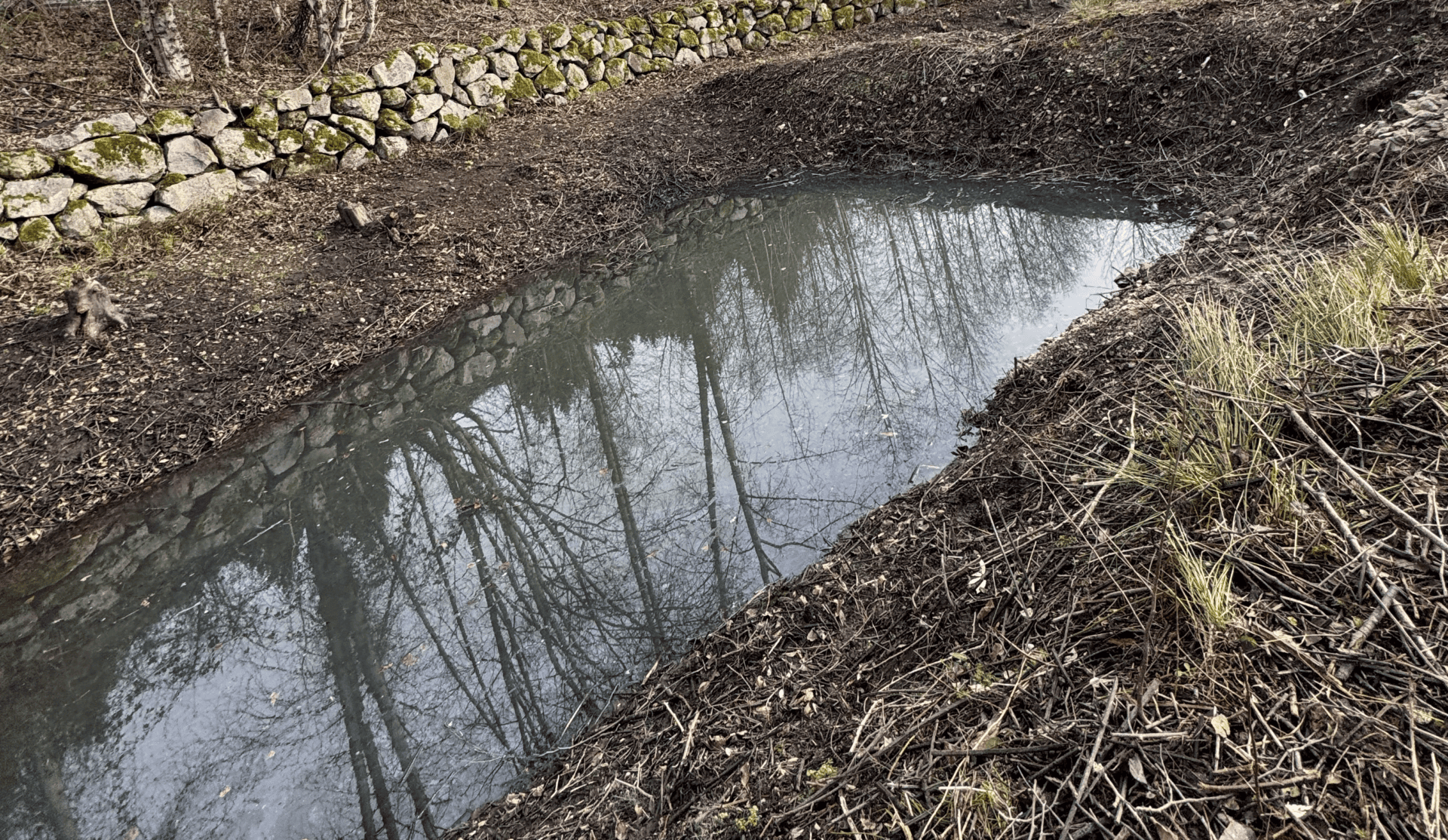
Stormwater management does not end when construction ends as new developments or redevelopments may add new flows to the municipal stormwater collection system. Low Impact Development, which enhances stormwater infiltration, as well as adequate operation and maintenance of privately owned infrastructure, is key to meeting long-term targeted water quality standards. In order to guarantee proper post-construction stormwater management, the City of Waltham currently requires surface runoff be treated on-site via infiltration or detention practices whenever possible.
6. Pollution Prevention/Good Housekeeping for Municipal Operations
Municipalities perform numerous activities that may pose a threat to water quality if standard procedures are not implemented to prevent pollutants from entering the storm system. These activities include winter road maintenance, minor road repairs and other infrastructure work, automobile fleet maintenance, landscaping and park maintenance, as well as building maintenance.
Municipalities also conduct activities that remove some pollutants when performed properly. The City of Waltham performs periodic street sweeping of its streets and performs other maintenance and operation activities such as catch basin or drain cleaning on a regular basis. The City of Waltham has also developed Storm Water Pollution Prevention Plans (SWPPP) for areas where de-icing materials are being stored in stockpiles.
STORMWATER ORDINANCE EXCERPTS
Pollutants Defined
Any element or property of sewage, agricultural, industrial or commercial waste, runoff, leachate, heated effluent, or other matter, whether originating at a point or nonpoint source, that is or may be introduced into any sewage treatment works or waters of the Commonwealth of Massachusetts. Pollutants shall include, without limitation:
- Paints, varnishes, and solvents;
- Oil and other automotive fluids;
- Nonhazardous liquid and solid wastes and yard wastes;
- Refuse, rubbish, garbage, litter, or other discarded or abandoned objects, ordinances, accumulations and floatables;
- Pesticides, herbicides, and fertilizers;
- Hazardous materials and wastes; sewage, fecal coliform and pathogens;
- Dissolved and particulate metals;
- Animal wastes;
- Rock, sand, salt, soils;
- Construction wastes and residues; and
- Noxious or offensive matter of any kind.
Enforcement
The Stormwater Enforcement Agent shall enforce this article and any regulation, decision, permit or order issued under this article and may pursue all civil and criminal remedies for violations of their provisions.
If, in the estimation of the Stormwater Enforcement Agent, corrective work is required to protect the environment, and the property owner fails to perform said corrective work within a reasonable period of time as set by the Stormwater Enforcement Agent, he/she may order the same to be performed by a party to be determined by it, and the property owner shall be required to reimburse the City for all costs incurred. These costs will be in addition to the fines described above.
Penalties
In addition to the other means of enforcement otherwise available for violations of this article, including, but not limited to, where applicable, the provisions of Section 1-13(a) of the General Ordinances, violations may be penalized, as provided by MGL c. 40, § 21D, pursuant to the noncriminal disposition provisions of Section 1-13(b) of the General Ordinances. Each day a violation continues shall constitute a separate offense. If the property owner violates more than one provision of this article or any condition of an approval issued hereunder, each provision or condition so violated shall constitute a separate offense. Fines issued and costs assessed or upheld by the City Council shall constitute a municipal lien upon the property and shall accrue interest as provided by applicable law. Upon request of the Stormwater Enforcement Agent, the Law Department shall take any and all legal action as may be necessary to enforce this article and permits issued pursuant to it. To the extent permitted by state law, or if authorized by the owner or other party in control of the property, the Stormwater Enforcement Agent, its agents, officers, and employees may enter upon privately owned property for the purpose of performing its duties and may make or cause to be made such examinations, surveys or sampling as the Stormwater Enforcement Agent deems reasonably necessary to enforce the provisions of this article.
Decisions or orders of the Stormwater Enforcement Agent pursuant to this article may be appealed to the City Council subject to the terms and conditions of the NPDES general permit. Appellants must show good cause why the decision of the Stormwater Enforcement Agent shall be overturned. The decision of the City Council shall be final, except further relief may be made to a court of competent jurisdiction
ILLICIT DISCHARGES TO STORM DRAINAGE SYSTEM
Prohibited Activities
A person is considered to be in violation of this article if he connects a line conveying sewage and/or wastewater to the municipal storm drain system or, once detected, allows such a connection to continue.
- Illicit discharges- No person shall dump, discharge, cause or allow to be discharged any pollutant or nonstormwater discharge into the municipal separate storm sewer system (MS4), into a watercourse, or into the waters of the Commonwealth of Massachusetts.
- Illicit connections- No person shall construct, use, allow, maintain or continue any illicit connection to the municipal storm drainage system, regardless of whether the connection was permissible under applicable law, regulation or custom at the time of connection.
- Obstruction of municipal storm drainage system- No person shall obstruct or interfere with the normal flow of stormwater into or out of the municipal storm drainage system without prior written approval from the Stormwater Enforcement Agent.
Emergency Suspension of Municipal Stormwater Drain Access
The Stormwater Enforcement Agent may suspend municipal storm drainage system access to any person or property without prior written notice when such suspension is necessary to stop an actual or threatened discharge of pollutants that presents imminent risk of harm to the public health, safety, welfare or the environment.
No person shall reinstate municipal storm drain system access to premises terminated pursuant to this section without the prior inspection and approval of the Engineering Department. An unapproved reinstatement shall constitute a violation of this section.
In the event any person fails to comply with an emergency suspension order or reinstates access in violation of this section, the Stormwater Enforcement Agent may take all reasonable steps to prevent or minimize harm to the public health, safety, welfare or the environment.
Notification of Spills
Notwithstanding other requirements of local, state or federal law, as soon as a person responsible for a property or responsible for emergency response for a facility or operation has information of any known or suspected release of materials which may result in discharge of pollutants to the municipal drainage system or waters of the Commonwealth of Massachusetts or United States, said person shall take necessary steps to ensure the discovery, containment and cleanup of the release. In the event of such a release of hazardous materials, said person shall also immediately notify emergency response officials of the occurrence by calling E911. In the event of a release of nonhazardous materials, said person shall notify the Engineering Department in person, by phone or by facsimile no later than 4:30 p.m. of the next business day.
Enforcement
The Stormwater Enforcement Agent or appointed designee shall enforce this article and any regulations promulgated hereunder and may issue and prosecute violation notices and enforcement orders and may pursue all civil and criminal remedies for violations hereunder.
Civil relief
- The Stormwater Enforcement Agent may seek injunctive relief in a court of competent jurisdiction to restrain a person from continued violations of the provisions of this article and the regulations promulgated hereunder or of any notices, order or written approvals or to compel said person to abate or remediate the violation(s).
Orders
- The Stormwater Enforcement Agent or an authorized agent of the Stormwater Enforcement Agent may issue a written order to enforce the provisions of this article or the regulations thereunder, which may include:
- Elimination of illicit connections or discharges to the MS4;
- Performance of monitoring, analyses, and reporting;
- That unlawful discharges, practices, or operations shall cease and desist; and
- Remediation of contamination in connection therewith.
- If the Stormwater Enforcement Agent determines that abatement or remediation of contamination is required, the order shall set forth a deadline by which such abatement or remediation must be completed. Said order shall further advise that, should the violator or property owner fail to abate or perform remediation within the specified deadline, the City may, at its option, undertake such work, and expenses thereof shall be charged to the violator.
- Within 30 days after completion by the City of all measures necessary to abate the violation or to perform remediation, the violator and the property owner will be notified of the costs incurred by the City, including administrative costs. The violator or property owner may file a written protest objecting to the amount or basis of costs with the Stormwater Enforcement Agent within 30 days of receipt of the notification of the costs incurred. If the amount due is not received by the expiration of the time in which to file a protest or within 30 days following a decision of the Stormwater Enforcement Agent affirming or reducing the costs, or from a final decision of a court of competent jurisdiction, the costs shall become a special assessment against the property owner and shall constitute a lien on the owner’s property for the amount of said costs. Interest shall begin to accrue on any unpaid costs at the statutory rate provided in MGL c. 59, § 57, after the 31st day at which the costs first become due.
Criminal penalty
Any person who violates any provision of this article, regulation, order or permit issued thereunder shall be punished by a fine of not more than $200. Each day or part thereof that such violation occurs or continues shall constitute a separate offense.
Noncriminal disposition
In addition to the other means of enforcement otherwise available for violations of this article, violations may be penalized, as provided by MGL c. 40, § 21D, pursuant to the noncriminal disposition provisions of Section 1-13(b) of the General Ordinances.
Entry to perform duties under this article
To the extent permitted by state law, or if authorized by the owner or other party in control of the property, the Stormwater Enforcement Agent, its agents, officers, and employees may enter upon privately owned property for the purpose of performing their duties under this article and associated regulations and may make or cause to be made such examinations, surveys or sampling as the Stormwater Enforcement Agent deems reasonably necessary.
Appeals
The decisions or orders of the Stormwater Enforcement Agent shall be final. Further relief shall be to a court of competent jurisdiction.
Remedies not exclusive
The remedies listed in this article are not exclusive of any other remedies available under any applicable federal, state or local law.
View State Page
The information on this page is provided for general informational purposes only and is not legal advice. Regulations change frequently — AQUALIS makes no warranty as to the accuracy or completeness of this content, and any reliance on it is at your own risk. Consult a qualified professional or your local regulatory authority to confirm requirements applicable to your specific property.
Did you receive an NOV? Have an urgent need? We can help.
Notices of Violation (NOVs) or Corrective Notices should be taken seriously. Contact AQUALIS today to learn how to resolve the issue and comply with regulations.