
Understanding what is stormwater infrastructure is one of the first steps toward protecting your commercial property from water intrusion like flooding, erosion, and regulatory risk. Stormwater infrastructure is what we call the systems and structures that gather, manage, treat and convey runoff from rain and snow. On commercial properties, these systems work to minimize the pollution that enters local waterways and keep facilities in compliance with regulations at the local, state and federal levels. Below are some of the most prevalent stormwater infrastructure examples found on commercial properties, as well as the issues that each type may encounter.
Catch Basins, Inlets & Grates

Definition & Purpose
Grates, catch basins and inlets are entry points for an underground stormwater system, typically found in parking lots, curb lines and low points across a site. These structures collect surface runoff and direct it into the network of pipes below. They are also the first line of defense against debris, preventing larger materials from jamming the system downstream.
Common Issues
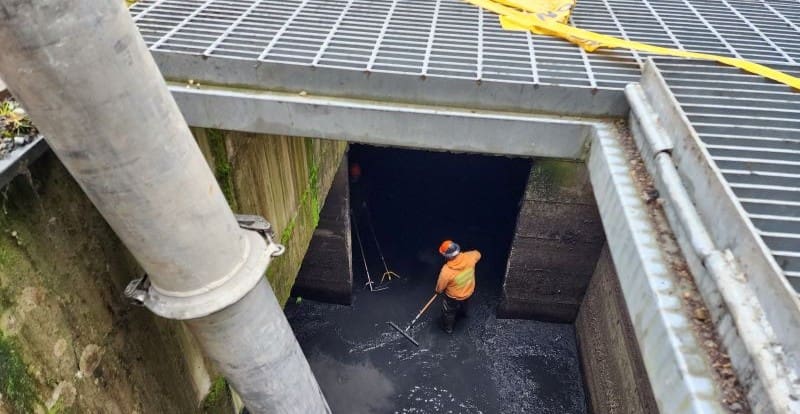
Cracked grates, sunken grates, joint separation and sediment buildup are some of the largest offenders that inhibit water flow and create safety hazards. If ignored for too long, the debris can accumulate, causing flooding and blockages. AQUALIS offers catch basin inspection services and cleaning and structural repairs to keep these assets functioning.
Storm Sewer Pipes

Definition & Purpose
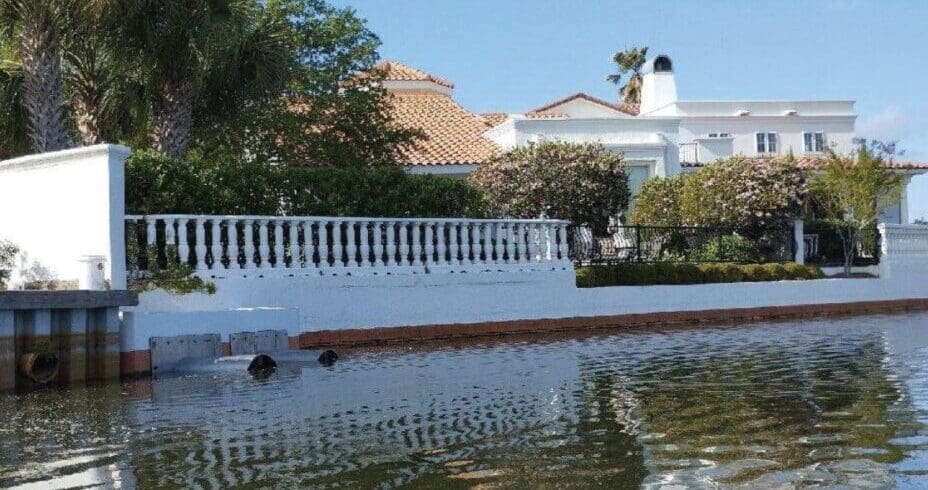
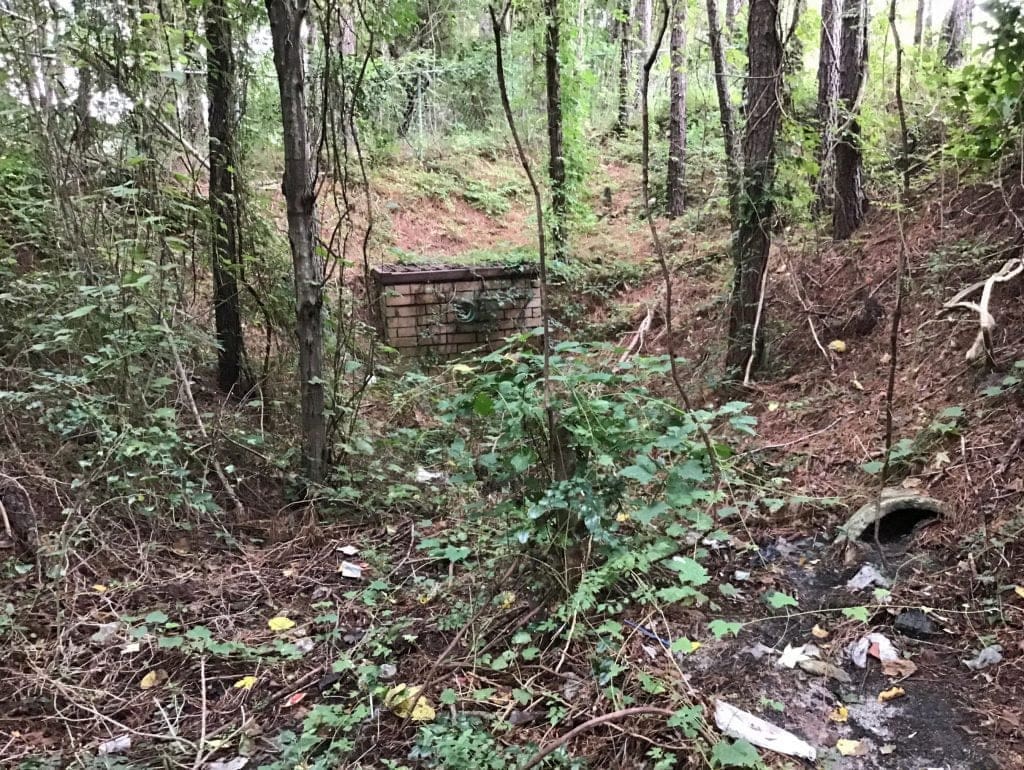
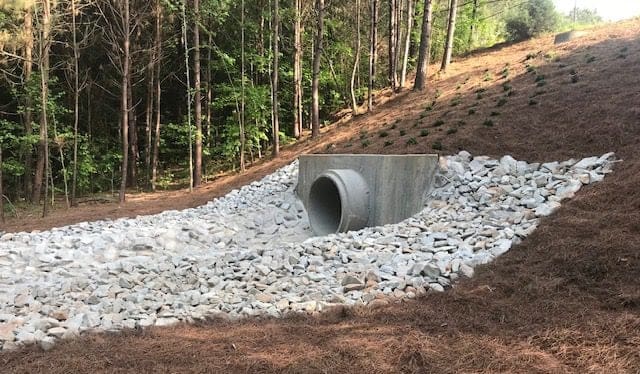
Storm sewer pipes are the backbone of any underground stormwater system, carrying runoff from catch basins and inlets and bringing it to detention facilities or discharge points. These pipes are usually built from reinforced concrete, corrugated metal, or HDPE and are sized to handle excessive water flow from heavy storms, based on the site’s original drainage design.
Common Issues
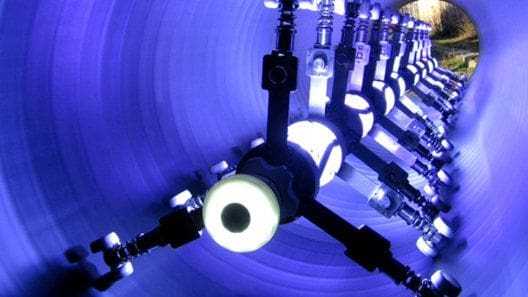
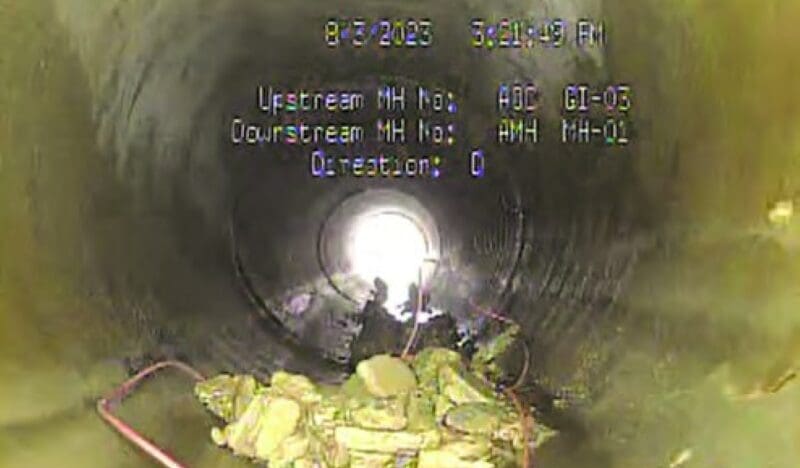
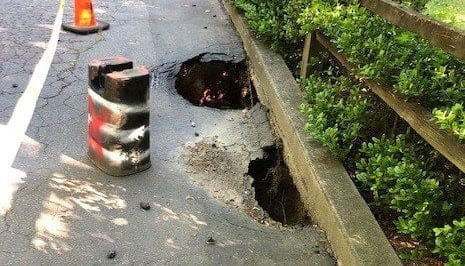
Because these pipes are buried in the ground, they are often uninspected for a long time, usually until a visible problem like a sinkhole or depression signals an issue. These pipes can be vulnerable to root intrusion, joint separation, corrosion and structural collapse, which are all some of the most common defects found in inspections. AQUALIS offers storm sewer inspection and trenchless repair solutions to restore pipe integrity with minimal disruption to operations.
Retention Ponds & Detention Ponds

Definition & Purpose
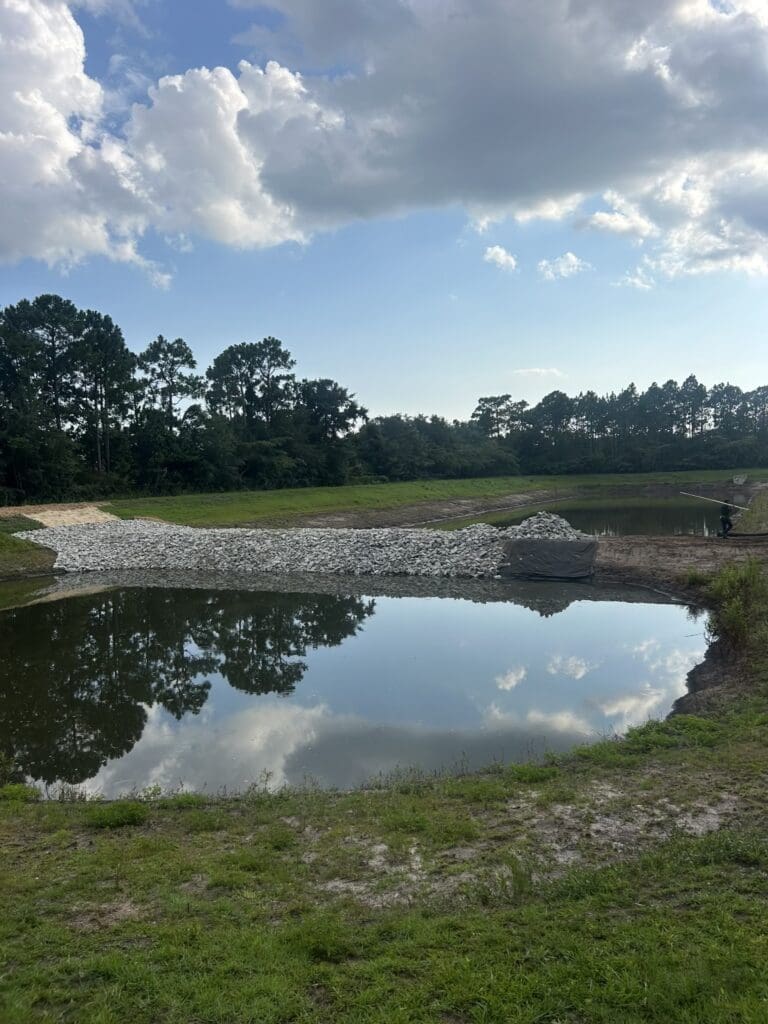
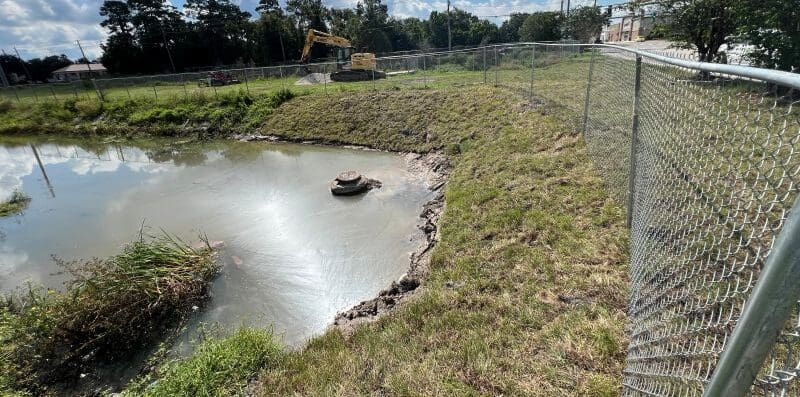
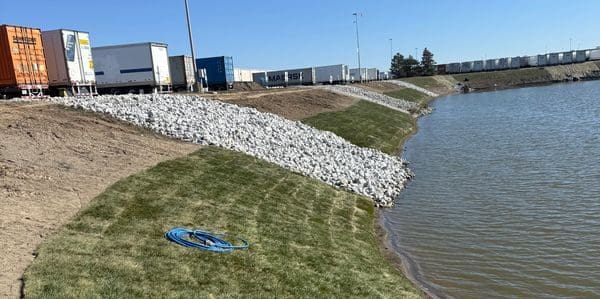
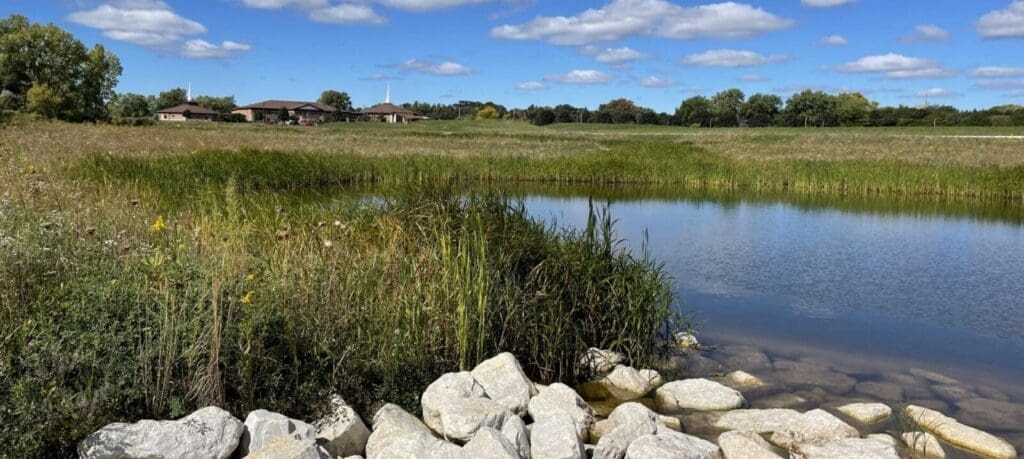
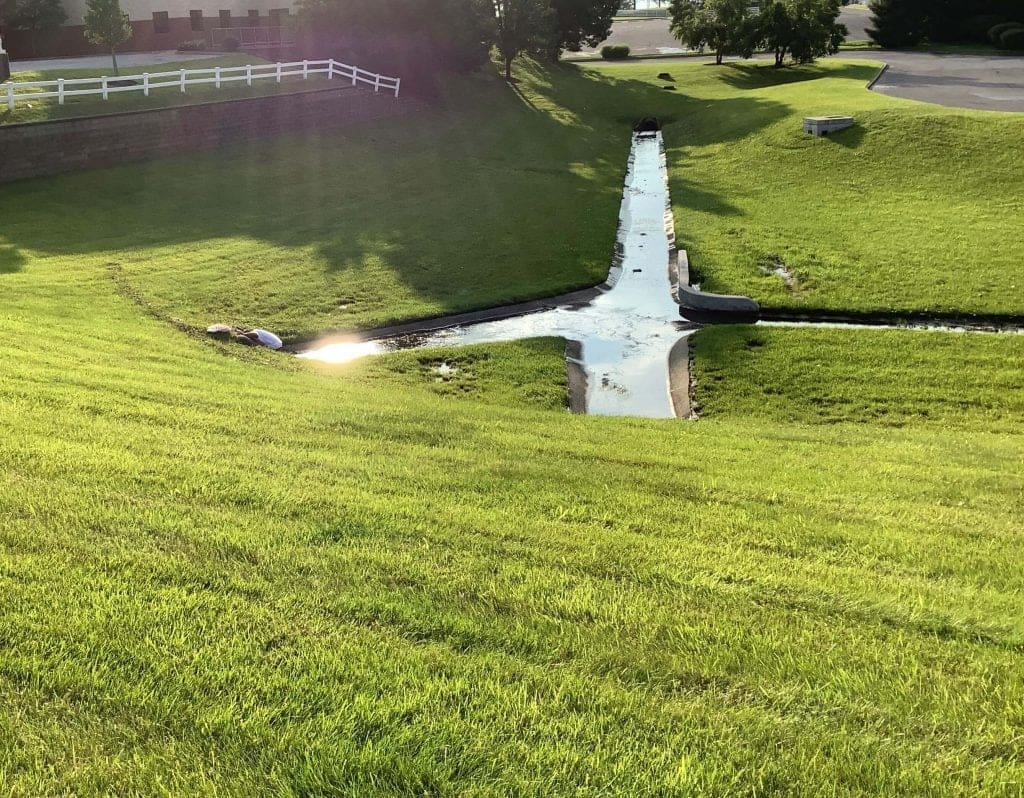
Retention ponds are a permanent pool of water that treats runoff water through natural biological and settling processes. Detention ponds, on the other hand, temporarily store large amounts of stormwater and slowly release it over time to prevent flooding downstream. Both types of ponds are commonly used on commercial properties with a significant surface area.
Common Issues
These types of ponds can experience erosion around their banks, vegetation overgrowth, inlet and outlet blockages, and sediment accumulation without routine maintenance. If neglected, these systems can lose storage capacity, fall out of compliance, and even become a source of regulatory action. AQUALIS provides pond inspection, dredging, repair and rehabilitation services to keep these assets performing.
Bioretention Systems
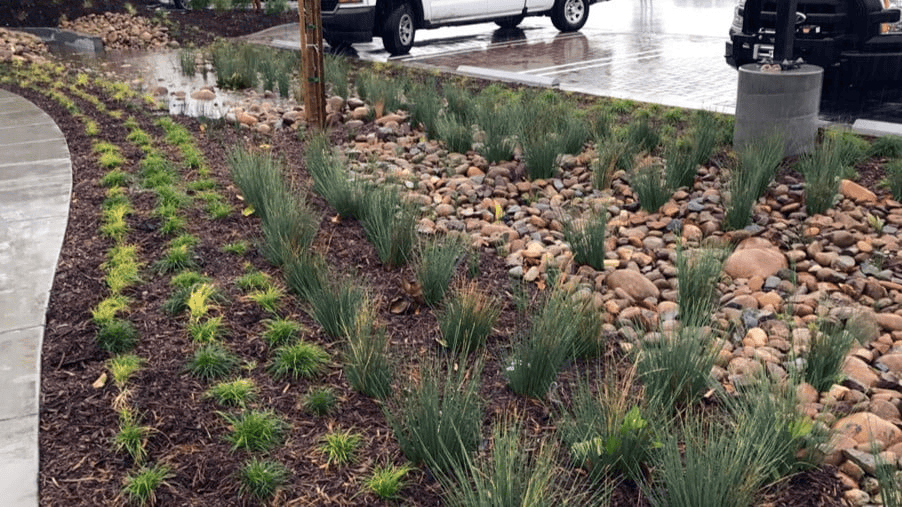
Definition & Purpose
Bioretention systems use soil, plants and natural filtration to treat and infiltrate stormwater runoff close to where it lands. This is a common solution for commercial properties looking to meet water quality permits or green building standards. These systems also reduce the volume and pollutant load of any runoff before it ever reaches underground conveyance or waterways.
Common Issues
Vegetation die-off, soil compaction, underdrain clogging and surface ponding are potential issues for bioretention systems. When these systems fall into a state of disrepair, they can become a serious compliance issue. AQUALIS offers services for designing, maintaining and rehabilitating these systems for commercial clients throughout the country.
Permeable Pavement

Definition & Purpose
Permeable pavement lets stormwater pass through it into the ground below instead of letting it run off as sheet flow. Commercial properties often utilize permeable asphalt, concrete or interlocking pavers in parking lots and walkways to ensure water flows to the right places. This infrastructure reduces the amount of runoff and helps properties meet quantity and quality requirements for stormwater.
Common Issues
Fine sediments clogging surface pores are one of the most common issues in permeable pavement, which can reduce or eliminate infiltration capacity. Structural damage from heavy vehicles and freeze-thaw cycles can also be damaging. With routine vacuuming and pressure washing, you can restore performance, but heavily neglected systems may need more substantial permeable pavement maintenance or repair.
Your Go-To Experts for Commercial Stormwater Management
AQUALIS offers comprehensive solutions for all forms of stormwater management, ranging from routine maintenance to emergency response. We are fluent in all types of stormwater infrastructure found on commercial properties and offer localized regulatory knowledge to clients throughout the nation. Our certified team is equipped to inspect, upkeep, repair and rehabilitate any stormwater asset, regardless of whether you manage a single site or a multi-location portfolio. Request a consultation today to get started.