

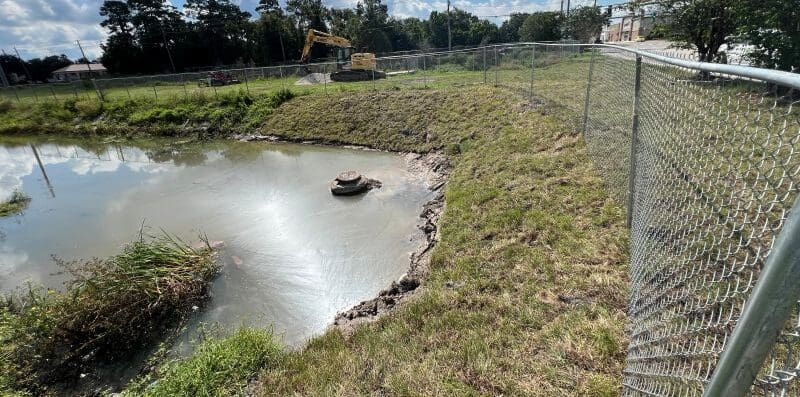
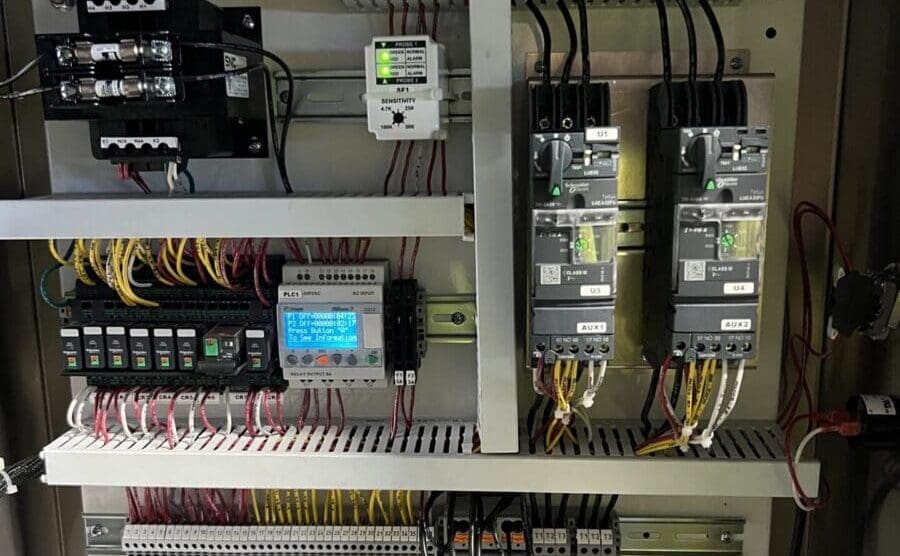
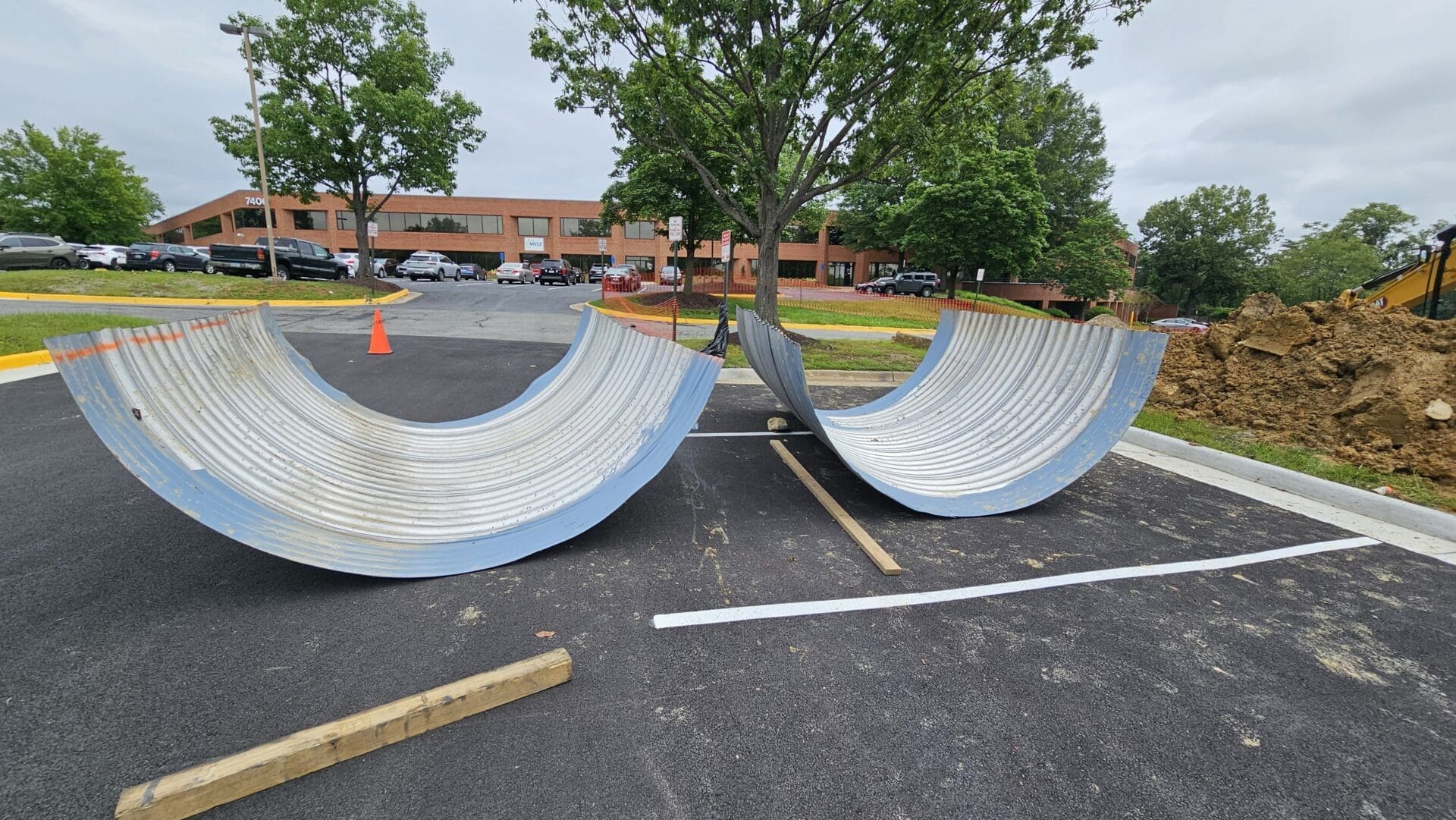
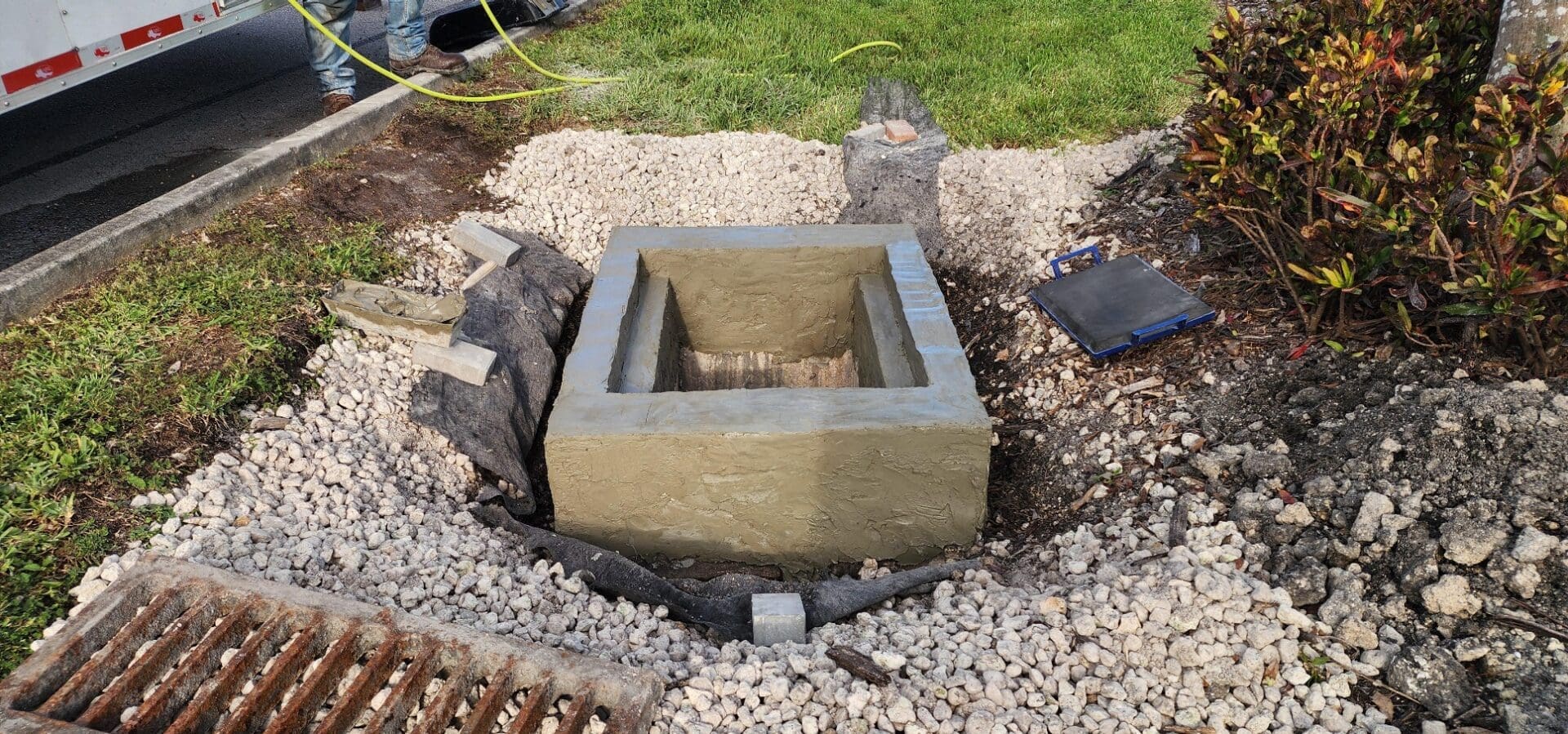
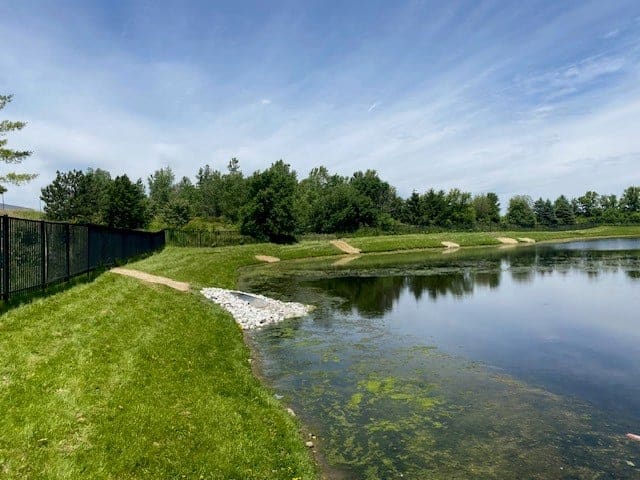
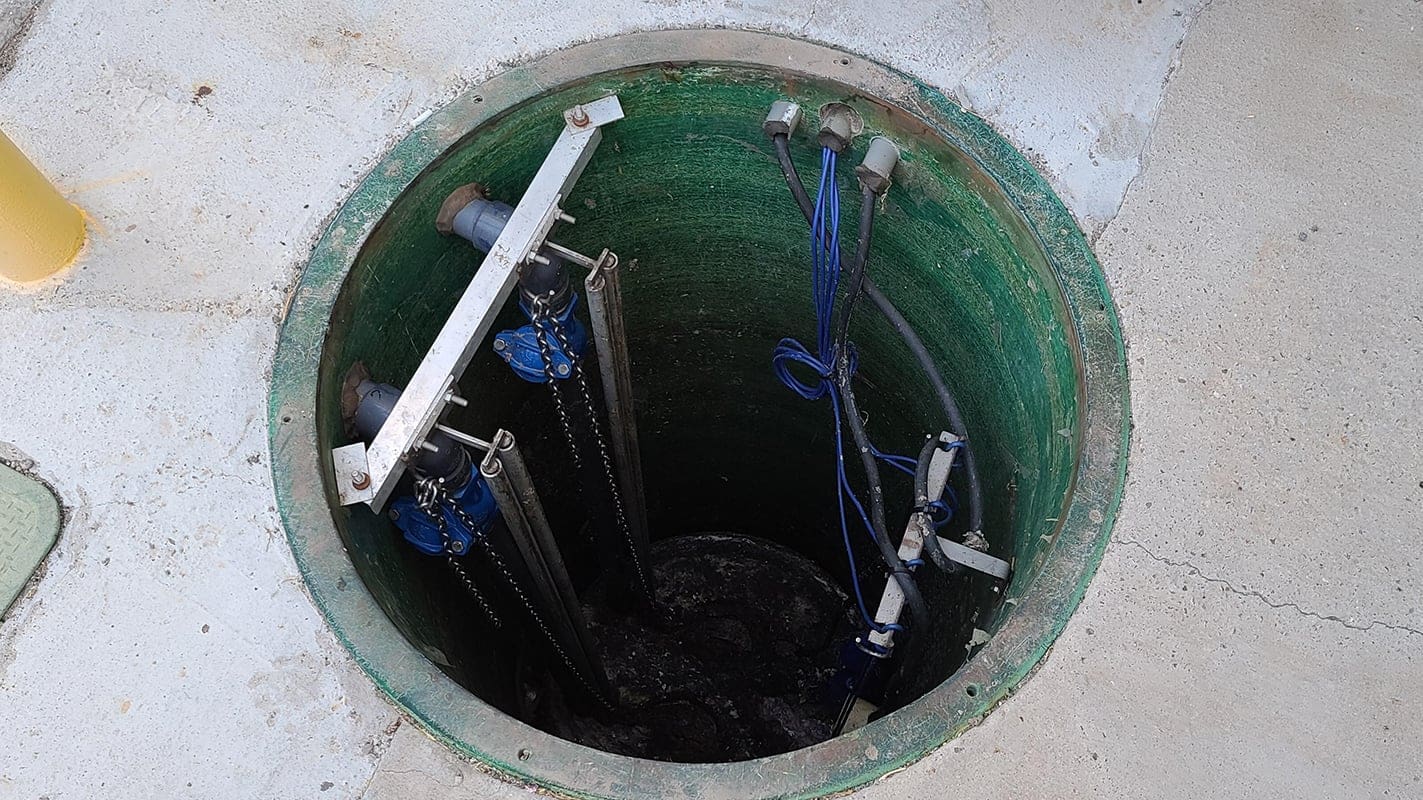

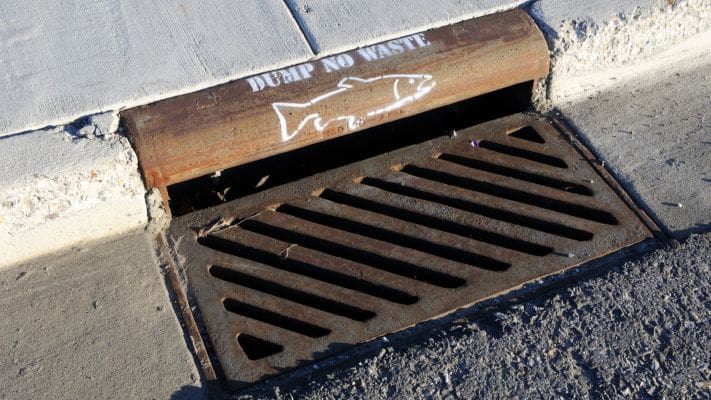

Stormwater compliance means meeting the federal, state and local regulations that govern how rainwater and snowmelt runoff is managed on your property. For most commercial, industrial and multifamily properties, compliance involves maintaining on-site stormwater infrastructure (ponds, catch basins, drainage pipes), meeting inspection requirements and keeping records that demonstrate your system is functioning correctly. The specific requirements depend on your state, municipality and the type of permit that applies to your property.

At AQUALIS, we know Arkansas' sustainable water compliance standards and manage regulator relations for our clients.
It is our mission to help you become compliant with these stormwater, wastewater and drinking water regulations through inspections, maintenance, repairs and rehabilitation services. As your water compliance provider, we handle the regulatory guidelines specific to Arkansas and ensure that our services meet the highest compliant procedures to keep you in compliance with local regulators.
Learn more about Arkansas’ regulations and AQUALIS’ sustainable water management services.
Municipalities in Arkansas
Case Studies
Services Offered in Arkansas
Frequently Asked Questions
What is stormwater compliance?
Can stormwater fees be reduced?
Yes—many municipalities offer stormwater fee credits or reductions for property owners who actively manage runoff on-site and reduce the burden on public stormwater infrastructure. Credit programs vary by jurisdiction but commonly recognize:
On-site detention or retention: Ponds, underground vaults, and other systems that hold and slowly release stormwater can qualify for volume-based fee reductions.
Green infrastructure: Bioretention areas, permeable pavement, green roofs and native landscaping may qualify for additional credits in municipalities that incentivize water quality improvements.
Documented maintenance: Some programs require proof of regular inspections and maintenance to retain credits — meaning a lapsed maintenance program can result in losing a credit you’ve held for years.
AQUALIS can review your property’s eligibility for local stormwater credit programs and help prepare the documentation required to apply or maintain credits. Savings vary widely by municipality but can offset a meaningful portion of annual fee assessments.
Who is responsible for stormwater compliance?
In most cases, the property owner is legally responsible for maintaining stormwater control facilities on their land and ensuring those systems remain in compliance with applicable permits. For commercial properties with active construction or industrial operations, responsibility may also extend to the site operator or contractor, who must comply with any NPDES permit tied to their activity. If you own or manage property with stormwater infrastructure (detention ponds, bioretention areas, underground systems or drainage structures) compliance is your obligation regardless of whether your tenants are the ones generating runoff.
AQUALIS can serve as your compliance partner, handling inspections, maintenance, and regulator communication on your behalf.
Why is stormwater maintenance important?
Stormwater systems are designed to manage a specific volume and velocity of water. When they’re not maintained, performance degrades and the consequences can be significant:
Regulatory risk: A failed inspection or malfunctioning system can result in a Notice of Violation (NOV), fines and mandated repairs under a regulatory timeline, often more costly than routine maintenance would have been.
Property damage: Clogged inlets, deteriorated pipes and overwhelmed ponds lead to flooding, erosion and structural damage to pavement and buildings. Sinkholes caused by failed underground infrastructure are a common and expensive result of deferred maintenance.
Environmental liability: Untreated runoff carrying pollutants into waterways can expose property owners to broader environmental enforcement, including from state environmental agencies and the EPA.
Permit renewal risk: Many stormwater permits require demonstrated compliance history at renewal. Gaps in maintenance records can complicate or delay renewal.
Did you receive an NOV? Have an urgent need? We can help.
Notices of Violation (NOVs) or Corrective Notices should be taken seriously. Contact AQUALIS today to learn how to resolve the issue and comply with regulations.