

Last Updated 08/05/2026
Excerpt from Brookings Stormwater Ordinance
Article IV. – Site Runoff Erosion and Sediment Control
Sec. 72-75. – Operation and maintenance of BMPs.
Permanent structural and/or nonstructural BMPs shall be implemented to control and minimize stormwater runoff rates and volumes and to prevent, control, and minimize stormwater pollutants as required in this chapter.
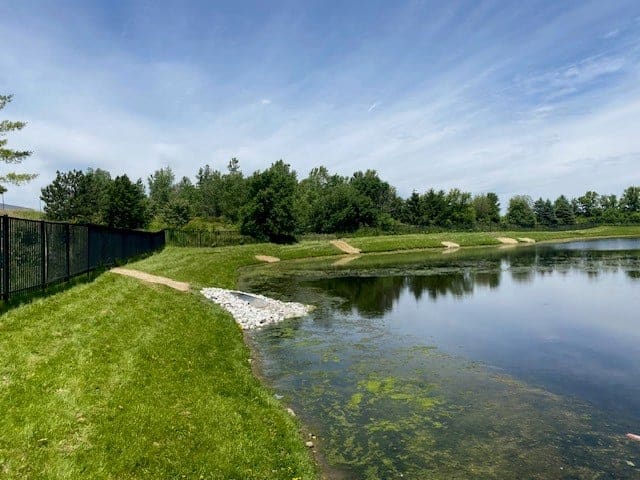
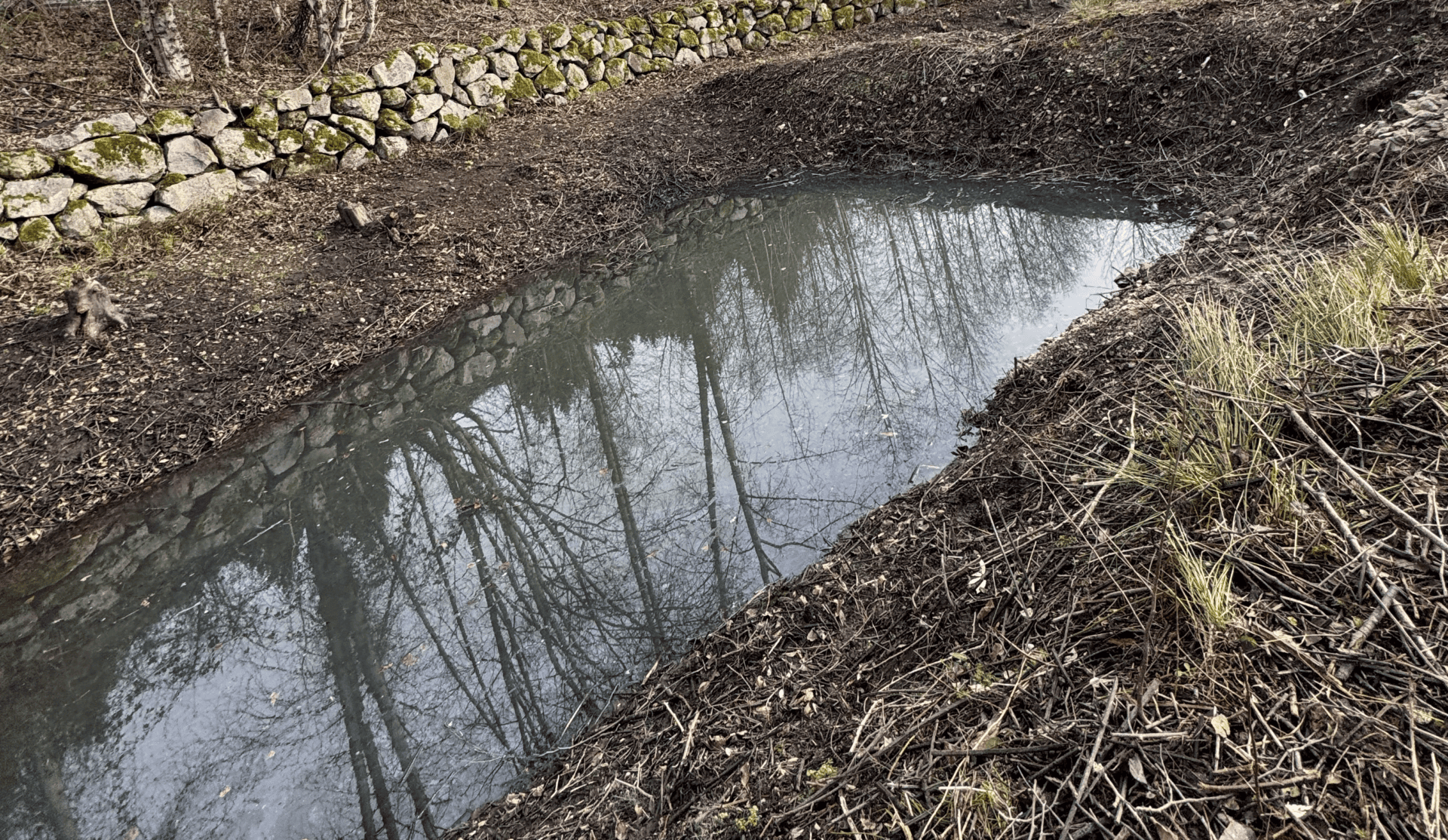
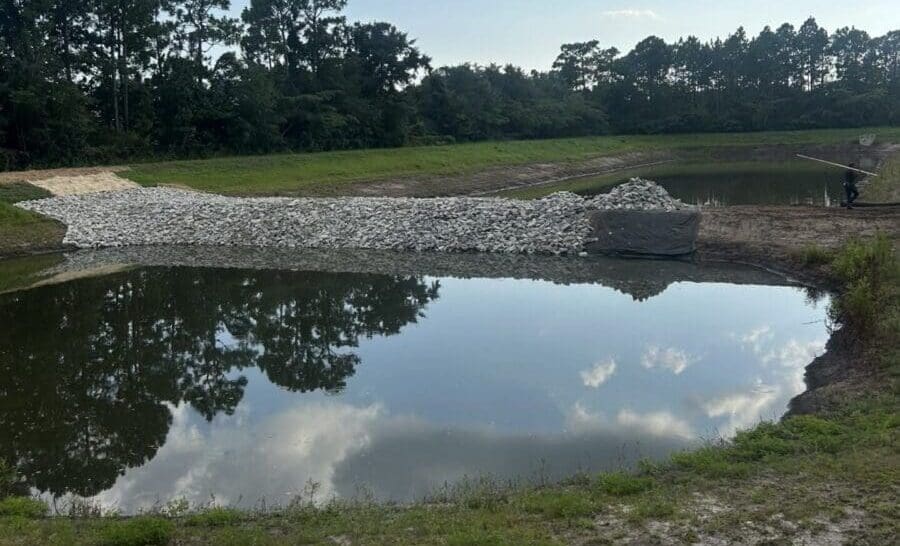
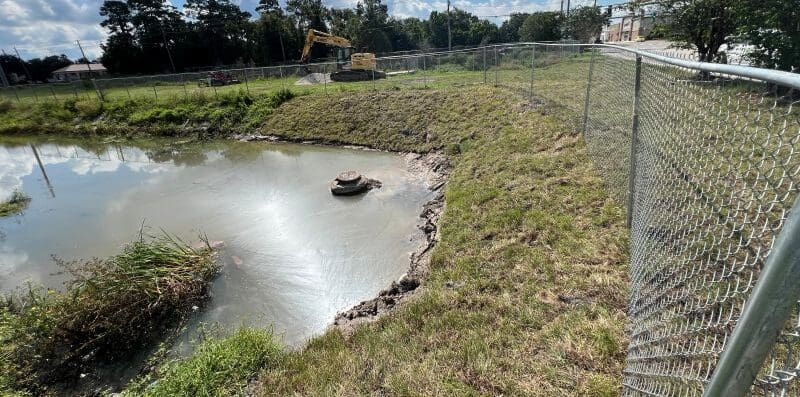
(1) It is a violation for any owner to improperly construct or operate or fail to maintain the proper function of privately owned structural BMPs. Maintenance activities include, but are not limited to, removing trash and debris, reseeding, mowing, pest control, removing sediment accumulation, removing vegetation, replacing filter media, and repairing eroded areas.
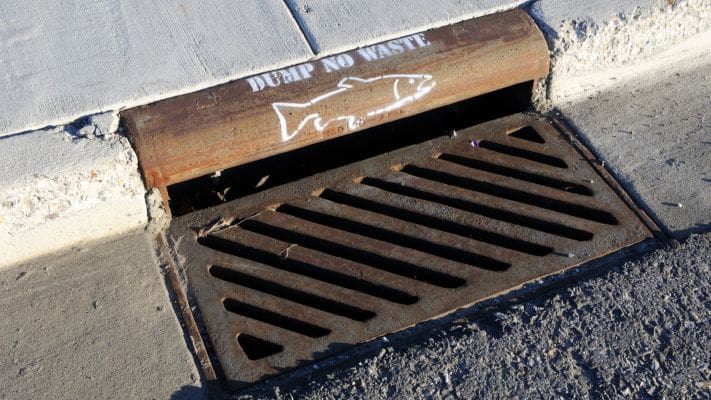
(2) It is a violation for any owner to place or deposit debris, yard waste, garbage, or other materials that are incompatible with the function of the BMPs, or permit such items to be deposited in any manner on privately owned structural BMPs.
(3) The owner shall immediately notify the city engineer of any discharge of a pollutant, debris, yard waste, garbage, excessive sediment, or materials incompatible with BMPs, including from a privately owned BMP, into the city’s municipal storm water drainage system. This notification shall include the location of the discharge, type of pollutant, concentration and volume, if known, and corrective actions taken by the owner. The owner shall document and submit to the city engineer all pertinent information.
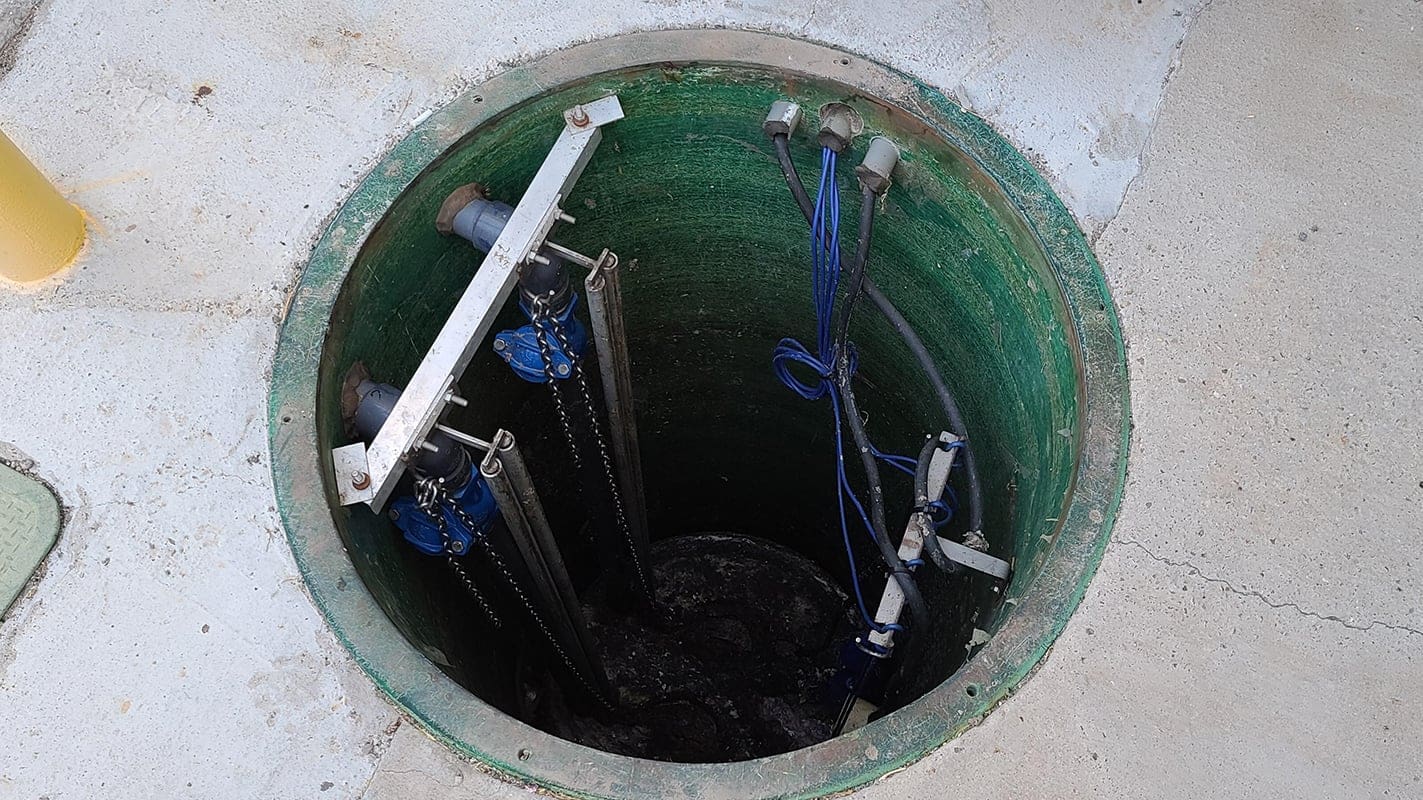
(4) In the case of any physical failure, including, but not limited to, structural, equipment, or media failure (e.g., failure of BMP fixtures including, but not limited to, screens, riprap, aerators, design features, and fences) of a privately owned structural BMP that may cause pollutants to enter the city’s municipal stormwater system, the owner shall immediately notify the city engineer of the incident. This notification shall include the location failure, type and extent of the failure, if known, and corrective actions taken by the owner. The owner shall document and submit to the city engineer all pertinent information.
If privately owned BMPs are constructed, operated, and/or maintained in a manner that results in discharge of pollutants to the city’s storm water drainage system, the city may require the owner to implement additional structural and/or nonstructural BMPs to prevent the further discharge of pollutants to the city’s storm water drainage system.
Article V. – Stormwater Design Standards
Sec. 72-83. – Storm drainage design requirements.
The design of all storm drainage systems and facilities shall conform to the Storm Drainage Design and Technical Criteria Manual. The Storm Drainage Design and Technical Criteria Manual may be viewed at the city engineer’s office or on the City of Brookings website.
Sec. 72-84. – BMP design requirements.
View State Page
Frequently Asked Questions
Who is responsible for maintaining a stormwater BMP on my property in Brookings, South Dakota?
The property owner is responsible for properly constructing, operating, and maintaining any privately owned structural best management practice (BMP). Required maintenance activities include:
- Removing trash and debris
- Reseeding and mowing
- Pest control
- Removing sediment accumulation
- Removing unwanted vegetation
- Replacing filter media
- Repairing eroded areas
Failing to properly maintain a privately owned BMP in Brookings is treated as a violation. AQUALIS can help property owners set up a maintenance routine that covers all of these tasks.
What if my stormwater BMP in Brookings physically fails?
If a privately owned BMP experiences a structural, equipment, or media failure, such as damaged screens, riprap, aerators, or fencing, that could let pollutants reach the city’s stormwater system, you must notify the city engineer immediately. This notification should cover the location and extent of the failure and the corrective action taken, again documented and submitted in writing.
Can the City of Brookings require additional stormwater controls on my property?
Yes. If a privately owned BMP is built, operated, or maintained in a way that results in pollutants reaching the city’s stormwater system, the city can require the owner to implement additional structural or nonstructural BMPs to stop further discharges. AQUALIS can help property owners get ahead of this by making sure existing BMPs are functioning properly from the start.
The information on this page is provided for general informational purposes only and is not legal advice. Regulations change frequently — AQUALIS makes no warranty as to the accuracy or completeness of this content, and any reliance on it is at your own risk. Consult a qualified professional or your local regulatory authority to confirm requirements applicable to your specific property.