



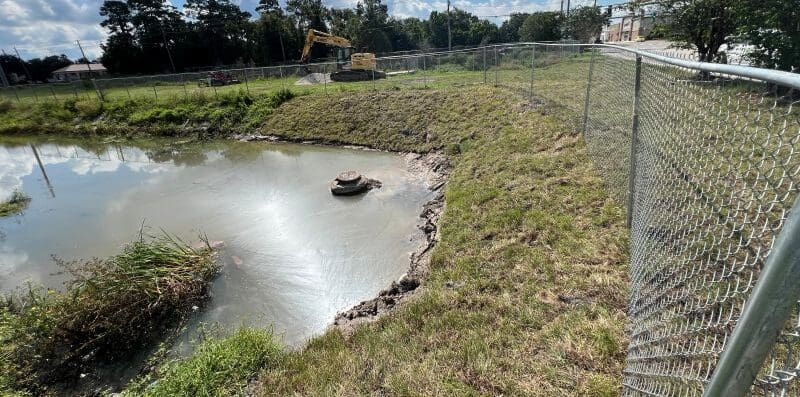
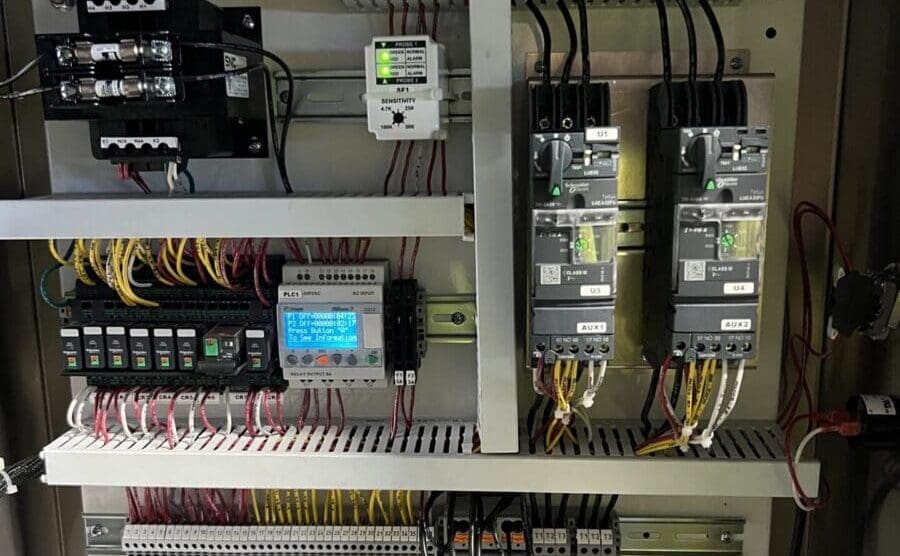


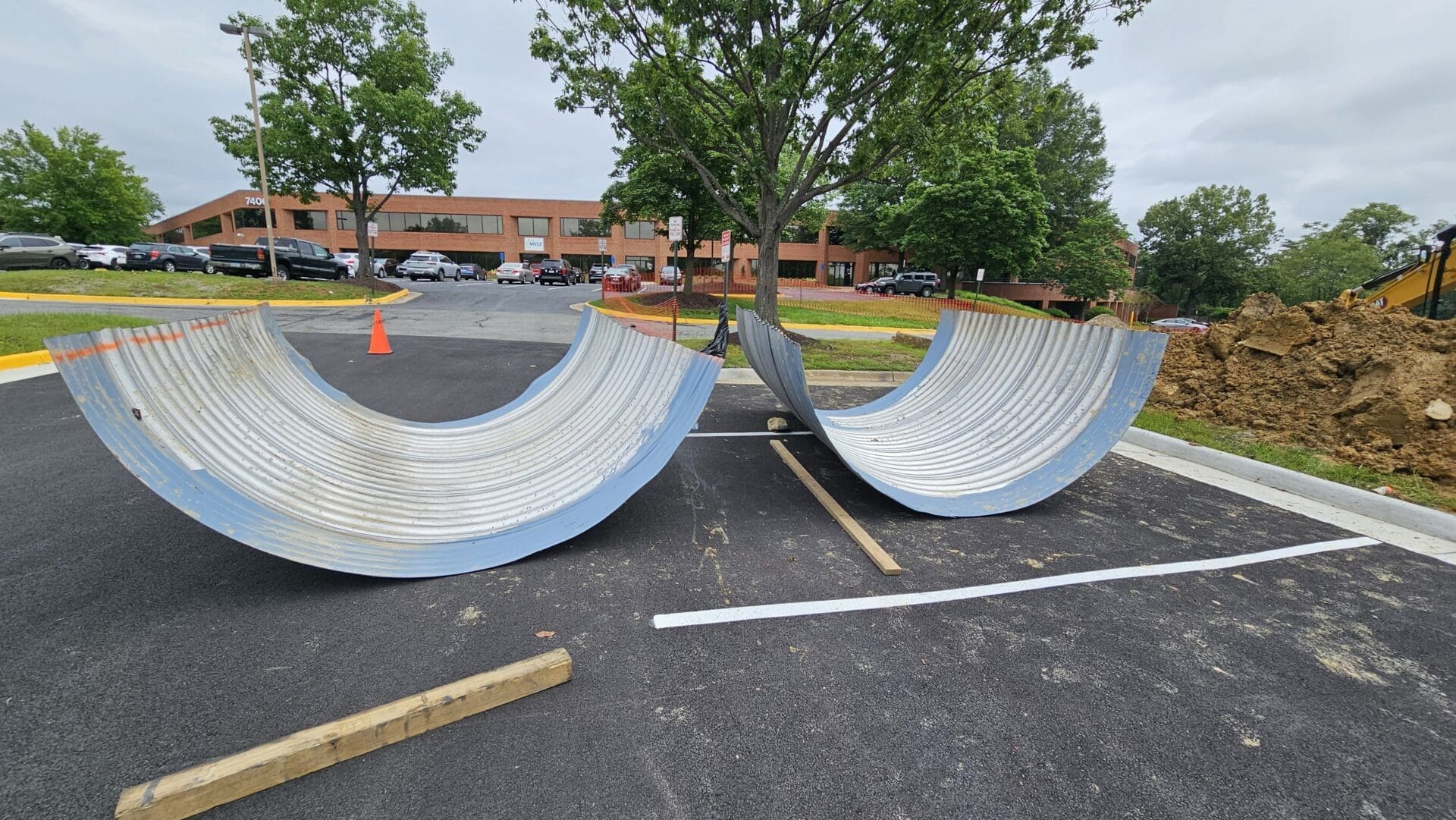
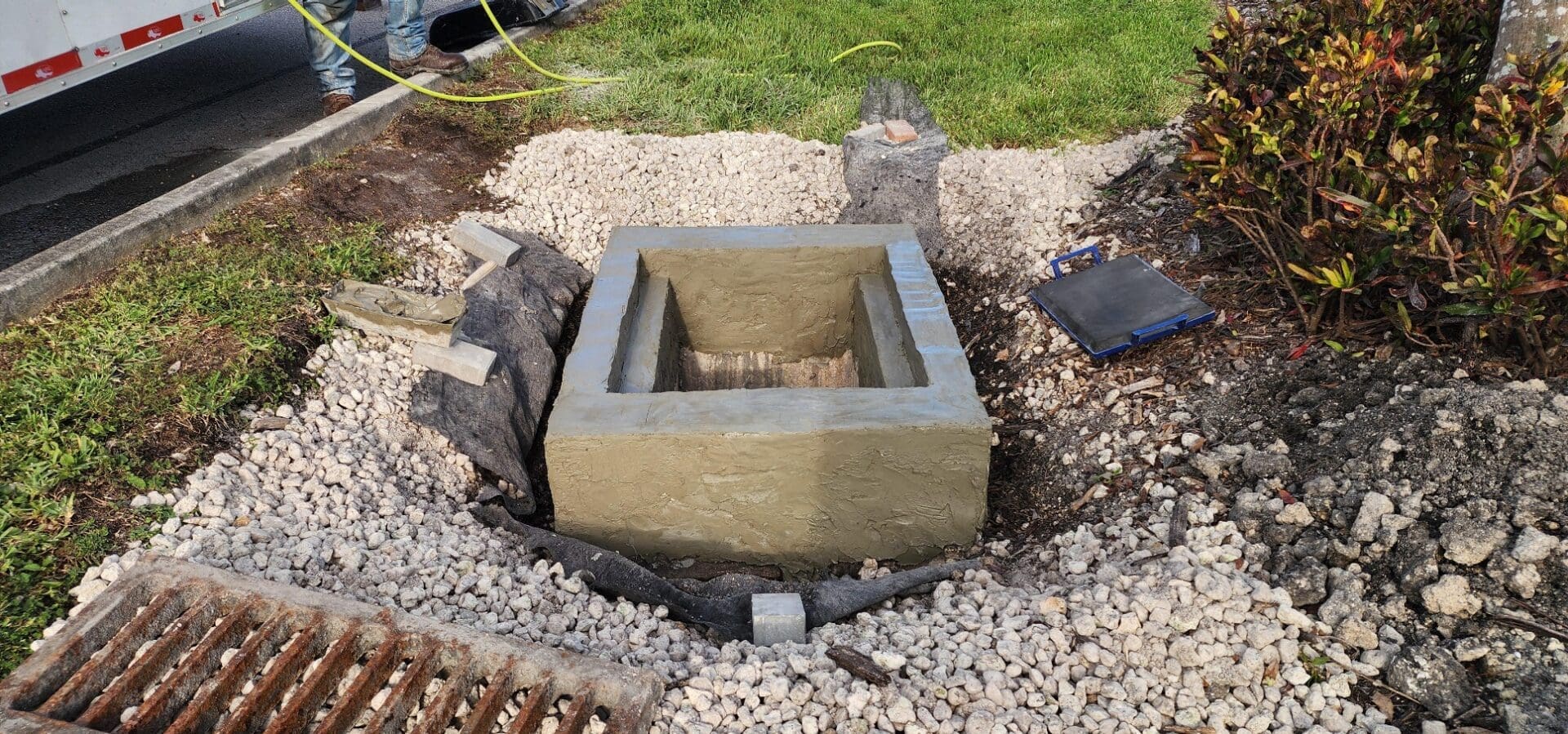


Based on AQUALIS’s experience conducting thousands of inspections across the country, the most frequent compliance issues we encounter are:
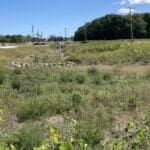
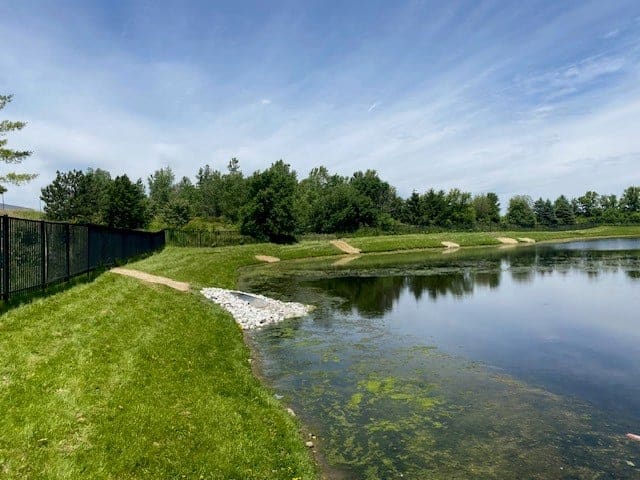
Overgrown vegetation: Pond banks, swales, and bioretention areas where vegetation has overtaken the designed system, reducing capacity and blocking outflow structures.
Sediment accumulation: Detention ponds lose capacity over time as sediment builds up. Most systems require periodic dredging; many owners don’t realize a pond has lost 30%–50% of its storage until a flood event reveals the problem.
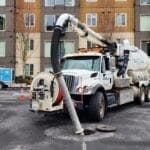
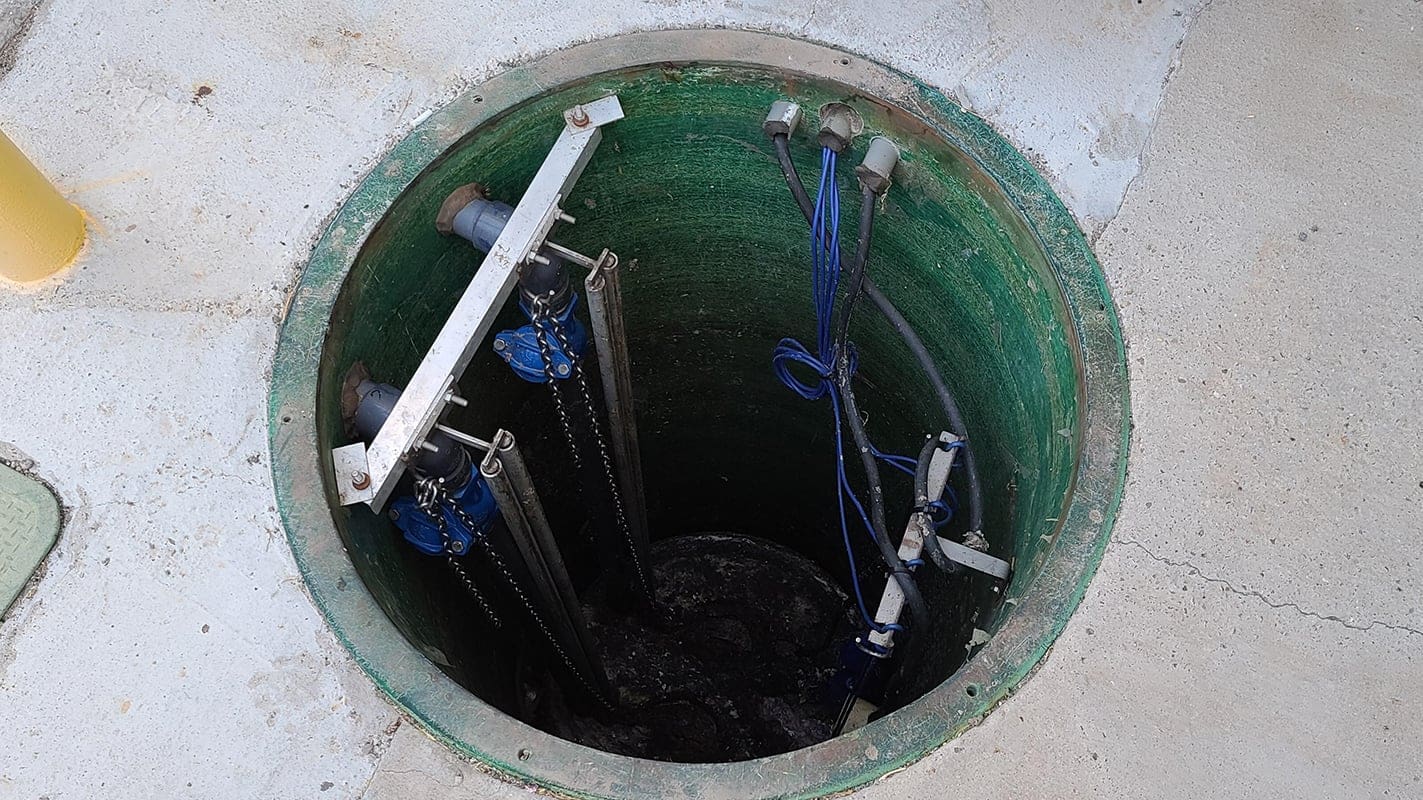
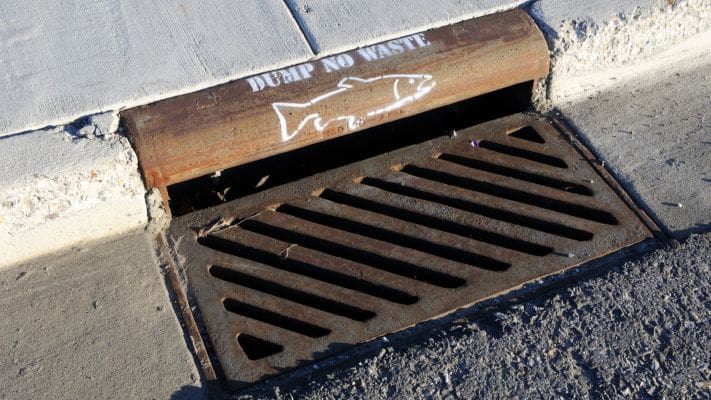
Clogged or damaged inlets and outlets: Debris-blocked catch basins and outlet structures are among the most common findings on inspections and among the easiest to prevent with routine maintenance.
Missing or incomplete records: Inspection reports not filed, maintenance logs not kept or Operation and Maintenance Agreements not recorded with the county register, all common findings that create regulatory exposure even when the physical system is functioning correctly.
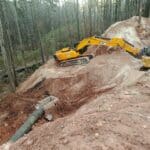
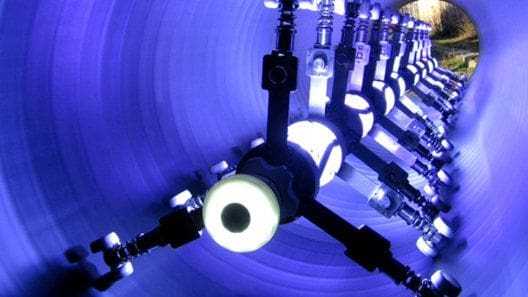
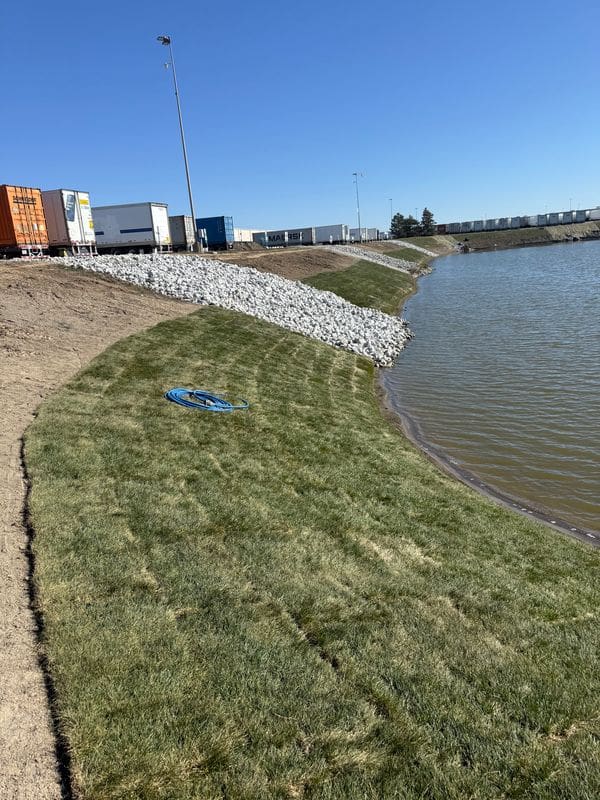
Structural deterioration: Cracked or collapsed pipes, eroded embankments and damaged concrete structures that have gone unrepaired past the point of simple fixes.
Illicit discharges: Non-stormwater connections to the drainage system (from wash water, sanitary lines or industrial processes) that violate NPDES permit conditions.