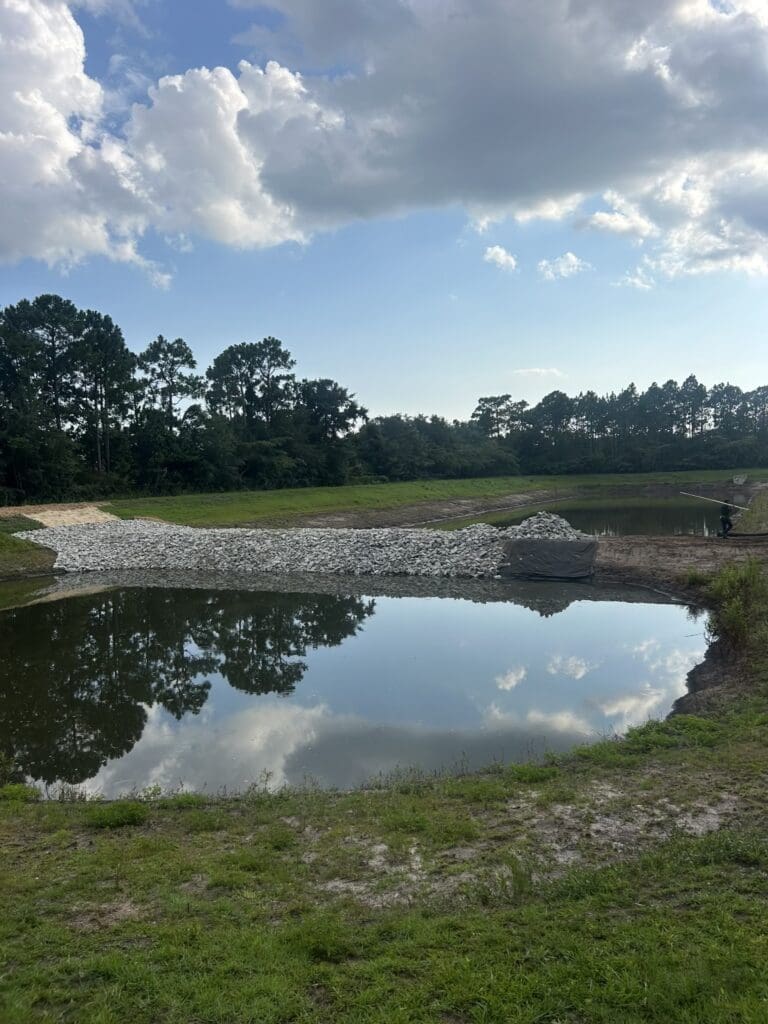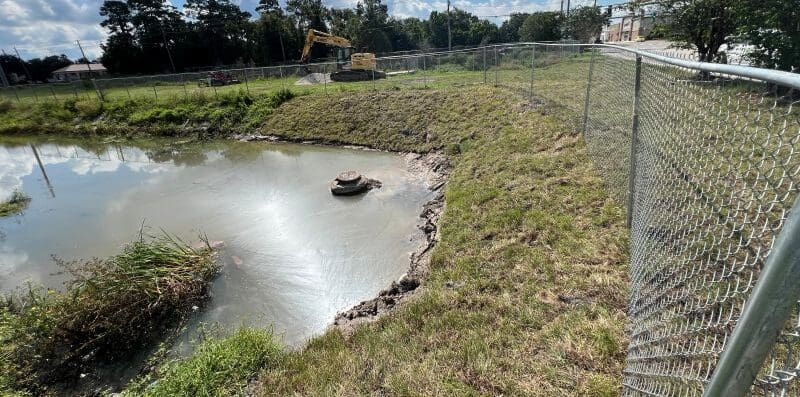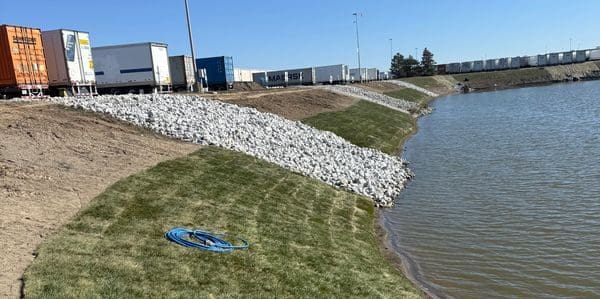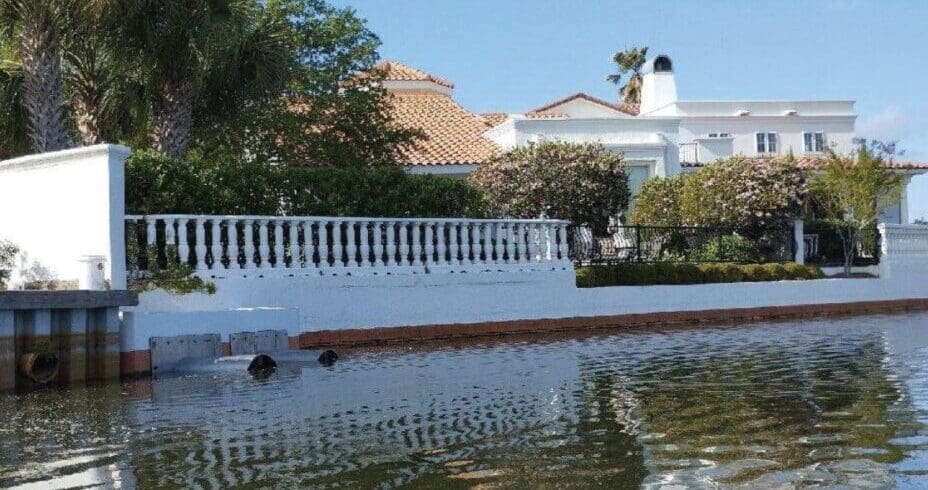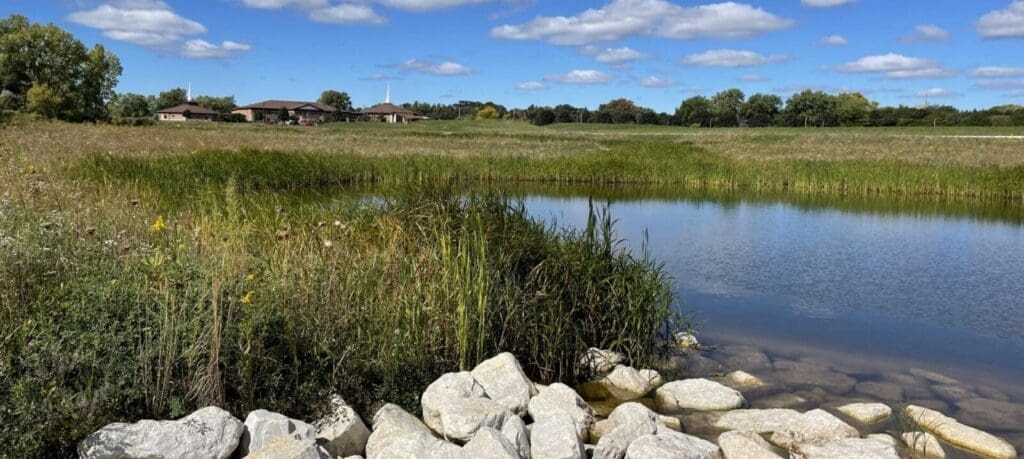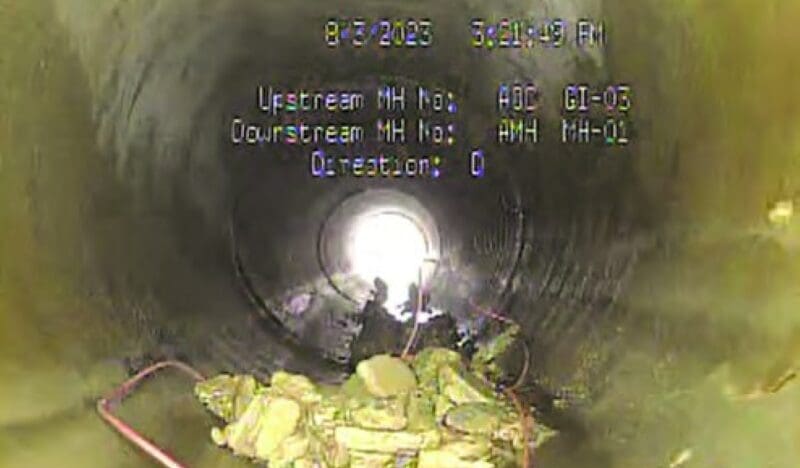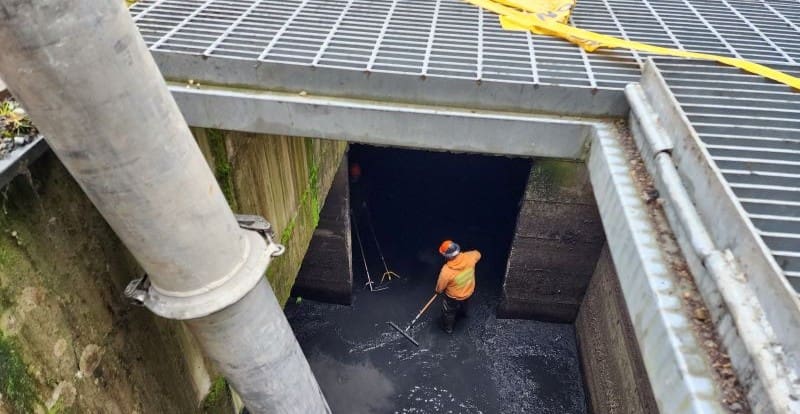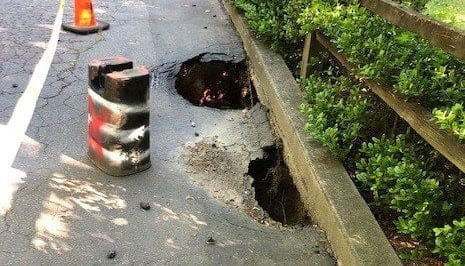
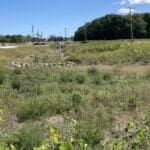

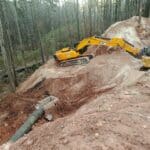

The Western United States, as defined by NOAA, includes California and Nevada. This region spans coastal wetlands, Central Valley waterways, arid Great Basin rangeland and dense wildland-urban interface zones, conditions that create some of the country’s most complex vegetation management challenges. Long dry seasons, periodic drought and increasing wildfire risk mean unmanaged vegetation can compromise stormwater infrastructure while adding fuel to fire-prone landscapes.
Effective vegetation management helps properties prevent permit violations, protect drainage infrastructure and reduce long-term compliance and safety risks. AQUALIS provides a complete guide to Western vegetation management strategies and common invasive species to help you maintain compliance and support long-term infrastructure health.
What Is the Best Way to Manage Vegetation in the West?
California and Nevada’s extended dry seasons, paired with intense winter storms and periodic atmospheric river events, mean vegetation can shift quickly from drought-stressed fuel to flood-blocking overgrowth. A well-planned vegetation strategy protects stormwater systems, reduces wildfire risk and lowers long-term operational costs.
Core objectives include:
- Protecting stormwater systems, flood control channels and nearby waterways
- Meeting local and state permit requirements, including NPDES and MS4 obligations
- Limiting the spread of invasive plants into drainage corridors and detention areas
- Supporting healthy, drought-adapted native vegetation
- Reducing wildfire fuel loads near infrastructure and access roads
- Preserving long-term property and environmental value
Vegetation Management Services in the West
A complete vegetation management approach combines several services, each protecting infrastructure and supporting compliance in a different way.
Waterway and flood control channel management addresses one of the region’s most persistent challenges. California’s extensive network of engineered channels and detention basins is especially vulnerable to fast-growing invasive plants that can choke flow capacity and increase flood risk during heavy rain events. Selective removal and mechanical clearing protect channel capacity, maintain inspection access and reduce liability during storm season.
Wildfire fuel reduction focuses on the vegetation surrounding stormwater assets, access roads and property perimeters. Dense, dry growth near detention basins and drainage infrastructure can accelerate fire spread and complicate emergency access. Strategic thinning and clearing protect both infrastructure and surrounding structures.
Native species planting is foundational across the region. Plants native to California and Nevada are adapted to long dry seasons, variable rainfall and, in many areas, alkaline or sandy soils, making them ideal for stabilizing detention basin banks, swale corridors and bioretention cells without heavy irrigation. Native vegetation also supports compliance with Stormwater Pollution Prevention Plans (SWPPPs) and Operations and Maintenance (O&M) requirements, reduces supplemental water needs and resists invasive encroachment.
Common Native Vegetation Species in the West
The West features a mix of drought-tolerant trees, shrubs and grasses suited to both California’s Mediterranean climate and Nevada’s high desert conditions. These plants absorb rainfall, slow runoff and stabilize soil prone to erosion during heavy storm events.
Trees and Shrubs
- Coast Live Oak (Quercus agrifolia)
- California Sycamore (Platanus racemosa)
- Toyon (Heteromeles arbutifolia)
- California Buckwheat (Eriogonum fasciculatum)
- Big Sagebrush (Artemisia tridentata)
- Fourwing Saltbush (Atriplex canescens)

Herbaceous Plants and Grasses
- Deergrass (Muhlenbergia rigens)
- California Fescue (Festuca californica)
- Great Basin Wildrye (Leymus cinereus)
- Blue-Eyed Grass (Sisyrinchium bellum)

Invasive Species Removal in the West
California and Nevada’s combination of mild winters, extended dry seasons and heavily disturbed urban and agricultural land has made the region especially vulnerable to invasive species. Once established in stormwater corridors, these plants can choke flood channels, accelerate erosion and fuel wildfire spread.
According to Executive Order 13112, an invasive species is any plant, animal or other organism outside its natural range that causes harm to the environment, economy or human health. In the West, invasive plants typically spread through waterway transport, wind-dispersed seeds, human activity and disturbed soil, and they outcompete native vegetation for limited water and light.
Common Invasive Plants in the West
The following species are confirmed invasive across the region and tracked by state and federal agencies, including the California Invasive Plant Council and the Nevada Department of Agriculture.
Woody Shrubs and Trees
- Tamarisk / Salt Cedar (Tamarix spp.)
- Russian Olive (Elaeagnus angustifolia)
- Scotch Broom (Cytisus scoparius)
- Tree of Heaven (Ailanthus altissima)
Aquatic Invasives
- Eurasian Watermilfoil (Myriophyllum spicatum)
- Curly-Leaf Pondweed (Potamogeton crispus)
Herbaceous Plants and Grasses
- Giant Reed / Arundo (Arundo donax)
- Yellow Starthistle (Centaurea solstitialis)
- Cheatgrass (Bromus tectorum)
- Russian Thistle / Tumbleweed (Salsola tragus)
- Pampas Grass (Cortaderia selloana)

Nevada regulates many of these species under its noxious weed statute (Nevada Revised Statutes 555.005), which authorizes the state to require landowners to control designated species. Tamarisk, Russian olive, Eurasian watermilfoil, curly-leaf pondweed, yellow starthistle and pampas grass all appear on Nevada’s current noxious weed list.
Giant Reed: The West's Most Damaging Waterway Invader
Giant reed, also known as Arundo is one of the most aggressive and costly invasives in California’s waterway systems. It was first introduced to Southern California in the early 1800s near the Los Angeles River, originally for erosion control and roofing material, according to the California Department of Fish and Wildlife. Growing up to 20 feet tall, it now forms dense stands that crowd out native riparian vegetation, restrict flow through flood control channels and dramatically increase fire risk along waterways once it dries out each season. Its extensive rhizome system makes it extremely difficult to eradicate, resprouting readily after cutting or fire.
For commercial and municipal properties along California’s rivers and engineered channels, giant reed encroachment can reduce flood capacity, damage infrastructure and trigger compliance issues under state and local channel maintenance requirements. Effective management typically combines cut-stump herbicide application, mechanical removal and multi-season monitoring, since a single treatment rarely achieves full eradication.
Cheatgrass: Nevada's Wildfire Accelerant
In Nevada’s high desert, cheatgrass has fundamentally altered fire behavior across millions of acres of rangeland. Unlike native sagebrush communities, which are naturally spaced with bare soil between plants, cheatgrass fills in that space with a continuous carpet of fine, dry fuel. This creates a cycle where fire kills native shrubs but favors cheatgrass regrowth, gradually converting sagebrush steppe into flammable grassland. For properties near wildland areas, cheatgrass control is a critical part of defensible space planning.
Effective Invasive Species Removal Strategies
Because many Western invasives regenerate from root fragments or resprout after cutting, effective management combines immediate action with long-term prevention. Common methods include:
- Hand Pulling: Best for small infestations and young plants with shallow roots, most effective before seed set
- Mechanical Cutting and Mowing: Controls larger infestations and reduces fine fuel loads ahead of fire season
- Cut-Stump Herbicide Application: Essential for giant reed, tamarisk and tree of heaven, where cutting alone triggers aggressive resprouting
- Targeted Herbicide Application: Used for grasses and herbaceous invasives, timed to the active growing season
- Prescribed Grazing: Deployed in some Nevada rangeland settings to reduce cheatgrass fuel loads ahead of fire season
Choose AQUALIS for Vegetation Management and Invasive Species Removal in the West
Vegetation management in the West comes with a distinct set of challenges, from engineered flood channels to wildfire-prone rangeland. AQUALIS provides comprehensive solutions tailored to the region, combining proactive maintenance with environmentally responsible practices to protect infrastructure and reduce long-term risk.
With AQUALIS, you get customized vegetation management plans designed for Western climate conditions, safe and effective invasive species removal, expertise in flood control channels, detention basins and wildland-adjacent properties, and a proactive approach that minimizes future risk and keeps your property in compliance.
Contact us today to learn how AQUALIS can support your Western vegetation management and invasive species needs.