

The Midwest, spanning states such as Wisconsin, Michigan, Illinois, Indiana, Ohio, Iowa and Minnesota presents distinct vegetation challenges shaped by the Great Lakes basin, extensive wetlands and a climate that swings between humid summers and harsh winters. These conditions support numerous highly aggressive invasive plant species, many of which threaten stormwater systems on commercial and municipal properties.
Effective vegetation management helps properties avoid permit violations, protect infrastructure and limit safety risks. AQUALIS provides a complete guide to Midwest vegetation management strategies and common invasive species to support compliance and long-term infrastructure health.
What Is the Best Way to Manage Vegetation in the Midwest?
Midwest vegetation management is a core component of stormwater management for commercial and municipal properties. It is a proactive way to control fast-growing native plants and invasive species before they disrupt stormwater systems, damage infrastructure or create compliance concerns.
A well-planned vegetation strategy helps protect stormwater infrastructure, preserve treatment capacity and reduce long-term maintenance costs while supporting healthy ecosystems.
Core objectives include:
- Protecting stormwater systems and nearby waterways
- Meeting state and local regulations and permit requirements
- Limiting the spread of invasive plants
- Supporting healthy native vegetation
- Reducing erosion and flooding risks
- Preserving long-term property and environmental value
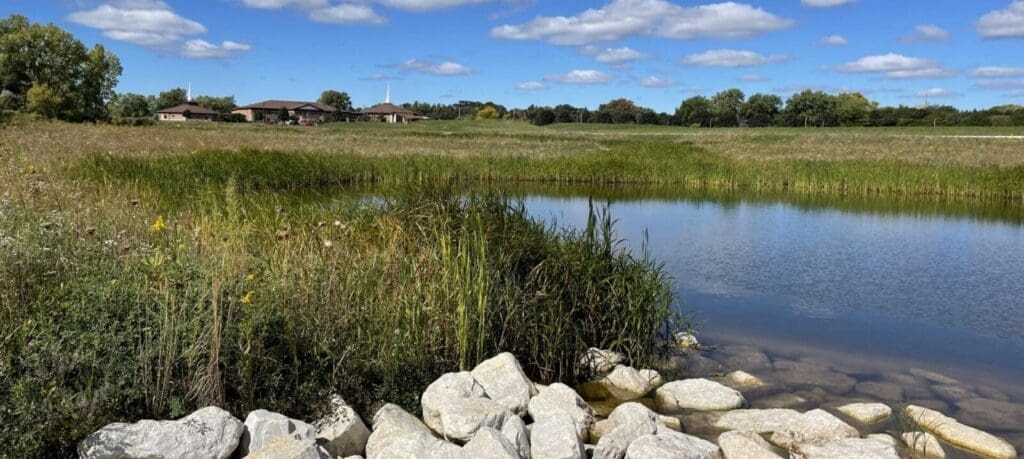
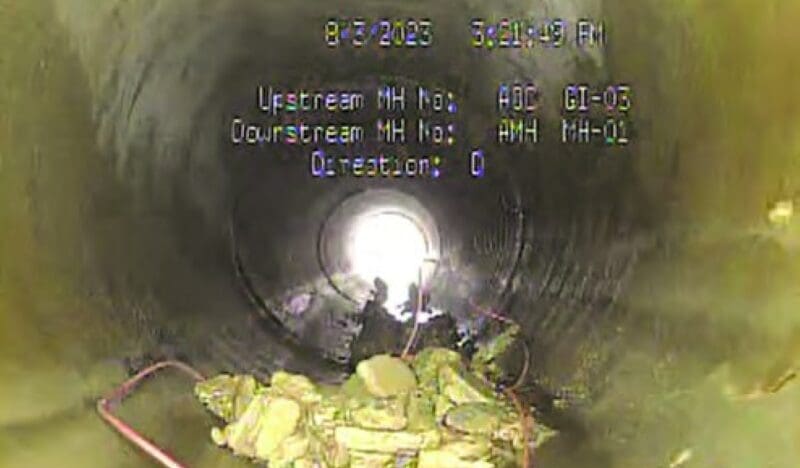
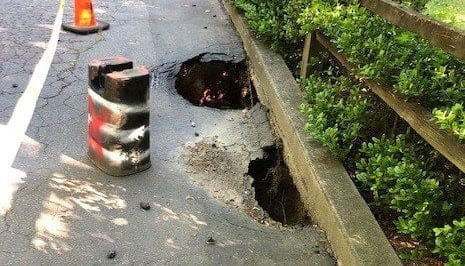
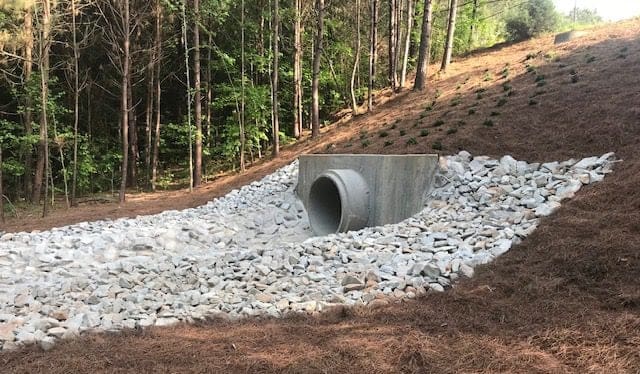
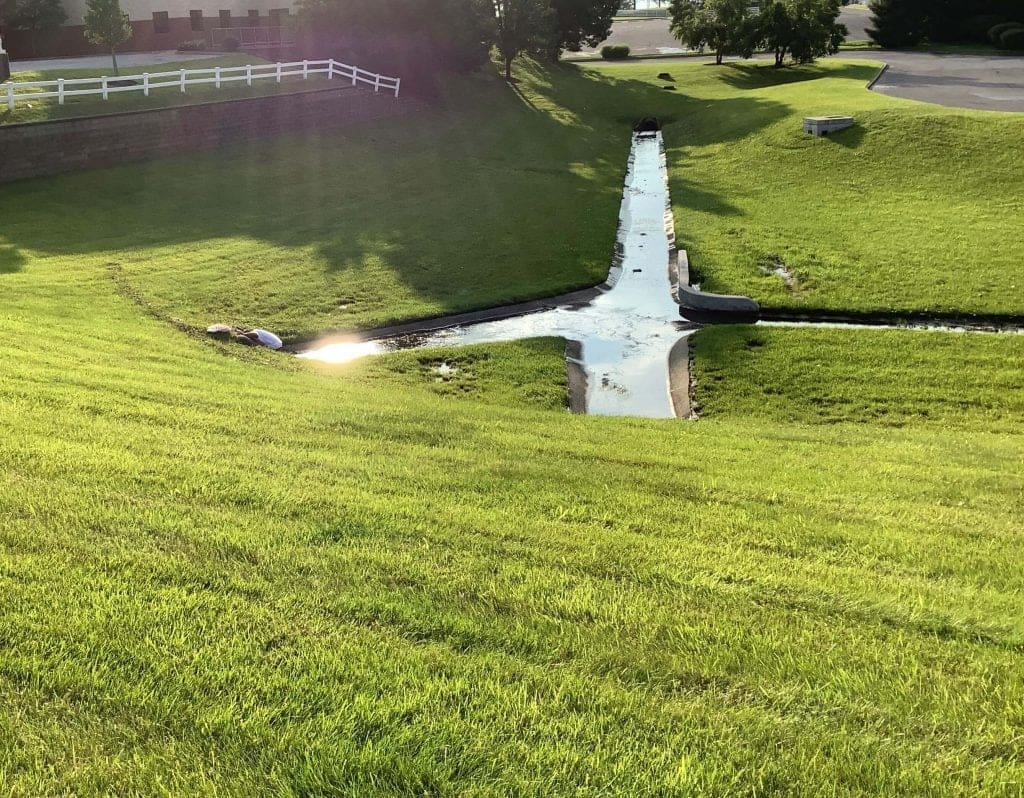
Invasive vegetation can reduce the performance of stormwater ponds, bioswales, constructed wetlands and drainage channels. Dense root systems may alter water flow patterns while excessive plant growth can obstruct outfalls, reduce storage capacity and complicate routine inspections. Over time, unmanaged vegetation can increase maintenance costs and affect regulatory compliance.
Vegetation Management Services in the Midwest
Vegetation management in the Midwest covers several service areas, from tree and brush control to wetland plant management and targeted invasive species removal. Each service helps protect infrastructure, maintain stormwater performance and keep a property in compliance.
Tree and Brush Trimming
Midwest properties contend with fast-growing trees, shrubs and woody invasives that can block access roads, interfere with utilities and obstruct drainage systems. Regular trimming helps protect stormwater assets, maintain clear sightlines and support long-term tree health.
Aquatic and Wetland Vegetation Control
The Midwest is home to thousands of lakes, rivers and wetlands tied to the Great Lakes watershed. Managing vegetation in these environments requires techniques that protect water quality while controlling overgrowth.
Aquatic and wetland vegetation control focuses on:
- Managing invasive aquatic plants that disrupt lake and stream ecosystems
- Maintaining clear waterways for drainage and flood prevention
- Protecting native wetland vegetation
- Preventing plant buildup that interferes with stormwater ponds, detention basins and outfalls
Because these environments are sensitive, control methods must follow state and federal guidelines. This typically includes selective removal, mechanical harvesting and carefully applied treatments designed to minimize ecological impact.
Native Species Planting
Incorporating native plants supports long-term stormwater vegetation management across the Midwest. These species are adapted to regional soil conditions, rainfall patterns and temperature swings, helping slow runoff, improve infiltration and filter pollutants naturally.
Benefits of native planting include:
- Improved soil stability and erosion control
- Reduced irrigation and chemical use
- Support for local wildlife and pollinators
- Greater resistance to invasive species
- Enhanced stormwater performance
Native vegetation can support stormwater performance goals outlined in Stormwater Pollution Prevention Plans (SWPPPs) and Operations & Maintenance (O&M) plans while reducing long-term maintenance requirements.
Common Native Vegetation Species in the Midwest
Midwest properties benefit from native plants adapted to the region’s prairies, wetlands and hardwood forests. These species absorb rainfall, reduce runoff and stabilize soil, making them valuable for both environmental health and stormwater performance.
Common native plants, trees and shrubs across Wisconsin, Michigan, Illinois, Indiana, Ohio, Minnesota and Iowa include:
- Bur Oak
- Sugar Maple
- Eastern Red Cedar
- Switchgrass
- Big Bluestem
- Black-Eyed Susan
- Joe-Pye Weed
- Buttonbush
- Wild Bergamot
- Prairie Dropseed
- Common Elderberry
- Marsh Marigold

Incorporating native vegetation into a Midwest vegetation management plan can improve stormwater function, support regulatory compliance and reduce maintenance demands over time.
Invasive Species Removal in the Midwest
The Midwest’s combination of fertile soil, extensive waterways and a long history of ornamental plantings has made it especially vulnerable to invasive species. Once established, these plants spread along roadsides, waterways and disturbed soil, overtaking native vegetation and creating ongoing maintenance challenges for property owners.
Effective invasive species removal protects infrastructure and helps properties avoid costly compliance issues. Left unmanaged, invasive growth can block drainage systems, damage stormwater assets, restrict inspections and increase long-term operational costs.
Common Invasive Plants in the Midwest
Several invasive plant species are widespread throughout the Midwest. These plants are known for aggressive growth and the ability to displace native vegetation in forests, prairies and wetlands.
Woody Species
- Common Buckthorn (Rhamnus cathartica)
- Amur Honeysuckle (Lonicera maackii)
- Callery Pear (Pyrus calleryana)
- Autumn Olive (Elaeagnus umbellata)
- Multiflora Rose (Rosa multiflora)
- Tree-of-Heaven (Ailanthus altissima)

Aquatic and Wetland Species
- Eurasian Watermilfoil (Myriophyllum spicatum)
- Curly-Leaf Pondweed (Potamogeton crispus)
- Starry Stonewort (Nitellopsis obtusa)
- Common Reed (Phragmites) (Phragmites australis)
- Purple Loosestrife (Lythrum salicaria)
- Reed Canary Grass (Phalaris arundinacea)
- Hybrid Cattail (Typha × glauca)
Herbaceous Species
- Garlic Mustard (Alliaria petiolata)
- Wild Parsnip (Pastinaca sativa)
- Japanese Knotweed (Fallopia japonica)

Aquatic invasives present a particular risk to stormwater systems. Eurasian watermilfoil, curly-leaf pondweed and starry stonewort form dense mats that crowd out native vegetation, reduce oxygen levels and restrict water flow in lakes, ponds and detention basins. Wisconsin regulates invasive species under its NR 40 rule, which classifies species as prohibited or restricted and requires control measures for species posing the greatest risk.
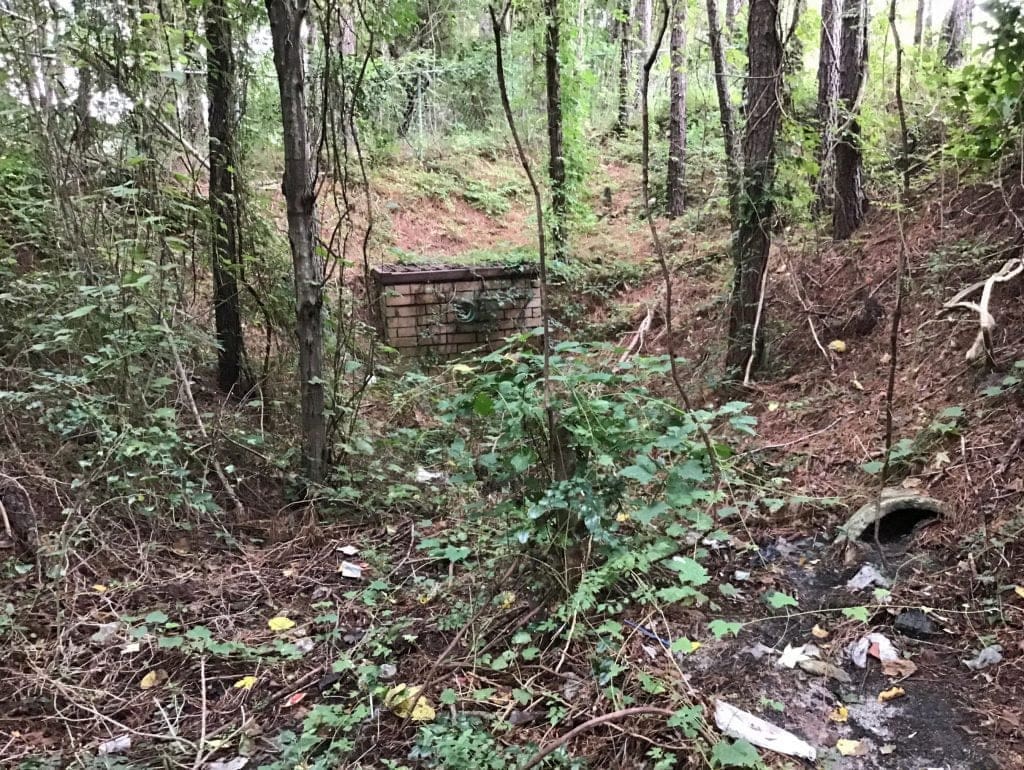
Along shorelines and wetland edges, reed canary grass and hybrid cattails spread aggressively. Reed canary grass can outcompete native wetland species and presents a major challenge for restoration efforts. Hybrid cattails often form dense monocultures that displace native wetland vegetation and reduce habitat diversity. Dense stands of these emergent invasives can interfere with drainage channels, stormwater conveyance systems and outfalls that move stormwater off-site.
Effective Invasive Species Removal Strategies
Removing invasive species in the Midwest requires a strategic, environmentally responsible approach. Because these plants spread quickly and often return if not fully removed, effective methods combine immediate elimination with long-term prevention.
Common removal methods include:
- Hand Pulling: Effective for small infestations or shallow-rooted plants; complete root removal helps prevent regrowth.
- Mowing and Cutting: Controls larger infestations and limits seed production over time.
- Mechanical Harvesting: Removes dense aquatic plant growth from ponds, lakes, detention basins and stormwater facilities.
- Targeted Herbicide Application: Eliminates invasive roots while protecting nearby water systems and native plants.
- Prescribed Burning: Primarily used by land managers and conservation organizations in prairie and woodland settings to suppress invasive growth while supporting native plant regeneration.
Many Midwest states, including Wisconsin, Minnesota and Michigan, regulate the removal of aquatic and wetland vegetation. Property owners should confirm permitting requirements with the appropriate state agency before beginning removal work in or near a waterway.
Professional and sustainable removal prevents regrowth, protects native ecosystems, improves land usability and supports ongoing regulatory compliance.
Choose AQUALIS for Vegetation Management and Invasive Species Removal in the Midwest
Vegetation management in the Midwest comes with unique challenges tied to the region’s lakes, wetlands and seasonal extremes. AQUALIS provides solutions tailored to the region, combining proactive maintenance with environmentally responsible practices to protect stormwater infrastructure and the surrounding ecosystem.
With AQUALIS, you get:
- Customized vegetation management plans built for Midwest conditions
- Safe, effective invasive species removal
- Expertise in wetlands, stormwater basins and urban watersheds
- A proactive approach that reduces future risk and cost
- Stormwater vegetation management strategies designed to support compliance and long-term asset performance
From routine maintenance to large-scale restoration, AQUALIS helps protect critical infrastructure and keep your site safe and compliant.