
Stormwater infiltration systems are vital to managing excess overflow in urban areas during rain events. As construction and urbanization increase, it becomes more challenging for the land to absorb excess rainwater. Because of structures such as roads and buildings, this leads to increased runoff in these areas, which can result in erosion, flooding, water pollution and overloaded drainage systems.
Different infiltration systems capture and manage stormwater runoff while allowing water to filter through the soil, which can remove pollutants and help recharge groundwater supplies. The process of infiltration improves the quality of local water. Read on to learn more about stormwater infiltration, the different methods and types and the benefits of implementing infiltration units.
What Do Stormwater Infiltration Systems Do?
The primary function of stormwater infiltration systems is to manage runoff generated during rain events by allowing water to soak into the ground. Key functions include the following:
- Groundwater recharge: Stormwater infiltration basins and other units replenish groundwater aquifers, which maintains local water supplies, particularly during times of drought.
- Pollutant removal: The infiltration of runoff allows contaminants such as heavy metals, sediments, and nutrients to be filtered out, improving overall water quality.
- Runoff reduction: Infiltration BMPs reduce the amount of water from stormwater into drainage systems and local water bodies, mitigating flooding and erosion risks.
- Temperature regulation: Systems can help regulate temperature, which keeps aquatic life safe.
What Is the Difference Between Filtration and Infiltration of Stormwater?
Understanding the difference between filtration and infiltration is important when selecting stormwater best management practices (BMPs).
What Is Filtration?
Filtration in stormwater management refers to the process of removing particles and pollutants from water as they pass through a filter medium, which can be physical, chemical, or biological. Filtration is often used as pretreatment to catch larger particles and pieces of debris.
What Is an Infiltration Basin?
How is infiltration related to groundwater? Infiltration refers to the process of water seeping into the ground. Basins and other types of stormwater infiltration systems allow water to infiltrate into the ground as opposed to creating runoff or flooding. The process of infiltration and infiltration basin design involves water moving through the layers of soil while being affected by nearby vegetation, moisture and soil characteristics.
What Is an Infiltration Basin vs. Detention Basin?
What is the difference between detention and infiltration of stormwater? Detention systems hold water temporarily and gradually release it into drainage systems or receiving waters. Unlike infiltration systems, detention systems are primarily designed to manage peak flow rates and flooding rather than infiltrate water into the soil.
What Are the Different Types of Stormwater Infiltration Systems?
Stormwater infiltration systems vary in design and application. Common infiltration practices include:
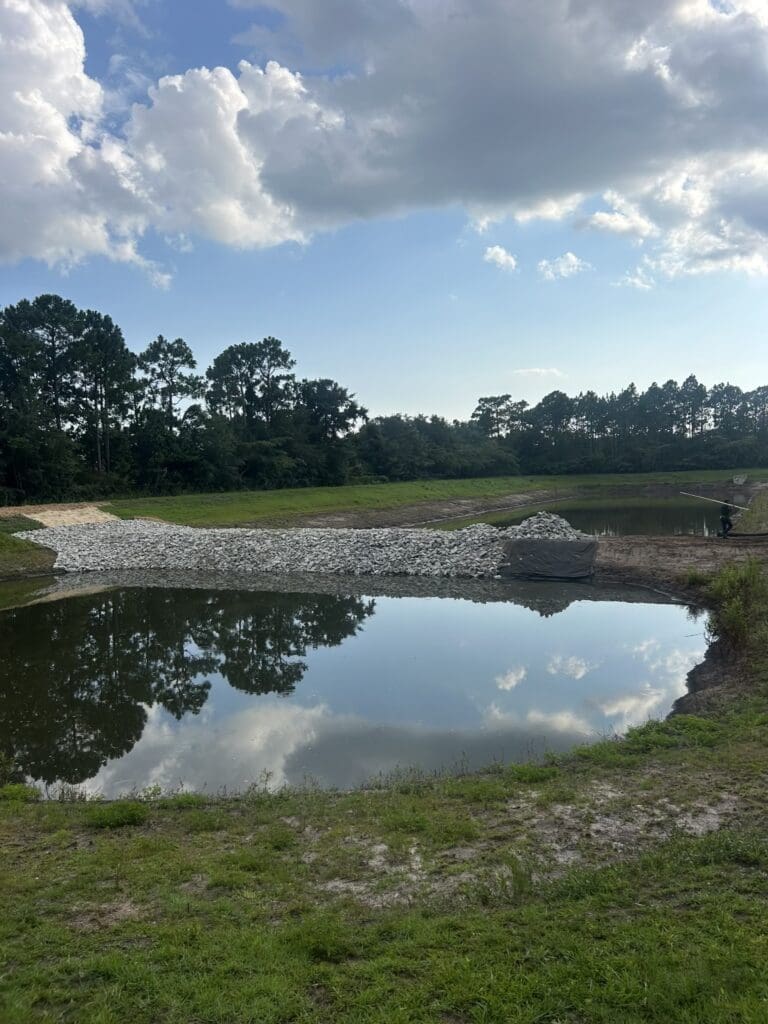
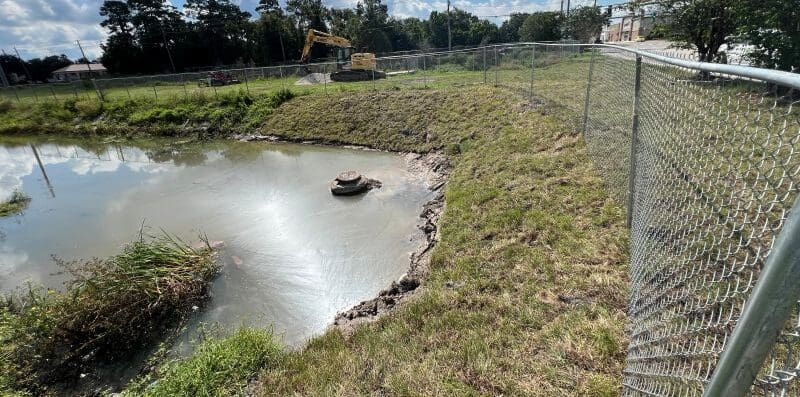
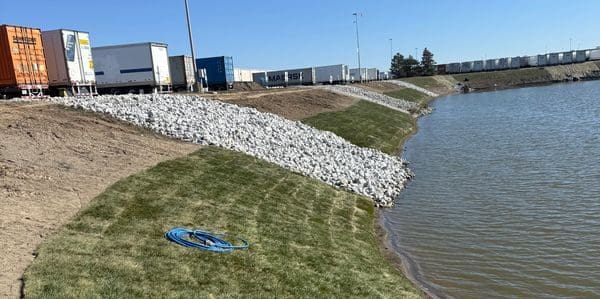
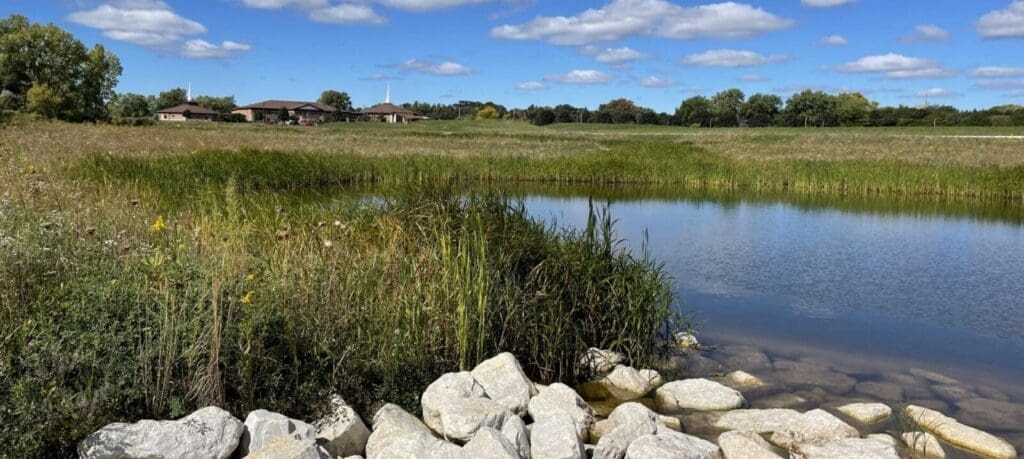
- Infiltration basins: These basins are often shallow and are designed to hold water temporarily. Then, they infiltrate water into the soil while removing sediment and pollutants.
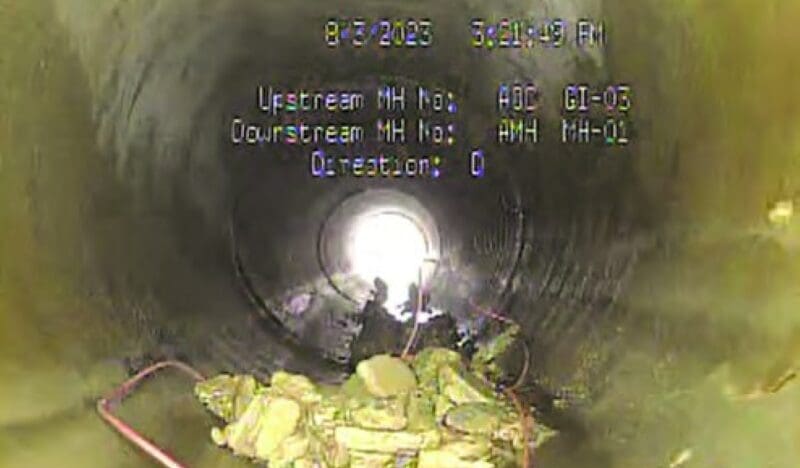
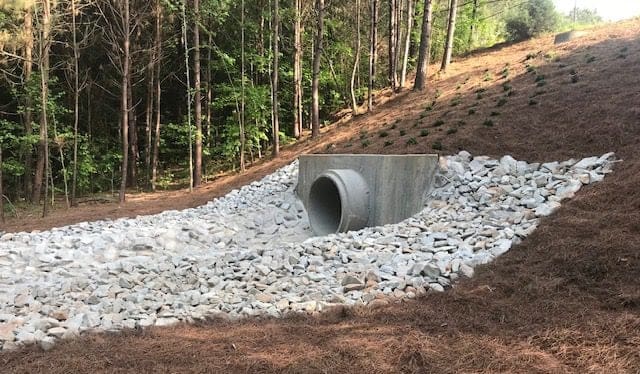
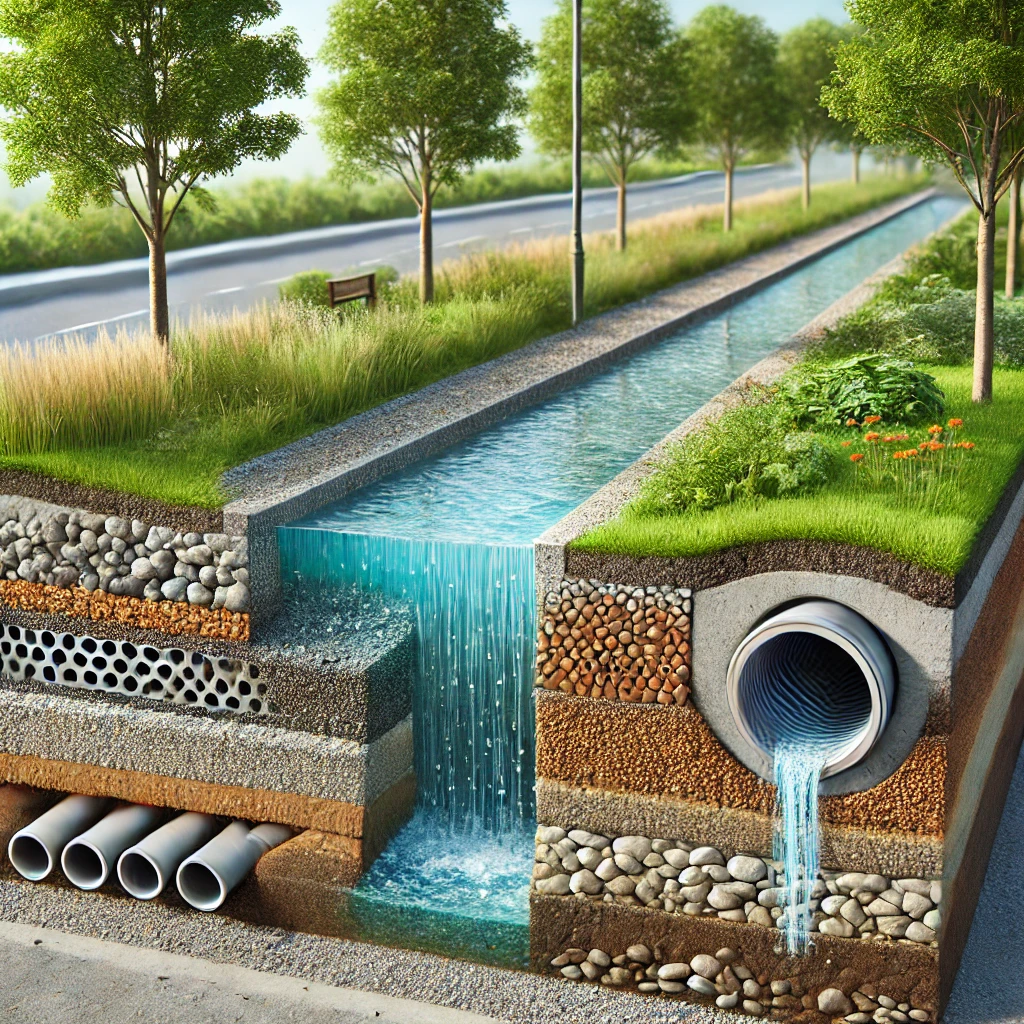
- Infiltration trenches: These are long, excavated channels that are often filled with gravel. They are optimal for small spaces and rapidly infiltrate water back into the soil.
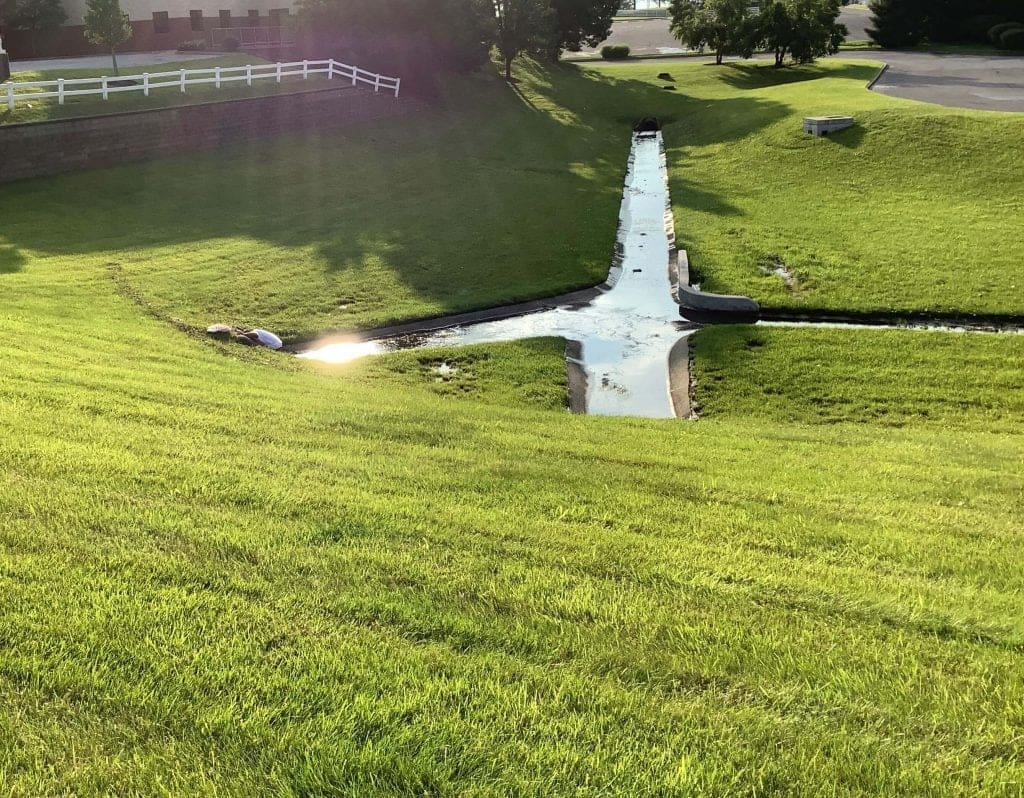
- Bioswales: These are vegetated channels that filter and slow down stormwater runoff.
- Bioretention areas: Another name for bioretention areas is rain gardens. These are landscaped areas designed to treat and capture stormwater. They infiltrate and remove pollutants with the combination of engineered soil and vegetation.
- Permeable pavements: These are permeable surfaces that allow water to directly pass through and infiltrate the soil. They are common in driveways and parking lots.
- Stormwater chamber systems: Chamber systems are built underground with large capacities to hold stormwater while also allowing for concurrent infiltration. They are best for smaller land sizes.
Infiltration can improve water quality by filtering sediments and certain pollutants as stormwater moves through soil and other treatment media.
What Are the Benefits of Stormwater Infiltration?
There are many benefits to having stormwater infiltration systems. Some of the key benefits are below:
- Better water quality: Infiltration systems can help remove pollutants before stormwater reaches local waterways, improving water quality.
- Groundwater protection: Systems protect precious groundwater supplies by reducing the flow of contaminated water.
- Flood mitigation: Units reduce the runoff amount that reaches drainage systems, which helps prevent flooding.
- Cost-effectiveness: Stormwater infiltration chambers and other systems can reduce the need for infrastructure upgrades and repairs.
- Reduced heat island effect: Infiltration systems can help cool urban areas by increasing the amount of water that is evaporated from the ground.
- Aesthetics: Properly designed infiltration systems can support local ecosystems while also providing a natural, attractive landscape feature.
Stormwater infiltration systems can play an important role in managing runoff, improving water quality and supporting sustainable stormwater management. To learn more about infiltration system design, maintenance and management, contact AQUALIS.